

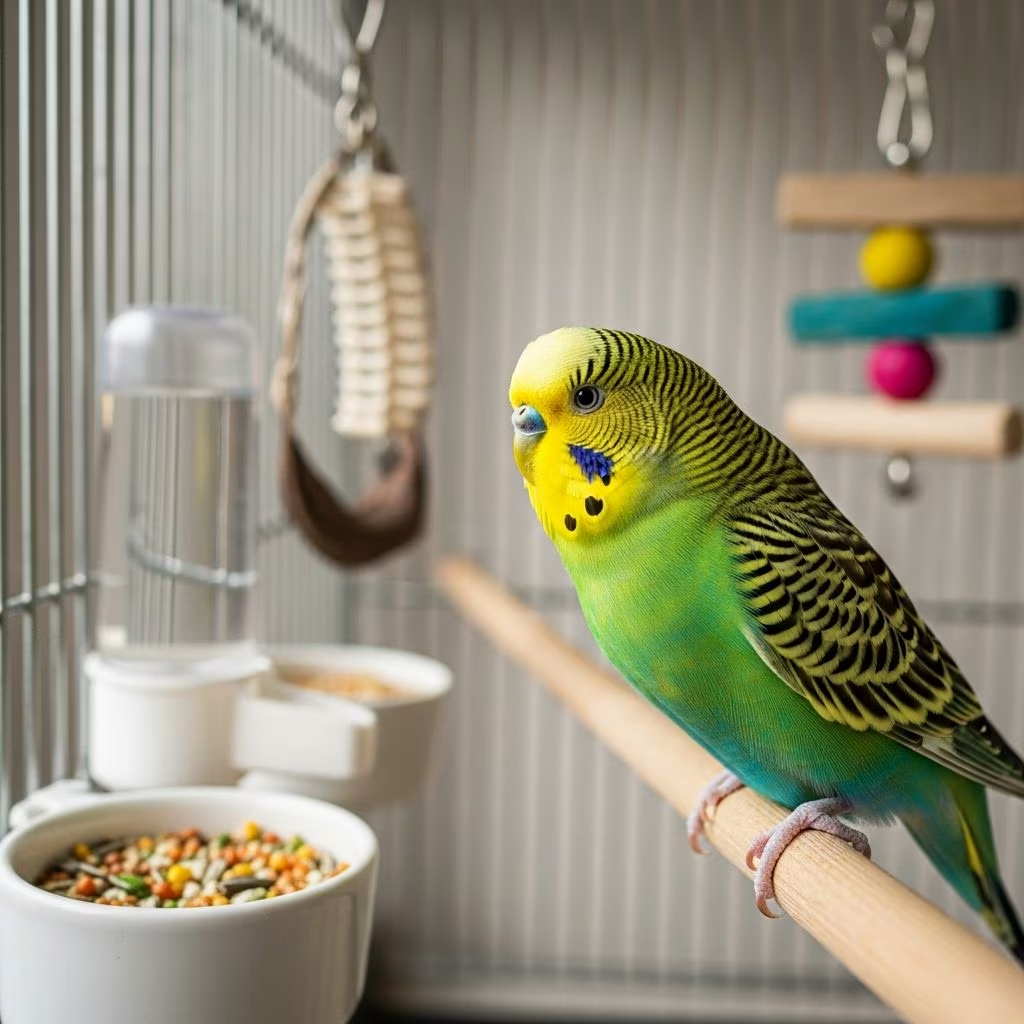
Budgies, also known as budgerigars or parakeets, are among the most popular pet birds worldwide. These small, colorful companions are relatively easy to care for compared to larger bird species, yet they require specific attention to thrive. Whether you’re a first-time bird owner or an experienced pet enthusiast, understanding the fundamentals of budgie care is essential to ensuring your feathered friend lives a long, healthy, and happy life.
Understanding Budgies and Budgerigars
Budgies are native to Australia and have been domesticated for over 150 years. The term “budgerigar” comes from the Aboriginal word “betcherrygah,” meaning “good eating,” though today they’re prized as affectionate companions rather than food sources. These small parakeets typically measure 7-8 inches in length and weigh between 25-35 grams. Their intelligence, playful nature, and ability to mimic sounds make them ideal pets for individuals and families alike.
Selecting and Setting Up the Perfect Cage
The cage is your budgie’s primary home, making proper selection and setup crucial for their well-being. Unlike other pets, budgies spend significant time in their cages, so the environment must support both physical and mental health.
Cage Size and Specifications
A minimum cage size of 18 inches wide and long provides adequate space for a single budgie to move around comfortably. However, larger cages are always preferable, as they allow more room for exercise and exploration. Cage length is more important than height, as budgies fly horizontally rather than vertically. Bar spacing should be no more than half an inch to prevent your budgie from squeezing through or getting their head stuck.
Cage Materials and Design
Choose cages made from stainless steel or powder-coated materials that won’t chip or rust over time. Avoid cages with painted bars, as budgies are natural chewers and may ingest harmful paint particles. The cage should have a removable bottom tray for easy cleaning and multiple access points for your budgie to enter and exit safely.
Perches and Accessories
Natural wood perches of varying diameters are ideal, as they provide better grip and promote nail health compared to plastic alternatives. Install perches at different heights throughout the cage to encourage climbing and movement. Avoid placing perches directly above food and water bowls to prevent contamination from droppings. Include shredable toys, swings, bells, and interactive toys to keep your budgie mentally stimulated and entertained.
Lighting Requirements
Budgies require 12 hours of light and 12 hours of darkness daily to maintain healthy circadian rhythms. In reproductive females, this cycle may be reduced to 8-10 hours to discourage breeding behavior. When natural sunlight is limited, use a full-spectrum UV light designed specifically for birds for 10-12 hours per day. This helps prevent vitamin D deficiency and supports overall health.
Nutrition and Feeding Your Budgie
Proper nutrition is fundamental to your budgie’s health, longevity, and vibrant plumage. A well-balanced diet should include seeds, pellets, fresh produce, and essential supplements.
Daily Food Requirements
Provide one day’s portion of fresh food daily, discarding any uneaten food from the previous day to prevent spoilage and bacterial growth. A combination of high-quality pellets and seeds should form the base of your budgie’s diet. Pellets offer more balanced nutrition, while seeds can be offered as treats or mixed with pellets.
Fresh Produce and Treats
Budgies benefit from fresh fruits and vegetables, which should be offered daily but removed within a few hours to prevent spoilage. Safe options include leafy greens, carrots, broccoli, berries, and apples. Seeds like millet can be offered as occasional treats but should not become staple foods, as they can contribute to obesity. Treats are excellent tools for training and building trust with your budgie.
Essential Supplements
Include a cuttlebone and mineral block in your budgie’s cage to provide essential calcium and minerals. These items support bone health, feather quality, and overall well-being. Some owners use liquid vitamin and mineral supplements, though these are typically consumed through fresh fruits and vegetables.
Water Management
Fresh, clean water must be available at all times. Change water daily to prevent bacterial buildup and contamination. Use a water dispenser bottle with a ball bearing mechanism that your budgie can operate with minimal effort. Inspect the dispenser regularly for blockages or algae growth.
Grooming and Hygiene
Regular grooming maintains your budgie’s health and appearance while strengthening your bond through gentle handling.
Bathing
Budgies are naturally clean birds that enjoy bathing 3-5 times per week. You can provide a shallow dish of water in the cage where budgies can splash and clean their feathers naturally. For birds that don’t bathe independently, use a mist water bottle sprayer or shower perch to encourage bathing. Never force your budgie to bathe; simply provide the opportunity and allow them to decide when to participate. After bathing, ensure they have access to a safe, well-ventilated perch to dry their wet feathers.
Nail and Beak Maintenance
Budgie nails can become long and sharp, making routine trimming necessary for comfortable handling and to prevent snagging on fabrics. However, healthy budgies should not need their beaks trimmed, as daily use naturally maintains them properly. If you notice overgrowth in either nails or beak, consult an avian veterinarian.
Wing Trimming
Routine wing trimming prevents escape and injury when flying indoors. This procedure should be repeated every few months as flight feathers are naturally replaced. Discuss wing trimming options with your veterinarian to ensure it’s performed safely.
Cage Cleaning and Maintenance
A clean environment prevents disease and promotes your budgie’s health and happiness.
Daily Cleaning Tasks
Perform daily spot cleaning to remove soiled bedding and discarded food. Clean the bottom of the cage every 2 days or as soon as it looks messy. Wash food and water bowls daily to eliminate bacteria and prevent contamination. This routine maintenance keeps the cage sanitary and safe.
Weekly Deep Cleaning
Change cage lining materials weekly for a solo budgie or more frequently for multiple birds. Use a 3% bleach solution or pet-safe, non-aerosolized habitat cleaner according to manufacturer recommendations. Thoroughly rinse and dry all surfaces before reassembling the enclosure. Inspect perches and toys daily for wear and damage, replacing any worn items immediately.
Socialization and Behavioral Development
Budgies are highly social birds that thrive on interaction and mental stimulation. Building a strong bond with your budgie requires patience, consistency, and understanding of their natural behaviors.
Initial Settling Period
When you first bring your budgie home, allow them to acclimate to their new environment for about a week before attempting major interactions. During this time, maintain their routine by changing water daily and refilling food as needed. Keep the cage in a quiet, secure location where your budgie feels safe.
Building Trust Through Taming
After the initial week, your budgie is ready for taming and social interaction. Start by offering treats like millet sprays or small vegetable pieces from your hand. Hand-feeding is an excellent way to build trust and establish a connection with your budgie. Speak softly and move slowly to avoid startling them. Consistency and patience are key to developing a tame, friendly budgie.
Flight Time and Exercise
Budgies are naturally active and love to fly, requiring at least 1-2 hours of flight time daily in a safe, enclosed room. This exercise is essential for their physical health and mental stimulation. Before allowing your budgie out of the cage, ensure all windows and doors are securely closed to prevent escape. Remove potential hazards, secure any cats or other predators, and provide safe perches for landing.
Mental Stimulation
Budgies thrive on stimulation through interactive toys, swings, bells, and shreddable items. Regularly change toy positions to prevent boredom and encourage exploration. Rotate toys weekly to maintain novelty and engagement. However, avoid offering mirrors or bells to females, especially egg-laying females, as these can stimulate breeding behavior.
Health Monitoring and Veterinary Care
Regular health monitoring and professional veterinary care are essential to detecting and treating health issues early.
Initial Health Check
Take your new budgie to an avian veterinarian for a thorough checkup immediately after bringing them home. This establishes baseline health status and allows the vet to diagnose any existing issues. Follow any treatment plans and medication instructions carefully, administering correct dosages at proper times.
Annual Check-ups
Budgies should visit an avian veterinarian at least once yearly for routine check-ups. These appointments help catch health issues before they become serious and maintain preventive care.
Signs of Illness to Monitor
Watch for abnormal breathing, discharge from eyes or beak, mucus on feathers, abnormal behavior, weight loss, or unusual droppings. A calm, fluffy budgie may indicate molting or illness. If you notice any concerning signs, contact your veterinarian immediately for professional evaluation and treatment.
Creating an Ideal Cage Environment
The physical placement and setup of your budgie’s cage significantly impacts their well-being and your interaction with them.
Cage Placement
Position the cage in a location where your budgie spends most of their time close to you, fostering a strong bond. Ideal locations include living areas where family members regularly gather. Avoid kitchens due to cooking fumes, drafts, and temperature fluctuations. Keep the cage away from direct sunlight for extended periods and away from sleeping areas to ensure proper dark-cycle rest.
Environmental Safety
Ensure the cage is secure and protected from household hazards. Keep toxic substances, non-stick cookware, and aerosol products away from your budgie’s area. Maintain a stable temperature between 65-75°F, as budgies are sensitive to extreme heat and cold.
Frequently Asked Questions
Q: How long do budgies typically live?
A: With proper care, budgies typically live 8-12 years, with some individuals living into their late teens. Factors affecting lifespan include diet quality, veterinary care, exercise, and overall living conditions.
Q: Can budgies be housed together?
A: Yes, budgies are social birds and can be housed together, especially if raised together from a young age. However, ensure the cage is large enough for multiple birds and monitor their interactions for signs of aggression or stress.
Q: Do budgies require toys?
A: Absolutely. Toys are essential for mental stimulation and entertainment. Without adequate toys and enrichment, budgies can develop behavioral problems and depression. Rotate toys regularly to maintain interest.
Q: Can budgies learn to talk?
A: Yes, budgies are excellent mimics and can learn to speak words and phrases. Some budgies develop vocabularies of several hundred words. Training requires patience and repetition, but the effort results in entertaining and engaging interactions.
Q: What should I do if my budgie escapes?
A: If your budgie escapes, immediately secure your home by closing all windows and doors. Search thoroughly and place familiar items like their cage outside to help them recognize home. Contact local animal shelters and post on social media to alert your community.
Conclusion
Budgies are rewarding companions that bring joy and entertainment to households worldwide. By providing proper housing, nutrition, healthcare, and socialization, you create the foundation for a long and healthy relationship with your feathered friend. The investment in quality care pays dividends through years of companionship, entertainment, and affection. Whether you’re preparing for your first budgie or enhancing care for an existing pet, following this comprehensive guide ensures your budgie thrives as a cherished family member.
References
- BUDGIE CARE: The Complete Guide to Happy & Healthy Parakeets — Educational Video Resource. 2024. https://www.youtube.com/watch?v=Wf9zc9v6wUI
- Budgie Care Sheet — PetMD. 2024. https://www.petmd.com/bird/budgie-care-sheet
- Budgie Care — Chicago Exotics Animal Hospital. 2024. http://www.exoticpetvet.com/budgie-care.html
- How to Take Care of a Budgie, Parakeet: All The Basics and more — Educational Video Resource. 2024. https://www.youtube.com/watch?v=PDXyCx6jefo
- Basic Information Sheet: Parakeet — LafeberVet, Lafeber Company. 2024. https://lafeber.com/vet/basic-information-sheet-for-the-parakeet/



