
Budgerigar Facts: What to Know About Budgies
Complete guide to budgerigar care, behavior, and facts for pet owners.
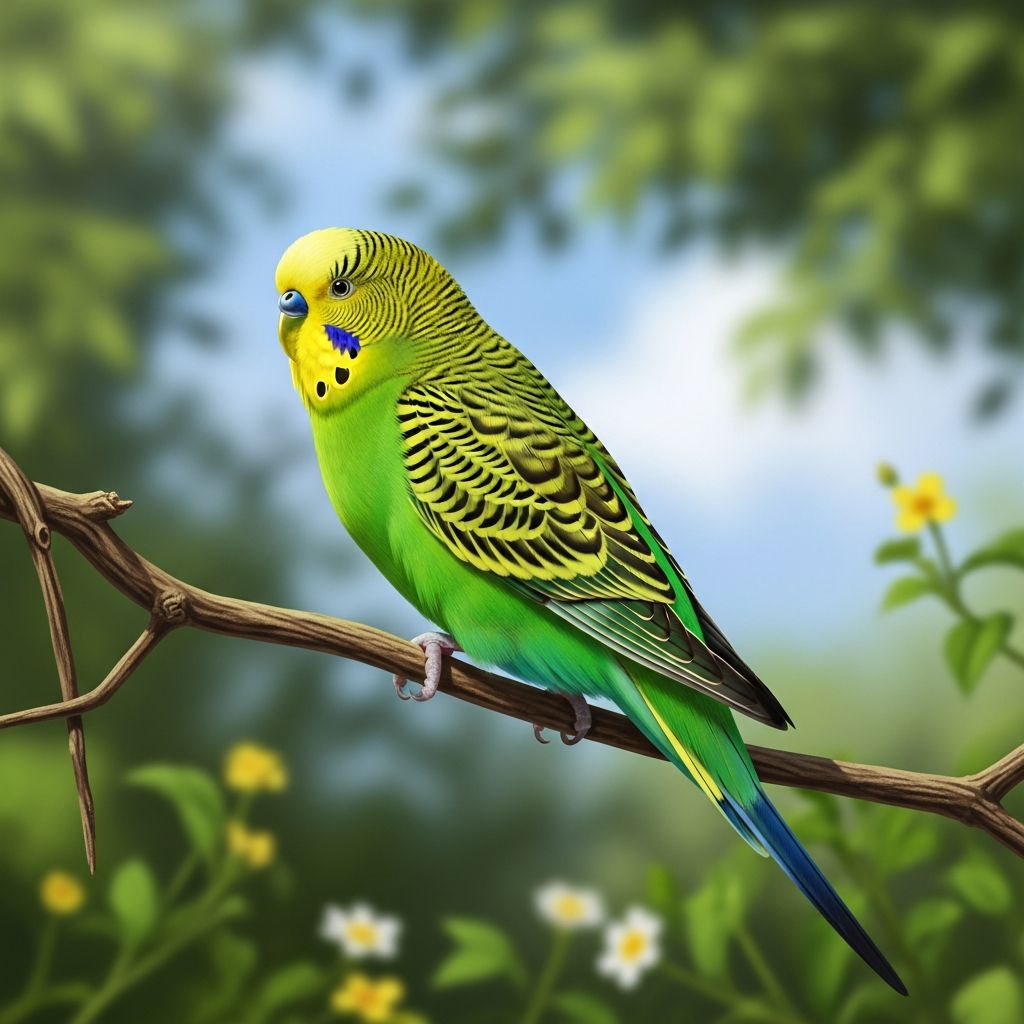
Budgerigar Facts: What to Know About the Budgerigar
Budgerigars, commonly known as budgies or parakeets, are among the most popular pet bird species worldwide. These small, colorful, and affectionate companions have captured the hearts of bird enthusiasts for generations. Whether you’re considering bringing a budgie into your home or you already have one, understanding the fundamentals about these delightful birds is essential for providing them with optimal care and ensuring a long, healthy life together.
What Is a Budgerigar?
A budgerigar is a small, long-tailed parrot native to the grasslands of Australia. The scientific name for budgerigars is Melopsittacus undulatus, which translates to “song-parrot with wavy lines,” referring to the distinctive wave-like markings found on their plumage. Budgies are also commonly called parakeets, though this term can refer to various small parrot species. These social and intelligent birds thrive in large flocks in their native Australian habitat, and this social nature carries over into their behavior as pets.
Budgerigars are known for their vibrant coloring, playful personalities, and ability to mimic sounds and even words. Their compact size and relatively simple care requirements make them excellent pets for beginners as well as experienced bird owners. With proper care, these charming birds can become affectionate and interactive companions.
Physical Characteristics and Appearance
Budgerigars have distinctive physical features that make them easily recognizable among other bird species. An adult budgerigar typically measures about 7 inches in length from head to tail and weighs between 30 and 45 grams. Despite their small size, budgies have a sturdy and well-proportioned body structure that reflects their Australian heritage.
There are two main types of budgerigars recognized among pet birds: the American and the English varieties. The American budgerigar maintains the body type typical of wild budgerigars, while the English variety is slightly larger, particularly in the head region. Both types display the characteristic wave-like markings across their feathers that give the species its distinctive appearance.
Young budgies have notable visual differences from adults. Hatchlings and juveniles display dark brown eyes and barring patterns that extend from the top of the head, crossing the forehead and extending to the cere area (the fleshy area above the beak). As the bird matures, these markings fade, the eyes lighten in color, and the bird develops its full adult plumage. Budgerigars come in various color mutations, including green, blue, yellow, white, and combinations thereof, making them visually appealing to many pet owners.
Lifespan and Longevity
The average lifespan of a budgerigar with proper care ranges from 10 to 12 years, though some sources indicate they typically live 8 to 10 years. Several factors significantly influence how long a budgie will live, including diet quality, living environment, exercise opportunities, and regular veterinary care. Budgies that receive optimal nutrition, appropriate housing, mental stimulation, and preventive healthcare tend to live longer and healthier lives.
Unfortunately, various health conditions can severely shorten a budgerigar’s lifespan. Nutritional deficiencies, obesity, liver disease, kidney disease, and heart disease are common conditions that can reduce life expectancy. Providing a balanced diet, maintaining a healthy weight, and scheduling regular veterinary checkups are crucial steps in maximizing your budgie’s longevity and quality of life.
Diet and Nutrition
Budgerigars are granivorous birds, meaning they are seed and grain eaters by nature. However, a proper pet budgie diet extends beyond seeds alone. A well-balanced diet forms the foundation of good health and longevity in budgies.
Pellet-Based Diets
Pelleted diets have been carefully formulated to meet the specific nutritional needs of pet parrots, including budgies. High-quality pellet food should comprise 60 to 70 percent of your budgie’s total food intake. If your budgie is not accustomed to pellets, you can gradually introduce them by mixing pellets with their current seed diet, gradually increasing the proportion over time. This transition should be done slowly to ensure your bird accepts the new food and maintains proper nutrition.
Fruits, Vegetables, and Treats
Fresh fruits and vegetables should represent about 30 to 40 percent of your budgie’s total diet. Healthy vegetable and fruit options include berries, melons, papaya, broccoli, sweet potatoes, pea pods, and bell peppers. These foods provide essential vitamins, minerals, and fiber that contribute to overall health. Treats, including fortified seeds and millet sprays, should make up no more than 10 percent of your budgie’s daily intake to prevent nutritional imbalances and obesity.
Supplements and Calcium
Mineral blocks or cuttlebone should be provided as supplementary sources of calcium and trace minerals. These supplements are necessary for budgies to maintain strong bones, healthy beaks, strong nails, and vibrant feathers. Calcium is particularly important for female budgies, as they require adequate calcium stores for potential egg production.
Housing and Cage Requirements
Proper housing is fundamental to your budgerigar’s health and well-being. The minimum recommended cage size for a budgie is 18 inches wide by 18 inches deep by 18 inches high. However, larger cages provide more space for exercise and enrichment, which is always beneficial.
Cage Setup and Essentials
A properly equipped budgie cage should include several essential elements:
- Multiple perches of varying sizes, heights, textures, and materials (including rope perches)
- Food and water dishes
- Toys for mental stimulation
- A play gym or T-stand for out-of-cage activity
- A misting bottle and/or large crock for bird baths
- Nail clippers and styptic powder for grooming maintenance
- A fluorescent UVB bulb and appropriate housing for lighting
- A cage cover for nighttime rest
Bedding and Flooring
The bottom of your budgie’s cage should be lined with paper for easy daily cleaning and monitoring of droppings. Suitable bedding options include newspaper, paper towels, plain paper packaging, brown paper bags, and butcher paper. Avoid sandpaper floor paper or corn cob bedding, as corn cob can be ingested and cause serious intestinal obstructions. Additionally, corn cob can develop molds when exposed to moist foods and feces.
Perches and Safety
Budgie perches should be offered in various sizes, heights, textures, and materials to ensure your bird can exercise its feet and maintain healthy grip strength. Perches should be a minimum of 4 inches long and 3/8 inch in diameter. Wider perches may limit proper gripping ability, which can lead to falls and other serious injuries. Regularly inspect perches for wear and damage, as deteriorating perches can pose safety risks.
Cage Maintenance and Cleaning
Regular cage maintenance is essential for preventing health problems and ensuring a clean, safe environment for your budgerigar. Your budgie’s cage should be checked daily, with feces and spoiled food wiped clean from perches, cups, and cage bars to prevent the buildup of bacteria and harmful substances.
Daily and Weekly Cleaning
Cage paper should be changed every day or every other day, depending on the level of soiling. Check the metal parts and bars of your bird’s cage periodically for chipped paint and rust, which can cause serious health issues if your budgie chews or swallows any flaked pieces. Any damaged areas should be addressed immediately.
Deep Cleaning
The entire cage should be thoroughly cleaned at least once every month using appropriate cleaning solutions:
- A mild dishwashing liquid in warm water
- Vinegar and water in a 1:8 dilution
- Bleach and warm water in a 1:32 dilution
Cage furniture should also be scrubbed clean using the same dilutions. After cleaning with any of these solutions, rinse all soap and bleach thoroughly with plain water before reintroducing your pet to its enclosure. Never mix vinegar and bleach, as this creates a toxic solution that can harm your bird.
Grooming and Hygiene
Proper grooming and hygiene practices are important for maintaining your budgerigar’s health and comfort. All budgies should be gently misted with water to help them maintain their feathers and stay clean. A misting bottle can provide a refreshing shower that budgies typically enjoy.
Signs of a Healthy Budgie
A healthy budgerigar should display several key physical characteristics:
- Ideal body condition as recommended by your veterinarian
- Smooth, brightly colored feathers that are mostly smoothed to the body at rest
- Clear, bright eyes with no discharge
- No nasal discharge or discoloration above the nares
- Smooth skin without cracked, swollen, or thickened areas
- No sticky material or discoloration around the vent
- No visible swellings
- Formed droppings of green-brown color with a small amount of white and minimal wetness
Your budgie should be interested in communicating through chirps, clicks, whistles, and learned words, though some birds may be naturally shy or more reserved in their vocalizations.
Common Health Problems and When to See a Veterinarian
While budgerigars are generally hardy birds, they are susceptible to several health conditions. An annual physical examination by a board-certified avian or exotic animal practitioner is recommended to maintain optimal health and catch potential issues early. During an exam, your veterinarian may perform a fecal test to look for intestinal parasites and bacteria.
Signs Requiring Immediate Veterinary Attention
Contact your veterinarian immediately if you notice any of the following signs:
- Fluffed feathers, missing patches of feathers, or feathers being purposely plucked
- Evidence that your bird has stopped grooming
- Bird sitting still and low on the perch with a puffed-up appearance or drooping wings, or staying at the bottom of the cage
- Beak swelling or unusual marks on the cere
- Nasal discharge, eye discharge, wheezing, or coughing
- Any change in stools including color or consistency
- Loss of appetite
- Favoring of one foot, holding a wing differently, or presence of any blood
- Visible swellings on the skin or cracked areas
- Discoloration around the vent or fecal material sticking to the vent
- Loose or watery droppings
- Discolored droppings that are unusual for your bird
- Sneezing, tail bobbing, or open-mouth breathing
- Seizures, lack of balance, or visible changes to the face, feet, or legs
- Skin growths or overgrown beak or nails
Common Illnesses in Budgies
Several illnesses are commonly seen in budgerigars and should be monitored for:
- Tumors: Cancerous growths that can affect various organs and body systems
- Goiters: Enlargement of the thyroid gland
- Low Vitamin A: Can cause pressure sores on feet, overgrown beaks, and fragile feathers
- Scaly Leg and Face Mites: Parasitic infections affecting the skin
- Obesity: Weight gain leading to various health complications
- Liver Disease: Potentially serious organ dysfunction
- Parasites: Internal and external parasitic infections
- Foot Disorders: Various conditions affecting foot health and mobility
Behavior and Communication
Budgerigars are highly social and communicative birds. In their natural habitat, they thrive in large flocks, and this social nature remains evident in captive budgies. These birds are known for their ability to vocalize regularly with chirps, clicks, whistles, and learned words. Pet budgies can learn to imitate sounds and words repeated by their owners, making them excellent interactive companions.
Budgies are intelligent and enjoy mental stimulation through toys, foraging activities, and interaction with their owners. Providing a stimulating environment with varied toys and regular interaction helps prevent behavioral problems and ensures your budgie remains happy and engaged.
Budgie Care Difficulty Level
Budgerigars are classified as beginner-level pet birds in terms of care difficulty. They adapt well to most environments and require relatively little specialized care compared to some other parrot species. This makes them an excellent choice for first-time bird owners. However, while they may be easier to care for than larger parrots, budgies still require commitment to proper nutrition, housing, hygiene, and veterinary care to thrive.
Are Budgies Good Pets?
Yes, budgerigars make excellent pets for a wide range of people, from children to seniors. Their small size, affectionate nature, ability to learn and communicate, and relatively simple care requirements make them ideal companions. Budgies are colorful and highly social birds that adapt well to most environments. With proper care and attention, a budgerigar can be a rewarding and long-lasting companion that brings joy to your household.
Frequently Asked Questions About Budgerigars
Q: How long do budgerigars live?
A: With proper care, budgerigars typically live 10 to 12 years. Some may live 8 to 10 years, while others with exceptional care might live even longer. Life expectancy depends on diet, housing, exercise, and veterinary care.
Q: Can budgies talk and learn words?
A: Yes, budgies can learn to imitate sounds and words repeated by their owners. They chirp, whistle, and click naturally, and many become quite proficient at mimicking human speech with consistent training.
Q: What should I feed my budgie?
A: A high-quality pellet diet should comprise 60 to 70 percent of your budgie’s food. Supplement with fresh fruits and vegetables (30-40% of diet) and limit treats to no more than 10 percent of daily intake. Provide calcium supplements through mineral blocks or cuttlebone.
Q: How often should I clean my budgie’s cage?
A: Daily monitoring and spot cleaning are essential. Cage paper should be changed every day or every other day. Complete cage cleaning with appropriate disinfectants should occur at least once monthly.
Q: What is the minimum cage size for a budgie?
A: The minimum recommended cage size is 18 inches wide by 18 inches deep by 18 inches high. However, larger cages provide more space for exercise and enrichment, which is beneficial for your budgie’s well-being.
Q: How often should budgies visit the veterinarian?
A: An annual physical examination by a board-certified avian or exotic animal practitioner is recommended. During this visit, your vet can assess your budgie’s health and perform necessary tests such as fecal examinations.
References
- Budgerigar Care Sheet — PetMD. 2024. https://www.petmd.com/bird/budgie-care-sheet
- Budgerigar: Specialized Care for Avian & Exotic Pets — Buffalo Bird Nerd. 2016. https://www.buffalobirdnerd.com/storage/app/media/PSPBudgerigar2016.pdf
- Parakeet (Budgie) Care Sheet — Chewy. 2024. https://www.chewy.com/education/bird/parakeet/budgie-budgerigar
- Budgerigar — Britannica. 2024. https://www.britannica.com/animal/budgerigar
- Parakeet Care Sheet — PetMD. 2024. https://www.petmd.com/bird/parakeet-care-sheet
Similar Articles








Read full bio of medha deb


