

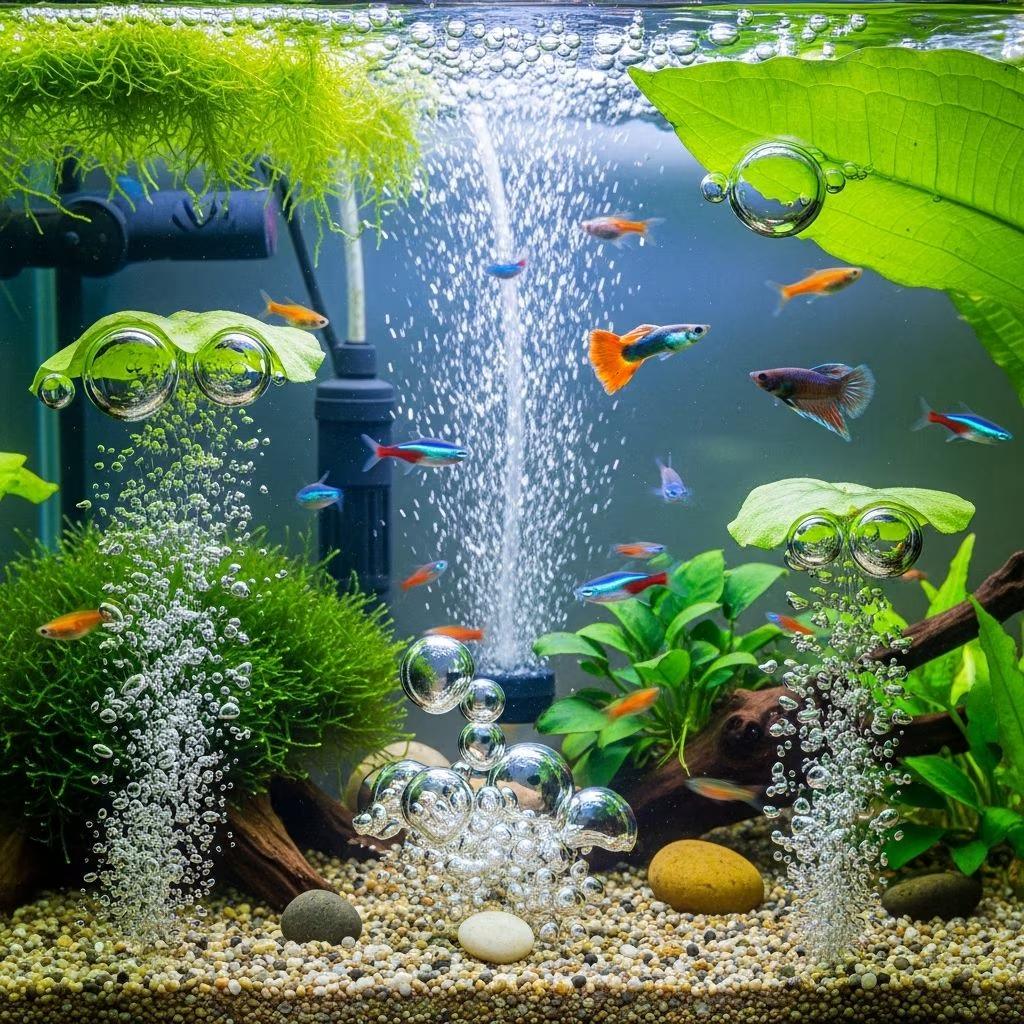
Bubbles forming in a fish tank can range from completely normal to indicators of underlying issues affecting water quality and inhabitant health. Understanding their origins helps aquarists maintain a balanced ecosystem.
Common Sources of Bubbles in Aquariums
Aquarium bubbles often stem from everyday operations or subtle imbalances. Here’s a breakdown of frequent culprits.
Aeration Equipment and Air Pumps
Air pumps connected to airstones, sponge filters, or decorative bubblers introduce air directly into the water, creating visible streams of transparent bubbles that rise and pop at the surface. This process enhances oxygen exchange, vital for fish respiration, especially in densely stocked tanks. These bubbles are harmless and dissolve quickly upon reaching the top.
In high-tech planted setups, CO2 injection systems for plant growth can also generate fine bubbles, mimicking air pump effects while supporting photosynthesis.
Filter Systems and Water Flow Dynamics
Hang-on-back (HOB) filters, canister units, or powerheads often produce tiny micro-bubbles due to turbulent water movement. If the filter intake or output disrupts the surface excessively, air gets entrained, forming a frothy layer. Worn O-rings or loose hose connections in canister filters exacerbate this by allowing air leaks.
Surface agitation from these devices is beneficial for gas exchange but, when overdone, traps excess air, leading to persistent foam.
Water Changes and Temperature Fluctuations
Freshwater added during maintenance frequently carries dissolved gases from tap sources or cooling pipes. Cold incoming water holds more oxygen; as it warms to tank temperature, gases supersaturate and form clinging micro-bubbles on glass, substrate, plants, and decor. This is temporary, typically clearing within hours, but large volume changes amplify the effect and may stress fish via parameter shifts.
When Bubbles Signal Water Quality Problems
Not all bubbles are benign; some point to waste accumulation or chemical disruptions requiring immediate attention.
Organic Waste and Ammonia Buildup
Uneaten food, fish excretions, and decaying matter break down via bacterial action, releasing gases like CO2 and methane. High ammonia from overfeeding or overstocking creates foam, especially noticeable with active bubblers, similar to runoff in natural waterways.
Test for ammonia spikes using reliable kits; levels above 0 ppm demand action to prevent gill damage and fatalities.
Dissolved Organics and Protein Films
Proteins, oils from fish food, or hand residues form a slick biofilm atop the water, trapping bubbles into oily sheens. This hinders oxygenation, fostering low-oxygen zones harmful to fish.
Chemicals, Medications, and Residues
Medications alter water viscosity, slowing bubble dissipation and causing foam. Surfactants in some conditioners or cleaners leave residues that froth up. Always rinse equipment thoroughly and avoid soaps.
Advanced Causes in Specialized Setups
Protein Skimmers in Saltwater Tanks
Marine hobbyists use skimmers to extract organics, but improper tuning generates excessive foam. Routine cleaning prevents this.
Biological and Microbial Gas Production
Anaerobic bacteria in low-oxygen pockets produce methane bubbles from substrate waste. Balanced filtration and gravel vacuuming mitigate this.
Diagnosing Bubble Types: A Quick Reference Table
| Bubble Type | Appearance | Likely Cause | Action Needed |
|---|---|---|---|
| Clear, fast-popping | Transparent streams from bottom | Air pump or CO2 | None – normal |
| Micro-bubbles on surfaces | Tiny, clingy on glass/plants | Water change gases | Wait or gently agitate |
| Oily foam film | Rainbow sheen, persistent | Oil slick/organics | Increase surface agitation |
| Thick froth with bubbler | White foam buildup | Ammonia/meds | Test water, treat cause |
| Filter-generated haze | Fine cloud from equipment | Air leaks/O-rings | Inspect and seal |
Step-by-Step Fixes for Bubble Issues
Address bubbles systematically to restore clarity without harming livestock.
- Assess Equipment: Check air pumps, filters for leaks. Submerge hoses fully; replace O-rings if worn.
- Optimize Water Changes: Match temperatures precisely. Acclimate new water slowly; use dechlorinators without surfactants.
- Boost Surface Movement: Direct filter outflows upward or add gentle bubblers to break films.
- Clean Thoroughly: Vacuum gravel weekly, perform 20-30% changes. Avoid overfeeding.
- Test Parameters: Monitor ammonia, nitrite, nitrate, pH. Target ammonia at 0 ppm.
- Skimmer Tuning (Reef Tanks): Adjust collection cups; clean weekly.
Preventive Maintenance for Bubble-Free Tanks
Proactive habits keep bubbles minimal and ecosystems stable.
- Feed sparingly: What fish eat in 2-3 minutes daily.
- Stock appropriately: Follow the 1-inch-fish-per-gallon rule loosely, prioritizing bioload.
- Regular testing: Weekly checks for key parameters.
- Filter media rotation: Rinse biological media in tank water to preserve bacteria.
- Floating plant control: Trim excesses blocking surface.
Frequently Asked Questions (FAQs)
Are bubbles always bad for my fish?
No, aeration bubbles oxygenate water beneficially. Persistent foam or films warrant investigation.
How do I remove micro-bubbles quickly?
Gently wipe surfaces or increase circulation. They dissipate naturally in 1-24 hours.
Can bubbles harm fish directly?
Indirectly, via poor quality they signal. Gas bubble disease from supersaturation is rare in home setups.
Why more bubbles after adding medication?
Many thicken water, prolonging bubble life. Reduce aeration temporarily; monitor health.
Do bubbles indicate overfiltration?
Excessive agitation does, not filtration itself. Balance flow for ripple, not rapids.
Long-Term Aquarium Health Strategies
Beyond bubbles, holistic care ensures vibrancy. Invest in quality test kits, auto-top-off for stability, and live plants for natural filtration. Join communities for setup-specific advice. Consistent routines yield thriving tanks where bubbles serve oxygenation, not stress signals.
For new tanks, expect settling bubbles from uncured silicone or decorations; patience and cycling prevent early issues.
References
- Decoding 7 Causes of Bubbles and Foam in Your Aquarium Water — Intan Aquarium Feeds. 2023. https://intanaquariumfeeds.com/blogs/articles/decoding-7-causes-of-bubbles-and-foam-in-your-aquarium-water
- 7 Reasons Why Your Aquarium Water Has Bubbles or Foam — Aquarium Co-Op. 2023. https://www.aquariumcoop.com/blogs/aquarium/bubbles-in-fish-tank-water
- Best Way to Get Rid of Micro Bubbles in Your Aquarium FAST! — YouTube (Water&Scales channel). 2023. https://www.youtube.com/watch?v=VcKV9V59Z0Q
- 5 Reasons Your Aquarium FILTER has BUBBLES — YouTube. 2023. https://www.youtube.com/watch?v=9sVMr_N_so8
- Bubbles in an Aquarium: Filling your Tank from New — Real Aquatics. 2023. https://realaquatics.co.uk/blogs/news/bubbles-in-an-aquarium-filling-your-tank-from-new



