

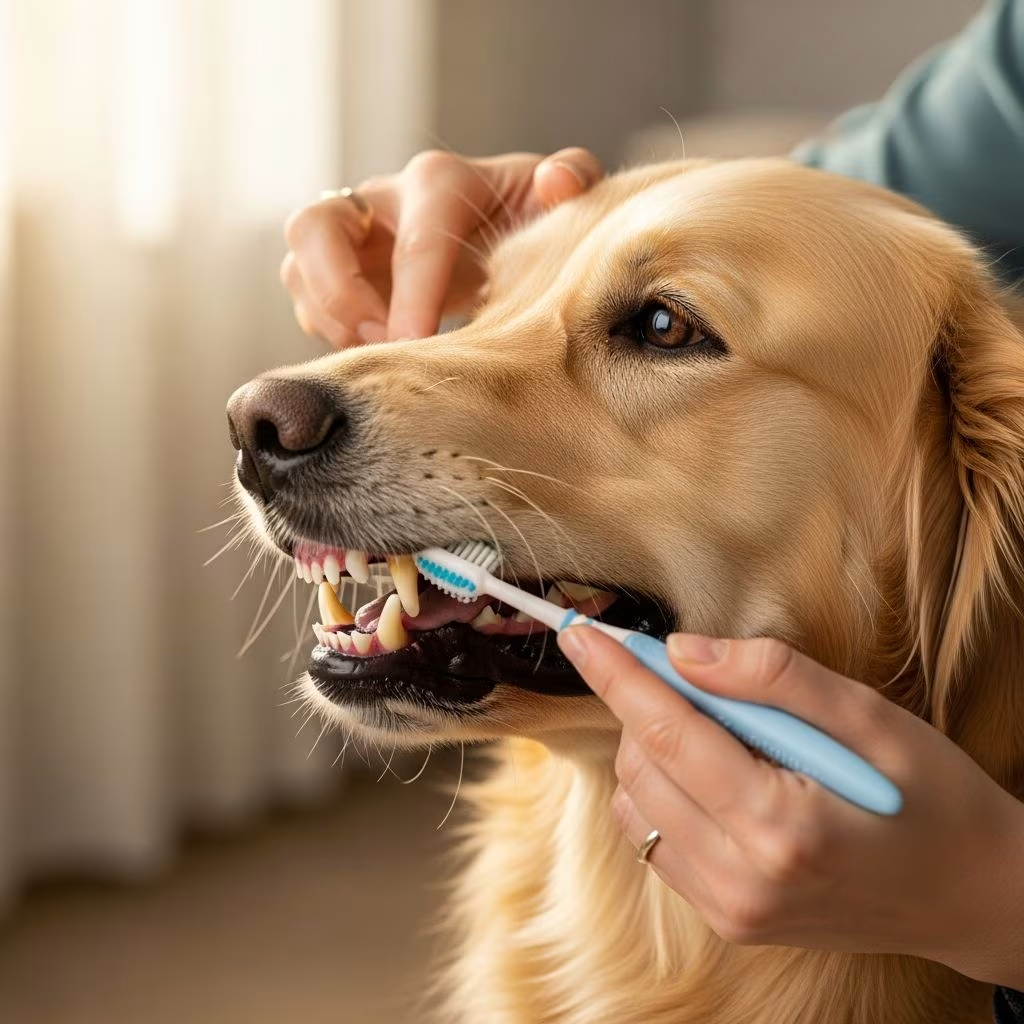
Brushing Your Dog’s Teeth: A Complete Guide to Maintaining Canine Dental Health
Just like humans, dogs require regular dental care to maintain healthy teeth and gums. One of the most effective ways to prevent dental disease and maintain your dog’s oral health is through regular tooth brushing. Many pet owners overlook this crucial aspect of pet care, but establishing a consistent brushing routine can significantly reduce the risk of periodontal disease, tooth decay, and other oral health complications. This comprehensive guide will walk you through everything you need to know about brushing your dog’s teeth, from selecting the right tools to mastering proper brushing techniques.
When Should You Brush Your Dog’s Teeth?
Establishing the right brushing schedule is fundamental to effective canine dental care. Ideally, you should brush your dog’s teeth at least twice daily, similar to the recommended frequency for humans. For many dogs, once brushing becomes incorporated into their daily routine, they will begin to expect and even enjoy the experience. However, recognizing that not all pet owners can commit to twice-daily brushing, veterinarians recommend a minimum standard: brushing your dog’s teeth at least three times per week helps remove plaque and prevents tartar accumulation.
The key to success is consistency rather than intensity. When you establish a regular brushing schedule, your dog becomes accustomed to the process and may actually look forward to this bonding time with you. The more frequently you brush—ideally daily—the more effective you’ll be at preventing the buildup of plaque and tartar that can lead to serious dental problems.
Preparing Your Dog for Tooth Brushing
Before you begin brushing your dog’s teeth, it’s essential to set up the right environment and position yourself comfortably. Preparation is key to making the experience positive for both you and your pet.
Creating the Right Environment
Choose a quiet time and place to begin your tooth brushing sessions. Selecting a calm environment helps your dog feel relaxed and reduces anxiety about the process. Avoid times when your dog is excited, playful, or stressed. Many dogs respond best to training during calm periods of the day.
Proper Positioning Techniques
How you position your dog depends on their size and your comfort level. For smaller dogs that are manageable, hold your dog securely in your lap with their head facing away from you. This position gives you optimal access to their mouth while keeping them stable. For larger dogs, sit on a chair or the floor and have your dog sit beside you so that you can comfortably handle their mouth and teeth. The goal is to find a position where you can reach your dog’s mouth easily without straining yourself or making your dog uncomfortable.
Gradual Introduction to Tooth Brushing
Training your dog to accept tooth brushing requires patience and gradual progression. Rushing the process can create negative associations with dental care.
Step 1: Getting Comfortable with Touch
Begin by rubbing your finger or a soft cloth over the outer surfaces of your dog’s teeth, using a back-and-forth motion, focusing on the area where the gum touches the tooth surface. Stay on the outside surfaces of the teeth to avoid being accidentally bitten. For the first few lessons, it’s advisable to rub the cloth along only a few teeth rather than the entire mouth, especially if your pet is unsure or nervous about the process. This gradual approach builds your dog’s confidence and comfort with having their mouth handled.
Step 2: Introducing Pet Toothpaste
Once your dog is comfortable with you rubbing their teeth, let them taste a small amount of pet toothpaste from your finger. This is a critical step—it’s essential that you use only pet toothpaste and never use human toothpaste, as it is not formulated to be swallowed. Many human toothpastes contain fluoride and other ingredients that can upset your dog’s digestive system and may be toxic when ingested. Pet toothpastes are specifically formulated with ingredients safe for dogs and often have flavors that make the experience more pleasant, such as beef, chicken, or mint.
Once your dog has accepted the taste of pet toothpaste, apply a small amount to the cloth and rub it over the teeth. This familiarization process helps your dog develop a positive association with the toothpaste and the brushing routine.
Step 3: Introducing the Toothbrush
Once your dog is accustomed to you rubbing their teeth with a cloth, it’s time to introduce an actual toothbrush. You can make this transition more comfortable by putting a dab of toothpaste on the toothbrush and letting your dog lick it off several times before attempting to brush. Some pet owners find success by placing the toothbrush on the front teeth for just a moment, removing it, and allowing the dog to lick their gums to taste any remaining toothpaste.
What Type of Toothbrush Should You Use?
Selecting the right toothbrush is an important decision that depends on your dog’s size, your dexterity, and your dog’s comfort level. Commercial toothbrushes specifically designed for dogs offer several advantages over makeshift alternatives.
Dog-Specific Toothbrush Options
Several types of commercial toothbrushes are available that are specifically designed for canine use:
- Brushes with angled handles that provide better access to different areas of the mouth
- Brushes with multiple heads that allow you to simultaneously brush the inside, outside, and top surfaces of the tooth
- Small brushes that fit comfortably in your hand for better control
- Finger toothbrushes designed to fit over the tip of your finger for a more natural feel
For some dogs, it’s acceptable to use a very soft toothbrush designed for use in human babies, though specialized pet brushes are generally more effective. Some pet owners also find success with cotton gauze wrapped around their finger, dental wipes, or alternative brushing tools if a traditional toothbrush doesn’t work for their dog.
Selecting the Right Brush for Your Dog
The type of toothbrush you use ultimately depends on the size of your dog and on your own dexterity. Many pet owners find it easier to use a finger brush, especially when just beginning to brush their dog’s teeth. Consult with your veterinarian if you’re uncertain about which brush to use, as they can provide personalized recommendations based on your dog’s size and temperament. Always use a soft toothbrush, as medium or firm toothbrushes may damage your pet’s sensitive gums.
Proper Tooth Brushing Technique
Once your dog is comfortable with the toothbrush and toothpaste, it’s time to learn the correct brushing technique to maximize effectiveness and minimize discomfort.
Step-by-Step Brushing Instructions
Follow these steps for a successful tooth brushing session:
- Apply a small amount of toothpaste to the toothbrush
- Gently raise your dog’s lips on one side of their mouth either by pushing up on the lip with your index finger, or by placing your free hand over your dog’s head with your thumb and index finger on opposite sides of the upper jaw to lift the lips
- To brush the lower teeth, gently tilt your dog’s head backward while holding onto the upper jaw with your thumb and index finger
- Concentrate initially on brushing the large cheek teeth and canine teeth, where plaque and tartar accumulate most quickly
- Gradually work up to brushing all of the teeth over several days or weeks
- Avoid worrying about brushing the tips or inner surfaces of the teeth unless your dog is very cooperative, as most periodontal damage occurs on the outer surfaces where plaque and tartar primarily accumulate
Brushing Technique Details
When brushing, wet the toothbrush with warm water and gently brush using a circular motion at a 45-degree angle to the gum line. This angle is particularly important as it helps remove plaque and tartar most effectively while minimizing irritation to the gums. The dog’s tongue naturally removes much of the plaque from the inner surfaces of the teeth, reducing the need for intensive brushing of these areas.
It’s crucial to be gentle and go slowly during the brushing process, as it’s easy to accidentally poke the tip of the toothbrush against the gums and cause irritation. The goal is to make the experience comfortable and positive for your dog so they continue to accept and eventually enjoy the routine.
Duration and Frequency of Brushing Sessions
Understanding how long each brushing session should last helps you establish an effective routine without overwhelming your dog.
Recommended Brushing Duration
Try to brush for approximately 30 seconds per side of your mouth. A typical session might only be 30 seconds to start, especially when you’re first beginning the training process. This relatively short duration is actually quite effective when done consistently and with proper technique. As your dog becomes more comfortable and cooperative, you can gradually extend the duration of each session.
Building Duration Over Time
Don’t attempt to brush for extended periods during early training sessions. Instead, keep sessions short and gradually increase the time spent brushing versus treating. This progressive approach helps maintain your dog’s enthusiasm and prevents them from developing negative associations with the brushing routine. Many successful pet owners find that keeping sessions brief actually leads to better long-term compliance and better results than trying to brush too thoroughly too quickly.
Important Hygiene and Maintenance Considerations
While focusing on proper brushing technique is essential, several other hygiene and maintenance factors deserve attention to ensure safety and effectiveness.
Protecting Yourself and Your Dog
A dog’s mouth contains lots of bacteria. If possible, wear gloves while brushing your dog’s teeth to protect yourself from potential bacterial exposure. However, if wearing gloves limits your ability to effectively brush their teeth, ensure that you thoroughly wash your hands with soap and water after you are finished. This simple precaution helps prevent the transmission of oral bacteria.
Maintaining Your Brushing Equipment
Proper maintenance of your toothbrush extends its effectiveness and ensures hygiene:
- Rinse the toothbrush thoroughly before putting it away
- Replace the toothbrush every three months to maintain bristle integrity
- If you have several dogs, use a different toothbrush for each of them to prevent bacterial cross-contamination
Frequently Asked Questions About Dog Tooth Brushing
Q: Can I start brushing my dog’s teeth at any age?
A: Yes, but the earlier the better. Start brushing your pet’s teeth as soon as you bring them home. However, if you have an adult dog that hasn’t had their teeth brushed before, it’s never too late to start. Be patient and follow the gradual introduction process outlined above.
Q: What if my dog refuses to let me brush their teeth?
A: Start slowly and don’t suddenly force a toothbrush into your pet’s mouth. Follow the gradual introduction steps, go at your dog’s pace, and consider using high-value rewards like special treats or praise. If your dog continues to resist, consult your veterinarian for additional guidance or alternative dental care options.
Q: Why shouldn’t I use human toothpaste for my dog?
A: Human toothpaste is not formulated to be swallowed and often contains fluoride and other ingredients that can upset your dog’s digestive system and may be toxic. Always use toothpaste specifically formulated for pets, which is safe if swallowed.
Q: Does brushing at home replace professional dental cleanings?
A: No. Brushing your dog’s teeth every day at home is helpful and highly recommended, but it doesn’t replace a professional cleaning by your veterinarian. Your vet can remove tartar that has already formed and check for dental disease that you might miss. Regular professional cleanings remain essential for comprehensive oral health maintenance.
Q: How often should I replace my dog’s toothbrush?
A: Replace the toothbrush every three months. Regular replacement ensures that the bristles remain effective and maintains proper hygiene. Worn or frayed bristles are less effective at removing plaque and may irritate your dog’s gums.
Conclusion
Brushing your dog’s teeth is one of the most effective preventative measures you can take to maintain their oral health and overall well-being. By establishing a consistent routine, using the proper tools and techniques, and maintaining patience during the training process, you can help your dog develop healthy dental habits that last a lifetime. Remember that consistency is more important than intensity—brushing three to seven times per week at minimum, with daily brushing being ideal, will provide significant benefits to your dog’s dental health. Your veterinarian remains your best resource for guidance on your individual dog’s dental care needs and for professional cleanings when necessary.
References
- Brushing Your Dog’s Teeth — VCA Animal Hospitals. Retrieved November 28, 2025. https://vcahospitals.com/know-your-pet/brushing-teeth-in-dogs
- Successful Toothbrushing Training for Happy Dental Care — VCA Animal Hospitals. Retrieved November 28, 2025. https://vcahospitals.com/know-your-pet/successful-toothbrushing-training-for-happy-dental-care
- How To Clean Your Dog’s Teeth: The Ultimate Guide — Pumpkin. Retrieved November 28, 2025. https://www.pumpkin.care/post/dog-dental-cleaning-guide
- Prepare Your Pet to Have Their Teeth Brushed — VCA Animal Hospitals. Retrieved November 28, 2025. https://vcahospitals.com/shop/home/pet-life-stages/junior-to-adult/prepare-your-pet-to-have-their-teeth-brushed
- Importance Of Brushing Your Puppy’s Teeth — VCA Animal Hospitals. Retrieved November 28, 2025. https://vcahospitals.com/pediatric/puppy/health-wellness/importance-of-brushing-teeth



