

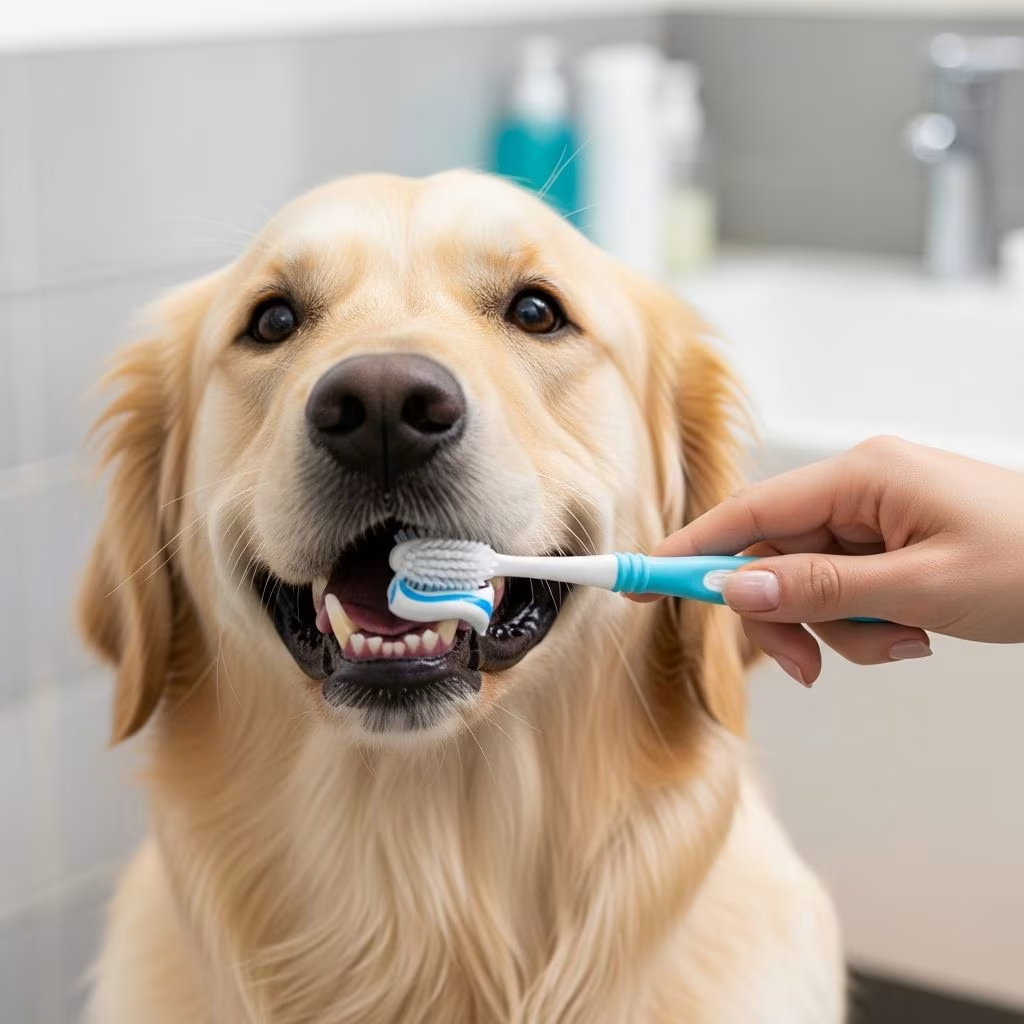
Brushing Your Dog’s Teeth: A Complete Guide to Canine Dental Health
Just like humans, dogs require regular dental care to maintain healthy teeth and gums. Brushing your dog’s teeth is one of the most important grooming activities you can perform, as most pets show early signs of dental disease by age three. By establishing a consistent tooth-brushing routine early in your dog’s life, you can prevent serious dental problems and ensure your pet maintains a healthy smile throughout their years.
Dental disease in dogs is preventable, and the most effective way to combat plaque and tartar accumulation is through regular tooth brushing. This comprehensive guide will walk you through everything you need to know about maintaining your dog’s oral hygiene, from understanding the recommended frequency to mastering the proper brushing techniques.
How Often Should You Brush Your Dog’s Teeth?
Establishing the right frequency for tooth brushing is fundamental to your dog’s dental health. Ideally, you should brush your dog’s teeth at least twice every day, similar to human dental care practices. Like us, consistent daily brushing helps remove plaque before it hardens into tartar, which can only be removed professionally by a veterinarian.
However, understanding that life circumstances may sometimes make daily brushing challenging, the minimum recommendation is to brush your dog’s teeth at least three times per week. This frequency helps remove plaque and prevents tartar accumulation significantly. Many dog owners find that once brushing becomes part of their daily routine, their dogs begin to expect and even enjoy the activity, making it easier to maintain consistency.
For the best results in preventing dental disease and maintaining optimal oral health, aim for daily brushing whenever possible. If you cannot brush daily, three times weekly should be your absolute minimum goal.
Preparing Your Dog for Tooth Brushing Success
Before you can effectively brush your dog’s teeth, you need to prepare them for the experience. To be successful at brushing your dog’s teeth, you must make it a positive experience for both you and your pet. Making the process positive involves praising your dog throughout the entire procedure with reassurance through every step.
Step 1: Choose the Right Environment and Position
Start by selecting a quiet time and place to begin your tooth-brushing training. The environment should be calm and free from distractions that might stress your dog.
For small dogs, hold your dog securely in your lap with his head facing away from you. This position gives you good access to the mouth while keeping your dog close and secure. If your dog is larger, sit on a chair and have your dog sit beside you so that you can comfortably handle his mouth and teeth. The key is finding a position where you can work with your dog’s mouth easily without straining yourself or causing discomfort to your pet.
Step 2: Introduce Touch and Desensitization
Begin by rubbing your finger or a soft cloth over the outer surfaces of your dog’s teeth using a back-and-forth motion. Focus on the area where the gum touches the tooth surface. Stay on the outside surfaces of the teeth to avoid being accidentally bitten. For the first few lessons, it is a good idea to rub the cloth along only a few teeth rather than the whole mouth, especially if your pet is unsure or nervous about the process.
This desensitization phase is crucial for building your dog’s comfort and trust. Praise your dog generously during this step to create positive associations with having their mouth touched.
Step 3: Introduce Pet Toothpaste
Once your dog is comfortable with you rubbing his teeth, let him taste a little bit of pet toothpaste from your finger. This is absolutely critical: do not use human toothpaste, as it is not formulated to be swallowed and may contain harmful ingredients for dogs. Pet toothpaste is specially designed to be safe if swallowed and typically comes in flavors that dogs enjoy.
After your dog has accepted the taste of pet toothpaste, apply a small amount to the cloth and rub it over the teeth. This helps your dog become accustomed to the taste and texture of the toothpaste before introducing the toothbrush.
Step 4: Transition to the Toothbrush
Once your dog is used to you rubbing his teeth with a cloth, it’s time to start using a toothbrush. Introduce the toothbrush gradually, allowing your dog to lick the paste from it before attempting any actual brushing motions. Never force your dog’s mouth open; instead, gently slide the brush along the edges of the teeth.
Selecting the Right Toothbrush for Your Dog
Choosing the appropriate toothbrush is essential for effective and comfortable tooth brushing. Commercial toothbrushes are available that are specifically designed for use in dogs, offering several advantages over generic alternatives.
Types of Dog Toothbrushes Available
Several excellent options exist for dog toothbrushes:
Brushes with angled handles – These are designed to reach difficult areas of the mouth more easily, allowing better access to the back teeth.
Brushes with multiple heads – These innovative brushes allow you to simultaneously brush the inside, outside, and top surfaces of the tooth, making the process more efficient.
Small brushes that fit comfortably in your hand – These are standard toothbrushes sized appropriately for dogs, with handles designed to fit human hands.
Finger toothbrushes – These are designed to fit over the tip of your finger, providing maximum control and sensitivity feedback. Many pet owners find these especially helpful when just beginning to brush their dog’s teeth.
For some dogs, it is acceptable to use a very soft toothbrush designed for use in human babies. However, pet-specific brushes are generally superior as they are engineered for canine mouth anatomy.
Choosing Based on Your Dog’s Size and Your Comfort
The type of toothbrush you use depends on the size of your dog and on your own dexterity. Larger dogs may require longer-handled brushes with larger brush heads, while small dogs and toy breeds might benefit from smaller, more delicate brushes. Consider consulting with your veterinarian if you are uncertain about which brush to use for your specific dog.
Regardless of the type of toothbrush you use, it is important to be gentle and go slowly, as it is easy to accidentally poke the tip of the toothbrush against the gums and cause some irritation. Your dog’s comfort and safety should always be your primary concern.
Proper Tooth Brushing Technique for Dogs
Once your dog is comfortable with the toothbrush, it’s time to learn the proper brushing technique. Following these steps will ensure a successful tooth brushing session.
Step-by-Step Brushing Process
Apply toothpaste and position the brush: Apply a small amount of toothpaste to the toothbrush. Gently raise your dog’s lips on one side of his mouth either by pushing up on the lip with the index finger of your free hand, or by placing your free hand over your dog’s head with your thumb and index finger on opposite sides of your dog’s upper jaw to lift his lips. This gives you clear access to the teeth.
Access the lower teeth: To brush the lower teeth, you will need to open your dog’s mouth a little. Do this by gently tilting your dog’s head backward while holding onto his upper jaw with the thumb and index finger of your free hand. Never force the mouth open; let gravity and gentle guidance do the work.
Prioritize the most important teeth: At first, concentrate on brushing the large cheek teeth and the canine teeth, as these are the teeth where plaque and tartar accumulate most quickly. Gradually work up to brushing all of the teeth. This progression will probably take several days or weeks, but patience will pay off.
Focus on outer surfaces: Do not worry about brushing the tips or insides of the teeth unless your dog is very cooperative. Most periodontal damage occurs on the outer surfaces of the teeth, and this is where you should direct your efforts. In addition, the dog’s tongue tends to remove a lot of the plaque from the inner surfaces of the teeth, reducing the need for brushing these surfaces.
Duration of Brushing Sessions
Try to brush for approximately 30 seconds per side. This timeframe is sufficient to remove plaque and tartar while keeping the experience manageable for your dog. Some dogs may require longer sessions as they become more comfortable, but starting with 30 seconds per side is an excellent baseline.
Essential Supplies and Tools
Before beginning your dog’s tooth-brushing routine, gather all necessary supplies to ensure a smooth experience.
Required Supplies
Soft toothbrush: A specifically designed pet toothbrush or a very soft human baby toothbrush. The bristles should be gentle to avoid gum irritation.
Pet toothpaste: Never use human toothpaste. Pet toothpaste is formulated to be safe if swallowed and comes in flavors that appeal to dogs. Your veterinarian can recommend specific brands.
Treats: Having delicious, easily lickable treats on hand helps reward your dog for cooperating. Soft treats that don’t require chewing, such as small dabs of cream cheese or plain yogurt, work particularly well.
Optional protective gear: A dog’s mouth contains lots of bacteria. If possible, wear gloves while brushing your dog’s teeth. If this limits your ability to effectively brush his teeth, then be sure to thoroughly wash your hands with soap and water after you are finished.
Important Maintenance and Hygiene Considerations
Proper care and maintenance of your tooth-brushing supplies extends their lifespan and ensures optimal effectiveness.
Rinse thoroughly: After each brushing session, rinse the toothbrush thoroughly before putting it away. Remove all toothpaste residue and allow it to air dry to prevent bacterial growth.
Replace regularly: Replace the toothbrush every three months to maintain bristle integrity and effectiveness. Worn bristles are less effective at removing plaque.
Individual brushes for multiple dogs: If you have several dogs, use a different toothbrush for each of them to prevent cross-contamination of bacteria.
Making Tooth Brushing a Positive Experience
The key to successful and consistent tooth brushing is making it a positive experience that your dog anticipates and enjoys.
Establish a routine: Brush your dog’s teeth at the same time each day. Dogs thrive on routine, and your pet will begin to expect and look forward to the activity.
Use positive reinforcement: Praise your dog enthusiastically throughout the entire brushing session. Offer treats and verbal rewards to reinforce good behavior.
Keep sessions short initially: Start with brief sessions and gradually extend the duration as your dog becomes more comfortable. A positive experience lasting only 30 seconds is far better than a longer, stressful session.
Watch for stress signals: Be attentive to your dog’s body language. Signs of stress include moving their head away, holding their lips tight, dilated pupils, holding ears back, tucking their tail tightly, leaning away, or attempting to flee. If you notice these signs, slow down and take a break.
Frequently Asked Questions About Dog Tooth Brushing
Q: What if my dog refuses to let me brush his teeth?
A: Break the process into smaller steps and move at your dog’s pace. Some dogs require weeks of gradual desensitization before they’re ready for actual brushing. Patience and positive reinforcement are essential. If challenges persist, consult your veterinarian for additional guidance.
Q: Can I use human toothpaste on my dog?
A: No, never use human toothpaste on your dog. Human toothpaste contains ingredients that are not safe for dogs to swallow. Always use toothpaste specifically formulated for pets.
Q: How long does it take to see results from regular tooth brushing?
A: With consistent daily or frequent brushing, you should notice improvements in your dog’s breath and overall oral health within a few weeks. However, preventing dental disease is an ongoing commitment that requires consistent effort.
Q: What should I do if my dog develops tartar despite regular brushing?
A: If tartar has already accumulated, professional dental cleaning by your veterinarian is necessary. Tartar cannot be removed through brushing alone and requires professional equipment and expertise.
Q: Is brushing enough to prevent all dental disease?
A: While regular brushing is the most important preventive measure, it should be combined with professional veterinary dental cleanings as recommended by your veterinarian, typically annually or as needed.
Conclusion
Brushing your dog’s teeth is an investment in your pet’s long-term health and quality of life. By understanding the recommended frequency, selecting appropriate tools, mastering proper techniques, and making the experience positive, you can successfully maintain your dog’s dental health throughout their lifetime. Start early, be patient, and remember that consistency is key. Your dog will reward your efforts with not only healthier teeth and gums but also fresher breath and better overall wellness.
References
- Brushing Your Dog’s Teeth — VCA Animal Hospitals. 2025. https://vcahospitals.com/know-your-pet/brushing-teeth-in-dogs
- Successful Toothbrushing Training for Happy Dental Care — VCA Animal Hospitals. 2025. https://vcahospitals.com/know-your-pet/successful-toothbrushing-training-for-happy-dental-care
- Importance Of Brushing Your Puppy’s Teeth — VCA Animal Hospitals. 2025. https://vcahospitals.com/pediatric/puppy/health-wellness/importance-of-brushing-teeth
- How to Brush Your Pet’s Teeth — VCA Animal Hospitals. 2025. https://vcahospitals.com/shop/articles/how-to-brush-your-pets-teeth



