

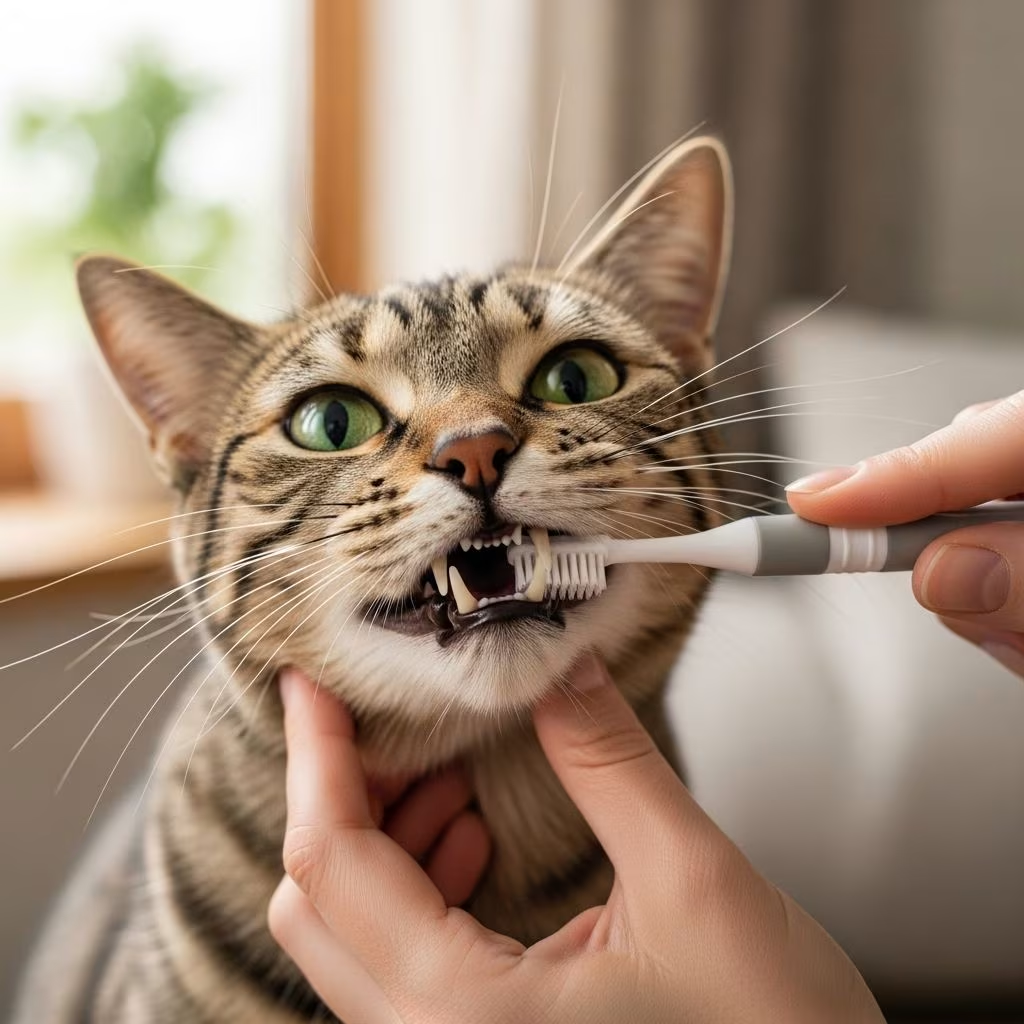
Brushing Your Cat’s Teeth: A Complete Guide to Feline Oral Health
Maintaining your cat’s dental health is just as important as caring for their overall wellbeing. Daily brushing is one of the most effective ways to prevent plaque buildup, tartar accumulation, and serious periodontal disease that can lead to tooth loss and other health complications. Unlike dogs, cats often resist dental care, but with patience and the right approach, you can establish a successful brushing routine that keeps your feline friend’s teeth and gums healthy for years to come.
Why Brushing Your Cat’s Teeth Matters
A cat’s mouth contains numerous bacteria that can cause dental disease if left unchecked. Regular brushing removes plaque before it hardens into tartar, which cannot be removed at home. Without proper dental care, cats can develop gingivitis, periodontitis, and other serious oral health conditions. These issues can affect not only the teeth and gums but also lead to systemic health problems affecting the heart, kidneys, and liver. Professional dental cleaning by a veterinarian can help, but daily brushing is the gold standard for maintaining excellent oral health.
Getting Started: Preparation and Supplies
Essential Supplies You’ll Need
Before you begin brushing your cat’s teeth, gather the proper supplies to ensure the process is safe and comfortable for your pet:
– Cat-specific toothbrush (soft-bristled) or finger brush- Cat-formulated toothpaste (never use human toothpaste, which contains harmful ingredients)- Flavored cat toothpaste (chicken, fish, or other pet-friendly flavors)- Optional: dental gauze or cotton buds for initial introduction- Optional: disposable gloves for hygiene- Treats for positive reinforcement
Never use human toothpaste on your cat, as it contains fluoride and other ingredients that can be toxic if swallowed. Cat-specific toothpastes are formulated to be safe when ingested and often have flavors that appeal to felines, making the experience more enjoyable for your pet.
Understanding Your Cat’s Natural Defenses
One important fact to remember is that your cat’s abrasive tongue naturally helps remove plaque from the inner surfaces of their teeth. This is why most of your brushing effort should focus on the outer surfaces where plaque and tartar accumulate most quickly. Understanding your cat’s natural cleaning ability will help you concentrate your efforts where they matter most.
The Step-by-Step Brushing Process
Phase One: Acclimation to Touch
The foundation of successful tooth brushing begins with getting your cat comfortable with having their head, mouth, and teeth touched. This phase is crucial and shouldn’t be rushed:
– Sit with your cat in a comfortable position, ideally in your lap or on a table at comfortable height- Have treats nearby for positive reinforcement- Gently pet your cat’s head and face to create a calm, positive association- Slowly and gently lift your cat’s lip to expose their teeth- Touch their teeth and gums with your finger- Stop after a few seconds and immediately reward your cat with praise and treats- Repeat this process daily until your cat remains relaxed throughout the entire session- Gradually increase the duration each session, aiming for about 30 seconds as your goal
This phase may take several days or even weeks, depending on your cat’s temperament and prior experience with mouth handling. Patience is essential—forcing the process will create negative associations and make future brushing attempts more difficult.
Phase Two: Introduction to Toothpaste
Once your cat is comfortable with touch, introduce the toothpaste gradually:
– Put a tiny amount of cat toothpaste on your finger- Allow your cat to lick the toothpaste off and become familiar with the taste- Some cats immediately love the flavor, while others may be reluctant- Try different flavors (chicken, fish, poultry) to find one your cat prefers- Let your cat investigate the toothbrush so they become familiar with the tool- Do not attempt to brush yet—simply let your cat get accustomed to the taste and feel- Continue this phase for several days until your cat accepts both the toothpaste and toothbrush
Phase Three: Proper Head Positioning
Before you begin brushing, learn the correct way to position your cat’s head for maximum comfort and control:
– Position your cat with their back towards you—this is less confrontational and gives you better control if they wriggle- Spread your hand and place your palm on top of your cat’s head, toward the back- Gently grip around your cat’s cheekbone using your thumb and second finger, below the eyes- Keep your index finger lifted to avoid covering their eyes- Gently tilt your cat’s head upward slightly- Use your thumb to gently lift your cat’s upper lip- Use your other hand to gently pull down the lower lip, giving you a clear view of all teeth on one side- Stop immediately if your cat shows signs of discomfort and try again the next day
Proper positioning is critical for both your safety and your cat’s comfort. An awkward position can make your cat anxious and cause them to resist future brushing attempts.
Phase Four: Beginning the Brushing Technique
When your cat is ready for actual brushing, follow these guidelines:
– Apply a small amount of toothpaste to your toothbrush- Place your cat’s head at approximately a 45-degree angle- Gently pull back your cat’s lips—the mouth can remain closed- Start with the large cheek teeth and canine teeth, as these are where plaque and tartar accumulate most quickly- Use gentle, circular motions to brush the outer surfaces of the teeth and along the gumline- Focus on the cheek-facing surface of the teeth, which is where the most tartar builds up- Start with just 10 seconds per side and gradually build up to about 30 seconds per side- In the beginning, you might only brush a few teeth before your cat becomes fussy—that’s acceptable- Do not worry about brushing the inner surfaces of the teeth unless your cat is very cooperative, as the tongue handles this naturally- Gradually work your way to brush all teeth, including the big teeth at the back of the mouth—this process may take several days or weeks- Always end on a positive note with praise and treats
Frequency and Duration Recommendations
Establishing the right brushing frequency is essential for optimal results:
– Daily brushing is the most beneficial and helps establish a consistent routine- Every other day can still be effective, as plaque takes about 48-72 hours to harden and calcify into tartar- Minimum recommendation: At least three times per week to help remove plaque and prevent buildup- Session duration: Aim for approximately 30 seconds per side
Advanced Tips and Troubleshooting
What to Do if Your Cat Resists
Not all cats will tolerate traditional tooth brushing, and that’s okay. Here are alternative approaches:
– Use dental gauze instead of a toothbrush—wipe the gauze over your cat’s teeth 2-3 times per week- Apply toothpaste with a cotton bud, gently rubbing it onto teeth in circular motions- Start with your finger as a brush, rubbing toothpaste onto teeth and gums- Progress gradually from finger to gauze to toothbrush as your cat becomes more comfortable- If your cat never becomes completely comfortable with brushing, these alternative methods can still help remove plaque and bacteria
Signs of Bleeding and When to Be Concerned
It’s normal to see a small amount of bleeding from your cat’s gums, especially when you first start brushing regularly. This is common and will stop as you brush more consistently and your cat’s gums become healthier. However, if bleeding is excessive or your cat seems to be in pain, consult your veterinarian.
Hygiene Considerations for You
Since a cat’s mouth contains numerous bacteria, take precautions during brushing:
– Wear disposable gloves while brushing if possible- If gloves interfere with your ability to brush effectively, wash your hands thoroughly with soap and water after each brushing session- Rinse the toothbrush thoroughly before storing it away- Replace the toothbrush every three months- If you have multiple cats, use a separate toothbrush for each one to prevent cross-contamination
When to Start and Age Considerations
Starting with Kittens
The best time to introduce tooth brushing is when your cat is young. Kittens who grow accustomed to brushing early are more likely to accept it as part of their regular care routine as adults. Begin with very gentle handling and short sessions, gradually building up as your kitten becomes comfortable.
Teaching Adult Cats
Don’t worry if you have an adult cat that has never had their teeth brushed. Cats at any age can learn to accept brushing, though it may take more time and patience. The key is to introduce the process gradually and carefully, following the same phases outlined above. Adult cats may require longer periods of acclimation but can eventually become comfortable with regular brushing.
Complementary Dental Care Strategies
While brushing is the gold standard for feline oral health, you can support it with additional measures:
– Schedule regular dental checkups with your veterinarian- Use veterinary-approved dental treats designed to help reduce plaque and tartar- Consider water additives formulated for dental health (approved by your vet)- Professional dental cleanings by your veterinarian when recommended- Ensure your cat has appropriate toys for natural cleaning through chewing
Frequently Asked Questions
Q: How often should I brush my cat’s teeth?
A: Daily brushing is ideal for optimal dental health. However, brushing every other day or at least three times per week is the minimum recommendation to help remove plaque effectively.
Q: Can I use human toothpaste on my cat?
A: No, never use human toothpaste on your cat. Human toothpaste contains fluoride and other ingredients that can be harmful or toxic if swallowed. Always use cat-formulated toothpaste that is safe for ingestion.
Q: What should I do if my cat absolutely refuses to let me brush their teeth?
A: If your cat won’t tolerate brushing, try using dental gauze to wipe their teeth 2-3 times per week, or apply toothpaste with a cotton bud. Regular veterinary checkups and professional cleanings can also help protect your cat’s dental health.
Q: How long does it take to see results from brushing?
A: Consistent brushing helps prevent plaque buildup and tartar formation over time. You may notice improved breath and healthier gums within a few weeks of regular brushing, but the long-term benefits protect your cat’s teeth and overall health for years.
Q: Is it normal to see bleeding when brushing my cat’s teeth?
A: A small amount of bleeding is normal, especially when you first start brushing regularly. It indicates that your cat’s gums may have some inflammation from plaque buildup. The bleeding should diminish as you brush more consistently and the gums become healthier.
Q: Can I brush my senior cat’s teeth for the first time?
A: Yes, you can introduce brushing to a senior cat, though it may take more time and patience. However, consult your veterinarian first, especially if your senior cat has existing dental disease or other health conditions.
Conclusion
Brushing your cat’s teeth is one of the most effective ways to maintain their oral health and prevent serious dental disease. While the process requires patience and consistency, the long-term benefits—including healthier teeth and gums, fresher breath, and prevention of systemic health issues—make it worthwhile. Remember to start slowly, use the proper supplies, and always make the experience positive for your cat. Whether you’re starting with a young kitten or teaching an adult cat, following these guidelines will help you establish a successful brushing routine that your feline friend can tolerate and that promotes optimal dental wellness.
References
- How to Clean Your Cat’s Teeth and Why It’s Important — GoodRx. 2025. https://www.goodrx.com/pet-health/cat/cat-teeth-cleaning
- How To Brush Cats’ Teeth — PetMD. 2025. https://www.petmd.com/cat/general-health/how-to-brush-cats-teeth
- How to Brush Your Cat’s Teeth — International Cat Care. 2025-03-06. https://icatcare.org/articles/how-to-brush-your-cats-teeth
- Do Vets Really Recommend Brushing Cats’ Teeth? The Answer Is a Resounding Yes — Parker Animal Care. 2025. https://www.parkeranimalcare.com/do-vets-really-recommend-brushing-cats-teeth-the-answer-is-a-resounding-yes
- Brushing Your Cat’s Teeth — VCA Animal Hospitals. 2025. https://vcahospitals.com/know-your-pet/brushing-teeth-in-cats
- Veterinary Oral Health Council — VOHC. 2025. https://vohc.org



