

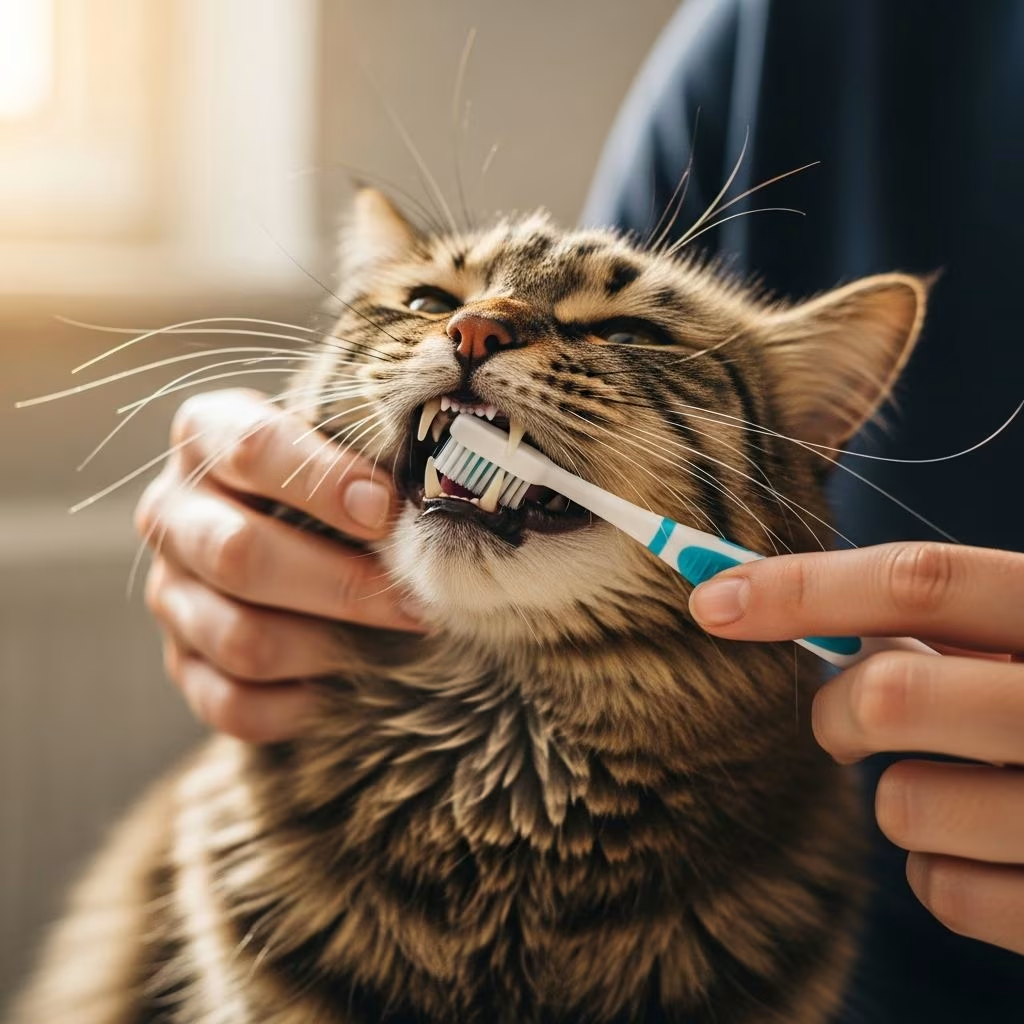
Brushing Your Cat’s Teeth: A Complete Guide to Feline Dental Health
Maintaining your cat’s dental health is one of the most important aspects of pet care that many cat owners overlook. Just like humans, cats are susceptible to plaque buildup, tartar accumulation, and various periodontal diseases that can lead to serious health complications. Regular tooth brushing is the most effective way to prevent these issues and keep your feline friend’s mouth healthy, fresh, and pain-free. This comprehensive guide will walk you through everything you need to know about brushing your cat’s teeth, from selecting the right supplies to mastering the proper technique.
Why Brushing Your Cat’s Teeth Matters
Dental disease is one of the most common health problems affecting cats today. When plaque accumulates on the tooth surface, it hardens into tartar, which can lead to gum disease, tooth loss, and systemic infections affecting vital organs like the heart and kidneys. Regular brushing removes plaque before it has a chance to calcify, maintaining healthy gums and preventing bad breath. Studies show that plaque takes approximately 48 to 72 hours to harden and calcify, making frequent brushing essential for maintaining oral health.
Beyond preventing disease, a healthy mouth contributes to your cat’s overall quality of life. Dental pain can affect eating habits, behavior, and general well-being. By establishing a regular brushing routine, you’re investing in your cat’s long-term health and comfort.
Getting Started: Essential Supplies
Before you begin brushing your cat’s teeth, gather the necessary supplies to ensure success.
Choosing the Right Toothbrush
Invest in a toothbrush specifically designed for cats or use a soft-bristled baby toothbrush. Cat-specific toothbrushes are typically smaller and have softer bristles that won’t irritate your cat’s sensitive gums. Some pet owners prefer finger brushes, which slide onto your finger and allow for more direct control and tactile feedback. Gauze wrapped around your finger is another option if your cat finds traditional brushes uncomfortable.
Selecting Cat-Safe Toothpaste
Never use human toothpaste on your cat. Human toothpaste contains fluoride and other ingredients that are toxic when swallowed. Instead, choose a cat-specific toothpaste that is formulated to be safe if ingested. These products come in appealing flavors like chicken, fish, or poultry that cats enjoy. The pleasant taste encourages your cat to cooperate and makes the experience more positive. Many cats will actually look forward to the taste of their toothpaste.
Additional Hygiene Considerations
Consider wearing gloves while brushing your cat’s teeth to maintain proper hygiene, as a cat’s mouth contains numerous bacteria. If gloves limit your dexterity, be sure to wash your hands thoroughly with soap and water after brushing. Replace your toothbrush every three months to maintain effectiveness and prevent bacterial buildup. If you have multiple cats, use a separate toothbrush for each to prevent cross-contamination. Always rinse your toothbrush thoroughly after use and store it in a clean, dry location.
Step-by-Step Instructions for Brushing Your Cat’s Teeth
Phase One: Familiarization (Days 1-3)
The key to successful cat tooth brushing is patience and gradual introduction. Start by getting your cat comfortable with the idea of dental care. Sit with your cat in a relaxed environment and gently pet their head and face. Lift their lip gently and touch their teeth for just a few seconds. Reward this behavior immediately with treats and praise. Repeat this process daily, gradually increasing the duration each time. The goal is to help your cat understand that mouth handling is a positive experience.
Phase Two: Toothpaste Introduction (Days 4-7)
Once your cat is comfortable with mouth handling, introduce the toothpaste. Place a tiny amount on your finger and let your cat lick it off to taste the flavor. Many cats enjoy this step, while others may be initially reluctant. If your cat dislikes the first flavor, try different varieties until you find one they prefer. After several days of letting your cat taste and become familiar with the toothpaste, gently rub a small amount onto their teeth and gums using your finger. Keep these sessions short—just 10 to 15 seconds—and always end with praise and treats.
Phase Three: Toothbrush Acclimation (Days 8-14)
Allow your cat to investigate the toothbrush when they’re relaxed. Let them sniff and lick it to become familiar with this new tool. Do this multiple times throughout the day in low-pressure situations, completely separate from any actual brushing attempts. This familiarization period is crucial for building positive associations. Once your cat seems comfortable with the toothbrush, place a small amount of toothpaste on it and simply touch it to their teeth without brushing. The goal at this stage is exposure and comfort, not cleaning.
Phase Four: Beginning Active Brushing (Weeks 2-3)
Now you’re ready to begin actual brushing. Apply a small amount of toothpaste to your toothbrush. Position your cat with their back toward you, which is less confrontational and gives you better control if they wriggle. Spread your hand and place your palm on top of your cat’s head toward the back. Use your thumb and second finger to gently grip around the cheekbone, below the eyes, while keeping your index finger lifted to avoid covering their eyes.
Gently tilt your cat’s head upward slightly and use your thumb to lift the upper lip. This should give you a clear view of your cat’s teeth. The mouth can remain closed while you brush the outer surfaces. Using slow, gentle strokes in a circular motion, brush at a 45-degree angle, concentrating on the gum line where plaque tends to accumulate most rapidly. Start with just a few strokes, then stop and praise your cat enthusiastically. Gradually increase the number of strokes over several days.
Phase Five: Progressing Through All Teeth (Weeks 3+)
Begin with the large canine teeth and cheek teeth at the front of the mouth, as these are easiest to access and are where plaque accumulates most quickly. Over several days or weeks, gradually work your way to the back teeth, which are crucial for maintaining oral health. While the inner surfaces of teeth don’t require as much attention—your cat’s abrasive tongue naturally removes plaque from these areas—do eventually work toward brushing all outer surfaces.
Do not worry about brushing the inner surfaces or tips of the teeth unless your cat is exceptionally cooperative. Most periodontal damage occurs on the outer surfaces and around the tooth roots, so direct your efforts there. If you notice a small amount of bleeding from the gums in the beginning, don’t be alarmed. This is normal and will cease as you brush more regularly and your cat’s gums become healthier.
Optimal Brushing Frequency and Duration
Daily Brushing Is Ideal
Daily brushing is the most beneficial approach and helps establish a consistent routine. Since plaque calcifies within 48 to 72 hours, daily brushing prevents this hardening process. However, if daily brushing isn’t feasible, brushing every other day can still provide significant benefits. At minimum, aim to brush at least three times per week to help remove plaque effectively and maintain oral health.
Duration Guidelines
Each brushing session should last approximately 30 seconds per side of your cat’s mouth. Start with much shorter sessions—just 10 to 30 seconds total—and gradually build up duration as your cat becomes more comfortable. In the beginning, you may only be able to brush one or a few teeth at a time. This is perfectly acceptable. It’s better to have brief, positive experiences than to force extended sessions that create negative associations with dental care.
End every session with enthusiastic praise and treats. This reinforces positive behavior and makes your cat look forward to brushing time. If at any point your cat shows signs of anxiety or stress, stop immediately and try again the next day. Forcing the issue will only create resistance to future brushing attempts.
Important Considerations and Best Practices
Starting Age
While it’s best to introduce teeth brushing when your cat is young, adult cats can learn to have their teeth brushed at any age. The process simply requires patience and consistency. Never feel discouraged if you have an older cat that’s never had their teeth brushed—you can begin gradually at any life stage.
Handling Resistant Cats
Some cats never become completely comfortable with toothbrush use despite patient introduction. If your cat remains resistant to traditional brushing, try using gauze. Wrap gauze around your finger and wipe it over your cat’s teeth two or three times per week. While not as effective as brushing, this method can still help remove plaque and bacteria. Regular veterinary checkups and professional cleanings become even more important for cats that won’t tolerate home brushing.
Dental Treats and Supplements
While brushing is the gold standard, supplement your routine with other dental care products. Dental treats approved by the Veterinary Oral Health Council (VOHC) can assist in maintaining oral health. Water additives designed for dental health can also support your brushing efforts. However, these products should complement, not replace, regular brushing.
Professional Veterinary Care
Even with excellent home brushing, professional dental cleanings from your veterinarian remain important. Regular checkups allow your vet to identify problems early and provide thorough cleanings that reach below the gum line where home brushing cannot. Schedule annual dental exams with your veterinarian, or more frequently if recommended based on your cat’s individual needs.
Frequently Asked Questions
Q: How long does it take to get a cat comfortable with teeth brushing?
A: The timeline varies by individual cat. Some cats adapt within two to three weeks, while others may take a month or longer. Consistency and patience are essential. Never rush the process, as moving too quickly can create negative associations.
Q: What if my cat bleeds while I’m brushing their teeth?
A: Minor bleeding is normal, especially when starting out, and indicates that your cat’s gums need more care. As you brush consistently and gum health improves, bleeding should decrease. However, excessive or persistent bleeding warrants a veterinary examination to rule out underlying dental disease.
Q: Can I brush my cat’s teeth if they have dental disease?
A: If your cat has existing dental disease, consult your veterinarian before starting a brushing routine. Your vet may recommend professional cleaning first to treat the disease. Once treated, home brushing helps prevent recurrence.
Q: How often should I replace my cat’s toothbrush?
A: Replace your cat’s toothbrush every three months to ensure bristle effectiveness and maintain hygiene. Worn bristles are less effective at removing plaque, and bacteria can accumulate on older brushes.
Q: Is brushing alone enough to maintain my cat’s dental health?
A: While brushing is the most effective prevention method, combining it with regular veterinary checkups, professional cleanings, and VOHC-approved dental products provides the most comprehensive approach to feline oral health.
Q: What’s the difference between brushing and professional dental cleaning?
A: Home brushing removes plaque from tooth surfaces you can access, but professional cleaning includes scaling below the gum line and polishing, which reaches areas home brushing cannot access. Both are important for complete oral health.
Establishing a Successful Routine
Success with cat tooth brushing depends on consistency, patience, and creating positive associations. Choose a time of day when your cat is naturally calm and relaxed. Some cats respond best after playtime when they’re tired, while others prefer quiet moments in the morning. Pick a consistent time and stick to it, as routine helps cats feel secure and cooperative.
Make brushing a bonding experience rather than a battle. Keep sessions brief and positive, ending well before your cat becomes frustrated. Celebrate small victories—whether that’s simply having your cat sit still while you touch their teeth or successfully brushing two teeth. Progress isn’t always linear, and setbacks are normal.
Remember that every bit of brushing helps. Even sporadic brushing is better than none at all. If your cat won’t tolerate daily brushing, do your best with the frequency they’ll accept. Combine home brushing with professional veterinary care and other dental products for the best overall results.
By implementing these techniques and maintaining commitment to your cat’s dental care routine, you’ll significantly improve their oral health, prevent serious periodontal disease, and contribute to their overall well-being and longevity. Your efforts today will result in a healthier, happier cat with fresher breath and a beautiful smile for years to come.
References
- Brushing Your Cat’s Teeth — VCA Animal Hospitals. 2024. https://vcahospitals.com/know-your-pet/brushing-teeth-in-cats
- How To Brush Cats’ Teeth — PetMD, Dr. Jennifer Coates. 2024. https://www.petmd.com/cat/general-health/how-to-brush-cats-teeth
- How to brush your cat’s teeth — International Cat Care. 2025. https://icatcare.org/articles/how-to-brush-your-cats-teeth
- How to Clean Your Cat’s Teeth – Central Texas Animal Hospital — Central Texas Animal Hospital. 2024. https://centraltexasanimalhospital.com/cat-dental-care-in-pflugerville-tx/how-to-clean-your-cats-teeth-a-complete-guide-to-feline-dental-care/
- Do vets recommend brushing cats teeth? The answer is a resounding yes — Parker Animal Care. 2024. https://www.parkeranimalcare.com/do-vets-really-recommend-brushing-cats-teeth-the-answer-is-a-resounding-yes/
- At-Home Cat Teeth Cleaning: How to Brush Cats’ Teeth — Chewy. 2024. https://www.chewy.com/education/cat/health-and-wellness/brush-cat-teeth-healthy-pet



