

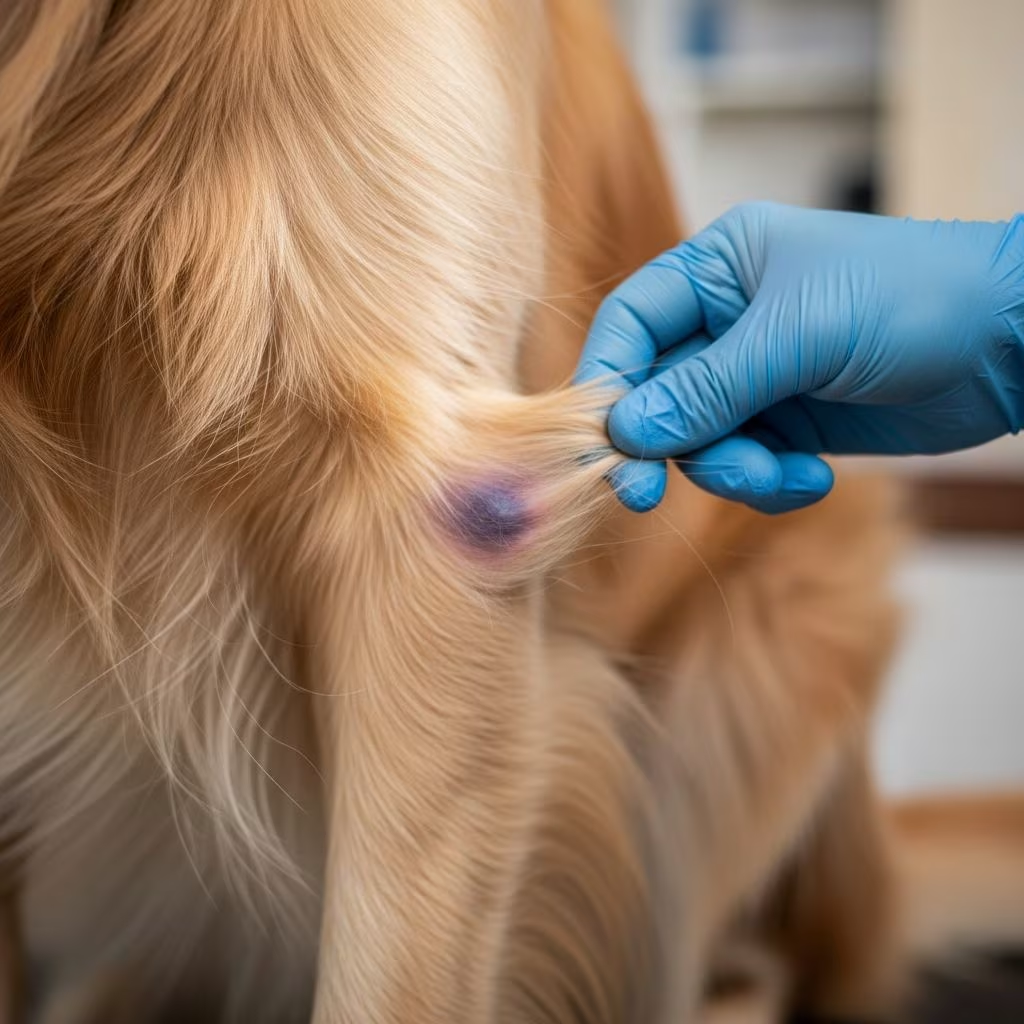
Bruising occurs when small blood vessels under a dog’s skin rupture, leading to blood pooling and discoloration visible on the surface. While humans notice bruises easily due to thinner skin, dogs’ thicker fur often conceals them until serious issues arise.
Understanding How Bruises Form in Canines
Dogs possess skin and vascular systems similar to humans, but their fur and muscle layers make bruising harder to spot. Bruises, medically termed ecchymosis when larger than one centimeter, result from capillary breakage, allowing blood to seep into surrounding tissues. Pinpoint bruises, known as petechiae, signal more subtle vascular problems. Factors like platelet count, clotting efficiency, and vessel strength determine bruise severity. Healthy dogs rarely bruise without trauma, so any unexplained marks warrant attention.
Visible Signs of Bruising on Your Dog
Owners might overlook bruises hidden by fur, but key indicators include:
- Discolored patches on thin-furred areas like the belly, gums, or inner ears.
- Sudden lameness or reluctance to move, suggesting deeper muscle or bone involvement.
- Bleeding from gums, nose, or other orifices alongside skin marks.
- Pale gums indicating anemia from internal blood loss.
- Swollen joints or abdominal distension from hemorrhage into cavities.
These symptoms often accompany bruising in systemic conditions, differing from isolated trauma marks that fade quickly.
Common Triggers: Trauma and Everyday Mishaps
Physical injury tops the list of bruise causes. Dogs active in rough play, jumps from heights, or car accidents suffer vessel ruptures from impact. Subcutaneous bruises stay superficial, healing in days, while intramuscular ones cause pain and stiffness. Bone bruises, from severe falls, lead to prolonged lameness. Puppies and high-energy breeds like Labrador Retrievers face higher risks during exuberant activities.
Bleeding Disorders: Inherited and Acquired Risks
Bleeding issues disrupt normal clotting, making dogs prone to spontaneous bruises. These fall into platelet problems, vessel weaknesses, and clotting factor deficiencies.
Platelet-Related Issues
Platelets, essential for clot formation, drop below 25,000 per microliter in thrombocytopenia, risking spontaneous bleeds. Causes include:
- Immune-mediated destruction where the body attacks its own platelets.
- Bone marrow suppression from drugs, infections, or cancers.
- Infections like ehrlichiosis from ticks destroying circulating platelets.
| Platelet Disorder Type | Main Causes | Symptoms |
|---|---|---|
| Decreased Production | Drugs, infections, bone marrow cancer | Petechiae, prolonged bleeding |
| Increased Destruction | Immune issues, viruses | Mucosal bleeding, weakness |
| Functional Defects | Kidney/liver failure, certain breeds | Easy bruising post-minor trauma |
Vascular and Clotting Factor Problems
Vasculitis inflames vessels, often from infections or allergies, weakening walls. Clotting disorders like hemophilia (factor deficiencies) or von Willebrand’s disease impair platelet adhesion. Acquired forms stem from liver failure, rodent poisons blocking vitamin K, or disseminated intravascular coagulation (DIC) consuming clotting elements.
Infections and Toxins Leading to Bruises
Tick-borne diseases such as Ehrlichia, Anaplasma, or Rocky Mountain Spotted Fever target platelets, causing widespread bruising. Viral infections like parvovirus or distemper suppress marrow. Toxins, including NSAIDs, aspirin, or rodenticides, either destroy platelets or antagonize clotting factors. Metabolic failures in liver or kidney disease exacerbate these effects.
When to Rush to the Vet: Red Flags
Not all bruises need immediate care, but these demand urgent veterinary evaluation:
- Bruises appearing without trauma.
- Multiple or spreading marks.
- Accompanied by lethargy, rapid breathing, or pale membranes.
- Bleeding from multiple sites or into eyes/lungs.
- Persistent lameness or joint swelling.
Early intervention prevents life-threatening hemorrhage.
Diagnostic Approaches for Canine Bruises
Vets start with history: recent trauma, medications, tick exposure, or breed predispositions. Physical exams check for hidden bruises by clipping fur. Key tests include:
- Complete blood count (CBC) for platelet levels and anemia.
- Coagulation panels assessing clotting times.
- Blood smear microscopy for petechiae or infectious agents.
- Tick panels or toxin screens if suspected.
Imaging like ultrasound detects internal bleeding, while bone marrow biopsies address production failures.
Treatment Strategies: From Home Care to Hospitalization
Therapy targets the root cause while stabilizing the dog.
Supportive and Emergency Measures
Hospitalized patients receive IV fluids, blood or plasma transfusions for severe anemia. Activity restriction minimizes re-injury. For toxin-induced issues, vitamin K1 reverses rodenticides; steroids manage immune destruction.
Home Management for Minor Cases
For trauma-related bruises:
- Apply cold packs wrapped in cloth for 10-15 minutes to curb swelling—repeat several times daily.
- Elevate injured limbs during rest.
- Keep the area clean; use vet-approved antibiotic ointments sparingly.
- Monitor for worsening; confine to prevent jumping.
Avoid human painkillers like ibuprofen, which worsen bleeding.
| Treatment Type | Indications | Duration |
|---|---|---|
| Cold Compress | Fresh bruises | 10-15 min, 3-4x/day |
| Rest/Confinement | All cases | Until resolved |
| Transfusions | Severe anemia | Hospital-based |
| Vitamin K1 | Toxin exposure | Days to weeks |
Preventing Bruises in Your Dog’s Daily Life
Proactive steps reduce risks:
- Tick preventives year-round, especially in endemic areas.
- Supervised play; avoid high falls for injury-prone breeds.
- Breed-specific screening for von Willebrand’s in Dobermans or Scottish Terriers.
- Prompt medication reviews; steer clear of NSAIDs without vet approval.
- Regular check-ups catch early clotting issues.
Special Considerations for Breeds and Ages
Certain breeds like Basset Hounds or Great Pyrenees have congenital platelet defects. Puppies suffer from viral marrow suppression, while seniors face organ failures amplifying bruising. Pregnant dogs or those on estrogen therapies need monitoring.
FAQs on Dog Bruising
Can minor bruises heal on their own?
Yes, superficial trauma bruises often resolve in 1-2 weeks with rest and cold therapy, but monitor closely.
Why does my dog have belly bruises?
Exposed skin reveals petechiae from low platelets or infections; vet evaluation is crucial.
Is bruising always a sign of cancer?
No, though bone marrow cancers contribute; infections and toxins are more common.
How long before a bruise concerns me?
If not fading in 7-10 days or new ones appear, seek professional help.
Can diet prevent bruising?
Vitamin K-rich foods support clotting, but consult vets for supplements; prevention focuses on avoiding causes.
Bruising signals potential health threats in dogs, from benign bumps to grave disorders. Vigilant owners combining observation with veterinary expertise ensure swift recovery and long-term wellness.
References
- Bruising in Dogs: Ecchymosis — Pet Health Network. Accessed 2026. https://www.pethealthnetwork.com/dog-health/dog-diseases-conditions-a-z/bruising-dogs-ecchymosis
- Causes of Abnormal Bruising and Bleeding in Dogs — PetPlace.com. Accessed 2026. https://www.petplace.com/article/dogs/pet-health/bruising-and-bleeding-in-dogs
- Dog Bruises — Innovet Pet. Accessed 2026. https://www.innovetpet.com/blogs/allergies-first-aid/dog-bruises
- What Should I Do If My Dog’s Legs Are Bruised? — TPLO Info. Accessed 2026. https://tploinfo.com/blog/what-should-i-do-if-my-dogs-legs-are-bruised/
- Can Dogs Get Bruises? — Hill’s Pet. Accessed 2026. https://www.hillspet.com/dog-care/healthcare/can-dogs-get-bruises



