
Brucellosis In Large Animals: Prevention And Control Guide
Comprehensive guide to understanding, diagnosing, and controlling Brucella infections in cattle, bison, swine, and other livestock for better herd health.
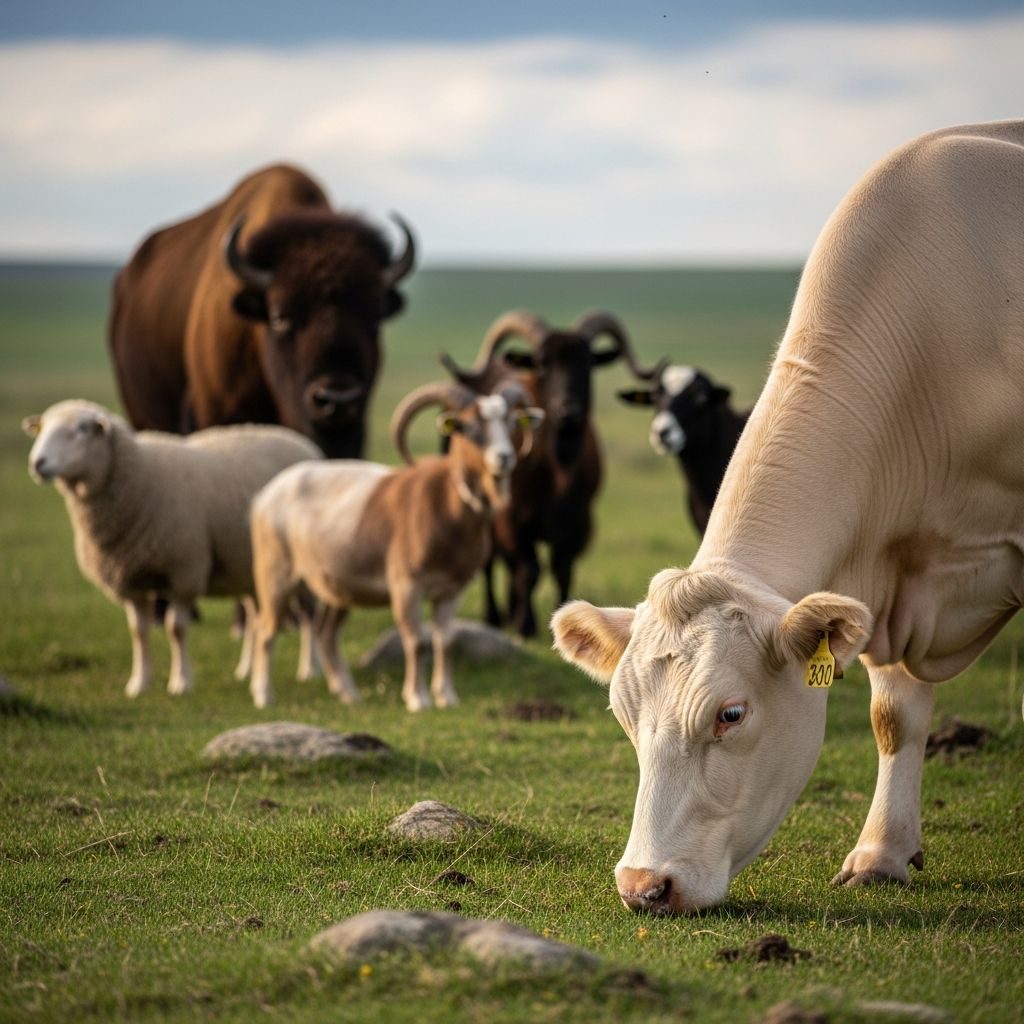
Brucellosis represents a major bacterial infection impacting livestock such as cattle, bison, swine, goats, sheep, and occasionally horses, primarily targeting reproductive systems and leading to significant economic losses through abortions and reduced productivity. This zoonotic disease, caused by various Brucella species, poses risks to humans via direct contact with infected tissues, emphasizing the need for vigilant management in farming operations.
Bacterial Culprits Behind the Disease
The primary pathogen in cattle and bison is Brucella abortus, a gram-negative bacterium that thrives intracellularly, evading immune responses and persisting in hosts. In swine, Brucella suis predominates, while Brucella melitensis affects small ruminants like goats and sheep, though cross-species transmission occurs. These bacteria enter through mucous membranes or breaks in skin, localizing in reproductive organs, lymph nodes, and joints.
Environmental survival varies; B. abortus persists in moist conditions but succumbs to disinfectants and sunlight, unlike more resilient strains in swine. Wild reservoirs like cervids (deer, elk) complicate eradication efforts, as they bridge domestic and sylvatic cycles.
Transmission Pathways in Herds
Infection spreads mainly via ingestion of contaminated feed, water, or aborted fetuses/placentas laden with billions of bacteria. Bulls shed via semen, infecting females during mating, while venereal transmission sustains outbreaks. Aerosol transmission is rare but possible in confined spaces.
New animals introduce risks without quarantine; commingling at markets or shows accelerates spread. In bison, free-ranging populations maintain endemicity, spilling over to cattle. Human-mediated movement of infected stock historically fueled pandemics, now curtailed by regulations.
Clinical Manifestations Across Species
| Species | Key Symptoms | Reproductive Impact |
|---|---|---|
| Cattle/Bison | Undulant fever, orchitis in bulls, arthritis | Abortion late gestation, weak calves, retained placenta, milk drop |
| Swine | Infertility, lameness | Stillbirths, mummified fetuses |
| Goats/Sheep | Mastitis, hygroma | High abortion rates |
| Horses | Fistulous withers | Rare abortions |
Most infections are subclinical, with abortion as the hallmark in females, often a one-time event per animal unless reinfected. Bulls develop epididymitis or testicular hypoplasia, rendering semen culture-positive. Chronic cases lead to joint lesions mimicking other arthritides.
Diagnostic Approaches and Challenges
Serology dominates: Rose Bengal Test (RBT) for screening, complemented by Complement Fixation Test (CFT) or ELISA for confirmation. Culture from aborted tissues yields gold-standard isolation but requires biosafety level 3 labs due to aerosol risks. PCR detects DNA in milk or vaginal swabs rapidly.
- Screening Tools: Bulk milk tank ELISA flags herds.
- Confirmatory: Blood culture, histopathology.
- Challenges: Vaccination interferes with serology; early infections yield false-negatives.
Slaughterhouse surveillance via serology on market cattle sustains brucellosis-free status.
Treatment Limitations and Ethical Dilemmas
No approved livestock treatment exists; antibiotics like doxycycline plus streptomycin mitigate but fail to eradicate intracellular bacteria, risking relapses and resistance. In valuable animals, prolonged dual-therapy (e.g., 6 weeks) may reduce shedding, but euthanasia is standard in eradication zones.
Regulatory mandates prioritize herd quarantine and slaughter over therapy to prevent reservoirs. Experimental bacteriophage lysates show promise but lack field validation.
Prevention and Eradication Strategies
Vaccination anchors control: RB51 strain for calves protects without seroconversion, unlike older S19. Calves receive it subcutaneously pre-breeding; efficacy exceeds 90% against abortion.
- Biosecurity: Quarantine newcomers 30-60 days, test twice negatively.
- Herd Management: Prompt abortion cleanup, disinfection.
- Surveillance: Annual testing in endemics, biennial in clean areas.
US achieved Class Free status via test-slaughter-vaccinate triad; EU nations follow suit. Wildlife vaccination (e.g., RB51 oral baits for bison) addresses spillovers.
Zoonotic Risks and Public Health Interface
Humans acquire brucellosis handling placentas, consuming unpasteurized dairy, or lab exposures; veterinarians face elevated odds. Symptoms mimic malaria: fever, sweats, arthralgias; chronic osteomyelitis possible.
Raw milk bans and meat inspection curb foodborne cases. One Health integrates veterinary-public health for surveillance.
Economic Burden on Livestock Industries
Global losses exceed billions annually from culls, trade embargoes, milk losses. Dairy herds suffer sustained drops post-outbreak; beef sectors face export halts. Eradication recoups via premium markets.
Global Distribution and Progress
Endemic in Middle East, Africa, Latin America; eradicated in Australia, Western Europe. USDA’s cooperative program nears total US elimination. Climate change may expand vector roles, urging adaptive strategies.
Frequently Asked Questions (FAQs)
What is the most common sign of brucellosis in cattle?
Abortion in the last third of gestation is the primary indicator.
Can vaccinated animals test positive?
RB51 avoids seropositivity, but S19 may cause reactions; timing tests post-vaccination.
Is brucellosis curable in livestock?
Treatment rarely eliminates infection; control relies on prevention and culling.
How do I protect my herd from new infections?
Quarantine, test purchases, vaccinate calves, and dispose of abortuses properly.
Does brucellosis affect humans from pet dogs?
Canine B. canis poses rare zoonotic risk, mainly to breeders.
Future Directions in Control
Genomic surveillance tracks strains; DIVA vaccines (differentiating infected/vaccinated) enhance testing. Phage therapy and CRISPR edits emerge as adjuncts. International standards harmonize trade.
Farmers must integrate vaccination, biosecurity, and reporting for sustainable herds. Early detection via milk monitoring prevents outbreaks. Collaborative One Health efforts safeguard food chains.
References
- Canine brucellosis | Cornell University College of Veterinary Medicine — Cornell University. 2025-05. https://www.vet.cornell.edu/departments-centers-and-institutes/riney-canine-health-center/canine-health-topics/canine-brucellosis
- A detailed review of bovine brucellosis – PMC — PMC. 2024. https://pmc.ncbi.nlm.nih.gov/articles/PMC12124783/
- Disease Alert: Bovine Brucellosis – USDA APHIS — USDA APHIS. 2025. https://www.aphis.usda.gov/livestock-poultry-disease/cattle/bovine-brucellosis
- Brucellosis in Cattle – MSD Veterinary Manual — MSD Veterinary Manual. 2025. https://www.msdvetmanual.com/reproductive-system/brucellosis-in-large-animals/brucellosis-in-cattle
- Brucellosis: Brucella melitensis — CFSPH, Iowa State University. 2023. https://www.cfsph.iastate.edu/Factsheets/pdfs/brucellosis_melitensis.pdf
- Veterinary Guidance for Brucellosis – CDC — CDC. 2025. https://www.cdc.gov/brucellosis/hcp/animals/index.html
- Brucellosis – World Health Organization — WHO. 2023-11-09. https://www.who.int/news-room/fact-sheets/detail/brucellosis
Similar Articles








Read full bio of Sneha Tete


