

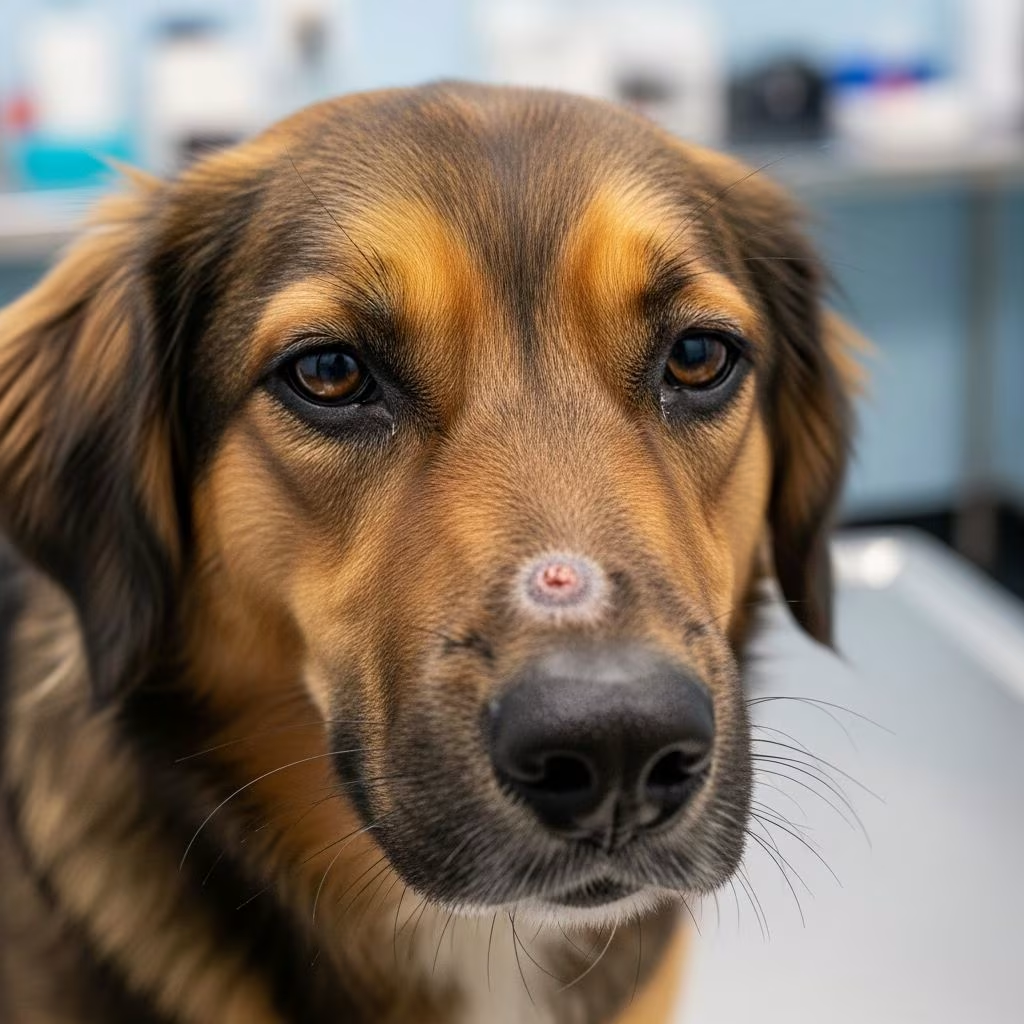
Brucellosis, caused by the bacterium Brucella canis, represents a significant health concern for dogs, particularly those involved in breeding programs. This infectious disease primarily targets the reproductive system, leading to infertility, abortions, and other complications that can devastate litters and breeding lines. While many infected dogs show no outward signs, the potential for transmission to other animals and rarely to humans underscores the need for vigilance among veterinarians, breeders, and pet owners.
Understanding the Pathogen and Its Impact
Brucella canis is a gram-negative bacterium adapted to canines, thriving in reproductive tissues, lymph nodes, and occasionally other organs like the eyes, spine, and kidneys. Unlike other Brucella species affecting livestock, this strain is highly specific to dogs, making it a unique challenge in veterinary practice. The bacteria’s ability to persist intracellularly allows it to evade the immune system, leading to chronic infections that are difficult to eradicate.
Infection disrupts normal reproductive functions. In females, it often results in early embryonic death or late-term abortions, while males experience testicular inflammation and subsequent atrophy. These effects not only halt breeding success but also pose risks during whelping, where pups may be born infected despite appearing healthy at birth.
Recognizing Clinical Manifestations
Symptoms of canine brucellosis vary widely, with many carriers remaining asymptomatic, which complicates detection. Reproductive failures dominate the clinical picture:
- Females: Infertility, resorption of embryos, abortions typically after 45-55 days of gestation, weak or stillborn puppies, and postpartum uterine infections (endometritis).
- Males: Epididymitis causing scrotal swelling and dermatitis from licking, orchitis, infertility, and eventual testicular shrinkage in chronic cases.
Beyond reproduction, nonspecific signs may include lethargy, loss of appetite, dull coat, enlarged lymph nodes, and fever (though rare). Systemic involvement can lead to discospondylitis (spinal infections causing back pain), uveitis (eye inflammation with symptoms like squinting, cloudiness, or bleeding in the eye), kidney issues, or rarely cardiac or neurological problems.
In acute phases, males may present with visibly enlarged scrotums or rashes, while chronic infections manifest subtly as persistent infertility without other clues.
Diagnostic Approaches and Testing Protocols
Diagnosis relies on a combination of clinical history, serology, and advanced methods, as culture is challenging due to the bacterium’s fastidious nature. Breeding dogs should undergo routine screening, especially before mating.
Primary Screening Tests:
| Test Name | Description | Detection Window | Notes |
|---|---|---|---|
| RSAT (Rapid Slide Agglutination Test) | Quick blood test detecting antibodies. | 3-4 weeks post-infection | Common screener; false positives possible, requires confirmation. |
| TAT (Tube Agglutination Test) | Measures antibody titers quantitatively. | Similar to RSAT | Useful for screening; titer levels guide interpretation. |
| AGID (Agar Gel Immunodiffusion) | Highly specific serologic test. | 12 weeks to 1 year | Confirms persistent infections. |
Additional tools include ELISA, PCR for direct bacterial DNA detection, and bacterial culture from tissues or fluids. Routine bloodwork may show mild inflammation (e.g., elevated white cells or globulins), but imaging like X-rays or CT scans is key for suspected spinal or ocular issues.
Negative screening tests are reliable if exposure is not recent, but positives demand follow-up to rule out cross-reactivity.
Treatment Challenges and Outcomes
No curative treatment exists for canine brucellosis; the bacterium’s intracellular hiding spots in tissues like the prostate, eyes, and bones enable lifelong persistence and intermittent shedding.
Management strategies include:
- Surgical Intervention: Spaying or neutering reduces shedding from reproductive tracts but does not eliminate infection.
- Antimicrobial Therapy: Prolonged combinations like doxycycline or minocycline with enrofloxacin, streptomycin, or rifampin (4-6 months or longer). Relapses are common, requiring ongoing monitoring.
- Supportive Care: Address secondary issues like pain or inflammation.
Success stories exist, such as cases of uveitis resolving after extended therapy (up to 2 years), with seronegativity achieved. However, many protocols fail due to incomplete bacterial clearance, influenced by the dog’s immune response (Th1 vs. Th2).
Regulatory aspects vary by region; some states mandate reporting, neutering, or euthanasia to curb spread.
Zoonotic Potential and Human Health Risks
Though rare, B. canis can infect humans, particularly those handling aborted tissues, semen, or urine from infected dogs. High-risk groups include veterinarians, breeders, and lab workers. Human symptoms mimic flu: fever, chills, fatigue, headaches, muscle aches, and swollen nodes, potentially progressing to joint, bone, or heart complications.
Incubation is 3 weeks to months; treatment in people involves extended antibiotics with good response rates, though relapses occur. Owners should seek medical care if exposed and symptomatic.
Prevention Strategies for Breeders and Owners
Prevention hinges on testing and biosecurity:
- Test all breeding stock annually or before mating using approved screens.
- Quarantine new dogs for 3-4 weeks and retest.
- Avoid contact with strays or untested breeders.
- Maintain hygiene: disinfect kennels, dispose of aborted materials safely.
- Consider neutering non-breeding dogs to eliminate reproductive risks.
Euthanasia of positives is recommended in many guidelines to prevent spread, though isolation with monitoring is an alternative for valued animals.
Frequently Asked Questions (FAQs)
Can my dog be cured of brucellosis?
No, current treatments suppress but do not eradicate the infection; lifelong carriage is typical.
Is brucellosis contagious to other pets?
Yes, via vaginal/penile fluids, semen, aborted pups/placentas, and urine/saliva.
How do I test my breeding dog?
Use RSAT or TAT for screening, confirm positives with AGID or PCR.
What if my dog tests positive?
Consult your vet; options include neuter/spay, antibiotics, isolation, or euthanasia per local rules.
Can humans get brucellosis from dogs?
Rarely, but possible through direct contact with infected materials; practice hygiene.
Key Takeaways for Dog Owners
Brucellosis demands proactive management. Routine screening in at-risk populations prevents outbreaks, protects litters, and safeguards public health. Collaborate with veterinarians for tailored plans, prioritizing prevention over reactive measures.
References
- Brucellosis in Dogs | VCA Animal Hospitals — VCA Hospitals. 2023. https://vcahospitals.com/know-your-pet/canine-brucellosis
- Canine brucellosis | Cornell University College of Veterinary Medicine — Cornell University. 2024-02-01. https://www.vet.cornell.edu/departments-centers-and-institutes/riney-canine-health-center/canine-health-topics/canine-brucellosis
- Canine Brucellosis: Information for Adoptive Owners — Minnesota Department of Health. 2023. https://www.health.state.mn.us/diseases/brucellosis/caninebrucellosisadopt.html
- Brucella canis: An update on research and clinical management — PMC (PubMed Central). 2017-12-01. https://pmc.ncbi.nlm.nih.gov/articles/PMC5731389/
- Canine Brucellosis: Information for Dog Owners — North Dakota Department of Agriculture. 2022. https://www.ndda.nd.gov/sites/www/files/documents/files/Canine%20Brucellosis%20Information%20for%20Dog%20Owners.pdf
- Veterinary Guidance for Brucellosis – CDC — Centers for Disease Control and Prevention. 2024. https://www.cdc.gov/brucellosis/hcp/animals/index.html
- Canine Brucellosis: Facts for Dog Owners – NJ.gov — New Jersey Department of Health. 2023. https://www.nj.gov/health/cd/documents/topics/Brucellosis/Canine%20Brucellosis%20Fact%20Sheet-%20general%20public-%20NJDOH.pdf



