

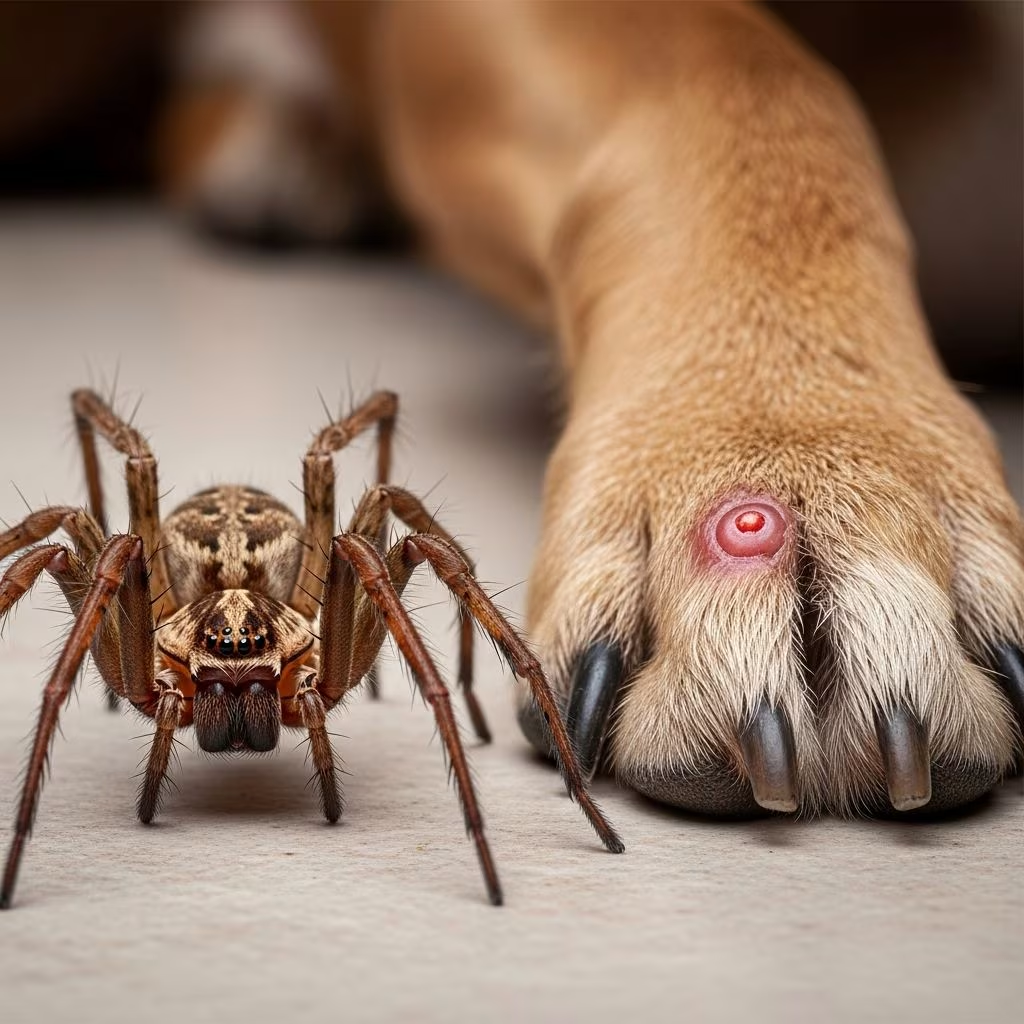
Brown recluse spiders are among the most dangerous arachnids that pets may encounter, particularly in certain regions of the United States. When these spiders bite dogs, they inject venom that can cause significant tissue damage and systemic complications. Understanding how to identify a brown recluse spider bite, recognize the symptoms, and respond appropriately can make a substantial difference in your dog’s recovery and long-term health outcomes.
Identifying Brown Recluse Spiders and Their Habitat
Brown recluse spiders are characterized by their distinctive violin-shaped marking located on their dorsal surface, which makes them recognizable among other spider species. These spiders are typically brown in coloration and relatively small in size. Unlike many other spider species, brown recluse spiders are not aggressive hunters and prefer to remain undisturbed in their chosen environments.
Understanding where brown recluse spiders typically establish themselves is essential for preventing bites. These spiders favor quiet, secluded areas within homes and buildings where human activity is minimal. Common locations include:
- Closets and storage spaces
- Attics and basements
- Under furniture and appliances
- Inside boxes and containers that remain undisturbed
- Dark corners and crevices
Brown recluse spiders typically require provocation or agitation before they will bite. This means most bites occur when a spider becomes trapped against a dog’s skin or when a dog inadvertently disturbs the spider’s resting area. Your dog is unlikely to be bitten during casual exploration unless direct contact and pressure cause the spider to feel threatened.
The Progression of Brown Recluse Spider Bite Symptoms
One of the most challenging aspects of brown recluse spider bites is that they often progress gradually, making early detection difficult. Understanding the timeline of symptom development helps pet owners recognize when veterinary intervention is necessary.
Initial Bite and Immediate Response
At the moment of the bite, brown recluse spiders typically inject minimal venom, and the initial bite is often painless or causes only slight discomfort. This lack of immediate pain is what makes brown recluse bites particularly dangerous—dogs and their owners may not realize a bite has occurred. Your dog may show subtle signs such as brief limping or minor restlessness, which are easy to overlook in the minutes immediately following the bite.
Early Symptom Development (Hours 2-8)
Within two to eight hours after the bite, more noticeable symptoms begin to appear. During this window, the venom starts to affect the tissue surrounding the bite site. You may observe:
- Development of a small blister or raised area at the bite location
- Increasing redness and inflammation around the bite
- Mild to moderate swelling in the affected area
- Your dog favoring the bitten limb and avoiding pressure on it
Progressive Tissue Damage (Days 1-3)
As the venom continues to work, the characteristic “bull’s-eye” lesion or “target” lesion develops, which is the hallmark sign of a brown recluse spider bite. This lesion consists of a central area of pale or whitish tissue surrounded by a ring of red, inflamed skin. The center may appear slightly elevated and may develop a blister. The appearance of this distinctive pattern is a clear indicator that veterinary attention is required.
Tissue Necrosis and Long-term Wound Development
The venom from brown recluse spiders is cytotoxic, meaning it actively destroys living tissue. Over several days to weeks, the tissue at the bite site begins to die in a process called necrosis. The affected area will darken, typically turning black or dark purple as the tissue loses vitality. If the bite is severe, this necrosis can extend beyond the superficial skin layer to affect deeper tissues and even underlying muscle.
In severe cases, the dead tissue eventually sloughs off, leaving behind an open ulcerated wound that can take weeks or even months to heal completely. These wounds require intensive care and careful management to prevent secondary infections and to promote proper healing.
Systemic and Severe Reactions
While most brown recluse spider bites primarily affect the skin at the bite site, some dogs develop systemic symptoms that indicate the venom has affected their entire body rather than just localized tissue. These severe reactions are less common but require immediate emergency veterinary care.
Systemic complications can include:
- Fever and general malaise
- Lethargy and significant tiredness
- Loss of appetite or refusal to eat
- Vomiting and diarrhea
- Bleeding from the gums or in stool
- Seizures in severe cases
- Respiratory difficulty or collapse
- Low blood pressure
- Clotting abnormalities affecting the blood’s ability to coagulate properly
- Organ dysfunction affecting the liver, kidneys, or other vital systems
If your dog exhibits any combination of these systemic symptoms following a suspected spider bite, this constitutes a medical emergency requiring immediate veterinary attention.
Diagnostic Confirmation and Veterinary Evaluation
Diagnosing a brown recluse spider bite relies heavily on the clinical presentation and your account of the circumstances surrounding the bite. There is no definitive laboratory test that can confirm the exact species of spider responsible for a bite. Instead, veterinarians base their diagnosis on:
- The characteristic appearance of the wound, particularly the bull’s-eye lesion
- The timeline of symptom development
- Your description of the spider if you observed it
- The location of the bite and your dog’s activities before the bite appeared
- Your dog’s systemic symptoms, if any are present
A thorough physical examination by your veterinarian is essential, as it allows them to assess the extent of local tissue damage and to evaluate whether systemic symptoms are present. Blood work may be performed to check for clotting abnormalities, organ function, and general health indicators.
Treatment Approaches for Brown Recluse Spider Bites
The Challenge of Antivenom Availability
Unlike some other serious spider bites, such as those from black widow spiders, there is no specific antivenom available for brown recluse spider bites. This means that treatment must focus on managing symptoms and supporting your dog’s body as it heals from the venom’s effects. This is known as symptomatic and supportive care.
Immediate Home Care and First Response
If you suspect your dog has been bitten by a brown recluse spider, certain immediate steps can help reduce the progression of symptoms before professional veterinary care is obtained:
- Apply cold compresses to the bite area to reduce swelling and slow the spread of venom
- Keep the bitten limb immobilized and elevated if possible
- Contact your veterinarian immediately for guidance
- Avoid applying heat or massage to the area
- Do not attempt to extract venom or manipulate the wound
Professional Veterinary Treatment
When you bring your dog to the veterinary clinic, your veterinarian will implement a comprehensive treatment protocol. The cornerstone of brown recluse bite treatment includes:
Wound Management: The bite site will be thoroughly cleaned and may be gently debrided to remove any debris or contamination. The veterinarian will assess the extent of tissue damage and establish a cleaning protocol to prevent infection and promote healing.
Cold Therapy: Cold compresses are applied to the bite area to reduce inflammation and limit the progression of tissue damage. This is most effective when started early in the course of the bite.
Medication Administration: Your veterinarian will prescribe pain medication to keep your dog comfortable during the healing process, as brown recluse bites can become increasingly painful as tissue damage develops. Antibiotics are typically administered to prevent secondary bacterial infection in the open wound.
Steroid Therapy: In some cases, corticosteroid medications may be used to reduce inflammation and potentially limit the extent of tissue necrosis, though evidence for this approach varies.
Special Medications: A medication called Dapsone has been shown in some cases to reduce the extent of necrosis when administered early in the course of a brown recluse bite, before extensive tissue death has already occurred. However, this medication must be given within a specific window of time to be effective.
Hospitalization and Advanced Care
For severe bites or cases where systemic symptoms develop, hospitalization becomes necessary. During hospitalization, your dog may receive:
- Intravenous fluid therapy to maintain hydration and support organ function
- Blood transfusions if significant bleeding or severe clotting abnormalities develop
- Continuous monitoring of vital signs and organ function
- Intensive wound care and dressing changes
- Additional pain management and supportive medications
Surgical Intervention
In cases where extensive tissue necrosis occurs, surgical intervention may be considered. Surgical debridement involves carefully removing dead tissue to promote healing and reduce the risk of infection. However, surgical treatment is not always recommended because it can sometimes lead to prolonged healing times or permanent scarring. Your veterinarian will discuss whether surgical intervention is appropriate for your individual dog’s situation.
Recovery Timeline and Long-Term Outlook
The healing timeline for brown recluse spider bites varies considerably depending on the severity of the bite. Understanding realistic expectations helps you plan for your dog’s care and recovery.
Most uncomplicated brown recluse spider bites in dogs heal within three weeks or less, though some cases may require longer recovery periods. Dogs with mild bites that primarily affect the skin surface typically recover without permanent complications. However, bites that cause significant tissue necrosis may take weeks or even months to heal completely, and permanent scarring is a possibility in severe cases.
The vast majority of dogs survive brown recluse spider bites without serious long-term complications, and fatalities are exceptionally rare. With prompt veterinary care and appropriate treatment, most dogs return to normal function and quality of life.
Prevention Strategies for Your Dog
The most effective approach to brown recluse spider bites is prevention. Since these spiders prefer quiet, undisturbed areas, reducing their habitat within your home significantly decreases the likelihood of an encounter with your dog.
- Regularly clean and declutter closets, basements, and attics
- Seal cracks and crevices in walls and foundations
- Remove cardboard boxes and unnecessary storage items
- Inspect dark areas before your dog explores them
- Use a flashlight when reaching into dark spaces or under furniture
- Consider professional pest control if brown recluse spiders are known to inhabit your area
When to Seek Emergency Veterinary Care
Contact your veterinarian immediately if you suspect a brown recluse spider bite has occurred, even if symptoms seem mild. Seek emergency care right away if your dog exhibits:
- Difficulty breathing or respiratory distress
- Seizures or neurological symptoms
- Severe bleeding or signs of blood loss
- Vomiting, diarrhea, or abdominal pain
- Collapse or severe lethargy
- Any combination of systemic symptoms
Your veterinarian can be reached through your regular clinic during business hours, but after-hours emergencies may require a visit to an emergency veterinary hospital. You can also contact Pet Poison Helpline at (855) 764-7661 for guidance on whether your dog’s situation requires immediate emergency evaluation.
Frequently Asked Questions
How quickly do brown recluse spider bite symptoms appear in dogs?
Initial bite pain is minimal or absent, but within 2-8 hours after the bite, a blister and redness typically develop. The characteristic bull’s-eye lesion develops within 24 hours, and progressive tissue damage continues over days to weeks.
Can a dog die from a brown recluse spider bite?
While fatal outcomes are possible in extremely severe cases with extensive systemic involvement, deaths are exceptionally rare in dogs. Most dogs recover fully with appropriate veterinary treatment.
Will my dog have permanent scarring from a brown recluse spider bite?
Mild bites typically heal without scarring. Severe bites that cause extensive tissue necrosis may result in permanent scarring, especially if surgical debridement is required.
Is there a specific antivenom for brown recluse spider bites?
No antivenom exists for brown recluse spider bites, so treatment focuses on supportive care, wound management, and symptom relief.
How long does it take for a brown recluse spider bite to heal?
Most bites heal within three weeks or less. However, severe bites with significant tissue necrosis may require weeks or months of healing.
References
- How to Treat Brown Recluse Spider Bite on a Dog — Pet Poison Helpline. Accessed February 17, 2026. https://www.petpoisonhelpline.com/pet-tips/how-to-treat-brown-recluse-spider-bite-on-a-dog/
- What are the Symptoms of a Spider Bite on a Dog? — South Wilton Veterinary Group. March 15, 2024. https://www.southwiltonvet.com/site/blog-fairfield-county-vet/2024/03/15/spider-bite-dog
- Brown Recluse Spider Bite Poisoning (Loxoscelism) in Dogs — Vetster. Accessed February 17, 2026. https://vetster.com/en/conditions/dog/brown-recluse-spider-bite-poisoning-loxoscelism
- Spider Bites in Dogs: Symptoms, Treatment, and Prevention — Sniff Spot. Accessed February 17, 2026. https://www.sniffspot.com/blog/dog-enrichment/what-to-do-if-a-spider-bites-your-dog
- Brown Recluse Spider Bite Poisoning in Dogs — PetMD. Accessed February 17, 2026. https://www.petmd.com/dog/poisoning/brown-recluse-spider-bite-dogs
- Brown Recluse Spider Bites on Dogs — American Animal Clinic. Accessed February 17, 2026. https://aac.vet/blog/brown-recluse-spider-bites-on-dogs/



