

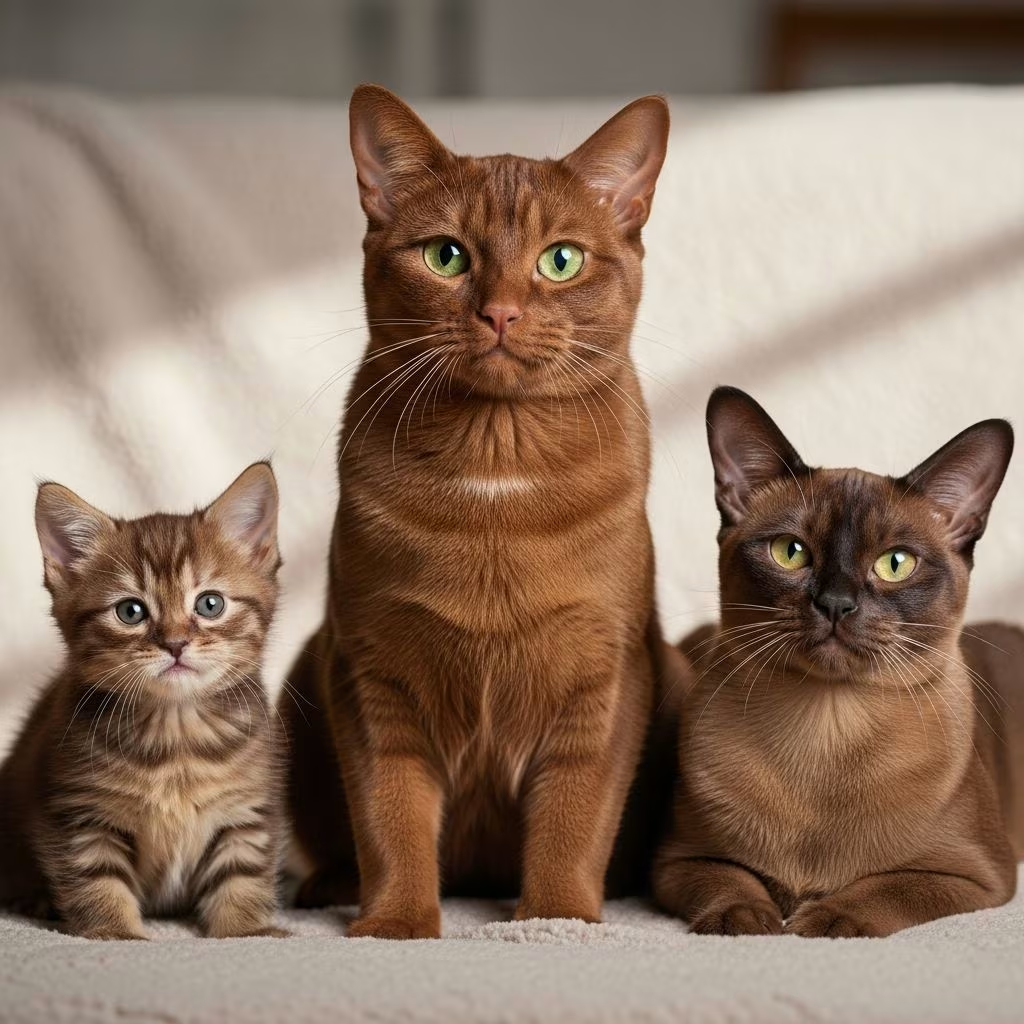
Brown cats embody a warm, inviting presence with their rich, earthy coat colors ranging from deep mahogany to soft sable tones. These breeds, often resulting from selective breeding programs involving Siamese and other shorthairs, offer distinctive looks and charming personalities that appeal to feline enthusiasts. While solid brown coats are relatively uncommon, certain breeds have perfected this hue, making them standout pets.
The Genetic Magic Behind Brown Coats
The signature brown color in cats stems from specific genetic factors, primarily the chocolate allele, which is recessive to black. For a kitten to exhibit a solid brown coat, both parents must carry this gene, often hidden in black or pointed Siamese ancestors. Early breeding efforts in Europe and the UK revived interest in self-brown cats after they nearly vanished due to preferences for pointed Siamese patterns. Modifier genes, like the dilute factor, can lighten brown to taupe or mink shades, expanding the palette within brown breeds.
Historical records note self-brown cats, sometimes called Swiss Mountain Cats, exhibited in the 1890s, but they faded until post-WWII revivals. Modern brown breeds trace their lineage to 1950s crosses between chocolate-point Siamese and black domestics, producing the warm chestnut tones we admire today.
Spotlight on Iconic Brown Breeds
Several breeds stand out for their commitment to brown hues, each with unique origins and traits. Below, we profile the most notable ones, highlighting what sets them apart.
Havana Brown: The Mahogany Marvel
The Havana Brown, developed in 1950s England by breeders like those from the Chestnut Brown Group, emerged from Siamese crossed with black shorthairs carrying the chocolate gene. Named for the rich cigar tobacco hue, this breed features a solid, warm brown coat without tabby markings in adults, large green eyes, and a wedge-shaped head with prominent ears. American lines emphasize a moderate build, preserving the original imported look, while UK variants lean toward Oriental Shorthair influences.
Muscular yet elegant, Havana Browns weigh 6-12 pounds, with short, silky fur that’s easy to maintain. Their playful, intelligent nature makes them dog-like companions, thriving in active households.
Burmese: Sable Charmers from the East
Originating from a brown female imported from Burma mated to a Siamese in the 1930s, Burmese cats popularized the sable brown coat. American and British standards differ: Americans favor a rounded head and stockier body, while British types are slimmer with a more angular face. The classic “sable” is a dark brown with a golden undercoat, paired with gold or green eyes.
Known for their docile, loyal demeanor, Burmese are vocal yet gentle, forming deep bonds with owners. They average 8-15 pounds, live 10-16 years, and require minimal grooming due to their plush, short coat.
Tonkinese: Versatile Brown Hybrids
A cross between Burmese and Siamese, Tonkinese offer brown in solid “natural” (medium brown), mink, and pointed patterns. Dating back to the 19th century but formalized in the 1960s, they blend Siamese athleticism with Burmese warmth. Natural Tonkinese display a warm brown body with subtle shading, aqua or green eyes, and a playful, people-oriented personality.
Medium-sized at 6-12 pounds, their soft, short fur sheds lightly. Tonkinese excel as family pets, adapting well to apartments or homes with children and other pets.
Comparing Key Brown Cat Breeds
| Breed | Coat Color | Eye Color | Size (lbs) | Temperament | Lifespan (years) |
|---|---|---|---|---|---|
| Havana Brown | Solid mahogany brown | Green | 6-12 | Playful, social, intelligent | 10-15 |
| Burmese | Sable brown | Gold/green | 8-15 | Docile, loyal, affectionate | 10-16 |
| Tonkinese | Natural brown (solid/mink) | Aqua/green | 6-12 | Energetic, friendly, vocal | 12-16 |
This table summarizes core traits, aiding quick comparisons for potential owners.
Care Essentials for Brown-Coated Cats
Maintaining the lustrous brown coat of these breeds is straightforward but requires consistency.
- Grooming: Weekly brushing removes loose fur and distributes natural oils, enhancing shine. Baths are rare, as short coats self-clean effectively.
- Diet: High-protein foods support coat health; omega-3 supplements promote rich color. Avoid overfeeding, as sterilized cats may gain weight.
- Health Monitoring: Common issues include dental disease and hypertrophic cardiomyopathy in some lines. Annual vet checks and genetic testing via organizations like the Winn Feline Foundation help widen gene pools.
- Environment: Provide scratching posts, toys, and vertical spaces to match their active natures. They flourish with companionship, disliking solitude.
Understanding Coat Variations and Patterns
Not all brown cats are solid; tabby patterns in brown mackerel or classic forms mimic wild ancestry, offering camouflage in nature. However, purebred brown breeds prioritize solids. Kittens often show ghost markings that fade by adulthood, a trait especially evident in Havana Browns.
Dilution genes create lighter shades like champagne in Tonkinese, while sepia patterns yield even brown tones. Genetic diversity projects, funded by feline research groups, ensure these breeds avoid inbreeding depression.
Why Choose a Brown Cat Breed?
Brown cats bring a grounding, cozy vibe to homes, their warm coats evoking autumn leaves or fine chocolate. Beyond aesthetics, their sociable temperaments suit various lifestyles—from apartments to family farms. Recognition by bodies like the Cat Fanciers’ Association since the 1960s underscores their pedigree status.
Adopting from reputable breeders or rescues preserves breed standards and health. These felines reward owners with loyalty, playfulness, and visual splendor.
Frequently Asked Questions (FAQs)
Are brown cats rare?
Solid brown coats are less common than black or tabby due to recessive genetics, but breeds like Havana Brown exemplify them.
Do brown cats have specific health issues?
Like many purebreds, they may face oral disease or heart conditions; early screening mitigates risks.
Can brown cats be hypoallergenic?
Shorthaired breeds produce less dander, but no cat is truly hypoallergenic. Regular grooming helps.
How do I maintain a brown cat’s coat color?
Quality nutrition and minimal sun exposure prevent fading; genetics dictate the base hue.
Are brown cats good with children?
Yes, breeds like Burmese and Tonkinese are patient and interactive, ideal for families.
References
- Havana Brown – Wikipedia — Wikipedia contributors. 2023-10-15. https://en.wikipedia.org/wiki/Havana_Brown
- Everything you need to know about Havana Brown cats — Pet Rebels. 2023. https://www.petrebels.com/en/cat-breeds-havana-brown-cat/
- The Havana Brown cat — Cat in the Box LLC. 2023. https://thecatisinthebox.com/blogs/kitty-contemplations/the-havana-brown-cat
- 8 Brown Cat Breeds & Brown Cat Names — A-Z Animals. 2024-01-10. https://a-z-animals.com/pets/cats/cat-lists/brown-cat-breeds-brown-cat-names/
- 9 Brown Cats From Siamese Chocolate Point to Havana Brown — HowStuffWorks. 2023. https://animals.howstuffworks.com/pets/brown-cats.htm
- Havana Brown — Cat Fanciers’ Association. 2024. https://cfa.org/breed/havana-brown/



