

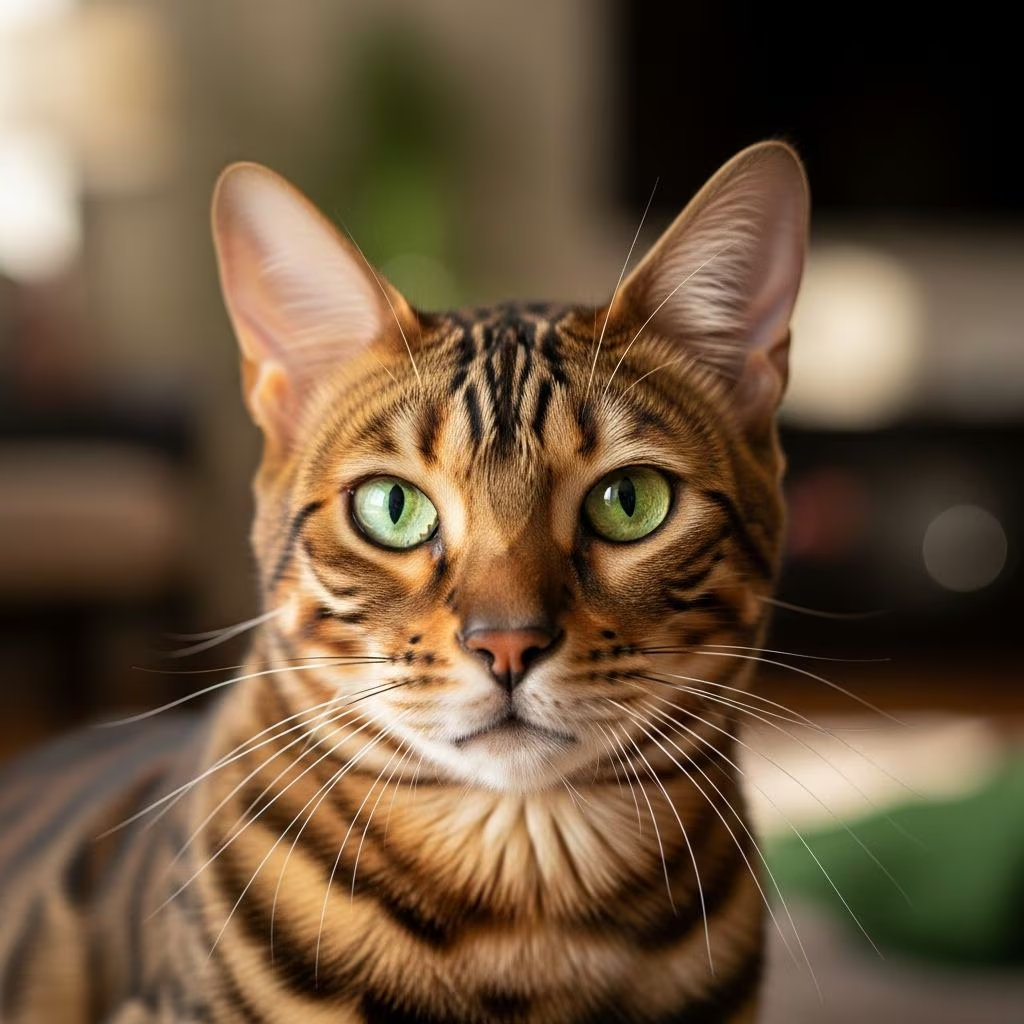
The brown Bengal cat stands out as one of the most visually striking domestic breeds, blending the allure of wild felines with the companionship of a household pet. Known for its bold, rosetted markings on a rich brown coat, this breed captures the essence of jungle cats like leopards while offering unwavering loyalty and playfulness.
Origins and Development of the Bengal Breed
The Bengal breed emerged from an ambitious breeding program in the 1970s, spearheaded by Jean Mill in the United States. She crossed a domestic cat with the Asian Leopard Cat (Prionailurus bengalensis), aiming to replicate the wildcat’s exotic appearance in a pet-friendly form. Early generations, called Foundation Bengals (F1 to F3), retained significant wild traits, but selective breeding over decades produced the stable, domesticated brown Bengal seen today.
Challenges arose during development, including fertility issues in early hybrids and regulatory hurdles in some countries. By the 1980s, organizations like The International Cat Association (TICA) recognized the breed, followed by The Cat Fanciers’ Association (CFA). Today, brown Bengals dominate shows and homes, prized for their extreme contrast between tawny ground color and dark brown or black spots.
Distinctive Physical Features
Brown Bengal cats possess a muscular, athletic build that underscores their agile heritage. They range from medium to large size, with males typically weighing 10-15 pounds and females 8-12 pounds. Their bodies are long and sleek, supported by strong legs—hind legs slightly longer for powerful leaps.
The head is broad yet slightly longer than wide, featuring high cheekbones, a large nose with puffed leather, and prominent whisker pads. Ears are medium-sized with rounded tips, set wide apart. Eyes are large ovals, slanted slightly, in shades of gold, green, or hazel, enhancing their alert, expressive gaze.
The tail is thick, medium-length, and low-set, adding balance during acrobatic feats. Paw pads are black, and the nose leather varies but often complements the coat.
The Iconic Brown Spotted and Marbled Coat
- Ground Color: Varies from warm tan, golden, or orange to deeper brown tones, creating a vivid base.
- Markings: Distinct rosettes, spots, or marbled patterns in dark brown to black, with sharp edges and high contrast. Rosettes resemble wildcat prints, a hallmark of the breed.
- Glitter Effect: Many coats shimmer with a sparkling sheen under light, due to a unique gene causing iridescent tipping.
- Texture: Short, plush, and silky, feeling luxuriously soft to the touch—unlike any other domestic cat fur.
This coat not only dazzles visually but also requires minimal grooming, as its density repels dirt effectively.
Coat Variations Within Brown Bengals
| Pattern | Description | Key Features |
|---|---|---|
| Spotted | Randomly placed rosettes and spots | Extreme contrast, two-toned markings, lighter facial spectacles |
| Marbled | Swirling, marble-like designs | Horizontal flow, random yet defined patterns across flanks |
| Glittered | Any pattern with sparkle | Gold-dusted appearance in sunlight, enhances depth |
Brown Bengals must exhibit clear distinction between body color and markings for show quality, with desirable lighter underbelly and whisker pads.
Temperament: Energetic and Affectionate Companions
Brown Bengals are far from aloof; they crave interaction and display kitten-like vigor into adulthood. Intelligent and curious, they excel at problem-solving, learning tricks, and even leash walking.
- Playful explorers who love fetch, puzzle toys, and climbing structures.
- Devoted to family, often forming strong bonds and following owners room-to-room.
- Vocally expressive with chirps, trills, and meows to communicate needs.
- Athletic performers, capable of 5-foot jumps and water fascination—many enjoy swimming.
While confident and outgoing, early socialization ensures they thrive in multi-pet homes. Their high energy suits active owners but may overwhelm sedentary lifestyles.
Care Essentials for Optimal Health
Brown Bengals live 12-16 years with proper care, though their active nature demands tailored routines.
Grooming Routine
A weekly brush distributes oils and captures loose fur. Bathe rarely, as their coat self-cleans. Check ears weekly for wax buildup from play, trim nails bi-weekly, and brush teeth daily to prevent issues.
Nutrition and Exercise
High-protein diets mimic their carnivorous ancestry—opt for quality kibble or wet food with meat as the first ingredient. Portion control prevents obesity in these muscular cats. Provide vertical spaces, interactive toys, and daily play sessions to channel energy.
Veterinary Considerations
Generally robust, but screen for hypertrophic cardiomyopathy (HCM), progressive retinal atrophy (PRA), and hip dysplasia. Annual check-ups, vaccinations, and parasite prevention are crucial. Spay/neuter around 4-6 months.
Health Profile and Common Concerns
| Condition | Prevalence | Prevention/Management |
|---|---|---|
| Hypertrophic Cardiomyopathy (HCM) | Moderate in breed | Genetic screening, annual echoes |
| Patellar Luxation | Occasional | Weight management, joint supplements |
| Dental Disease | Common in actives | Dental diets, regular brushing |
| Obesity | Preventable | Calorie-controlled feeding, exercise |
Breeders should provide health clearances; choose those testing for known genetic markers.
Bringing Home a Brown Bengal Kitten
Select reputable breeders adhering to CFA or TICA standards. Kittens should be F4+ for full domestication, weaned at 8-12 weeks, with first vaccines. Prepare with scratching posts, cat trees, and secure enclosures.
Cost ranges $1,000-$5,000 depending on lineage and show potential. Adoptions from rescues offer mature Bengals needing homes.
Brown Bengals in Cat Shows and Competitions
These cats shine in registries like CFA and TICA, judged on coat clarity, body proportion, and temperament. Brown spotted/marble classes emphasize contrast and rosette quality. Their glitter and wild poise often earn top ribbons.
Training Tips for Success
- Use positive reinforcement with treats and praise.
- Teach litter use early; provide large, uncovered boxes.
- Harness train for outdoor adventures.
- Introduce slowly to new pets or children.
Bengals respond to clicker training, mastering commands like sit, come, and high-five.
FAQs About Brown Bengal Cats
Are brown Bengals hypoallergenic?
No, but their short coat sheds minimally, suiting allergy sufferers better than longhaired breeds.
Do they get along with dogs?
Often yes, with proper introductions—their confidence matches canine energy.
How much exercise do they need?
30-60 minutes daily of interactive play to prevent boredom-induced mischief.
Can brown Bengals be indoor-only?
Absolutely; enrich environments with perches and toys to satisfy instincts.
What’s the difference between spotted and marbled patterns?
Spotted has distinct rosettes; marbled swirls horizontally like abstract art.
Why Choose a Brown Bengal?
This breed offers unmatched beauty and vitality, turning homes into adventure zones. Their wild aesthetics paired with loving hearts make them ideal for dedicated owners seeking a dynamic companion.
References
- Bengal – The Cat Fanciers’ Association — CFA. Accessed 2026. https://cfa.org/breed/bengal/
- Bengal Cat – Breed Facts & Characteristics — Royal Canin. Accessed 2026. https://www.royalcanin.com/mt/cats/breeds/bengal
- Bengal – The Governing Council of the Cat Fancy — GCCF. Accessed 2026. https://www.gccfcats.org/getting-a-cat/choosing/cat-breeds/bengal/
- Bengal – TICA — The International Cat Association. Accessed 2026. https://tica.org/breed/bengal/
- Personality and Temperament – Bengal Cats and Kittens — Royal Bengal Cattery. Accessed 2026. https://royalbengalcattery.com/about-bengals/personality-and-temperament.html



