
Bronchoscopy for Dogs: A Pet Owner’s Guide
Discover how bronchoscopy helps diagnose and treat respiratory issues in dogs, from preparation to recovery, as shared through real pet owner experiences.
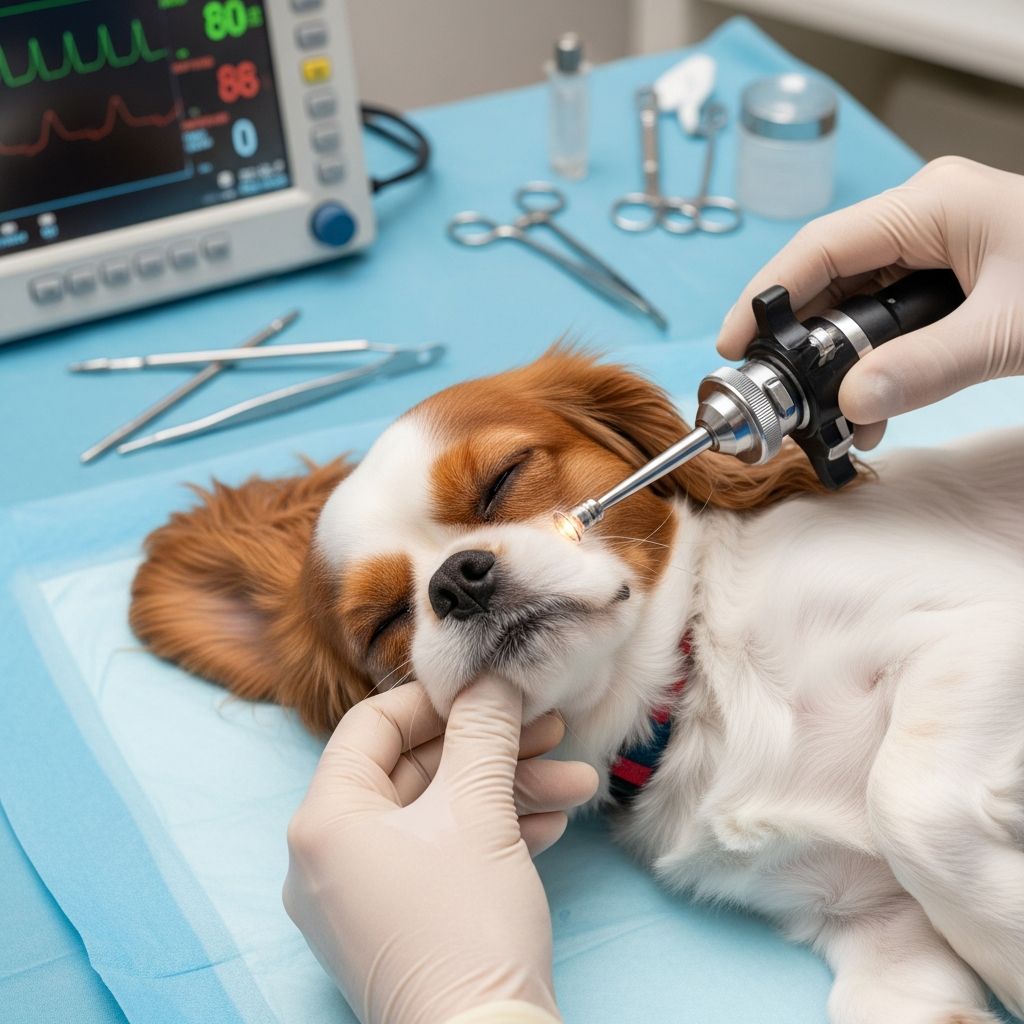
Bronchoscopy is a vital diagnostic and therapeutic tool in veterinary medicine that allows veterinarians to visualize a dog’s airways and lungs using a flexible tube equipped with a camera and light. This procedure helps identify issues like chronic coughs, infections, or foreign objects that standard tests might miss.
Understanding Respiratory Challenges in Canines
Dogs can suffer from various respiratory conditions, including bronchitis, pneumonia, collapsing trachea, and aspirated foreign bodies. Symptoms often include persistent coughing, wheezing, difficulty breathing, lethargy, and exercise intolerance. These signs may stem from allergies, infections, heart disease, or anatomical issues common in small breeds like Yorkshire Terriers or Pomeranians.
When initial treatments like antibiotics or cough suppressants fail, or if X-rays reveal abnormalities, veterinarians recommend bronchoscopy for a closer look. Unlike human procedures, veterinary bronchoscopy adapts to smaller airways, requiring specialized equipment.
- Common triggers: Environmental allergens, bacterial/viral infections, inhaled irritants.
- High-risk breeds: Chihuahuas, Pugs, Bulldogs due to brachycephalic features.
- Diagnostic value: Collects samples for cytology, culture, or biopsy to pinpoint causes.
Why Choose Bronchoscopy for Your Dog?
Bronchoscopy offers direct visualization of the trachea, bronchi, and smaller airways, enabling precise diagnosis. It surpasses radiographs or CT scans by allowing real-time intervention, such as removing mucus plugs or foreign materials.
| Diagnostic Method | Advantages | Limitations |
|---|---|---|
| X-ray/CT | Non-invasive, quick | Cannot sample tissues or remove blockages |
| Bronchoscopy | Visualizes interior, biopsies, treatments | Requires sedation/anesthesia |
| Blood tests | Detects systemic infection | Misses localized airway issues |
In therapeutic cases, it facilitates stent placement for tracheal collapse or laser ablation of tumors, improving quality of life.
Preparing Your Dog for the Procedure
Preparation begins days in advance. Veterinarians review medical history, allergies, and current medications. Fasting is typically required 8-12 hours prior to prevent aspiration under anesthesia.
Pre-procedure tests include bloodwork, chest X-rays, and sometimes ECG to ensure safety. Owners receive detailed instructions:
- Withhold food and water as directed.
- Arrange transportation; no driving post-procedure due to sedation effects.
- Provide a quiet recovery space at home.
Sedation protocols mirror human practices: IV sedatives like benzodiazepines or opioids for moderate sedation, with monitoring of vitals.
The Bronchoscopy Procedure Step-by-Step
Performed in a specialized veterinary facility by a board-certified veterinary internist or surgeon, the procedure lasts 30-60 minutes.
- Anesthesia induction: General anesthesia ensures immobility; endotracheal tube protects airways.
- Scope insertion: Flexible bronchoscope (3-5mm diameter for dogs) enters via mouth, passing vocal cords into trachea.
- Exploration: Camera relays live images; saline lavage collects samples for analysis (bronchoalveolar lavage – BAL).
- Interventions: Biopsies, foreign body removal, or brushing for cytology if needed.
- Completion: Scope withdrawal; chest X-ray checks for complications like pneumothorax.
Images and videos are recorded for review, aiding treatment planning.
Immediate Post-Procedure Care
Dogs recover in a monitored area. Mild grogginess, coughing, or nasal discharge is common as anesthesia wears off. IV fluids maintain hydration; pain meds alleviate discomfort.
Discharge occurs same-day if stable, with instructions:
- Monitor breathing, appetite, and activity.
- Prevent jumping or rough play for 24-48 hours.
- Report fever, worsening cough, or lethargy immediately.
Sample results take 2-7 days, guiding further therapy like targeted antibiotics.
Real-Life Outcomes: What Pet Owners Experience
Many owners report transformative results. For instance, dogs with chronic coughs unresponsive to meds often reveal fungal infections or parasites via BAL, leading to cures. Success rates exceed 80% for diagnosis, with low complication rates (under 5%).
Owners note initial anxiety but appreciate detailed vet communication. Post-procedure, most dogs resume normalcy within days, breathing easier and enjoying walks again.
Potential Risks and How They’re Managed
Though safe, risks include bleeding, infection, bronchospasm, or anesthesia reactions. Rigid scopes are rare in dogs, reserved for severe cases.
- Bleeding: Controlled with electrocautery or medications.
- Pneumothorax: Detected via X-ray; chest tube if needed.
- Infection: Prophylactic antibiotics prevent this.
Board-certified facilities minimize risks through advanced monitoring.
Long-Term Benefits and Follow-Up
Bronchoscopy often resolves mysteries behind respiratory distress, preventing progression to respiratory failure. Repeat procedures may be needed for ongoing issues like asthma or tumors.
Follow-up includes rechecks, lifestyle changes (e.g., harnesses over collars), and environmental management like air purifiers.
Frequently Asked Questions (FAQs)
Is bronchoscopy painful for my dog?
No, general anesthesia ensures no pain during the procedure. Mild soreness may follow, managed with meds.
How much does it cost?
Ranges $1,500-$4,000 USD, depending on location, complexity, and samples needed. Consult your vet for quotes.
Can all dogs undergo bronchoscopy?
Most can, but severe heart/lung disease may contraindicate. Pre-screening assesses suitability.
What if results are inconclusive?
Further tests like CT or endoscopy may follow, but bronchoscopy clarifies 90% of cases.
How soon can my dog eat after?
Small meals 2-4 hours post-recovery, progressing to normal diet if tolerated.
Advances in Veterinary Bronchoscopy
Technological improvements include smaller scopes, high-definition imaging, and robotic assistance, enhancing precision in tiny airways. Cryotherapy and stents offer new treatments for chronic conditions.
Pet insurance increasingly covers such procedures, making advanced care accessible.
References
- Bronchoscopy – Mayo Clinic — Mayo Clinic. 2023-10-12. https://www.mayoclinic.org/tests-procedures/bronchoscopy/about/pac-20384746
- Bronchoscopy – StatPearls – NCBI Bookshelf — National Center for Biotechnology Information. 2023-07-17. https://www.ncbi.nlm.nih.gov/books/NBK448152/
- Bronchoscopy | American Lung Association — American Lung Association. 2024-01-15. https://www.lung.org/lung-health-diseases/lung-procedures-and-tests/bronchoscopy
- Bronchoscopy and Bronchoalveolar Lavage (BAL) – MedlinePlus — MedlinePlus (U.S. National Library of Medicine). 2023-11-08. https://medlineplus.gov/lab-tests/bronchoscopy-and-bronchoalveolar-lavage-bal/
- Bronchoscopy: Purpose, Procedure, Risks & Results — Cleveland Clinic. 2024-02-20. https://my.clevelandclinic.org/health/diagnostics/21471-bronchoscopy
- Bronchoscopy Procedure – Rush University Medical Center — Rush University Medical Center. 2023-09-05. https://www.rush.edu/treatments/bronchoscopy-procedure
Similar Articles








Read full bio of medha deb




