

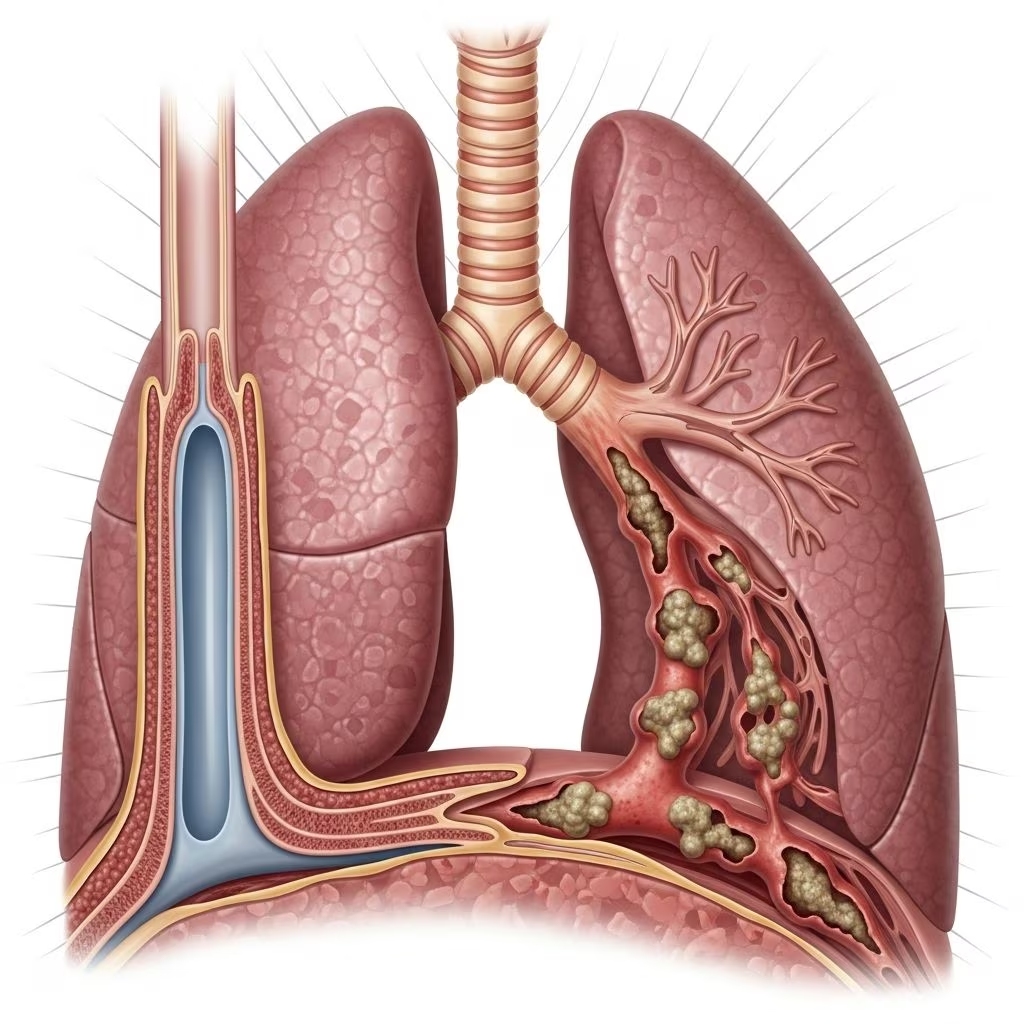
Bronchiectasis represents a significant respiratory concern in canine medicine, characterized by permanent and pathological enlargement of the airways due to destruction of the elastic and muscular components of bronchial walls. Unlike temporary inflammation, this condition involves irreversible changes that compromise lung function and predispose dogs to recurrent infections and progressive decline in respiratory capacity. Understanding the mechanisms, recognition of clinical presentations, and evidence-based management strategies can substantially improve outcomes and quality of life for affected canines.
Understanding the Pathophysiology of Airway Changes
The respiratory system in dogs functions through a coordinated network of airways that progressively narrow from the trachea down to microscopic alveoli where oxygen exchange occurs. When bronchiectasis develops, this anatomical integrity becomes compromised through a cascade of pathological processes. The bronchi, which are the larger airways conducting air to distal lung segments, lose structural integrity when their supportive tissue framework degenerates.
Chronic inflammation and recurrent or inadequately treated infections trigger a self-perpetuating cycle. As the bronchial walls weaken, they become increasingly susceptible to collapse and abnormal dilation. This dilation prevents normal airway closure during exhalation, allowing secretions to accumulate within the damaged bronchi. The pooled secretions further irritate the already compromised airway lining, perpetuating inflammation and inviting secondary bacterial colonization. This vicious cycle leads to progressive deterioration of lung parenchyma and functional decline.
The condition can be classified based on anatomical appearance into cylindrical bronchiectasis (where airways gradually taper), varicose bronchiectasis (showing irregular dilations and constrictions), and saccular bronchiectasis (characterized by severe ballooning of affected segments). The distribution and severity of these changes influence clinical presentation and treatment responsiveness.
Predisposition Patterns and Risk Factors
Certain canine breeds demonstrate increased susceptibility to bronchiectasis development. American Cocker Spaniels, West Highland White Terriers, miniature poodles, Siberian huskies, and English springer spaniels are well-documented as predisposed populations. While bronchiectasis can theoretically occur at any age, it predominantly affects middle-aged and older dogs, particularly those with pre-existing chronic respiratory disease.
The etiology of bronchiectasis is multifactorial. Primary ciliary dyskinesia, an inherited disorder affecting the mucociliary clearance mechanism, significantly increases risk. Dogs with this condition cannot effectively mobilize secretions from the lungs, leading to chronic pooling and secondary infections. Long-standing or inadequately treated respiratory infections create chronic antigenic stimulation that damages airway architecture.
Environmental and exposure-related factors contribute substantially to disease development. Chronic inhalation of smoke, chemical vapors, or other airborne irritants causes persistent inflammation. Aspiration pneumonia, where food, vomit, or other materials enter the lungs, can trigger severe inflammatory responses followed by bronchiectasis development. Foreign body obstruction, lung neoplasia, radiation exposure, and environmental toxin inhalation represent additional risk categories. Previous severe viral or bacterial respiratory infections, particularly when inadequately treated, frequently precede bronchiectasis diagnosis by months or years.
Clinical Recognition and Symptom Presentation
Owners frequently first notice a persistent cough that differs from typical acute respiratory infections. The cough in bronchiectasis is typically productive, meaning it involves mobilization of secretions rather than dry hacking. Many owners describe the sound as rattling or gurgling, with the dog sometimes coughing up frothy material or appearing to gag. This productive cough often worsens during or immediately after exercise, upon position changes, or during cool morning hours.
Beyond coughing, affected dogs commonly exhibit lethargy and reduced exercise tolerance. The chronic airway obstruction limits oxygen delivery to tissues, resulting in fatigue that progressively worsens as the disease advances. Some dogs develop intermittent fever, reflecting periods of secondary infection within the damaged airways. Rapid or labored breathing patterns may become evident, particularly following exertion.
In cases involving concurrent upper respiratory involvement, chronic nasal discharge accompanied by sneezing may occur. Some dogs produce blood-tinged sputum, a symptom termed hemoptysis that indicates hemorrhage from damaged bronchial vessels. In advanced stages with severe oxygen deprivation, mucous membranes may develop a bluish discoloration, representing a veterinary emergency requiring immediate intervention.
The symptom progression typically follows a slowly advancing course, though individual variation exists. Some dogs experience relatively stable disease for extended periods, while others show more rapid functional decline. The variability depends on disease extent, underlying etiology, presence of concurrent infections, and environmental exposure patterns.
Diagnostic Approaches and Imaging Considerations
Veterinary diagnosis of bronchiectasis relies on integrating clinical history, physical examination findings, and imaging studies. During thoracic auscultation with a stethoscope, abnormal lung sounds including crackles, wheezes, or increased bronchial sounds may be detected. However, imaging confirmation remains essential for definitive diagnosis.
Thoracic radiography (chest X-rays) frequently reveals characteristic changes associated with bronchiectasis. The affected airways may appear abnormally prominent or enlarged, sometimes creating a distinctive “tram-track” appearance when dilated bronchi are viewed on cross-section. Evidence of bronchial wall thickening, air bronchograms (air-filled bronchi visualized against consolidated lung tissue), and variable patterns of pulmonary infiltration may be present. In advanced cases, signs of pulmonary fibrosis or chronic scarring appear on radiographs.
Computed tomography (CT) imaging provides superior detail compared to radiography, allowing precise assessment of bronchial diameter relative to accompanying vessels (the bronchovascular ratio), extent of disease distribution, and severity of structural changes. CT is particularly valuable in staging disease severity and determining candidacy for surgical interventions in selected cases.
Bronchoalveolar lavage (BAL), a procedure involving introduction of saline into the lungs via an endoscope with subsequent recovery of lavage fluid, permits collection of material from distal airways for analysis. Culture of this material identifies causative organisms and guides antibiotic selection. Cytological examination reveals inflammatory cell patterns and presence of infectious agents.
Therapeutic Approaches and Long-Term Management
Anti-inflammatory Medications
Corticosteroids represent the cornerstone of medical management. These agents suppress the chronic inflammatory cascade driving ongoing airway damage. Inhaled corticosteroids are strongly preferred over systemic administration because they deliver high local concentrations directly to affected airways while minimizing systemic absorption and associated adverse effects. Dogs receiving oral or injectable corticosteroids experience increased risks of side effects including polyuria, polydipsia, behavioral changes, and immunosuppression. Inhaled delivery through specially designed canine aerosol chambers avoids these complications while providing superior therapeutic efficacy.
Regular corticosteroid use demonstrates measurable benefits in slowing disease progression and reducing symptom severity. Consistent administration maintains control of inflammation even during asymptomatic periods, preventing exacerbations that would otherwise occur.
Bronchodilator Therapy
Medications that relax smooth muscle surrounding airways can provide temporary symptomatic relief during acute coughing episodes. These agents expand narrowed airways, facilitating air passage and secretion mobilization. However, bronchodilators address symptoms rather than underlying inflammation and should not replace corticosteroid-based management. Evidence supporting their routine use in canine bronchiectasis remains limited compared to other respiratory species. When prescribed, inhaled formulations deliver medication directly to target tissues for rapid onset.
Antimicrobial Therapy
Secondary bacterial infections frequently complicate bronchiectasis due to impaired clearance mechanisms and chronic antigenic stimulation. Appropriate antibiotic selection based on culture and sensitivity results from bronchoalveolar lavage or airway secretions is essential. Broad-spectrum coverage may be initiated pending culture results, then refined once organism identification occurs. Prolonged or repeated antibiotic courses may be necessary as the damaged airway architecture predisposes to recurrent colonization.
Cough Suppression
In some clinical scenarios, managing the cough itself becomes necessary, particularly when coughing severely impacts quality of life. Various cough suppressant medications may be considered, though the productive nature of coughing in bronchiectasis means suppression must be balanced against the need to clear secretions. Anecdotal reports describe use of medications traditionally employed for nausea management as adjunctive cough suppressants in selected cases.
Environmental and Supportive Management Strategies
Modifying the home environment substantially impacts disease progression. Dogs with bronchiectasis benefit from minimized exposure to environmental irritants that trigger coughing episodes and perpetuate inflammation. Cigarette smoke, household aerosol products, dust, mold, and chemical fragrances should be eliminated or significantly reduced. Air filtration systems and humidity control help maintain optimal respiratory conditions.
Maintaining excellent oral hygiene through daily toothbrushing and regular professional dental cleaning reduces bacterial load in the mouth that could seed the respiratory tract. This preventive measure proves particularly important in dogs with compromised airway defenses.
Physical activity should be modulated based on individual tolerance. While complete rest is contraindicated, strenuous exertion that triggers pronounced coughing should be limited. Regular gentle activity maintains overall health without overstraining compromised respiratory function.
Nutritional support with antioxidant, anti-inflammatory, and immune-stimulating supplements may provide adjunctive benefits. Maintaining optimal body condition reduces work imposed on respiratory muscles and supports overall health resilience.
Emerging and Advanced Treatment Modalities
Veterinary medicine continues advancing therapeutic options for bronchiectasis management. Stem cell therapy represents an investigational approach showing promise in preliminary reports. Allergen-specific immunotherapy or “allergy shots” designed to desensitize dogs to environmental triggers may benefit patients with identifiable allergic components contributing to airway inflammation.
In severe cases where disease remains confined to discrete lung lobes and medical management proves insufficient, surgical removal of the affected lobe can eliminate the source of chronic infection and inflammation. Surgical candidacy requires careful patient selection and assessment of remaining pulmonary reserve.
Emergency Management and Crisis Situations
Dogs experiencing acute respiratory distress require immediate veterinary emergency intervention. In crisis situations, treatment includes supplemental oxygen therapy to maintain tissue oxygenation, intravenous fluid support, and therapeutic procedures to clear viscid secretions from the airways. Hospitalization allows continuous monitoring and intensive therapeutic protocols.
Owners should remain calm during episodes, as dogs sense stress and anxiety worsens respiratory distress. Moving the dog to a cool, well-ventilated environment and administering prescribed bronchodilators if available may provide temporary relief, but veterinary evaluation should follow without delay.
Prognosis and Quality of Life Considerations
Bronchiectasis represents a chronic, progressive condition without curative treatment options. The prognosis remains guarded, as disease advancement typically continues despite appropriate management. However, aggressive medical intervention and environmental modification can substantially slow progression, reduce symptom severity, and maintain acceptable quality of life for extended periods.
Disease trajectories vary considerably among individual dogs. Early diagnosis and initiation of comprehensive management protocols correlate with better intermediate-term outcomes. Regular veterinary monitoring allows detection of disease progression and timely therapeutic adjustment.
Owner commitment to long-term medical compliance, environmental control, and monitoring for warning signs directly influences patient outcomes. Dogs managed comprehensively often maintain good quality of life for years following diagnosis, enjoying normal activities and companionship despite the underlying disease.
Frequently Asked Questions
Q: Can bronchiectasis in dogs be cured?
No, bronchiectasis involves irreversible airway damage and cannot be cured. Treatment focuses on managing symptoms, slowing disease progression, and maintaining quality of life through medications and environmental modifications.
Q: What is the difference between chronic bronchitis and bronchiectasis?
Chronic bronchitis involves inflammation of the airways that can theoretically improve with treatment, while bronchiectasis represents permanent structural damage and dilation of the bronchi. Untreated chronic bronchitis frequently progresses to bronchiectasis.
Q: How long do dogs with bronchiectasis typically live?
Survival duration varies considerably based on disease severity, underlying causes, and treatment responsiveness. With comprehensive management, many dogs live several years following diagnosis, though individual outcomes range widely.
Q: Is bronchiectasis painful for dogs?
Bronchiectasis itself is not typically described as painful, but chronic coughing and respiratory difficulty cause significant discomfort. Careful management alleviates these symptoms substantially.
Q: Can environmental changes alone manage bronchiectasis?
While environmental modifications significantly contribute to management, they are insufficient alone. Medical therapy with anti-inflammatory medications forms the essential foundation of treatment, with environmental control serving as important adjunctive support.
References
- Bronchiectasis in Dogs (Canis) — VetLexicon. 2024. https://www.vetlexicon.com/canis/respiratory/articles/lung-bronchiectasis/
- Narrowed Bronchi in Dogs – PetMD — PetMD Editorial Team. 2024. https://www.petmd.com/dog/conditions/respiratory/c_dg_bronchiectasis
- Chronic Obstructive Pulmonary Disease (COPD) in Dogs — VCA Animal Hospitals. 2024. https://vcahospitals.com/know-your-pet/chronic-obstructive-pulmonary-disease-copd-in-dogs
- Bronchiectasis – VetFolio — VetFolio Learning Platform. 2024. https://www.vetfolio.com/learn/article/bronchiectasis
- Canine Chronic Bronchitis: What It Is, Symptoms To Look For, And How To Treat It — Trudell Animal Health. 2024. https://trudellanimalhealth.com/blogs/blog/canine-chronic-bronchitis-what-it-is-symptoms-to-look-for-and-how-to-treat-it
- Pneumonia, Bronchitis/Bronchiectasis, Eosinophilic Bronchopneumopathy and Chronic Obstructive Pulmonary Disease — LeadER Vet. 2024. https://leadervet.com/articles-papers/pneumonia-bronchitis-bronchiectasis-eosinophilic-bronchopneumopathy-and-chronic-obstructive-pulmonary-disease/



