

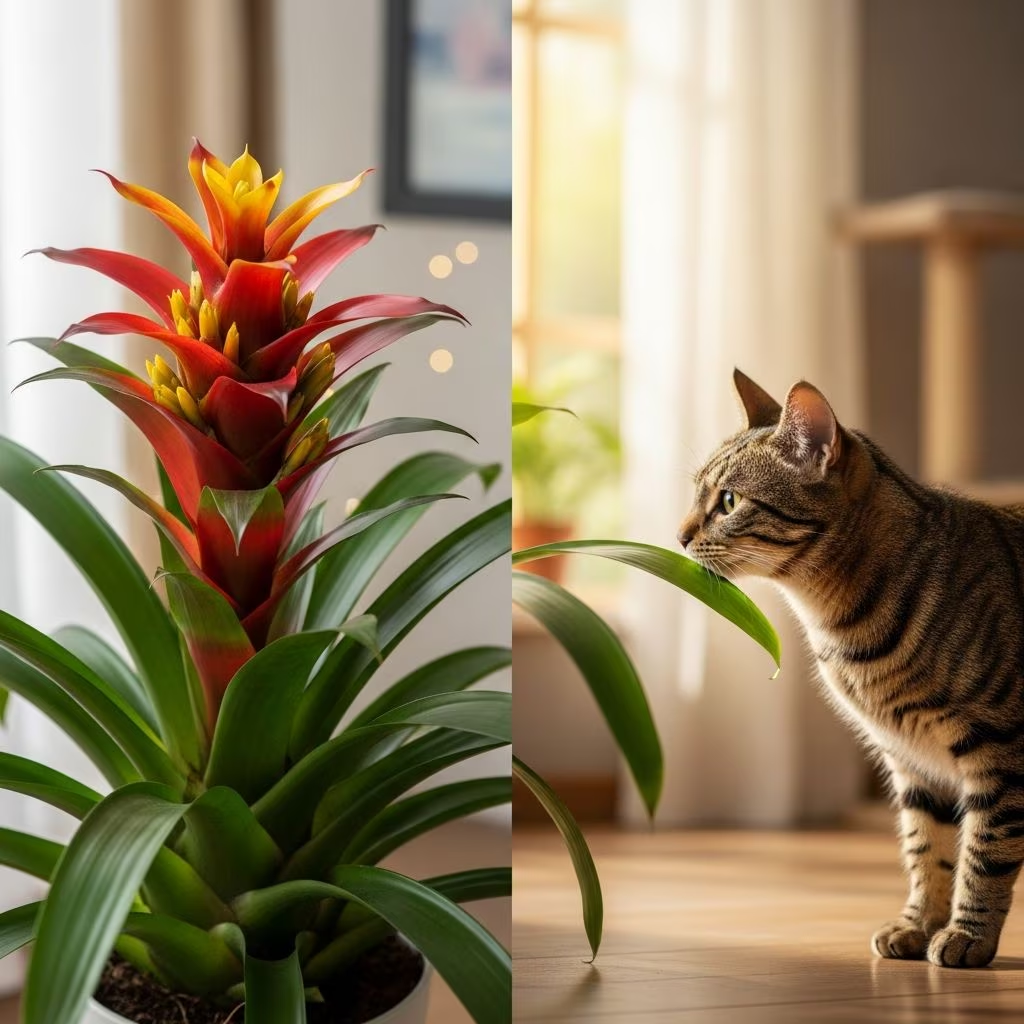
Vibrant and exotic, bromeliads bring a splash of tropical beauty to indoor spaces, but cat owners often wonder if these striking plants are safe around their curious pets. The good news is that bromeliads rank among the safer houseplant choices for feline households. Major veterinary resources confirm they pose no risk of systemic poisoning, though minor physical irritations can occur from their structure rather than any chemical toxins.
Understanding Bromeliad Basics
Bromeliads belong to a diverse family of over 3,000 species, known for their rosette shapes, colorful bracts, and air-purifying qualities. Popular varieties include Guzmania with its fiery red blooms, Tillandsia or air plants that thrive without soil, Vriesea featuring sword-like leaves, and Neoregelia displaying intricate water-holding cups. These epiphytic plants absorb nutrients through their leaves and central tanks, making them low-maintenance additions to shelves, walls, or terrariums.
Native to the Americas, from rainforests to deserts, bromeliads adapt well to homes with bright indirect light and moderate humidity. Their appeal lies in longevity—many bloom once before producing offsets—and minimal watering needs, as they store moisture efficiently.
Are Bromeliads Truly Non-Toxic to Cats?
According to the ASPCA’s comprehensive plant database, common bromeliads like Guzmania, Vriesea, Tillandsia, Ananas, Billbergia, and Cryptanthus are non-toxic to cats. This aligns with findings from the U.S. National Capital Poison Center and university toxicology resources, which list no poisonous compounds in ornamental varieties. Peer-reviewed databases from North Carolina State University and UC Davis further support this, noting zero records of systemic feline poisoning from these plants.
Unlike true toxins such as insoluble calcium oxalate crystals in plants like philodendrons, which cause intense burning and swelling, bromeliads lack harmful sap or alkaloids. Any digestive upset stems from mechanical issues or excessive fiber intake, not chemical reactions.
Potential Irritations from Bromeliad Features
While chemically safe, some bromeliads have sharp marginal spines or rough textures on leaves that can prick a cat’s mouth or paws during nibbling. This leads to temporary oral discomfort rather than poisoning. Sources describe common mild symptoms:
- Excessive drooling or lip licking
- Pawing at the mouth
- Mild gagging or head shaking
- Occasional vomiting from irritation or overindulgence
In rare cases of heavy ingestion, loose stools may occur due to indigestible plant fiber, similar to eating grass. These effects resolve quickly without intervention, unlike severe toxicities causing lethargy, seizures, or organ failure seen in lilies or sago palms.
Symptoms to Monitor and When to Worry
| Symptom | Likely Cause | Duration | Action Needed |
|---|---|---|---|
| Drooling, pawing mouth | Spine pricks or texture | 1-4 hours | Wipe mouth with damp cloth, offer water |
| Mild vomiting (1-2 times) | Fiber overload | Under 24 hours | Monitor; withhold food briefly |
| Diarrhea | Excess plant material | 12-48 hours | Ensure hydration; probiotics if persistent |
| Lethargy, tremors, breathing issues | Not bromeliad-related | Immediate vet | Call poison control/emergency vet |
Mild signs typically self-resolve. Persistent vomiting beyond 24 hours, swelling, or neurological symptoms warrant a vet visit to rule out unrelated issues.
Creating a Cat-Safe Plant Environment
To minimize risks, position bromeliads out of leap-and-pounce range—high shelves, hanging baskets, or wall mounts work best. Air plants in glass orbs add whimsy without soil mess. Provide cat grass or pet-safe herbs like wheatgrass to redirect chewing instincts, reducing interest in houseplants.
Regular trims remove damaged spiny leaves, and stable pots prevent toppling during playful investigations. Humidity trays or pebble saucers boost growth without creating puddle temptations.
Caring for Bromeliads in Feline Homes
Thriving bromeliads deter cat attention through lush health. Key tips include:
- Light: Bright, indirect sun; avoid direct scorch.
- Water: Fill central cup weekly; flush monthly to prevent stagnation.
- Soil: Well-draining mix for pot-bound types; none for tillandsias.
- Fertilizer: Diluted bloom booster monthly in growth season.
- Temperature: 65-80°F (18-27°C); protect from drafts.
Post-bloom, pups emerge at the base—separate once half-sized for new plants. This propagation keeps your collection expanding safely.
Top Bromeliad Picks for Cat Owners
- Guzmania: Bold colors, spineless varieties available.
- Tillandsia ionantha: Tiny, mountable air plants.
- Aechmea fasciata: Silver leaves, pink bracts.
- Neoregelia carolinae: Compact, tricolor patterns.
- Vriesea splendens: Flaming sword shape, upright growth.
These selections prioritize softer textures and elevated displays.
Alternatives if Concerns Persist
For ultra-cautious owners, consider fully edible options:
- Catnip (Nepeta cataria)
- Spider plant (Chlorophytum comosum)—mildly emetic but safe
- Parlor palm (Chamaedorea elegans)
- Boston fern (Nephrolepis exaltata)
- Calathea varieties—non-toxic, pet-resistant
Avoid true dangers like lilies, pothos, or aloe vera.
Frequently Asked Questions
Can cats die from eating bromeliads?
No, fatalities are unheard of; symptoms are limited to mild GI upset.
What if my cat chews a spiny leaf?
Rinse mouth gently, monitor for 4 hours. Vet if irritation lingers.
Are all bromeliad species safe?
Ornamental ones yes; wild varieties unstudied—stick to nursery stock.
How to stop my cat from plants entirely?
Enrich environment with toys, vertical spaces, and fresh greens.
Do bromeliads improve indoor air for cats?
Yes, they filter VOCs, benefiting pet respiratory health indirectly.
Expert Insights on Pet-Plant Harmony
Veterinarians emphasize prevention: “A bored cat seeks plants; engage them with play,” notes ASPCA guidelines. Studies on houseplant ingestions show most incidents benign, with education key to safety. Integrating greenery mindfully enhances homes without compromise.
In summary, bromeliads offer beauty and safety for cat companions when placed strategically. Their non-toxic profile, backed by authoritative sources, makes them ideal for vibrant, pet-friendly interiors.
References
- Are Bromeliads Toxic? Safety Facts for Homes & Pets — LifeTips (Alibaba). 2023. https://lifetips.alibaba.com/plant-care/are-bromeliads-toxic
- Are Bromeliads Toxic to Cats? Vet-Reviewed Health & Safety Guide — Hepper. 2024. https://articles.hepper.com/are-bromeliads-toxic-to-cats/
- Plant Care Guide – Bromeliad — Zen Botanicals & Gift Shop. 2023. https://zenrockford.com/pages/plant-care-guide-bromeliad
- Toxicity of House Plants to Pet Animals — PMC (PubMed Central). 2023-05-15. https://pmc.ncbi.nlm.nih.gov/articles/PMC10220692/
- Toxic and Non-Toxic Plant List — Cats — ASPCA. Accessed 2026. https://www.aspca.org/pet-care/animal-poison-control/cats-plant-list
- Cat toxicity chart for 50 popular houseplants — Houseplant Snoop. 2024. https://houseplantsnook.com/cat-toxicity-chart-for-50-popular-houseplants



