

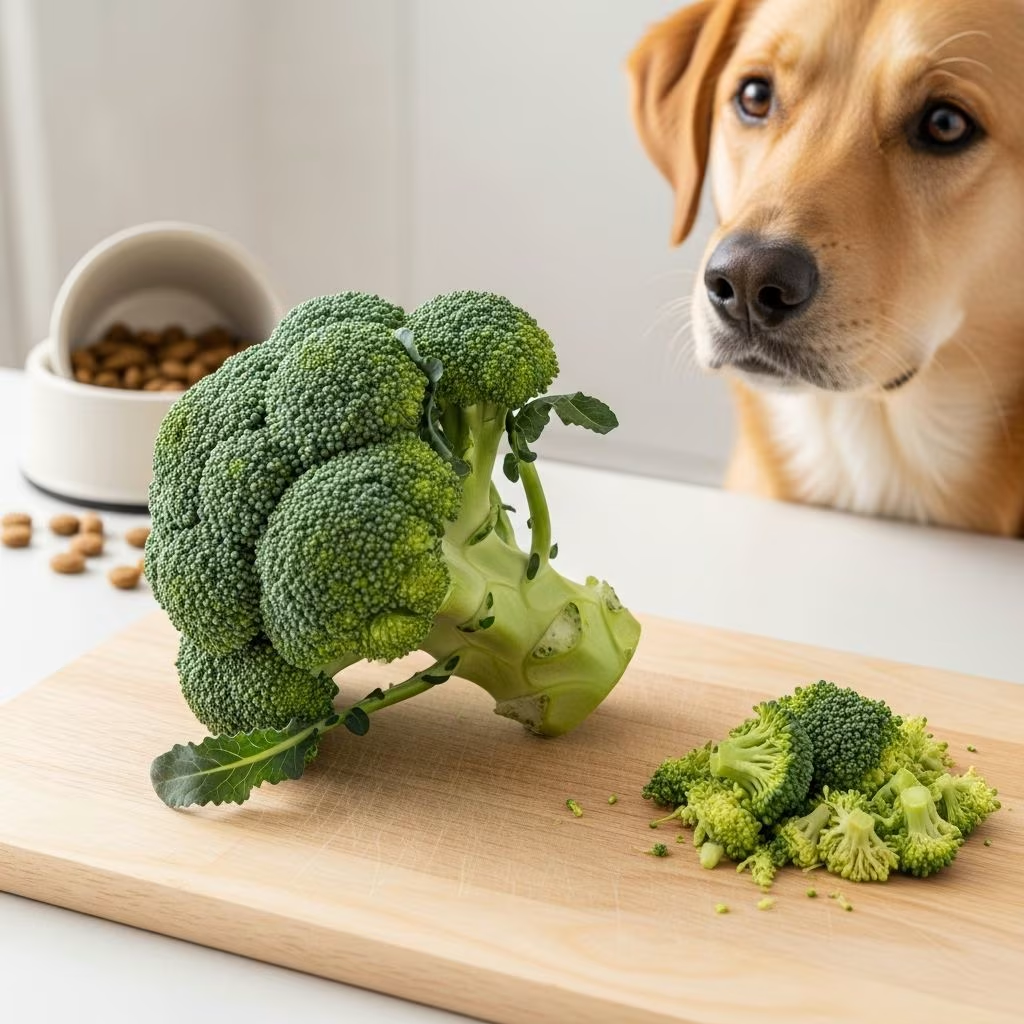
Many pet owners wonder whether common vegetables from their kitchen are safe for their canine companions. Broccoli is one such vegetable that frequently raises questions among dog owners. The good news is that broccoli can indeed be a nutritious addition to your dog’s diet when prepared and served appropriately. However, like many foods, there are important guidelines and precautions to follow to ensure your dog’s safety and well-being.
Understanding Your Dog’s Dietary Needs
Dogs have distinct nutritional requirements that differ significantly from humans. A complete and balanced commercial dog food typically provides all the essential nutrients your dog needs to thrive. Treats and supplemental foods like broccoli should complement this primary diet rather than replace it. Understanding how treats fit into your dog’s overall nutritional profile is crucial before introducing any new food.
The treat rule that veterinarians frequently recommend is straightforward: treats should constitute no more than 10% of your dog’s total daily caloric intake. This guideline ensures that the primary diet remains the foundation of your dog’s nutrition while allowing room for healthy additions. Following this principle helps prevent nutritional imbalances and digestive complications.
Is Broccoli Safe for Your Dog?
The short answer is yes—broccoli is safe for most adult dogs when served properly. However, the longer answer involves understanding the specific compounds in broccoli that require moderation. Broccoli contains a naturally occurring compound called isothiocyanate, which is present primarily in the florets. While this compound is not toxic to dogs, excessive consumption can lead to gastrointestinal discomfort.
When served in appropriate portions, following the 10% treat rule, broccoli poses minimal risk to most adult dogs. The key is introducing it gradually and monitoring your individual dog’s response. Some dogs may have greater sensitivity to the compounds in broccoli than others, making individual assessment important.
Age Considerations: Puppies Versus Adult Dogs
Puppies and adult dogs have fundamentally different digestive capabilities. Puppies have developing digestive systems that are more sensitive and less equipped to handle high-fiber foods. The fiber content in broccoli, while beneficial for adult dogs, can cause digestive upset in puppies whose systems are still maturing.
It is generally recommended to avoid feeding broccoli to puppies until they reach adulthood. Waiting until your dog is fully grown allows their digestive system to develop the capacity to process broccoli’s fiber content effectively. If you’re uncertain about when your specific dog breed reaches full digestive maturity, consulting your veterinarian is the best approach.
Nutritional Profile of Broccoli
Broccoli stands out as a nutrient-dense vegetable that offers several beneficial compounds for canine health:
- Vitamin C: While dogs can synthesize their own vitamin C, supplemental amounts from whole foods may provide additional immune system support and antioxidant protection.
- Vitamin K: Essential for bone health and supporting your dog’s skeletal system as they age.
- Fiber: Promotes healthy digestion and supports a balanced gut microbiome by feeding beneficial bacteria.
- Sulforaphane: A powerful antioxidant found in cruciferous vegetables with potential anti-inflammatory properties and cellular health benefits.
These nutrients work together to support various aspects of canine health, from immune function to digestive wellness. However, it’s important to note that a properly formulated commercial dog food should already contain these nutrients in appropriate amounts.
Different Forms of Broccoli: Raw, Cooked, and Steamed
Raw Broccoli
Raw broccoli florets are safe for dogs to consume. To prepare raw broccoli safely, wash it thoroughly and cut it into small, bite-sized pieces appropriate for your dog’s size. Raw broccoli retains maximum nutritional value but can be harder for some dogs to digest. Additionally, raw broccoli can be more challenging for dogs to chew, potentially increasing choking risk if pieces aren’t sufficiently small.
Start with very small portions if offering raw broccoli for the first time, as some dogs may experience gas or mild digestive discomfort. Monitor your dog’s reaction before gradually increasing the amount.
Steamed and Cooked Broccoli
Steaming broccoli for a few minutes softens it while preserving more nutrients compared to boiling or other cooking methods. Cooked broccoli becomes easier for most dogs to digest and reduces the choking hazard associated with harder raw pieces. Both steamed and cooked preparations are safe for dogs as long as no seasonings, oils, or butter are added.
Always ensure cooked broccoli has cooled to a safe temperature before serving. Your dog should never consume food so hot that it could burn their mouth or throat. Plain broccoli without any additives is the safest option.
Broccoli Stems and Florets
Both the florets and stems of broccoli are edible and nutritious for dogs. Stems contain even higher fiber content than florets, which can support digestive health. However, stems present a greater choking hazard, particularly when raw and not cut into appropriate sizes. Cooking or steaming stems and cutting them into small pieces significantly reduces this risk.
Potential Concerns and When to Avoid Broccoli
Isothiocyanate Sensitivity
The isothiocyanates in broccoli florets can cause digestive upset when consumed in excessive quantities. Symptoms of overconsumption may include abdominal discomfort, gas, diarrhea, or constipation. These symptoms typically resolve once broccoli consumption is reduced or eliminated.
If your dog shows signs of digestive distress after eating broccoli, discontinue serving it. Some individual dogs may be more sensitive than others, and it’s important to respect your dog’s unique digestive system.
Choking Hazards
Broccoli pieces that are too large, particularly raw stems, pose choking risks—especially for smaller dogs or enthusiastic eaters. Always cut broccoli into appropriately sized pieces and supervise your dog while they eat.
Toxic Additives to Avoid
When preparing broccoli for your dog, never add seasonings, oils, butter, or sauces. Some common additions are actually toxic to dogs, including garlic and onion. Keep broccoli plain and simple to ensure safety.
Broccoli Sprouts: A Concentrated Nutrition Option
Broccoli sprouts deserve special mention due to their exceptional nutritional concentration. These young broccoli plants contain significantly higher levels of sulforaphane compared to mature broccoli—potentially up to 100 times more in some cases. This makes broccoli sprouts an interesting option for dogs seeking concentrated nutritional benefits from a minimal amount.
A small pinch of broccoli sprouts added to your dog’s regular meals can provide substantial antioxidant and anti-inflammatory benefits without the volume of mature broccoli. However, the same safety principles apply: introduce gradually and monitor your dog’s response.
Portion Guidelines and the 10% Rule
The most critical guideline for serving broccoli to your dog involves adhering to the 10% treat rule. This means that all treats, including broccoli, should not exceed 10% of your dog’s total daily caloric intake. For example, if your dog requires 1,000 calories per day, treats should account for no more than 100 calories.
Starting with small portions is essential when introducing broccoli. Begin with just a few small florets and observe how your dog responds over the next 24 hours. If no digestive issues occur, you can gradually increase the amount while staying within the 10% guideline.
Creative Ways to Serve Broccoli to Your Dog
Making broccoli appealing to your dog increases the likelihood that they’ll enjoy this nutritious treat. Consider these serving ideas:
- Frozen broccoli florets make excellent chew toys on hot summer days and provide natural cooling relief.
- Mix small steamed broccoli pieces into your dog’s regular kibble to add variety and nutrition.
- Combine broccoli with other dog-safe vegetables for a nutritious vegetable mix.
- Offer steamed broccoli pieces as training rewards during positive reinforcement sessions.
Health Benefits Beyond Basic Nutrition
While broccoli shouldn’t replace a complete commercial diet, the specific compounds it contains offer health-supportive properties. The vitamin C content supports immune function and may help combat oxidative stress. The fiber promotes healthy digestion and supports the beneficial bacteria in your dog’s gut microbiome.
Sulforaphane, the powerful antioxidant in broccoli, has been studied for its potential to support cellular health and reduce inflammation. For aging dogs or those with specific health concerns, broccoli may offer supplemental support as part of a comprehensive health approach under veterinary guidance.
Special Populations and Broccoli
Certain dog populations require additional consideration when introducing broccoli. Dogs with existing gastrointestinal conditions, those prone to gas or bloating, and dogs with food sensitivities should be introduced to broccoli more cautiously, if at all. Senior dogs may benefit from soft, cooked broccoli more readily than raw varieties.
Dogs with specific medical conditions should have any dietary changes, including broccoli introduction, approved by their veterinarian first. This is particularly important for dogs with cancer, kidney disease, or other serious health conditions.
Frequently Asked Questions
Can all dogs eat broccoli?
Adult dogs can eat broccoli, but puppies should avoid it due to their developing digestive systems. Individual sensitivity varies, so some dogs may tolerate broccoli better than others.
How often can dogs eat broccoli?
There’s no specific frequency requirement. Broccoli can be offered occasionally as part of the 10% treat allowance, whether daily or several times per week, as long as total treats don’t exceed the 10% guideline.
What should I do if my dog eats too much broccoli?
Mild digestive upset is typically self-limiting. Reduce broccoli in the diet and monitor your dog. If symptoms persist or worsen, contact your veterinarian.
Is broccoli better raw or cooked for dogs?
Cooked broccoli is generally easier to digest and presents less choking risk, though raw broccoli retains more nutrients. Choose based on your individual dog’s tolerance and preferences.
Can broccoli help with dog weight management?
Yes, broccoli is low in calories and high in fiber, making it an excellent treat option for weight management when served in appropriate portions.
References
- Can Dogs Eat Broccoli? — PetMD. Accessed February 2026. https://www.petmd.com/dog/nutrition/can-dogs-eat-broccoli
- Can Dogs Eat Broccoli? A Guide to Safety — Purina. https://www.purina.com/articles/dog/feeding/can-dogs-eat/broccoli
- Can Dogs Eat Broccoli? What to Know — MetLife Pet Insurance. Accessed February 2026. https://www.metlifepetinsurance.com/blog/pet-health/can-dogs-eat-broccoli/
- Can Dogs Eat Broccoli? — Taste of the Wild Pet Food. Accessed February 2026. https://www.tasteofthewildpetfood.com/articles/can-my-dog-eat-that/broccoli/
- Broccoli For Dogs — Dog Cancer. Accessed February 2026. https://www.dogcancer.com/articles/diet-and-lifestyle/broccoli-for-dogs/



