

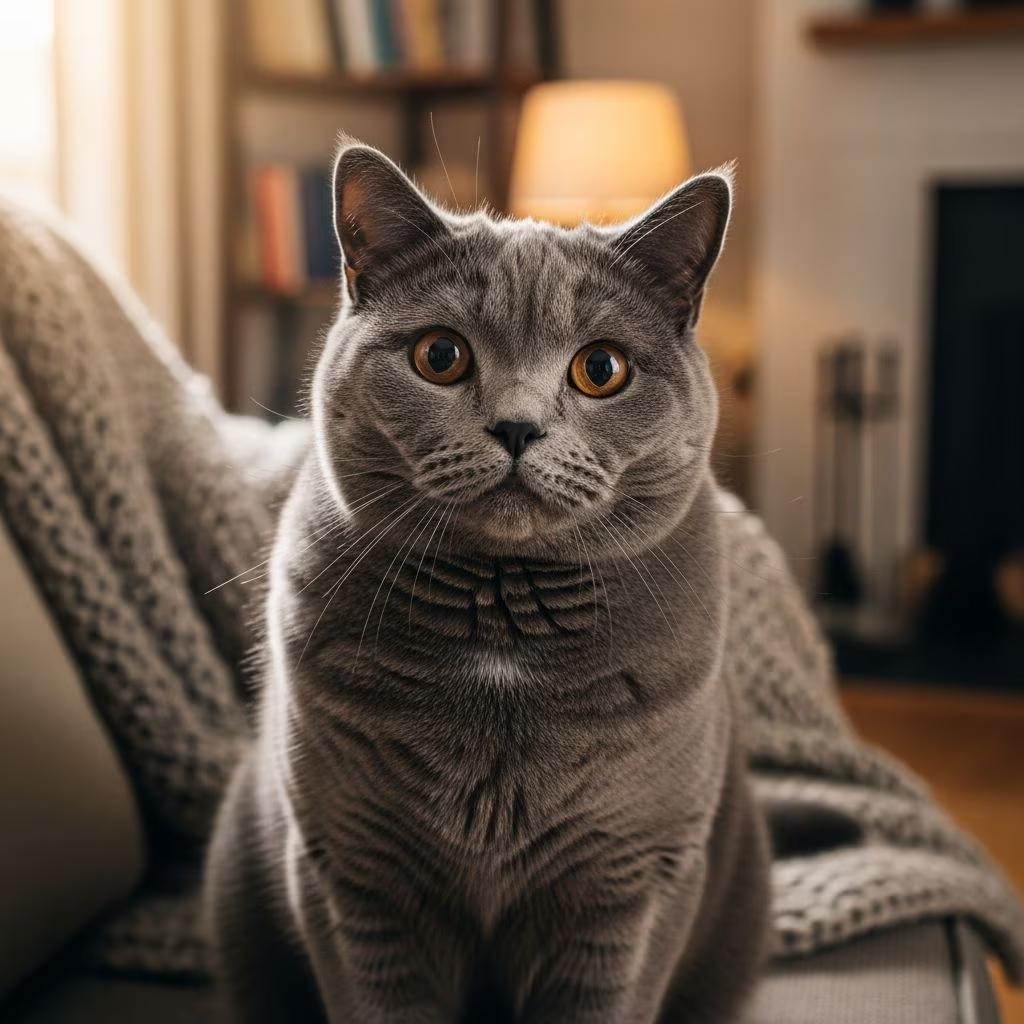
The British Shorthair stands out as one of the most balanced cat breeds, blending a serene demeanor with subtle affection that appeals to diverse households. Known for their stocky build and plush coats, these cats offer companionship without overwhelming demands, making them suitable for first-time owners and busy families alike.
Understanding the Core Personality of British Shorthairs
British Shorthairs possess a temperament defined by adaptability and composure. They exhibit a gentle, non-intrusive affection that develops gradually, allowing them to fit seamlessly into various living environments. Unlike more demanding breeds, they prioritize quiet observation over constant interaction, embodying a low-key presence that respects personal space.
This breed’s calm nature stems from their historical roots as sturdy working cats, evolving into pedigreed companions with retained independence. They display intelligence through routine awareness, often shadowing owners subtly while maintaining autonomy. Their emotional stability makes them resilient to changes, provided introductions occur patiently.
How British Shorthairs Interact with Family Members
British Shorthairs form bonds with entire households rather than fixating on one individual, distributing loyalty evenly. They thrive in family settings, offering quiet companionship through proximity rather than overt displays. Owners note their preference for perched viewpoints, from which they monitor activities with mild curiosity.
Patience marks their relational style; initial reserve gives way to purring sessions and gentle nudges once trust builds. This gradual warming fosters deep, enduring attachments, positioning them as reliable emotional anchors in multi-person homes.
Compatibility with Children
These cats handle children exceptionally well due to their patient disposition. They tolerate playful energy without retaliation, often retreating calmly during overstimulation. Teaching kids to avoid lifting them prevents discomfort, as British Shorthairs favor stable positioning.
- High tolerance for noise and movement in moderation.
- Preference for gentle petting over roughhousing.
- Graceful withdrawal to avoid conflicts.
Relations with Other Pets
British Shorthairs integrate smoothly with dogs and fellow felines, asserting mild dominance through confidence rather than aggression. Early socialization enhances this adaptability, turning potential rivals into coexistents. Their non-territorial vibe supports harmonious multi-pet dynamics.
Play Habits and Energy Levels
Moderation characterizes their playfulness; bursts of activity alternate with lounging. They engage toys selectively, favoring puzzles and climbers over endless chases, preserving household peace. This self-regulated energy suits apartment dwellers and those seeking minimal disruption.
Independent play occupies them during solitude, reducing separation anxiety risks. When interactive, their nimble movements belie their robust frames, delivering graceful entertainment without chaos.
| Activity Type | British Shorthair Preference | Duration |
|---|---|---|
| Interactive Toys | Moderate interest | 10-20 minutes |
| Solo Exploration | High | Variable |
| Lounging/Observing | Preferred | Hours |
Social Dynamics and Affection Preferences
Affection manifests subtly: following owners room-to-room, accepting pets on their terms, and emitting contented purrs. They resist lap-sitting or carrying, valuing horizontal interactions like beside-sofa reclining. This selective sociability rewards respectful owners with reciprocal devotion.
Low vocalization underscores their placid profile; occasional chirps or trills communicate needs without clamor. Their social needs balance independence with periodic check-ins, ideal for intermittent availability.
Physical Traits Influencing Behavior
Their dense, resilient coat and muscular build contribute to a grounded personality. Broad chests and sturdy legs support deliberate movements, aligning with their unhurried lifestyle. Seasonal coat thickening prompts minimal grooming, freeing time for bonding.
Distinctive rounded heads and expressive eyes convey perpetual mild amusement, often likened to literary felines. Plumage varies widely, but blue-gray remains iconic, complementing their steady gaze.
Daily Care for Optimal Temperament
Maintaining their friendliness requires straightforward routines. Provide elevated perches for supervision, interactive feeders for mental stimulation, and clean litter options for privacy. Weekly brushing preserves coat health, enhancing comfort and mood.
- Balanced diet supporting muscular frames.
- Scheduled play to channel energy.
- Quiet zones for decompression.
Health vigilance includes monitoring for obesity, given their sedentary leanings. Regular vet checks ensure vitality, sustaining their affable traits.
Are They Right for Your Lifestyle?
British Shorthairs excel in serene homes valuing companionship over intensity. First-time owners appreciate their forgiving nature, while families benefit from child and pet tolerance. Those with limited time find their autonomy reassuring.
Challenges include initial shyness, demanding patient onboarding. Active households may find their pace mismatched, but accommodations like designated playtimes bridge gaps.
Frequently Asked Questions
Do British Shorthairs like to be held?
Generally, no; they prefer stable surfaces for petting, disliking lifts that strain their backs.
Are British Shorthairs good with dogs?
Yes, their confident adaptability facilitates positive interspecies relations.
How active are British Shorthairs?
Moderately; they balance play with extensive rest periods.
Do they shed a lot?
Minimal shedding due to short, dense coats; weekly grooming suffices.
Are they vocal cats?
Rarely; quiet with occasional soft comments.
Bringing Home Your British Shorthair
Selecting a kitten or adult involves assessing breeder credentials and health screenings. Kittenhood socialization accelerates bonding, while adults offer established personalities. Essential setups include scratching posts, toys, and secure spaces.
Post-adoption, allow acclimation time, using treats and play to build rapport. Their forgiving essence ensures rewarding partnerships with minimal fuss.
References
- British Shorthair Personality: Characteristics & Temperament — Litter-Robot. 2023. https://www.litter-robot.com/blog/british-shorthair-personality/
- British Shorthair — The Cat Fanciers’ Association. 2024. https://cfa.org/breed/british-shorthair/
- British Shorthair Cat Breed — Hill’s Pet Nutrition. 2024. https://www.hillspet.com/cat-care/cat-breeds/british-shorthair
- British Shorthair Cat Breed Information — Purina UK. 2024. https://www.purina.co.uk/find-a-pet/cat-breeds/british-shorthair
- British Shorthair — Wikipedia. 2026. https://en.wikipedia.org/wiki/British_Shorthair



