

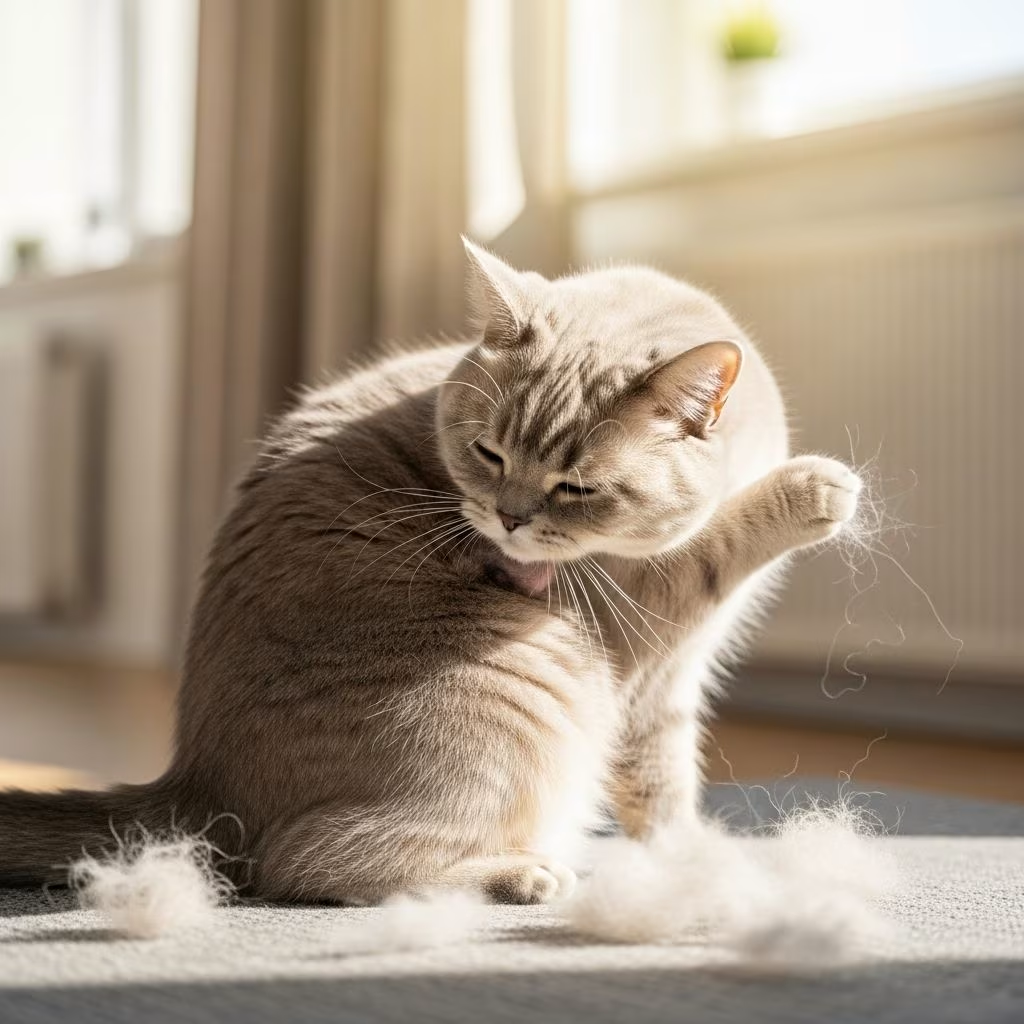
British Shorthair cats feature a plush double coat that sheds at a moderate rate year-round, with noticeable increases during spring and fall transitions.This breed sheds more than many single-coated shorthairs due to their dense undercoat, but regular care keeps it under control.
The Unique Coat Structure of British Shorthairs
The hallmark of British Shorthairs is their thick, resilient double coat, consisting of a soft underlayer for insulation and a protective topcoat. This design provides warmth and weather resistance but leads to steady fur turnover as the undercoat renews continuously.Unlike sleek breeds like the Siamese, the plush texture holds loose hairs until grooming dislodges them, creating bursts of shedding.
- Undercoat renews constantly, causing daily loose fur.
- Topcoat sheds less but adds to seasonal volume.
- Coat density traps dander and allergens, amplifying perceived shedding indoors.
Owners often underestimate maintenance because the fur appears low-shedding at a glance, but consistent renewal demands proactive management.
When Does Shedding Peak for British Shorthairs?
British Shorthairs align shedding with natural cycles, even indoors. Spring brings the heaviest loss as winter insulation sheds for summer lightness, while fall involves lighter shedding as new growth pushes out old hairs.
| Season | Shedding Intensity | Key Changes |
|---|---|---|
| Spring | High | Winter undercoat release; clumps on furniture and during pets. |
| Fall | Moderate | New undercoat growth displaces prior hairs. |
| Summer/Winter | Low | Stable coat with minimal daily loss. |
Indoor environments with constant light and temperature can blur these peaks, leading to smaller, frequent sheds every few months rather than dramatic events.Artificial cues disrupt photoperiod signals that trigger coat shifts in outdoor cats.
Life Stage Influences on Fur Loss
Shedding evolves with age and health status. Kittens transition from fluffy baby fur to adult density around 4-6 months, causing a temporary spike. Spayed or neutered adults may show fuller coats from hormonal shifts, slightly elevating daily shedding without excess.
In seniors, drier skin and slower growth increase loose fur accumulation, compounded by reduced self-grooming ability. Monitoring these changes helps distinguish normal patterns from concerns.
- Kittens: Baby coat shed at 4-6 months.
- Adults: Steady post-alteration increase.
- Seniors: More due to skin dryness.
Spotting and Addressing Excessive Shedding
Normal shedding involves consistent small amounts, peaking seasonally. Excessive loss—bald patches, rapid thinning, or off-cycle surges—signals issues like stress, poor nutrition, or allergies.
Stress triggers hormonal responses accelerating turnover; events like moves or new pets amplify this. Diet deficiencies in protein or omega fatty acids dry the skin, making fur brittle and prone to fallout. Environmental factors, such as low humidity from heating, exacerbate dryness.
- Observe for sudden increases outside seasons.
- Check skin for flakes, redness, or itchiness.
- Consult vets for persistent cases to rule out parasites or thyroid issues.
Essential Grooming Strategies to Minimize Shedding
Weekly brushing is non-negotiable for British Shorthairs. Use slicker brushes or rubber mitts to penetrate the undercoat, removing loose hairs before they scatter. Aim for 5-10 minutes daily during peaks to prevent matting and distribute skin oils.
Bathing sparingly with gentle shampoos suits occasional deep cleans, but over-washing strips natural protections. Tools like de-shedding gloves capture fur efficiently during play sessions.
- Brushing schedule: Weekly minimum; daily in peaks.
- Tools: Slicker brush, comb, grooming glove.
- Technique: Gentle strokes from head to tail.
Environmental Adjustments for Less Fur Everywhere
Optimize home conditions to curb shedding. Humidifiers combat dry air, maintaining skin moisture and reducing fallout. Air purifiers trap dander, easing allergies and visible dust bunnies.
Stable routines minimize stress-induced shedding—provide scratching posts, perches, and quiet zones. Vacuum high-traffic areas with pet-specific tools to stay ahead of buildup.
Diet and Nutrition for a Healthy Coat
High-quality, protein-rich food supports coat integrity. Look for formulas with omega-3 and -6 fatty acids to hydrate skin and strengthen hairs. Avoid fillers that compromise fur quality.
Obesity, common in this laid-back breed, indirectly worsens shedding via poor circulation and stress. Portion control and interactive toys promote activity without overexertion.65% of British Shorthairs risk overweight, per recent veterinary data, heightening related issues.
Health Conditions Linked to Increased Shedding
Beyond basics, watch for breed predispositions. Hypertrophic cardiomyopathy (HCM) rarely ties directly to fur but systemic illness can alter shedding. Polycystic kidney disease (PKD) or allergies demand screening.
Regular vet checkups, including heart echoes for breeders, ensure early detection. Balanced care prevents secondary coat problems from emerging diseases.
FAQs: British Shorthair Shedding Essentials
Do British Shorthairs shed a lot compared to other breeds?
Moderately more than single-coated shorthairs due to the double layer, but less than longhairs. Manageable with grooming.Seasonal peaks are typical.
How often should I brush my British Shorthair?
At least weekly; increase to 3-4 times during spring/fall for best results.
Can diet reduce my cat’s shedding?
Yes—prioritize protein and fatty acids for resilient fur and less loss.
Why is my indoor British Shorthair shedding year-round?
Consistent indoor conditions flatten seasonal cycles into steady shedding.
Is excessive shedding a sign of illness?
Often diet or stress, but vet evaluation rules out allergies or hormones.
Proven Tools and Products for Fur Control
| Tool Type | Best For | Frequency |
|---|---|---|
| Slicker Brush | Undercoat removal | Weekly |
| Grooming Glove | Daily sessions | Daily |
| Humidifier | Dry skin prevention | Continuous |
| Air Purifier | Dander control | Continuous |
Integrate these into routines for transformative results. British Shorthairs thrive with minimal effort when owners stay consistent.
References
- Do British Shorthair Cats Shed? A Complete Shedding Guide — Almonte Cats. 2023. https://almontecats.com/british-shorthair-shedding/
- The Vet’s British Shorthair Cat Breed Guide — Vets Love Pets. 2025. https://vetslovepets.com.au/blogs/cat/british-shorthair-breed-guide
- Get to Know the British Shorthair Breed — ASPCA Pet Health Insurance. 2024. https://www.aspcapetinsurance.com/resources/british-shorthair-cat/
- British Shorthair Cat Breed Information — Purina US. 2024. https://www.purina.com/cats/cat-breeds/british-shorthair



