

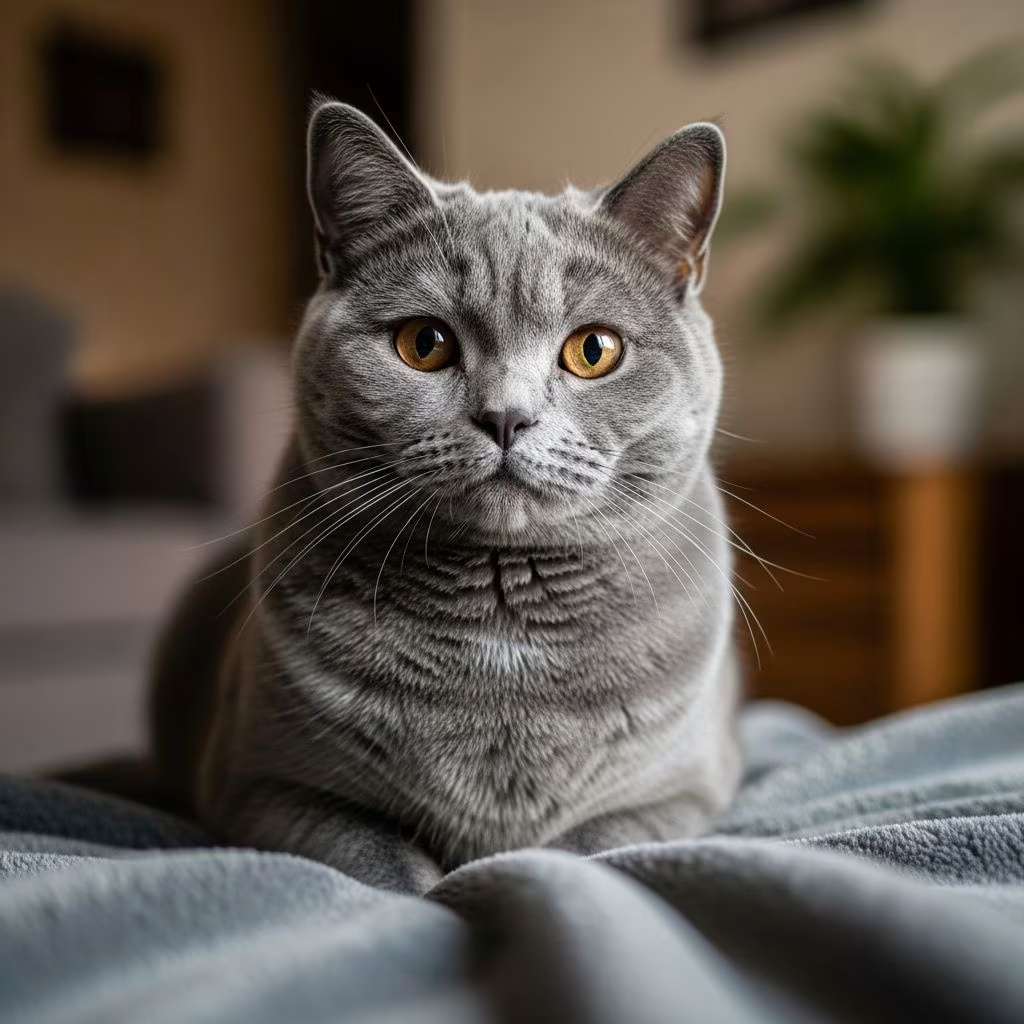
British Shorthair cats typically enjoy a lifespan of 12 to 20 years when provided with optimal care, though averages often fall between 12 and 15 years for well-maintained pets.
These sturdy, plush-coated felines originated in England and are prized for their calm demeanor and robust build. Understanding the elements that contribute to their extended life allows owners to foster healthier, happier companions. Factors like diet, environment, genetics, and routine medical attention play pivotal roles in determining how long these cats remain vibrant.
Key Influences on British Shorthair Longevity
Several interconnected variables dictate the lifespan of British Shorthairs. Owners who address these proactively can significantly boost their cat’s chances of reaching the upper end of the spectrum.
Genetic Foundations
Genetics form the baseline for a British Shorthair’s health trajectory. Responsible breeders screen for hereditary conditions such as hypertrophic cardiomyopathy (HCM), polycystic kidney disease (PKD), and peritoneal-pericardial diaphragmatic hernia (PPDH), which can curtail lifespan if undetected.
Cats from lines with rigorous health testing often exhibit fewer congenital issues, leading to longer lives. Early genetic screening via veterinary ultrasounds or DNA tests helps identify risks before symptoms emerge.
Nutritional Strategies for Vitality
A high-protein, balanced diet tailored to life stage is essential. Kittens require nutrient-dense formulas for growth, while adults benefit from controlled portions to prevent obesity—a common pitfall for this breed.
Seniors need easily digestible foods low in phosphorus to support kidney function. Fresh water availability and scheduled feeding prevent overeating. High-quality kibble, wet food, or fresh options outperform fillers-heavy varieties, promoting immune strength and organ health.
- Choose age-appropriate formulas with named meat sources.
- Monitor treats to under 10% of daily calories.
- Adjust portions based on activity level and body condition score (BCS).
Indoor Living vs. Outdoor Risks
Indoor-only lifestyles dramatically extend lifespan by shielding cats from traffic accidents, toxins, predators, and infectious diseases. Outdoor British Shorthairs face heightened mortality risks, often living several years less than their housed counterparts.
Enrich indoor environments with climbing towers, window perches, and interactive toys to mimic natural behaviors without external dangers.
Weight Management Essentials
British Shorthairs’ stocky frames predispose them to obesity, which accelerates diabetes, heart disease, joint issues, and kidney strain. Ideal adult weight ranges from 9 to 18 pounds, depending on gender and frame.
Regular weigh-ins and BCS assessments (scale of 1-9, aiming for 4-5) guide adjustments. Low-calorie diets combined with play sessions maintain lean muscle mass.
British Shorthair Life Stages and Care
British Shorthairs mature slowly, reaching full physical development around age 3. Tailoring care to each phase optimizes health across their lifespan.
Kitten Phase (Birth to 1 Year)
This foundational period builds lifelong resilience. Kittens grow rapidly, demanding calorie-rich, DHA-enriched food for brain and eye development. Vaccinations, deworming, and socialization are critical to fend off early threats.
Frequent vet visits monitor growth curves and detect anomalies like congenital heart murmurs.
Prime Adulthood (1 to 6 Years)
Energy stabilizes as playfulness persists moderately. Adult maintenance diets sustain muscle tone, while daily interactive play combats lethargy. Annual exams screen for emerging HCM or PKD.
Mental stimulation via puzzle feeders prevents boredom-induced overeating.
Mature Years (7 to 10 Years)
Metabolism slows, increasing obesity risks. Transition to senior blends with joint-supporting glucosamine. Bi-annual vet checks catch thyroid issues or early arthritis.
Gentle exercise like laser pointers keeps joints limber.
Senior Stage (10+ Years)
Aged British Shorthairs demand vigilant monitoring for kidney disease, hyperthyroidism, and dental decay. Prescription renal diets and phosphorus binders preserve function. Mobility aids and heated beds ease arthritis.
Observe for appetite loss, litter box changes, or mobility dips signaling intervention needs.
| Life Stage | Age Range | Diet Focus | Vet Frequency | Activity Level |
|---|---|---|---|---|
| Kitten | 0-1 year | High-calorie, DHA-rich | Every 3-4 months | High play |
| Adult | 1-6 years | Balanced protein | Annual | Moderate |
| Mature | 7-10 years | Joint support | Bi-annual | Low-moderate |
| Senior | 10+ years | Renal-friendly | Every 6 months | Low, gentle |
Preventive Health Measures
Proactive strategies avert many lifespan-shortening conditions.
- Veterinary Protocols: Annual bloodwork, dental cleanings, and imaging detect issues early.
- Grooming Routines: Weekly brushing improves circulation, reduces hairballs, and reveals skin irregularities.
- Exercise Regimens: 15-20 minutes daily of chasing toys prevents weight gain and depression.
- Stress Reduction: Quiet spaces and pheromone diffusers bolster immunity.
Vaccinations against FVRCP and rabies, plus flea/tick preventives, safeguard against preventable ills.
Common Health Challenges and Solutions
British Shorthairs face breed-specific hurdles, but management extends quality years.
- Hypertrophic Cardiomyopathy (HCM): Thickened heart walls; screened via echocardiogram. Beta-blockers manage symptoms.
- Polycystic Kidney Disease (PKD): Cysts impair kidneys; genetic testing at breeding. Low-protein diets slow progression.
- Obesity-Related Issues: Diabetes, arthritis; calorie control and metformin if needed.
- Dental Disease: Tartar buildup; daily brushing and annual scaling.
Real-World Longevity Examples
Notable British Shorthairs have surpassed 20 years, attributing success to indoor living, premium nutrition, and diligent vet care. These outliers underscore that while genetics set potential, lifestyle unlocks it.
Frequently Asked Questions
How long do British Shorthair cats usually live?
Most live 12-20 years with proper care, averaging 12-15 years.
Can British Shorthairs live over 20 years?
Yes, exceptional cases exceed 20 years with genetics, diet, and indoor safety.
What shortens a British Shorthair’s life?
Outdoor exposure, obesity, untreated genetics like HCM/PKD, and poor nutrition.
Is indoor living best for lifespan?
Absolutely; it eliminates accidents, fights, and diseases, adding years.
How often should British Shorthairs see a vet?
Annually for adults, bi-annually for seniors, more for kittens.
Daily Care Checklist for Long Life
- Portion-controlled meals twice daily.
- 15-minute play sessions.
- Weekly grooming and nail trims.
- Monthly weight/BCS checks.
- Constant fresh water and litter hygiene.
Embracing these practices ensures British Shorthairs not only live long but flourish joyfully.
References
- The Lifespan of British Shorthairs: What to Expect — Oreate AI Blog. 2024. https://oreateai.com/blog/the-lifespan-of-british-shorthairs-what-to-expect/57eb5f80ae92ce8617d6d14aae82ac40
- How Long Do British Shorthair Cats Live? Average Lifespan Data — Catster. 2024. https://www.catster.com/cat-health-care/how-long-do-british-shorthair-cats-live/
- BKH Age: How old do British Shorthair cats get? — Flappie Doors. 2024. https://flappiedoors.com/en/blogs/katzenrassen/bkh-alter
- What’s the average British Shorthair lifespan? Dilemma solved — Untamed. 2024. https://untamed.com/blogs/cat-breeds/british-shorthair-lifespan
- British Shorthair Cats: What to Know — WebMD. 2024. https://www.webmd.com/pets/cats/what-to-know-about-british-shorthair



