

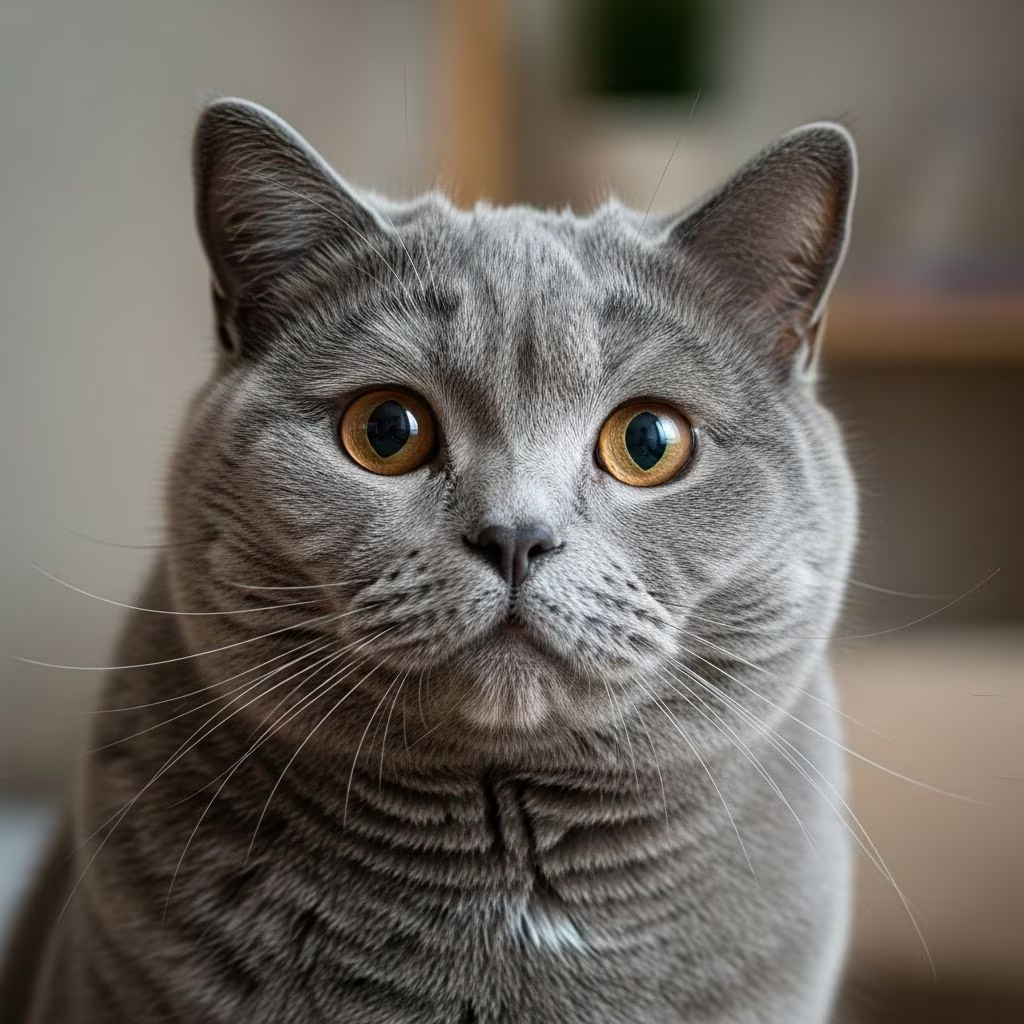
British Shorthair cats, admired for their sturdy build and calm demeanor, face several breed-specific health vulnerabilities that owners must monitor closely. Understanding these risks enables proactive care to promote longevity and vitality.
Understanding Breed Vulnerabilities
The robust physique of British Shorthairs contributes to their appeal but also predisposes them to certain conditions. Genetic factors play a significant role, alongside lifestyle influences like diet and activity levels. Regular veterinary oversight is crucial for early detection.
Cardiac Conditions in British Shorthairs
Heart-related issues top the list of concerns for this breed. Hypertrophic cardiomyopathy (HCM) stands out as a primary threat, where heart muscle walls thicken abnormally, impairing efficient blood flow. This genetic disorder can progress silently, leading to clots or failure.
Dilated cardiomyopathy (DCM), less common but notable, stems from nutritional shortfalls like taurine deficiency, emphasizing the need for balanced feline nutrition. Symptoms across both include rapid breathing, lethargy, and appetite loss, often appearing in middle age or overweight cats.
- Rapid or labored breathing
- Reduced activity and weakness
- Loss of appetite
- Coughing or fainting episodes
Screening via echocardiograms is recommended annually for at-risk cats, particularly those from lines without genetic testing.
Kidney Disorders and Their Impact
Polycystic kidney disease (PKD) involves cyst formation in the kidneys, gradually replacing healthy tissue and risking failure. Though more prevalent in Persians, British Shorthairs carry genetic susceptibility. Onset typically occurs around age seven, with signs like increased thirst, vomiting, and weight loss.
Feline lower urinary tract disease (FLUTD) affects the urinary system, causing painful urination, blood in urine, or inappropriate elimination. Stress, diet, and crystals contribute, manageable through hydration and specialized food.
| Condition | Early Signs | Diagnostic Tools |
|---|---|---|
| PKD | Thirst, nausea, hypertension | Ultrasound, blood tests |
| FLUTD | Straining, frequent litter visits | Urinalysis |
Bleeding Disorders: Hemophilia Concerns
Hemophilia B, a clotting deficiency, heightens bleeding risks from injuries or procedures. British Shorthairs show elevated incidence, with symptoms emerging post-trauma: prolonged bleeding, bruising, anemia, or swelling.
Pre-surgical blood tests are essential. Mild cases may go unnoticed until challenged, but severity varies, potentially life-threatening. Feline arterial thromboembolism (FATE), linked to heart issues, causes sudden limb pain and paralysis from clots.
Eye Health: Cataracts and Beyond
Cataracts cloud the lens, impairing vision; genetics heighten British Shorthair risk alongside triggers like inflammation or diabetes. Cloudy eyes signal the issue, treatable surgically if caught early.
Regular ophthalmic exams aid prevention of complications like glaucoma.
Obesity and Metabolic Challenges
The breed’s sedentary nature and hearty appetite foster obesity, amplifying risks for diabetes, arthritis, and heart strain. Excess weight strains joints and organs, shortening lifespan.
Portion control, high-protein low-carb diets, and play encourage fitness. Ideal weight maintenance prevents secondary issues like hypertension.
Oral Health Maintenance
Dental woes plague British Shorthairs: gingivitis, periodontitis, and resorption erode teeth, causing pain and systemic spread to heart or kidneys. Malocclusion from crowded teeth complicates eating.
Brushing, dental diets, and cleanings mitigate buildup. Grain-free foods reduce decay risks.
- Bad breath or drooling
- Red, swollen gums
- Reluctance to eat hard food
- Tooth loss
Respiratory and Infectious Risks
Asthma triggers wheezing and coughs in some, demanding environmental controls and meds. Feline infectious peritonitis (FIP), though not exclusive, poses threats to purebreds via coronavirus mutation, with fluid buildup and fever.
Preventive Strategies for Optimal Health
Genetic screening before breeding or adoption identifies HCM, PKD, and hemophilia carriers. Annual checkups encompass bloodwork, urinalysis, and imaging.
Diet: High-quality, taurine-rich formulas combat DCM and obesity. Hydration prevents crystals.
Exercise: Interactive toys counter laziness, targeting 15-20 minutes daily.
Grooming: Short coats need weekly brushing; nail trims avoid overgrowth.
Lifestyle Adjustments for Longevity
Home enrichment reduces stress-linked FLUTD. Weight charts track BMI; vets advise calorie needs by age/activity.
Senior care ramps up for cats over 7: kidney support diets, joint supplements.
When to Seek Veterinary Help
Urgent signs: collapse, seizure, non-stop bleeding, breathing distress. Routine flags: litter changes, coat dullness.
Holistic monitoring yields 12-16 year lifespans with intervention.
FAQs
Are British Shorthairs prone to heart disease?
Yes, HCM is common; genetic tests and echoes detect it early.
How can I prevent obesity in my British Shorthair?
Measured meals, playtime, and vet-approved diets maintain ideal weight.
What causes cataracts in this breed?
Genetics primarily, plus diabetes or inflammation; surgery often resolves.
Is PKD curable?
No, but early diet and meds slow progression.
How often should I take my cat for dental checks?
Annually, plus home care to avert severe decay.
Nutrition Guide for British Shorthairs
| Life Stage | Key Nutrients | Daily Calories (Approx) |
|---|---|---|
| Kitten | High protein, DHA | 200-250 |
| Adult | Taurine, omega-3 | 180-220 |
| Senior | Renal support, glucosamine | 150-200 |
Adjust for spay/neuter status and activity.
British Shorthairs thrive with vigilant care addressing their predispositions. Owners prioritizing genetics, diet, and checkups ensure robust health.
References
- British Shorthair’s common health problems — Fluffy Dolls Cattery. 2023. https://www.fluffydollscattery.com/blog/british-shorthairs-common-health-problems
- British Shorthair Cat Health Problems — Catster. 2024-01-15. https://www.catster.com/cat-health-care/british-shorthair-cat-health-problems/
- British Shorthair health problems clarified — Untamed. 2024. https://untamed.com/blogs/cat-breeds/british-shorthair-health-problems
- British Shorthair Cat Breed Profile — Litter-Robot. 2023-06-10. https://www.litter-robot.com/blog/british-shorthair-cat/
- The Complete Guide to Caring for a British Shorthair Cat — Love Pet Care. 2024. https://lovepetcare.com/the-complete-guide-to-caring-for-a-british-shorthair-cat-health-grooming-diet-and-more/
- Are British Shorthairs healthy? — Vet Help Direct. 2025-04-04. https://vethelpdirect.com/vetblog/2025/04/04/are-british-shorthairs-healthy/



