

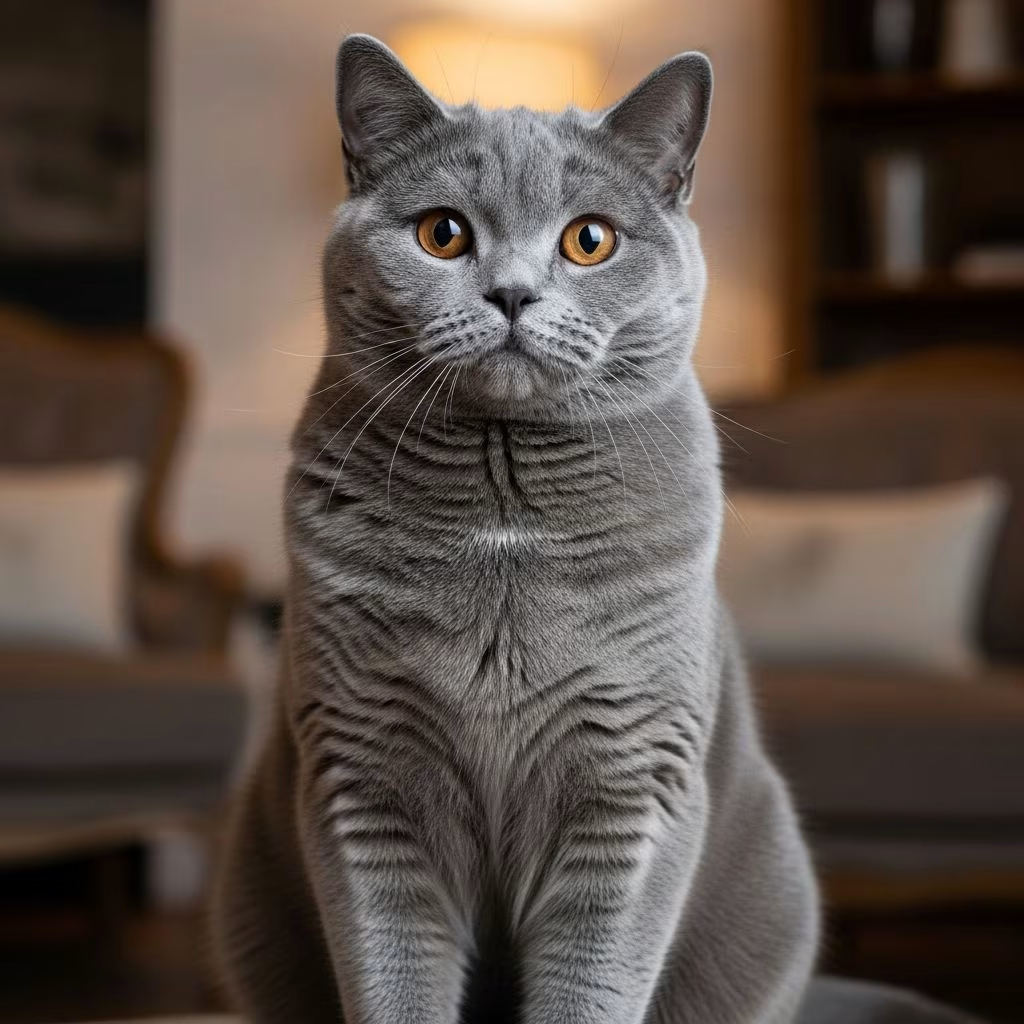
The British Shorthair stands out as one of the most recognizable and beloved cat breeds worldwide, prized for its robust build, plush coat, and serene disposition. Originating from the sturdy domestic cats of Britain, this breed combines a powerful physique with a gentle, adaptable personality that makes it suitable for various households.
Origins and Historical Significance
British Shorthairs trace their roots back centuries to the working cats that roamed Victorian England, valued for their prowess in controlling rodent populations in homes and barns. These resilient felines formed the foundation of what would become a pedigreed breed, with formal recognition emerging in the late 19th century through cat fancy organizations. Their evolution from street-smart hunters to show-ring stars highlights their enduring appeal.
During World War II, breeding stocks dwindled dramatically, nearly leading to extinction. Post-war recovery involved outcrossing with Persian cats, which influenced some coat and body traits while preserving the core Shorthair characteristics. Today, registries like The Cat Fanciers’ Association (CFA) and The International Cat Association (TICA) uphold strict standards that emphasize the breed’s compact power and dense fur.
Physical Characteristics and Breed Standards
British Shorthairs embody strength and balance in their form. They feature a broad chest, muscular legs, and a powerful torso that gives them a solid, teddy-bear-like appearance. The head is round with full cheeks—especially prominent in males—and large, expressive eyes that convey a sweet, open expression.
Short, sturdy legs support rounded paws, while the tail thickens at the base and tapers to a blunt tip. Males often develop jowls as they mature, enhancing their distinctive chubby-cheeked look. This build provides stability without sacrificing grace, allowing them to move with quiet confidence.
Coat Varieties and Colors
The hallmark of the British Shorthair is its short, dense coat: plush, firm, and resilient, snapping back into place when stroked against the grain. Unlike fluffy or woolly textures, it offers a crisp pile that feels luxurious to the touch.
Color options abound, though the iconic “British Blue”—a deep steel-gray shade—remains the most famous. Other hues include black, white, red, cream, and patterns like tabby or bi-color. Self-colored coats must be even from root to tip, with eye color often matching: copper-orange for blues, vivid green or blue for others. TICA and CFA standards score coat quality highly, dedicating points to density, texture, and patterning.
| Coat Color | Eye Color Preference | Notable Traits |
|---|---|---|
| British Blue (Gray) | Copper-Orange | Most classic, dense shading |
| Black | Gold or Copper | Rich, sound ebony tone |
| Tabby | Green or Gold | Bold markings, versatile patterns |
| White | Blue or Odd-Eyed | Pure, sparkling whiteness |
Temperament and Behavioral Traits
Renowned for their easygoing nature, British Shorthairs are calm, adaptable cats that thrive in diverse environments. They exude a quiet confidence, observing household activities from afar rather than demanding constant involvement. This laid-back demeanor suits apartments, families with children, or multi-pet homes.
While affectionate once bonded, they take time to warm up, preferring respectful interactions over smothering attention. They follow owners room-to-room out of curiosity, offering paw nudges for pets or play, but rarely vocalize excessively. Males tend to be outgoing charmers, while females maintain a more reserved elegance.
- Friendliness: Tolerant with kids and pets; patient but sets boundaries.
- Playfulness: Moderate energy; enjoys toys and climbing without destruction.
- Independence: Content alone but loyal to family.
Ideal for first-time owners, their low-maintenance vibe means they adapt to routines, protesting changes with gentle paws rather than meows.
Care and Grooming Essentials
Maintaining a British Shorthair’s plush coat requires minimal effort: weekly brushing removes loose fur and distributes natural oils, preventing mats. Their dense undercoat sheds seasonally, so tools like slicker brushes work best.
Bathing is rare due to self-grooming prowess, but nail trims every 10-14 days and ear checks keep them pristine. Dental hygiene via brushing or treats combats common feline issues. Provide scratching posts to protect furniture, as their sturdy claws need outlets.
Nutrition and Exercise Needs
As stocky cats prone to weight gain, British Shorthairs benefit from measured, high-quality diets rich in protein. Portion control prevents obesity; interactive feeders encourage movement. They enjoy moderate play—laser pointers, puzzle toys—but prefer lounging over marathons. Daily sessions suffice for fitness.
Access to windows for bird-watching or cat trees satisfies their supervisory instincts. Avoid free-feeding to maintain their powerful yet healthy frame.
Health Considerations and Lifespan
British Shorthairs are generally robust, boasting lifespans of 12-20 years with proper care. Common concerns include hypertrophic cardiomyopathy (HCM), a heart condition screened via genetic tests in responsible breeders. Polycystic kidney disease (PKD) risks linger from Persian lineage, though modern lines test negative.
Obesity tops preventable issues; monitor weight quarterly. Regular vet visits catch dental disease or joint strains early. Hip dysplasia appears rarely but watch for limping in seniors. Vaccinations, parasite prevention, and spaying/neutering round out proactive health.
- Annual check-ups essential.
- Screen for HCM/PKD from reputable breeders.
- Weight management key to longevity.
Bringing a British Shorthair Home
Acquire from CFA/TICA-registered breeders who health-test parents and prioritize temperament. Kittens should be socialized early for adaptability. Adoption from rescues offers mature cats with known histories. Prepare with litter boxes, elevated feeders, and quiet integration spaces.
Expect an initial shy phase; let them explore at their pace. Budget $800-$2,500 for pedigreed kittens, plus ongoing costs for premium food and toys.
Why Choose a British Shorthair?
These cats blend companionship with independence, making them perfect for busy lifestyles. Their plush allure, loyal hearts, and minimal demands create joyful bonds. Whether supervising from a perch or curling nearby, British Shorthairs enrich homes with understated elegance.
Frequently Asked Questions (FAQs)
Are British Shorthairs good with children?
Yes, their patient, tolerant nature makes them excellent family pets, though supervise young kids to avoid rough handling.
How often do British Shorthairs need grooming?
Weekly brushing suffices; they shed moderately but self-maintain well.
Do they get along with dogs?
Typically yes, their confident adaptability helps them integrate with canines.
What’s the most popular color?
The British Blue gray is iconic, but tabs and solids vary by preference.
Are they vocal cats?
No, they communicate softly with purrs and trills rather than yowls.
References
- British Shorthair Personality: Characteristics & Temperament — Litter-Robot. 2023. https://www.litter-robot.com/blog/british-shorthair-personality/
- British Shorthair — The Cat Fanciers’ Association. 2024. https://cfa.org/breed/british-shorthair/
- British Shorthair — The International Cat Association. 2024. https://tica.org/breed/british-shorthair/
- 24 Fun Facts about British Shorthair Cats — FELIWAY. 2023. https://www.feliway.co.uk/blogs/news/24-fun-facts-about-british-shorthair-cats
- British Shorthair — Wikipedia. 2026. https://en.wikipedia.org/wiki/British_Shorthair
- British Shorthair Cat Breed — Hill’s Pet Nutrition. 2024. https://www.hillspet.com/cat-care/cat-breeds/british-shorthair
- British Shorthair Cat Breed Information — Purina UK. 2024. https://www.purina.co.uk/find-a-pet/cat-breeds/british-shorthair



