

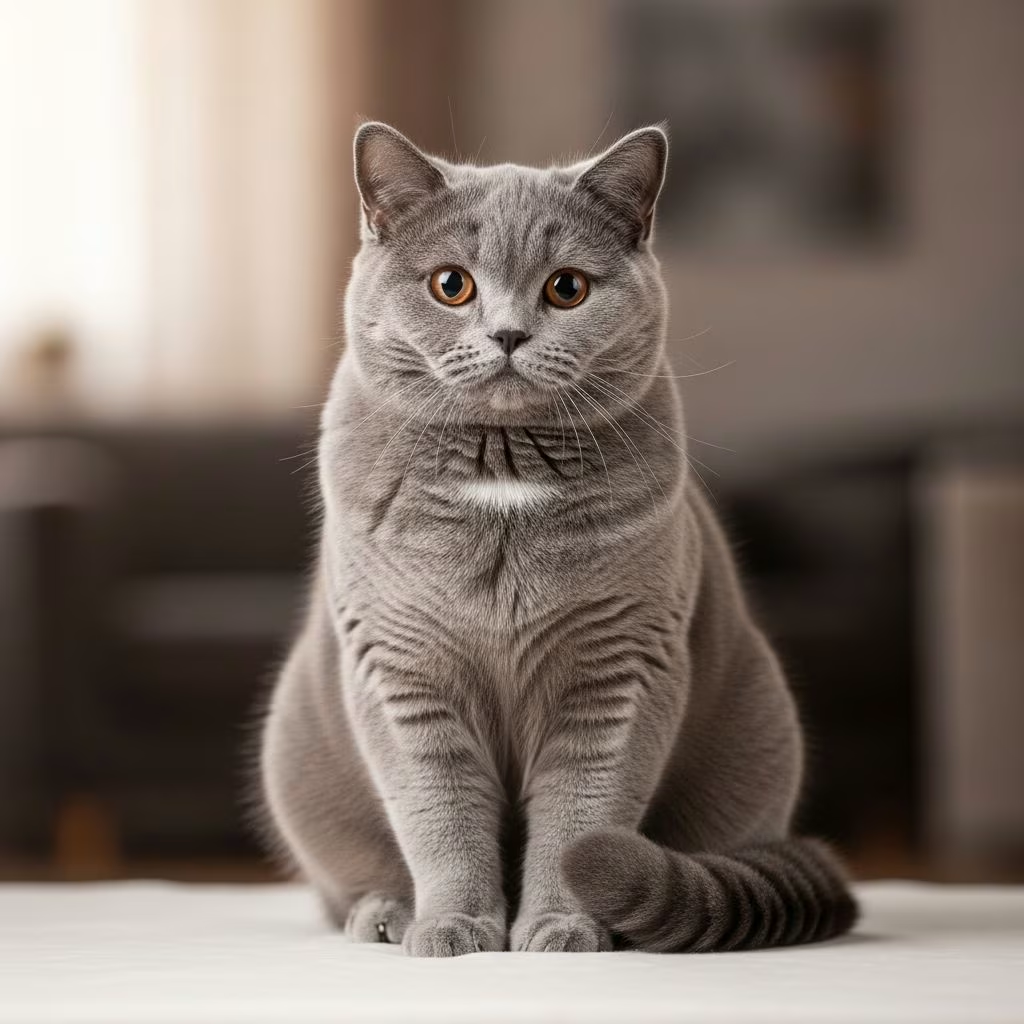
The British Shorthair stands as one of the most recognizable and beloved cat breeds in the world. With their distinctive rounded features, dense coats, and remarkably calm demeanor, these felines have captured the hearts of cat enthusiasts for generations. This comprehensive guide explores everything prospective and current owners need to understand about this remarkable breed.
Understanding the Physical Characteristics of British Shorthairs
British Shorthairs possess a distinctly powerful and compact build that sets them apart from other feline breeds. Their physical presence conveys strength and stability, making them appear almost toy-like in their proportions, yet substantially muscular beneath their plush exterior.
Distinctive Facial Features
One of the most recognizable aspects of the British Shorthair is their broad, rounded face. The head is notably large and proportioned, featuring full, prominent cheeks that give the breed their characteristic “chubby-cheeked” appearance. Their large, round eyes are particularly expressive, and in the famous British Blue variety, these eyes display a striking deep copper-orange hue. The ears are medium-sized, positioned wide apart on the head, and the muzzle is short and broad, blending seamlessly into the facial structure in a way that creates the optical illusion of having virtually no neck.
Body Structure and Build
The British Shorthair’s body exemplifies strength and balance. These cats possess:
- A full, broad chest that conveys power and stability
- Muscular, thick-set legs that are medium to short in length
- Rounded paws that provide exceptional balance and support
- A medium-length tail that is thick at the base and tapers to a rounded tip
- A sturdy, muscular torso with substantial bone structure
Despite their considerable size and muscular build, British Shorthairs are remarkably nimble and graceful in their movements.
Coat Characteristics and Color Varieties
The British Shorthair’s coat is one of their defining features. Their fur is exceptionally dense, with a plush texture rather than woolly or fluffy qualities. The coat has a distinctive “crisp” pile that creates a resilient feel when touched and visibly breaks over the cat’s body as they move. This dense undercoat requires regular grooming to maintain its optimal condition.
While the breed is perhaps most famous for the striking “British Blue” variety—a grey-blue coat color that has become synonymous with the breed—British Shorthairs actually come in numerous color variations. The coat should maintain an even length throughout and appear straight and lustrous.
Personality and Temperament: The Heart of the Breed
British Shorthairs are renowned for their exceptionally calm and easygoing nature, making them ideal companions for diverse household environments. Their temperament represents one of their most valuable characteristics for families and individuals seeking a low-stress feline companion.
The Reserved Yet Affectionate Nature
British Shorthairs exhibit a uniquely balanced personality that reflects their British heritage—they are initially reserved but warm considerably once they develop trust with their human family members. This characteristic means they are unlikely to immediately bond with strangers or new people in their environment. However, once a British Shorthair has decided to accept someone as family, their personality transforms dramatically, and they display genuine affection and devotion.
It’s important to note that gender differences exist within the breed. Male British Shorthairs tend to be more happy-go-lucky and readily welcome attention from multiple family members, while females often exhibit a more reserved, serious demeanor and expect proper etiquette and gentle handling from those they accept.
Independence and Social Bonding
British Shorthairs are fiercely independent cats that respect their own autonomy and appreciate owners who honor their boundaries. They are completely self-sufficient when they choose to be, yet paradoxically, they also enjoy being in the presence of their family members. These cats excel at observing from a distance and supervising their owners’ daily activities from a comfortable vantage point rather than demanding constant physical interaction.
Unlike some breeds that demand to be picked up and held, British Shorthairs typically dislike being carried around. Instead, they prefer to sit beside their owners on the sofa, providing companionship without physical constraint. They appreciate being petted and stroked and will communicate their contentment through deep, resonant purring.
Playfulness and Activity Levels
The British Shorthair exhibits moderate playfulness rather than the hyperactive energy characteristic of some feline breeds. While they genuinely enjoy cat toys and climbing trees, they don’t require constant stimulation or activity. These are fundamentally laid-back cats that are equally content to sit and survey their environment as they are to chase a toy. When they do engage in play, they remain quiet and controlled, never becoming destructive or rambunctious.
Interestingly, British Shorthairs will often approach their owners with toys when they feel inclined to play, rather than demanding attention continuously. This self-directed approach to recreation makes them excellent companions for single people and those living in apartments where excessive noise and activity might be problematic.
Behavioral Traits and Social Compatibility
Communication Style
British Shorthairs are famously quiet cats. While they may occasionally comment on their owners’ activities with a gentle vocalization, they rarely engage in lengthy conversations or excessive meowing. This quiet demeanor makes them ideal for people who prefer peaceful home environments and extends their suitability to apartment living.
Interaction with Other Pets and Children
The patient and tolerant nature of British Shorthairs makes them exceptionally well-suited to multi-pet households. They typically adjust easily to the presence of dogs and other cats, and while they may become the dominant personality in a household dynamic, they rarely display aggression.
When raised properly, British Shorthairs are excellent with children. However, they may withdraw during periods of loud activity or rough play. It’s essential for families to teach children that British Shorthairs are not fond of being carried around and prefer to interact on their own terms.
Training and Intelligence
Despite their laid-back appearance, British Shorthairs are highly intelligent cats. They learn their owners’ daily routines, follow from room to room as their humans complete tasks, and will even gently protest with a paw tap if their regular schedule changes significantly. This intelligence makes them responsive to consistent routines and predictable environments.
Care Requirements and Living Arrangements
Grooming Needs
The British Shorthair’s dense coat requires regular maintenance to remain healthy and beautiful. Weekly grooming sessions are recommended to prevent matting, reduce shedding, and keep the coat in optimal condition. During shedding seasons, more frequent grooming may be necessary to manage loose fur effectively.
Space and Environment Considerations
While British Shorthairs are adaptable cats, they do benefit from access to outdoor space where possible. These cats enjoy supervising their environment and appreciating nature from windows or secure outdoor areas. Their moderate activity level means they don’t require exceptionally large living spaces, making them suitable for apartment living, though access to climbing trees and enrichment opportunities remains important.
Suitability for Different Lifestyles
British Shorthairs are remarkably adaptable to various living situations:
- They make excellent first-time cat pets due to their low-maintenance nature
- They are ideal for families with young children when proper boundaries are established
- They adapt well to homes with other pets, both feline and canine
- They are suitable for relaxed home environments where consistency is valued
- They can be left alone for a few hours without distress
- They are perfect companions for single people due to their independent yet affectionate nature
Health and Wellness Considerations
Like all pedigree cats, British Shorthairs may be prone to specific health conditions. Prospective owners should research breed-specific health concerns and select reputable breeders who conduct appropriate health screening. Regular veterinary check-ups, appropriate nutrition, and exercise contribute to maintaining optimal health throughout the cat’s life.
Frequently Asked Questions About British Shorthairs
Are British Shorthairs good for first-time cat owners?
Yes, British Shorthairs are excellent choices for first-time cat owners due to their easygoing nature, low-maintenance requirements, and adaptability to various living situations.
Do British Shorthairs need a lot of exercise?
No, British Shorthairs are moderately active cats that don’t require excessive exercise. They are content with moderate play sessions and self-directed activity.
How often should British Shorthairs be groomed?
Weekly grooming is recommended to maintain their dense coat, prevent matting, and minimize shedding.
Can British Shorthairs be left alone?
Yes, British Shorthairs are independent and can be left alone for a few hours, though like all cats, they appreciate routine and consistent schedules.
Are British Shorthairs affectionate?
British Shorthairs are affectionate once they bond with their owners, though they show affection differently than some breeds—they prefer proximity over constant physical handling.
Comparing British Shorthair Characteristics
| Characteristic | Rating | Notes |
|---|---|---|
| Friendliness | High (once bonded) | Initial reserve, warm affection after trust is established |
| Energy Level | Moderate | Enjoy play but equally content to observe and relax |
| Vocalization | Low | Quiet cats with minimal meowing |
| Grooming Needs | Moderate | Weekly brushing recommended |
| Compatibility with Children | High | Patient and tolerant, prefer gentle handling |
| Compatibility with Other Pets | High | Adaptable to multi-pet households |
| Independence | High | Self-sufficient, don’t demand constant attention |
| Suitability for Apartments | High | Quiet and adaptable to smaller spaces |
Why British Shorthairs Remain Popular Companions
The enduring popularity of British Shorthairs stems from their remarkable combination of striking physical beauty and genuinely pleasant temperament. These cats represent an ideal balance between independence and companionship, making them suitable for diverse household situations and lifestyles.
Their reserved-yet-affectionate nature, combined with their low-maintenance care requirements and adaptability, positions them as exceptional family pets. Everyone in a family typically finds something to love about a British Shorthair—from their distinctive appearance to their calm, collected personality.
For those seeking a cat that demands respect for their boundaries while offering genuine loyalty and affection, the British Shorthair represents a truly outstanding choice. Their gentle strength, both physical and emotional, continues to make them one of the world’s most beloved cat breeds.
References
- British Shorthair Personality: Characteristics & Temperament — Litter Robot. Accessed January 2026. https://www.litter-robot.com/blog/british-shorthair-personality/
- British Shorthair — The Cat Fanciers’ Association (CFA). Accessed January 2026. https://cfa.org/breed/british-shorthair/
- British Shorthair Cat Breed Information — Purina UK. Accessed January 2026. https://www.purina.co.uk/find-a-pet/cat-breeds/british-shorthair
- British Shorthair — TICA – The International Cat Association. Accessed January 2026. https://tica.org/breed/british-shorthair/
- 24 Fun Facts about British Shorthair Cats — FELIWAY Cat Experts. Accessed January 2026. https://www.feliway.co.uk/blogs/news/24-fun-facts-about-british-shorthair-cats
- British Shorthair — Wikipedia. Accessed January 2026. https://en.wikipedia.org/wiki/British_Shorthair
- British Shorthair Cat Breed — Hill’s Pet Nutrition. Accessed January 2026. https://www.hillspet.com/cat-care/cat-breeds/british-shorthair



