

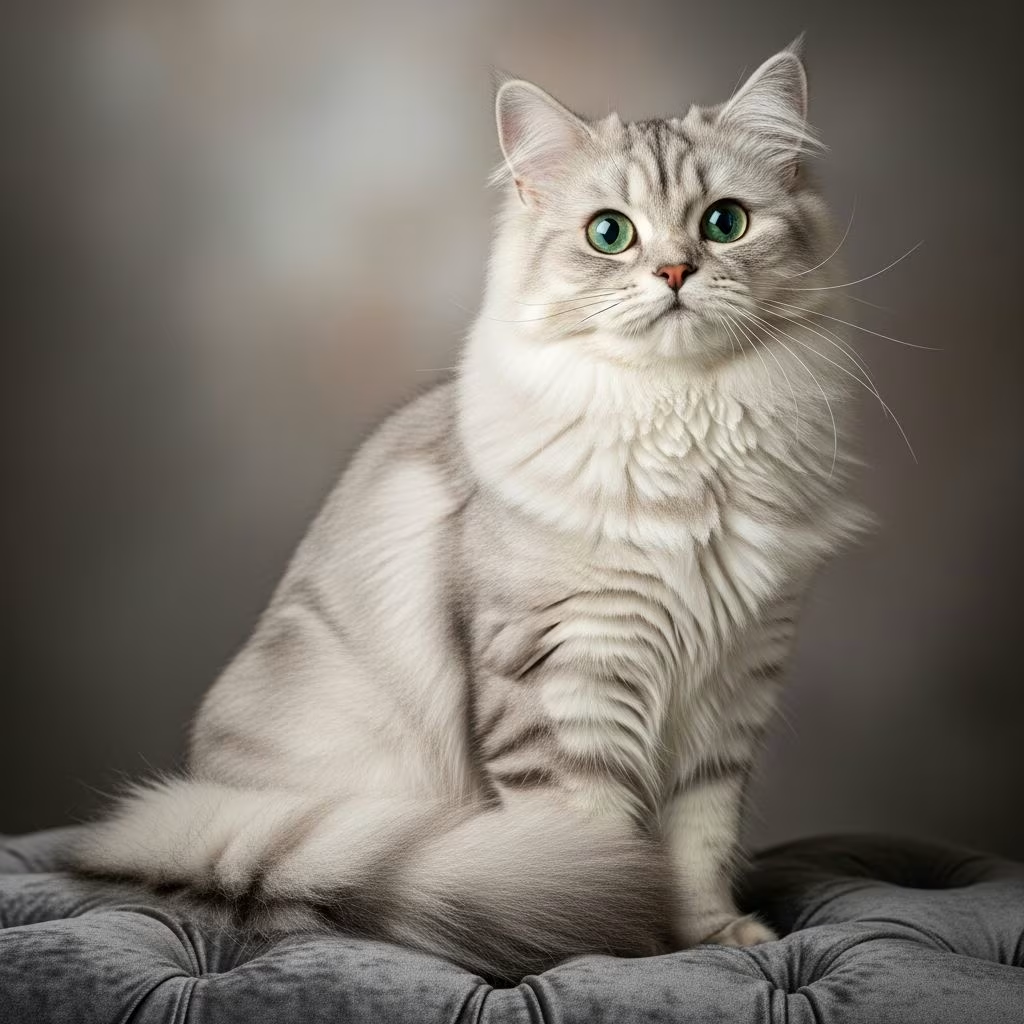
The British Longhair stands out as a majestic feline with a luxurious semi-long coat, robust physique, and a personality that radiates tranquility. Developed from crossing the iconic British Shorthair with Persian influences, this breed combines plush elegance with an easygoing demeanor, making it a top choice for households seeking a low-drama companion.
Origins and Development of the Breed
Tracing back to ancient roots, the British Longhair’s lineage ties closely to the British Shorthair, a breed introduced by Roman soldiers who brought sturdy cats to Britain for pest control. In the 20th century, British breeders selectively crossed these shorthairs with Persians to achieve a longer, denser coat while preserving the core muscular frame and composed nature.
This intentional breeding emerged in response to enthusiasts’ desires for variety within the British cat family. Unlike the shorthair’s sleek fur, the longhair version developed a semi-long, weather-resistant coat suited to the UK’s variable climate. Recognition by bodies like The International Cat Association (TICA) solidified its status, emphasizing its distinction through formal standards that highlight its rounded features and plush texture.
Today, the breed embodies a harmonious blend of heritage and refinement, appealing to those who appreciate cats with historical depth and modern adaptability. Full maturity takes up to three years, allowing their impressive size and coat to fully develop.
Physical Characteristics and Varieties
British Longhairs possess a compact yet powerful build, with males often outweighing females significantly. Adults typically weigh 3.5 to 8 kilograms (7.7 to 17.6 pounds), with males reaching up to 15 pounds or more due to their broader jaws, sturdy legs, and deep chests. Their bodies are semi-cobby—stocky and muscular without excess bulk—supported by short, strong legs ending in round paws.
The head is a standout feature: broad and round with full cheeks, a short broad nose, firm chin, and small, rounded ears lined with fur. Eyes are large, round, and expressive, appearing in vivid shades of orange, blue, green, or copper, adding to their teddy bear-like charm.
| Feature | Description |
|---|---|
| Body Type | Medium to large, muscular, broad chest |
| Coat | Semi-long, dense, plush, silky with slight wave |
| Colors/Patterns | Over 300 variations: solid blue (grey), tabby, bi-color, pointed |
| Tail | Short, thick, tapering to rounded tip |
| Size | Males: 12-18 lbs; Females: 8-12 lbs |
The coat deserves special mention—dense, resilient, and plush, it swirls around the body, enhancing their imposing yet cuddly silhouette. Popular in blue (dilute black), it also comes in tabby, tortoiseshell, and rare pointed patterns, offering endless aesthetic appeal.
Temperament and Behavioral Traits
Renowned for stability, British Longhairs exhibit a calm, friendly disposition that adapts seamlessly to diverse environments. They form deep bonds with owners, enjoying cuddles and proximity without demanding constant lap time—preferring to lounge nearby on the sofa.
- Calm and Independent: Low-energy with occasional playful bursts, ideal for relaxed lifestyles.
- Affectionate yet Dignified: Males are outgoing charmers; females more reserved, both loyal without clinginess.
- Social Compatibility: Tolerant of children, dogs, and other cats when introduced properly; not overly vocal.
- Intelligent Observers: Quiet rulers of their domain, content alone but thrilled by family interaction.
This breed’s “four feet on the floor” preference means they dislike being carried, valuing gentle handling that respects their poise. Their even temperament shines in families, where they provide steady companionship without chaos.
Grooming and Daily Care Essentials
Despite the long coat, British Longhairs are relatively low-maintenance. Brush 2-3 times weekly to prevent matting, focusing on removing undercoat during shedding seasons. Their fur’s density resists tangles, but regular sessions promote shine and bonding.
Bathing is rare—only if soiled—as their coat repels dirt. Check ears weekly for wax buildup, trim nails monthly, and provide dental care via brushing or treats to maintain oral health. A sturdy scratching post supports their strong claws.
Weekly Routine
- Coat brushing: 10-15 minutes
- Ear cleaning: Soft cloth or vet-approved solution
- Nail trim: As needed, with positive reinforcement
- Litter box: Scoop daily, full clean weekly
Nutrition is key: High-quality, portion-controlled food combats weight gain tendencies. Fresh water and interactive feeders keep them engaged without overeating.
Health Considerations and Lifespan
Generally robust, British Longhairs live 12-20 years with proper care. However, monitor for obesity, hypertrophic cardiomyopathy (HCM), and polycystic kidney disease (PKD), inherited from Persian ancestry. Annual vet checkups, including cardiac screenings, are vital.
Preventive measures include balanced diet, exercise via toys, and spaying/neutering. Their brachycephalic (short-nosed) structure may cause minor breathing issues in extremes, but reputable breeders screen for health.
Ideal Living Environments and Lifestyle Fit
Versatile for apartments or houses, they thrive indoors with perches, toys, and windows for bird-watching. A quiet home suits their sedate nature, though they handle moderate activity well. Excellent for first-time owners, seniors, or families.
Provide vertical space and puzzle toys to stimulate their minds. They adapt to being left a few hours daily, greeting returns with quiet enthusiasm.
Bringing Home a British Longhair Kitten
Select ethical breeders adhering to TICA standards, prioritizing health testing. Kittens should be socialized, weaned at 8-12 weeks, and vetted. Adoption from rescues offers mature cats with known temperaments.
Prepare with essentials: litter setup, food, bed, and safe zones. Early training fosters good habits like litter use and scratching boundaries.
Frequently Asked Questions (FAQs)
Are British Longhairs good with kids?
Yes, their patient nature makes them tolerant of gentle children, though supervise interactions.
How often do they need grooming?
2-3 times weekly brushing suffices; daily during heavy sheds.
Do they get along with dogs?
Typically yes, with proper introductions; their calm vibe aids harmony.
What’s the most common color?
Blue (grey) is iconic, but varieties abound.
Are they vocal cats?
No, they are quiet and undemanding.
Owning a British Longhair enriches life with their plush presence and unwavering loyalty, proving that gentle giants make the finest feline friends.
References
- British Longhairs are cats with an even and stable temperament — Petrebels. 2023. https://www.petrebels.com/en/cat-breeds-british-longhair/
- British Longhair | Traits, Appearance, General, Character — VetAmerikan. 2024. https://www.vetamerikan.org/our-best-friends/cat-types/british-longhair
- British Longhair – TICA — The International Cat Association. 2025-01-15. https://tica.org/breed/british-longhair/
- British Longhair Cat Breed Information — Purina UK. 2024-06-10. https://www.purina.co.uk/find-a-pet/cat-breeds/british-longhair
- Why British Longhair Cats Are The Gentle Giants — CatKing Cattery. 2023-11-20. https://www.catkingcattery.com/blog/why-british-longhair-cats-are-the-gentle-giants-of-the-longhair-felines
- British Longhair Cat Breed: Size, Appearance & Personality — Cats.com. 2025-02-05. https://cats.com/cat-breeds/british-longhair



