

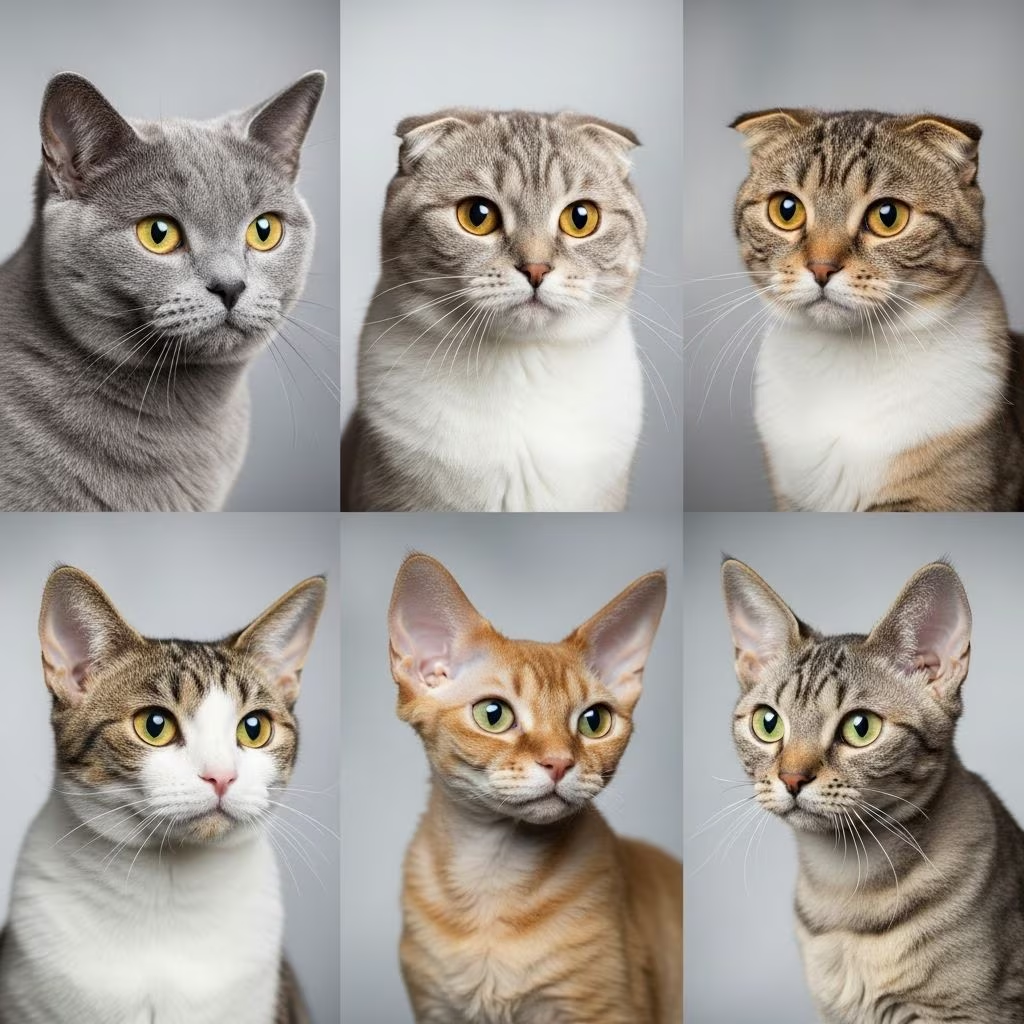
Renowned for their sturdy builds, plush coats, and serene dispositions, British cat breeds represent some of the most beloved pedigree felines worldwide. Originating from the misty isles of the United Kingdom, these cats trace their lineage to hardy working animals that evolved into elegant companions. This guide delves into their fascinating backgrounds, defining characteristics, care requirements, and more, drawing from credible breed histories and standards.
Ancient Roots and Evolutionary Journey
The story of British cat breeds begins millennia ago, intertwined with human migration and settlement. Scholars debate the exact arrival of domestic cats in Britain, but evidence points to pre-Roman presence, with interbreeding between imported felines and local wildcats shaping a robust landrace. These early cats, valued for pest control on farms and ships, developed thick coats suited to temperate climates and strong bodies for survival.
By the 19th century, selective breeding formalized their traits. Harrison Weir, often called the father of cat fancy, organized the first cat show at London’s Crystal Palace in 1871, showcasing British Shorthairs as prized exhibits. Initially focused on the iconic blue-grey variant known as the British Blue, breeders emphasized stocky frames, round faces, and dense fur. World Wars nearly decimated populations, prompting crosses with Persians, Chartreux, and Russian Blues to revive the lines—practices that enriched genetic diversity but required later standardization.
Today, these breeds thrive globally, with the British Shorthair topping UK registrations via the Governing Council of the Cat Fancy (GCCF), accounting for half of all pedigree kittens annually. The Cat Fanciers’ Association (CFA) granted full champion status in 1980, cementing their show ring dominance.
Signature Physical Traits
British cats stand out with their teddy bear-like appearance: broad heads, large round eyes in shades of copper, gold, or blue, and muscular yet compact bodies. Shorthairs boast a short, plush double coat that feels dense and resilient, while Longhairs feature semi-long, flowing fur without excessive length.
| Feature | British Shorthair | British Longhair |
|---|---|---|
| Body Type | Stocky, cobby; 9-18 lbs | Similar but slightly elongated; 9-20 lbs |
| Coat | Short, thick, double-layered | Semi-long, silky, minimal undercoat |
| Head | Round, broad cheeks | Round with fuller ruff |
| Eyes | Large, round, vivid | Expressive, matching coat |
Color varieties abound: solids (black, white, blue), tabbies, torties, and points. The classic British Blue remains iconic, its slate-grey coat shimmering under light. These traits reflect adaptations from ancient hunters to modern pedigrees.
Temperament and Behavioral Insights
Calm, independent, and affectionate without clinginess, British cats embody quiet confidence. They adapt well to apartments, families, and seniors, often forming deep bonds while respecting personal space. Playful in moderation, they prefer lounging over high-energy antics, making them low-maintenance companions.
- Affectionate yet Reserved: Greet owners warmly but enjoy solitude.
- Intelligent and Trainable: Respond to clicker training and puzzle toys.
- Social with Pets: Generally tolerant of dogs and other cats if introduced properly.
- Quiet Demeanor: Rare vocalization; soft chirps over meows.
Early socialization enhances their adaptability. Kittens from reputable breeders display these traits innately, reflecting centuries of refinement.
Health Considerations and Lifespan
British breeds enjoy robust health, often living 12-20 years with proper care. Common concerns include hypertrophic cardiomyopathy (HCM), polycystic kidney disease (PKD) from Persian crosses, and obesity due to sedentary lifestyles. Reputable breeders screen for genetic issues via DNA tests.
- HCM: Heart muscle thickening; annual echos recommended.
- PKD: Kidney cysts; ultrasound screening pre-breeding.
- Patellar Luxation: Minor knee issues in some lines.
Maintain ideal weight through portion control and activity. Veterinary guidelines from bodies like the CFA stress regular check-ups.
Grooming and Daily Care Routines
Shorthairs need weekly brushing to manage shedding and distribute oils; Longhairs require twice-weekly sessions plus mat checks. Both shed seasonally, but their coats resist tangling.
- Bath rarely; dry shampoos suffice.
- Nail trims biweekly.
- Dental care daily with brushes or additives.
- Ear cleaning monthly if waxy.
High-quality diets support coat health—opt for proteins mirroring their hunter ancestry. Litter training comes naturally; provide unscented, clumping options.
Nutrition Essentials for Optimal Vitality
Fuel these sturdy cats with balanced, age-specific kibble or wet food emphasizing meat. Adults need 200-300 calories daily, adjusted for activity. Seniors benefit from joint supplements like glucosamine.
| Life Stage | Daily Calories | Key Nutrients |
|---|---|---|
| Kitten | 200-250 | High protein, DHA for brain |
| Adult | 200-300 | Taurine, omega-3s |
| Senior | 180-250 | Antioxidants, reduced fat |
Avoid free-feeding to prevent obesity; scheduled meals encourage routine.
Training and Enrichment Strategies
Harness their smarts with positive reinforcement. Teach tricks like sit, high-five, or leash walking. Interactive toys, cat trees, and window perches combat boredom.
- Rotate toys weekly for novelty.
- Use food puzzles for mental stimulation.
- Leash train for safe outdoor exploration.
These activities align with their moderate energy, promoting well-being.
Acquiring a British Breed Cat
Choose CFA or GCCF-registered breeders who health-test parents and prioritize ethics. Rescue organizations often rehome pedigrees. Expect $800-$2000 for kittens; adults may cost less.
Puppy mills yield health risks—verify pedigrees and visit catteries. Adoptions support shelters while gaining loving pets.
Common Myths Debunked
- Myth: They’re Lazy. Fact: Moderately active; thrive on play.
- Myth: Longhairs Need Constant Grooming. Fact: Easier than full Persians.
- Myth: All Blues Are Shorthairs. Fact: Longhairs come in blue too.
Frequently Asked Questions (FAQs)
Are British cats good for beginners?
Yes, their easygoing nature suits novices.
Do they get along with children?
Typically patient; supervise young kids.
How often should I bathe them?
Rarely; spot clean as needed.
Are they hypoallergenic?
No, but low-shedding coats help mildly.
What’s the difference between Shorthair and Longhair?
Coat length; shared body and temperament.
Why Choose a British Breed?
These cats offer timeless appeal: historical prestige, low-drama companionship, and striking beauty. Whether Shorthair’s plush brevity or Longhair’s flowing elegance, they enrich homes with quiet loyalty.
References
- The History of British Shorthair Breed — British Cat USA. 2017-05-23. https://www.britishcatusa.com/single-post/2017/05/23/the-history-of-british-shorthair-breed
- British Shorthair — Wikipedia (citing primary registries). N/A. https://en.wikipedia.org/wiki/British_Shorthair
- Breed highlight: British Shorthair cat facts — Addiction Pet Foods. N/A. https://addictionpet.com/blog/breed-highlight-british-shorthair-cat-facts/
- The Ultimate Guide to British Shorthair & Longhair Cats — Cat King Cattery. N/A. https://www.catkingcattery.com/blog/ultimate-guide-british-shorthair-longhair-cats-history-traits-care
- Cat History: The Enduring Charm of the British Shorthair — Cheshire and Wain. N/A. https://www.cheshireandwain.com/en-us/blogs/journal/the-history-and-enduring-charm-of-the-british-shorthair
- Get to Know the British Shorthair Breed — ASPCA Pet Health Insurance. N/A. https://www.aspcapetinsurance.com/resources/british-shorthair-cat/
- British Shorthair — The Cat Fanciers’ Association (CFA). N/A. https://cfa.org/breed/british-shorthair/



