

Bringing a New Dog Home: What to Know
Bringing a new dog into your home is an exciting milestone, but it also requires thoughtful preparation and planning. Whether you’re adopting an adult dog or welcoming a puppy, taking the time to get ready will help ensure a smooth transition for both you and your new companion. Getting a new dog requires some forethought and preparation to make the transition as seamless as possible for both you and your pet. This comprehensive guide will walk you through everything you need to know to set your new dog up for success.
Preparing Your Home for a New Dog
Before your new dog arrives, it’s essential to prepare your living space. A well-prepared home creates a safe, comfortable environment where your dog can adjust at their own pace without unnecessary stress or danger.
Essential Supplies to Gather
Stock up on the fundamental items your dog will need from day one. Having supplies ready in advance prevents last-minute scrambling and demonstrates your commitment to providing quality care. Here are the core items every new dog needs:
- A flat-buckle or martingale collar and identification tag for safety and identification
- A harness and 6-foot nylon leash for controlled walks and outdoor time
- Food and water bowls designed for your dog’s size
- A comfortable bed or sleeping area where your dog can rest
- Toys that are safe and unlikely to be swallowed, such as Nylabones
- An appropriately sized crate or enclosed pet playpen for a safe retreat space
- Baby gates to restrict access to certain areas of your home
- Dog treats for training and positive reinforcement
Regarding toys, we recommend items unlikely to be swallowed until you understand your dog’s chewing habits. Avoid rawhide treats, which can pose choking hazards. As for food, if you know what your dog has been eating, purchase a small bag to maintain dietary consistency. You can transition to new food gradually by mixing it with the current food to avoid stomach upset.
Establishing a Safe Routine
Before your dog arrives, discuss household routines with all family members. Determine who will walk your dog and when, how often feeding will occur, whether your dog can access furniture, where they’ll sleep at night, and which rooms are off-limits. Consistency across all family members is crucial for helping your dog feel secure and understand household expectations.
Puppy-Proofing and Dog-Proofing Your Home
Once the basic preparations are complete, take time to inspect your home and yard thoroughly. Just as you would childproof a home for a toddler, dog-proofing protects your new pet from hazards and your possessions from damage.
Indoor Safety Considerations
Walk through your home systematically and address common safety concerns:
- Secure electrical cords and cover outlets to prevent electrocution
- Store or remove toxic houseplants that could poison your dog
- Ensure garbage cans are inaccessible or stored in closed cabinets
- Move valuable or fragile items to higher shelves away from curious noses
- Keep toilet seats closed to prevent drowning hazards and reduce bathroom access
- Store food properly in secured cabinets or containers
- Remove any small objects that could be choking hazards
Outdoor Yard Safety
If you have a yard, perform a thorough inspection before your dog arrives. Walk the perimeter and look for gaps or spaces where your dog could escape—small dogs and puppies can squeeze through surprisingly tiny openings. Check for anything a dog could climb to escape over the fence, such as wood piles, fountains, latticework, or garbage cans. Some dogs are skilled at flipping open gate latches, so secure these with clips or locks if your dog can reach them. Ensure your fence is in good repair and that there’s no way for your dog to dig underneath or squeeze through.
Additionally, research local dog laws and licensing requirements in your area. Understanding leash laws and regulations will help you stay compliant and keep your dog safe.
Planning Your Dog’s Arrival
Timing matters when bringing your new dog home. Arrange for your dog to arrive during a weekend or when you can be home for several days. This allows you to get to know each other, spend quality time together, and begin establishing trust. During the first few weeks, focus on creating a predictable routine so your dog knows what to expect and learns to trust you. Avoid rushing your new dog into unfamiliar situations or overwhelming social experiences.
Understanding Your New Dog’s Basic Needs
To be happy and healthy in their new home, your dog requires specific fundamental needs. Understanding and meeting these needs is essential for their physical and emotional wellbeing:
| Basic Need | Details |
|---|---|
| Fresh Water | Constant access to clean, fresh drinking water throughout the day |
| Nutrition | A nutritionally balanced diet appropriate for your dog’s age, size, and health status |
| Outdoor Elimination | A safe, designated place outside where your dog can relieve themselves |
| Exercise | Daily physical activity tailored to your dog’s age and energy level |
| Socialization | Positive interactions with people, other animals, and new environments |
| Veterinary Care | Regular health check-ups and preventive medical attention |
The Crate: A Safe Haven, Not a Prison
A crate might look like a jail cell to you, but to your dog, it can be a comfortable room of their own. Dogs have an instinctive desire to den, making a properly introduced crate a valuable tool for both training and security. A crate should be large enough for your dog to stand up, turn around, and sit comfortably in normal posture, but not so large that they can eliminate in one corner and sleep in another.
To make the crate a positive space, add a comfortable bed and occasionally give treats inside. Never force your dog into the crate or use it as punishment. Instead, introduce it gradually with positive associations so your dog comes to see it as their safe retreat rather than a place of confinement.
Preventing Destructive Chewing
Destructive chewing is a common challenge with new dogs. Setting clear boundaries is crucial for managing this behavior and protecting your belongings.
Using Crates and Pens Effectively
A dog crate or exercise pen (X-pen) provides a secure space where your dog can rest when they need a break from play or socialization. When you’re unable to supervise your dog, placing them in the crate ensures they won’t chew on items you want to protect. The key is making the crate a positive place by providing a comfortable bed, toys, and occasional treats.
Leash Training Indoors
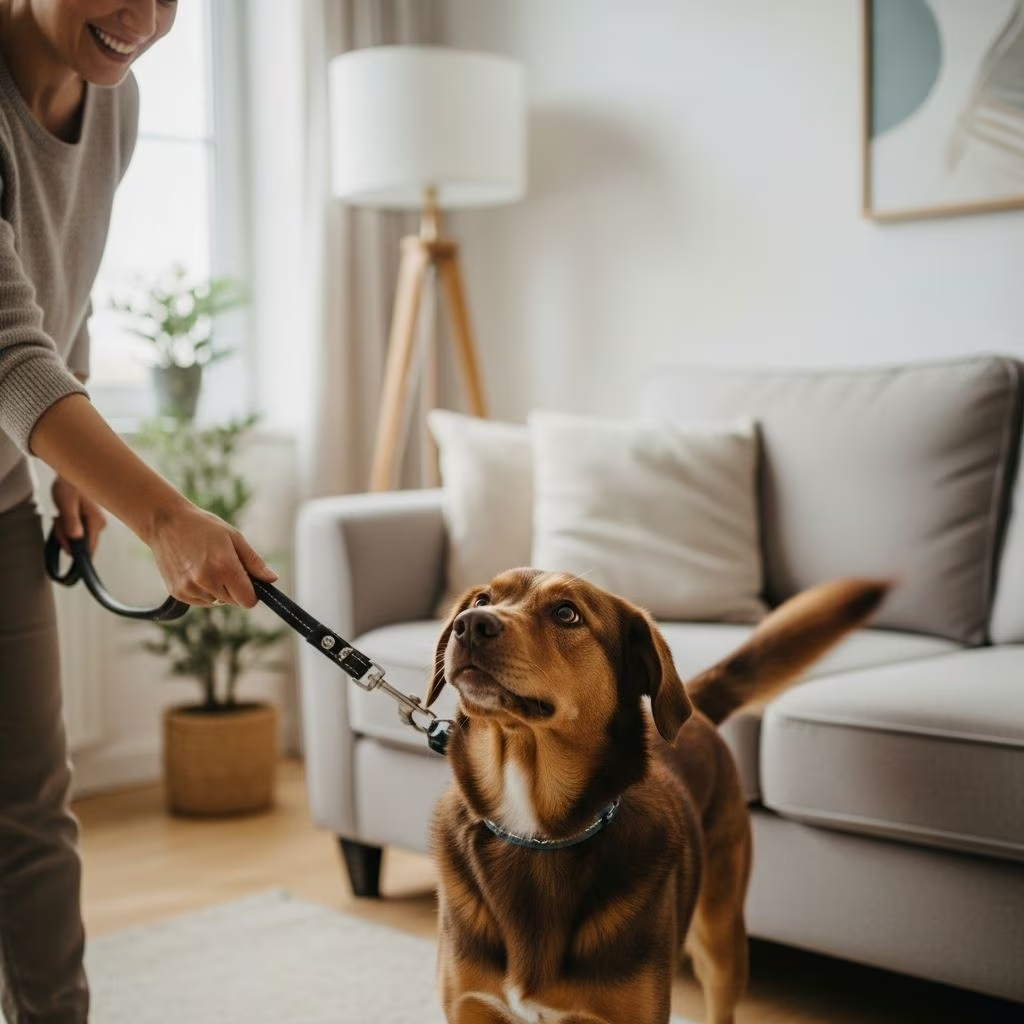
In the early adjustment period, you might leave a leash on your dog indoors so you can guide them gently when needed. This allows supervision without constant physical contact and helps your dog learn household boundaries while they’re still getting accustomed to their new family and surroundings.
Making Your Yard Safe for Your Dog
Beyond the initial puppy-proofing inspection, there are ongoing considerations for yard safety. Plan to keep your new dog on a leash except in a securely fenced yard. This prevents unexpected escapes and keeps your dog safe from traffic, predators, and other dangers.
Check your fencing regularly for new gaps or deterioration. Small dogs and puppies require extra attention, as they can escape through surprisingly small spaces. If you have an older fence, consider reinforcing it or adding additional barriers. Keep your yard clear of hazards like toxic plants, sharp objects, and items that could become choking hazards.
Introducing Your New Dog to Existing Pets
If you already have pets at home, a careful introduction process is essential. Minimize people and pet introductions during the first couple of weeks, allowing your new dog to meet only immediate family members and your personal pets. Never leave your new dog unsupervised with existing pets until you’re confident all animals can interact safely.
Use a crate or transition room to keep dogs separate when you can’t supervise them directly. Separate new dogs during feeding time and remove highly desirable toys, treats, and beds during the transition period to prevent resource guarding and conflict. This gradual approach allows all animals to adjust to each other’s presence before full integration.
Creating Consistency and Building Trust
Quality time is very important during the first weeks your dog is in their new home. Consistency and routines make the transition easier for everyone involved. Establish regular feeding times, walking schedules, and play sessions. This predictability helps your dog feel secure and understand what to expect each day.
Work with all family members to ensure consistency in training and expectations. Discuss in advance which behaviors you want to reward and which behaviors you want to ignore. Make sure everyone implements the same approach so your dog doesn’t receive mixed messages. Avoid rough play patterns, as they teach bad habits that are difficult to reverse later.
Supervision and Monitoring During Adjustment
Supervise your new dog closely, especially during the first few weeks. For extra monitoring when your dog is out of sight, consider placing a bell on their collar so you can track their location. Close supervision prevents destructive behavior, helps you catch house-training mistakes early, and allows you to intervene if your dog is engaging in unsafe activities.
Frequently Asked Questions
Q: How long does it take for a new dog to adjust to their home?
A: Adjustment timelines vary by individual dog. Most dogs begin settling in within a few weeks, but building complete trust and adjusting to routines may take several months. Be patient and consistent during this transition period.
Q: Should I leave my new dog alone on the first day?
A: No. If possible, arrange time off work to be home for several days after your dog arrives. This helps establish your presence, build initial trust, and monitor their adjustment. Gradually build up alone time as your dog becomes comfortable.
Q: What should I do if my new dog has accidents in the house?
A: House-training takes time and patience. Establish a consistent outdoor elimination schedule, praise success enthusiastically, and never punish accidents. If accidents persist, consult your veterinarian to rule out medical issues.
Q: How can I help my new dog feel comfortable in their crate?
A: Make the crate inviting by adding a comfortable bed, leaving the door open initially, and providing treats inside. Never force your dog in or use the crate as punishment. Let your dog enter voluntarily and gradually increase crate time as they become comfortable.
Q: When should I schedule a veterinary appointment for my new dog?
A: Schedule a veterinary appointment within the first week of bringing your dog home. Your vet will conduct a health check, discuss any special needs, review vaccination status, and answer questions about care and nutrition.
Q: Is it okay to change my dog’s food immediately?
A: No. Maintain the same food for at least a week or two, then gradually introduce new food by mixing it with the current food. This gradual transition prevents digestive upset and stress from multiple changes at once.
Conclusion
Bringing a new dog home is a rewarding experience that requires thoughtful preparation and commitment. By preparing your home, establishing clear routines, and approaching the transition with patience, you create the ideal environment for your new companion to thrive. Remember that each dog is unique, so remain flexible and responsive to your individual pet’s needs. With consistency, love, and proper care, your new dog will quickly become a well-integrated, cherished member of your household.
References
- Bringing a New Dog Home: What to Know — Best Friends Animal Society. 2025. https://bestfriends.org/pet-care-resources/bringing-new-dog-home-what-know
- How to Bring Your New Dog Home and Make Them Feel Welcome — Humane World. 2025. https://www.humaneworld.org/en/resources/how-bring-your-new-dog-home-and
- Tips for Bringing Home a New Pet — Best Friends Animal Society. 2025. https://bestfriends.org/pet-care-resources/tips-bringing-home-new-pet
- Dog Foster Care Manual — Best Friends Animal Society. 2025. https://bestfriends.org/pet-care-resources/dog-foster-care-manual
- American Veterinary Medical Association: Pet Selection and Care — AVMA. 2024. https://www.avma.org



