

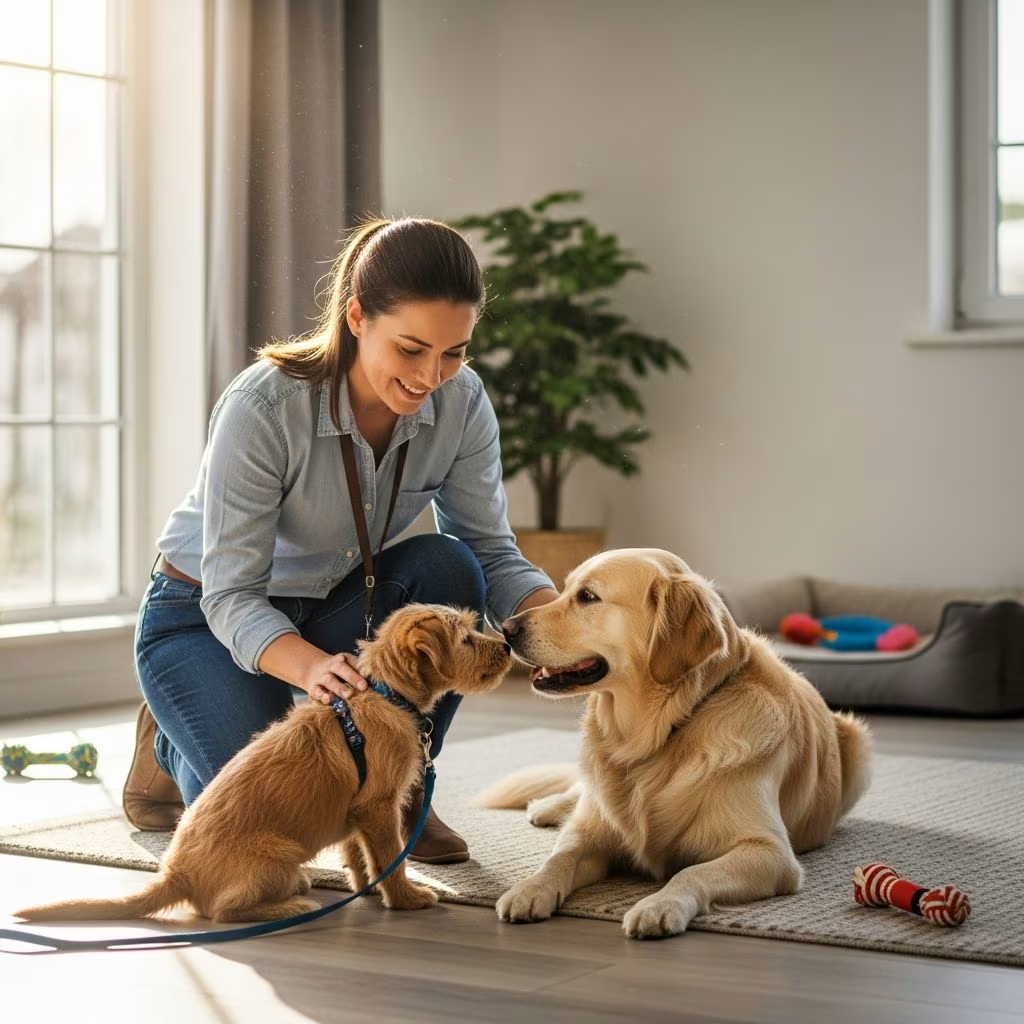
Expanding your household to include a second dog can bring immense joy, companionship, and activity to your daily life. However, success hinges on thorough preparation, thoughtful matching, and careful management to prevent conflicts and ensure both dogs thrive.
Evaluating Readiness for a Multi-Dog Home
Before welcoming a new canine companion, assess your current dog’s temperament, health, and lifestyle. A well-adjusted first dog serves as a positive role model, but unresolved issues like aggression or anxiety can intensify with another pet present.
- Behavioral Health Check: Observe for signs of resource guarding, excessive barking, or reactivity on walks. Address these through professional training first.
- Physical Fitness: Ensure your dog can handle increased activity; older or low-energy dogs may struggle with a high-drive newcomer.
- Time and Resource Commitment: Two dogs demand double the exercise, training, and veterinary care, often tripling initial efforts.
Financially, prepare for duplicated expenses including food, vaccines, crates, and grooming. Consult your veterinarian early for health screenings and advice on breed compatibility.
Pros and Cons of Expanding Your Pack
Weighing benefits against challenges helps set realistic expectations. While rewards are plentiful, pitfalls require proactive strategies.
| Pros | Cons |
|---|---|
| Companionship reduces separation anxiety | Increased financial and time demands |
| Playmates entertain each other, curbing boredom | Potential for behavioral mirroring of bad habits |
| Double the fun and family bonding | Risk of conflicts over resources |
| Long-term security when one dog ages | More supervision needed initially |
High-energy pairs can match strides perfectly, but mismatches in age or drive lead to frustration. Prioritize your existing dog’s needs to maximize positives.
Selecting the Ideal Second Dog
Compatibility trumps personal preferences. Focus on traits aligning with your first dog’s personality for seamless integration.
- Energy Matching: Pair mellow seniors with calm adults, not puppies, to avoid annoyance.
- Size Considerations: Fragile small dogs need gentle, size-appropriate partners to prevent injury.
- Temperament Balance: A dominant dog benefits from a more submissive counterpart, reducing dominance clashes.
- Age Gaps: Aim for dogs within a few years to sustain play into later life stages.
If seeking a specialized dog for sports or work, ensure it tolerates your resident pet. Trial meetings at shelters facilitate vibe checks before commitment.
Preparing Your Living Space
A structured environment minimizes stress and territorial disputes. Dedicate areas for individual retreat and shared activities.
- Safe Zones: Install baby gates or crates for private rest spots, essential during acclimation.
- Dog-Proofing: Secure rooms room-by-room, removing hazards and valuables.
- Resource Duplication: Provide separate beds, bowls, and toys to curb guarding.
- Supervision Tools: Use leashes indoors initially and never leave unsupervised until bonds solidify.
Crate train both dogs positively for safe separations during meals or absences. This fosters security and prevents unsupervised scuffles.
Mastering the First Meeting
Neutral ground introductions set a positive tone. Rushed home encounters heighten territorial instincts.
- Choose Neutral Territory: Meet at a park; walk parallel before face-to-face.
- Observe Body Language: Look for relaxed tails, play bows; stiff postures signal caution.
- Bring New Dog Home First: Let your resident enter to its territory, reducing intruder perception.
- Clear Possessions: Stash toys and bowls to eliminate guarding triggers.
Keep leashes loose for natural interaction. End on a high note before fatigue sets in, repeating sessions gradually.
Building Positive Associations Post-Introduction
Reinforce goodwill through controlled, rewarding experiences. Separate management prevents mishaps during adjustment.
- Scheduled Feedings: Feed in crates or separate rooms, progressing to proximity as trust builds.
- Treat and Toy Protocols: Supervise high-value items closely; start divided, unite under watch.
- Individual Attention: Train and play one-on-one daily to nurture personal bonds.
- Joint Walks: Parallel leashed strolls promote pack mentality without competition.
Monitor for tension indicators like stiffening or growling. Intervene calmly without punishment to maintain leadership.
Daily Routines in a Two-Dog Household
Consistent schedules streamline harmony. Balance group and solo activities for equity.
- Exercise Parity: Dual walks if manageable; alternate solo outings for variety.
- Training Sessions: Teach commands individually then together for cooperative behavior.
- Rest Periods: Enforce downtime to recharge, preventing overstimulation.
- Unsupervised Progression: Gate separations initially, easing to freedom over weeks.
Two well-trained dogs amplify ease, but invest in obedience classes for multi-pet dynamics.
Common Pitfalls and Solutions
Anticipate hurdles to sidestep them effectively.
| Pitfall | Solution |
|---|---|
| Resource Fights | Separate access; ample duplicates |
| Energy Mismatch | Pre-adoption trials; tailored exercise |
| Jealousy Over Attention | Equal one-on-one time |
| Health Oversights | Vet checkups pre- and post-adoption |
Reactive dogs demand extra caution; certified trainers aid complex cases. Patience spans months for full adjustment.
Frequently Asked Questions
Can any two dogs get along?
No, compatibility depends on temperament, energy, and history. Professional assessments boost odds.
How long until they adjust?
Weeks to months; monitor progress and regress if needed.
What if my first dog is aggressive?
Resolve issues first or consider single-dog life; consult behaviorists.
Should I get same breed?
Not necessarily; prioritize personality over breed.
Puppy or adult as second dog?
Adults often integrate smoother, matching established routines.
Long-Term Success Strategies
Sustain harmony through ongoing vigilance and enrichment. Annual vet visits catch issues early; rotate toys to refresh interests. Enroll in group classes for socialization reinforcement. Celebrate milestones like peaceful unsupervised time as your pack matures into a cohesive unit.
With deliberate steps, a second dog transforms good into great, filling homes with wagging tails and playful energy for years.
References
- Getting a Second Dog – Everything You Should Know — Zoetis Petcare. 2023. https://www.zoetispetcare.com/blog/article/getting-second-dog
- How To Successfully Introduce A Second Dog Into Your Family — The Barking Lot. 2022. https://thebarkinglot.net/general/introducing-a-second-dog
- How to Introduce a Second Dog to Your Home — Embarkvet. 2024. https://embarkvet.com/resources/how-to-introduce-a-second-dog-to-your-home/
- Adding a Second Dog to Your Family: Pros and Cons — CC Animal Clinic. 2023. https://ccanimalclinic.com/news/adding-second-dog-to-your-family
- Tips for Successfully Adding a Second Dog to Your Family — 3 Lost Dogs. 2022. https://www.3lostdogs.com/tips-for-successfully-adding-a-second-dog-to-your-family/
- Before You Bring A Second Dog Into Your Home — Humane Society Silicon Valley. 2019. https://www.hssv.org/wp-content/uploads/2019/04/Before_Bringing_A_Second_Dog_Home.pdf



