

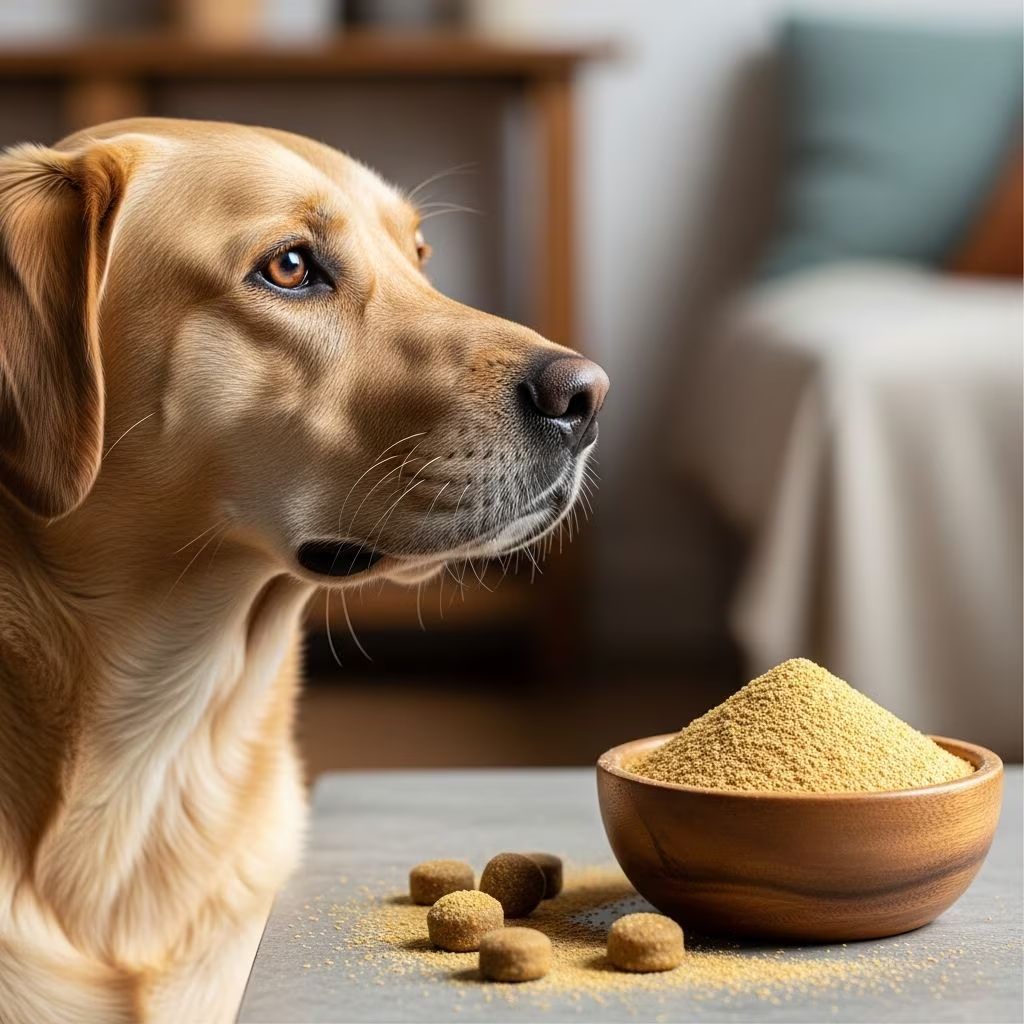
Brewer’s yeast, a byproduct of beer production derived from Saccharomyces cerevisiae, offers dogs a nutrient-dense supplement rich in B vitamins, proteins, minerals, and bioactive compounds like beta-glucans. Research indicates it supports gut barrier function, modulates inflammation, and enhances overall vitality without adverse effects on healthy adults.
Nutritional Composition and Why It Matters for Canines
This deactivated yeast is packed with essential nutrients tailored to canine needs. It provides high-quality protein and amino acids crucial for muscle maintenance, alongside B-complex vitamins (thiamine, riboflavin, niacin, biotin) that aid metabolism and energy production. Minerals such as zinc, selenium, iron, and potassium further bolster its profile, addressing common dietary gaps in commercial foods.
- Proteins and Amino Acids: Supplies complete proteins for tissue repair and growth.
- B Vitamins: Facilitate carbohydrate breakdown into usable energy.
- Minerals: Zinc promotes skin healing; selenium acts as an antioxidant.
- Beta-Glucans: Immune-modulating polysaccharides found in yeast cell walls.
Unlike synthetic vitamins, these come in a natural matrix that improves bioavailability, making brewer’s yeast a superior choice for holistic nutrition.
Enhancing Gut Integrity and Digestive Wellness
One of the standout benefits is its role in strengthening the intestinal barrier. A study with adult sled dogs showed that supplementing with concentrated brewer’s yeast (7 mg/kg BW beta-glucans daily for 10 weeks) reduced gut permeability markers like iohexol and Cr-EDTA incremental area under the curve (P=0.10 and P=0.06, respectively). Dogs exhibited lower haptoglobin levels (P≤0.05), an acute-phase protein linked to inflammation, while fecal arabinose—a fermentation byproduct—increased, suggesting improved microbial activity.
Another investigation found tendencies for higher fecal butyrate in yeast-fed dogs, a short-chain fatty acid that nourishes colonocytes and reduces inflammation. In dogs with subclinical gut issues, yeast restored permeability and boosted postprandial amino acid appearance in serum, implying better nutrient absorption. These effects stem from beta-glucans, which fortify tight junctions in the gut lining.
| Study Parameter | Control Group | Yeast Group | Outcome |
|---|---|---|---|
| Gut Permeability (Iohexol I-AUC) | No change | Decreased (P=0.10) | Improved barrier |
| Haptoglobin Levels | Higher | Lower (P≤0.05) | Reduced inflammation |
| Fecal Butyrate | Baseline | Tended higher | Enhanced fermentation |
| Amino Acid Absorption | Standard | Increased in impaired guts | Better nutrient uptake |
No negative impacts on fecal scores, defecation frequency, or other health markers were observed, confirming safety.
Immune System Fortification
Beta-glucans in brewer’s yeast activate macrophages and natural killer cells, priming the innate immune response. While broad inflammation markers like serum amyloid A remained stable, the reduction in haptoglobin points to targeted anti-inflammatory action. In compromised dogs, yeast increased serum glutathione initially and improved amino acid profiles, supporting repair processes.
Antioxidants combat oxidative stress, with malondialdehyde levels unaffected, indicating no pro-oxidant risk. For everyday immune support, this makes yeast ideal for seniors, athletes, or pups facing environmental stressors.
Skin, Coat, and Parasite Defense
B vitamins, especially biotin and thiamine, promote epidermal health by supporting keratin production and sebum balance. Owners often note shinier coats and less shedding after supplementation. Thiamine, secreted through skin pores, may alter odor to deter fleas and ticks—anecdotal yet widely reported.
Zinc aids wound healing and reduces itchiness from allergies. Combined, these foster resilient skin barriers against infections and irritants.
Energy Metabolism and Performance Support
The B-vitamin complex converts macronutrients into ATP, sustaining energy for active breeds like sled dogs in studies. Amino acids fuel muscle recovery, benefiting working or sporting dogs. No microbiota disruptions occurred, preserving digestive efficiency.
Practical Guidelines for Supplementation
Start with 1 teaspoon per 30 pounds body weight daily, mixed into meals. Choose debittered, dried products for palatability. Puppies, pregnant dogs, or those with yeast allergies should consult vets.
- Dosage Table:
| Dog Weight | Daily Amount |
|---|---|
| Under 10 lbs | ¼ tsp |
| 10-30 lbs | ½ tsp |
| 30-60 lbs | 1 tsp |
| 60-100 lbs | 1½ tsp |
| Over 100 lbs | 2 tsp |
Monitor for digestive upset initially; benefits typically appear in 4-8 weeks.
Potential Limitations and Safety Notes
Studies show minimal microbiota shifts, like reduced Blautia abundance (P=0.05), but no clinical harm. Avoid in dogs with yeast sensitivities or purine restrictions (e.g., Dalmatians prone to uric acid issues). Always source human-grade products free of hops toxins.
Real-World Applications and Testimonials
Veterinarians recommend yeast for holistic itch relief, seasonal allergies, and post-antibiotic gut recovery. Active dog owners praise sustained stamina and flea reduction without chemicals.
Frequently Asked Questions (FAQs)
What is brewer’s yeast exactly?
A nutritional yeast from beer brewing, dried and deactivated for safety.
Can all dogs have it?
Most yes, but consult a vet for allergies or specific conditions.
How soon do benefits show?
Gut improvements in 10 weeks; skin changes in 4-6 weeks.
Is it a flea repellent?
May deter via skin odor, though evidence is observational.
Organic or standard?
Both effective; prioritize low-hop, high-beta-glucan varieties.
In summary, brewer’s yeast emerges as a versatile, research-supported addition to canine diets, particularly for gut and immune health.
References
- A proof of principle study investigating the effects of supplemental concentrated brewer’s yeast product on markers of inflammation, oxidative status, and gut permeability in adult dogs — Journal of Animal Science. 2022-08-23. https://pubmed.ncbi.nlm.nih.gov/36029013/
- PSVIII-13 Evaluating the Effects of a Dried brewer’s Yeast Product on Fecal Characteristics, Metabolites, and Microbiota Populations of Adult Dogs — PMC. 2023-11-01. https://pmc.ncbi.nlm.nih.gov/articles/PMC10633483/
- Brewers Yeast in Dogs Science — mywoof.com. Accessed 2026. https://mywoof.com/blogs/articles/brewers-yeast-in-dogs-science
- Effects of supplemental brewer’s yeast on postprandial amino acid concentrations and fasted serum IL-10 concentrations in healthy adult sled dogs — Journal of Animal Science. 2023. https://academic.oup.com/jas/article/doi/10.1093/jas/skaf180/8145509
- Benefits of Brewers Dried Yeast in Dog Snacks — platopettreats.com. Accessed 2026. https://platopettreats.com/blogs/blog/benefits-of-brewers-dried-yeast-in-dog-snacks
- Brewer’s Yeast for Dogs: What Is It, and Can Dogs Have It? — PetMD. Accessed 2026. https://www.petmd.com/dog/general-health/brewers-yeast-for-dogs



