

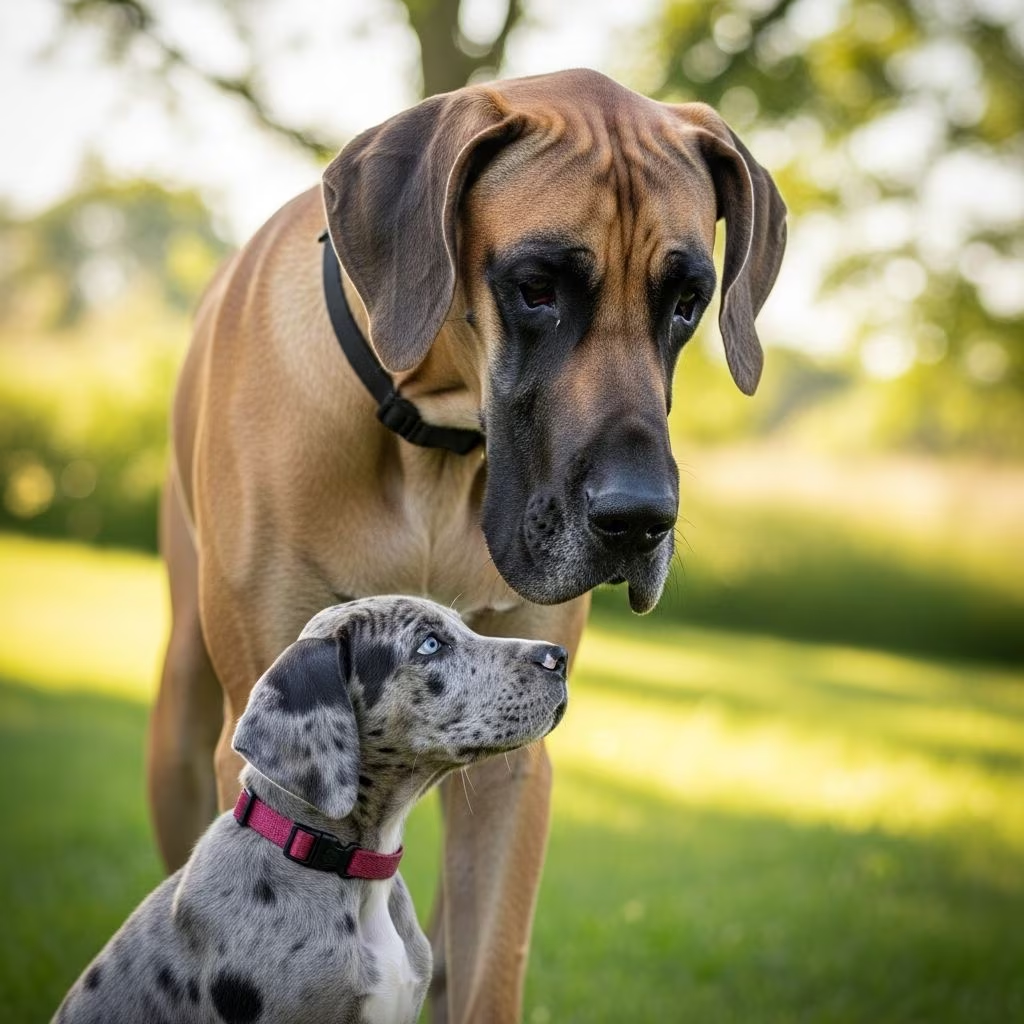
Breeding Great Danes demands careful planning, deep knowledge of canine reproduction, and a steadfast commitment to the breed’s welfare. These majestic giants, known for their size and gentle nature, face unique challenges in breeding due to their rapid growth and susceptibility to hereditary conditions. Responsible breeding improves the breed by selecting healthy, temperamentally sound dogs while minimizing risks to dams, sires, and offspring.
Understanding the Foundations of Ethical Breeding
Ethical breeding starts with a clear purpose: enhancing the Great Dane lineage. Breeders must prioritize dogs that exemplify the breed standard, featuring balanced structure, sound temperament, and freedom from genetic defects. Familiarity with genetics is crucial, as it allows breeders to predict and avoid passing on issues like hip dysplasia or cardiac problems common in large breeds.
Before embarking on breeding, evaluate your readiness. This includes financial stability for veterinary costs, emergency procedures, and puppy care, as well as space for a whelping area and growing pups. Great Danes produce large litters, often 8-12 puppies, amplifying the responsibilities.
- Assess your experience: Novices should consult mentors or breed clubs.
- Commit to lifetime support: Ethical breeders guarantee health and take back puppies if needed.
- Focus on improvement: Never breed solely for profit or to replicate a popular dog.
Selecting Ideal Breeding Pairs
Choosing the right sire and dam is pivotal. Both should closely match the breed standard, exhibit excellent health histories, and display stable temperaments. For Great Danes, structural soundness prevents passing on orthopedic issues exacerbated by their size.
Males should be at least one year old, females no younger than 18 months and at full adult weight. Avoid breeding bitches on their first heat or consecutively to allow recovery and growth. Review pedigrees for hereditary defects; refrain from using dogs producing offspring with serious issues across multiple matings.
| Criteria | Sire Requirements | Dam Requirements |
|---|---|---|
| Age | Minimum 12 months | Minimum 18 months, post-second heat |
| Health Screenings | Hip X-rays (OFA clear), cardiac, thyroid | Same, plus brucellosis test |
| Temperament | Stable, non-aggressive | Motherly instincts, confident |
| Structure | Conforms to standard | Good muscle tone, not overweight |
Mastering the Great Dane Heat Cycle
The estrous cycle in Great Danes typically occurs every 6-7 months, lasting about 21 days. Large breeds like Great Danes often start later, between 12-16 months. The cycle has distinct phases: proestrus (7-10 days, bloody discharge, female rejects males), estrus (4-7 days, clear discharge, female accepts mating, flagged tail), and diestrus (luteal phase).
Monitor closely during estrus to prevent unwanted breedings, as females may accept any male, risking mixed litters. Confine the bitch indoors or board her. Veterinary vaginal smears or progesterone testing pinpoint peak fertility, often days 8-10.
Key Stages of the Heat Cycle
- Proestrus: Swelling, bleeding; female unattractive to males.
- Estrus: Fertility window; tail flagging signals readiness.
- Diestrus: Pregnancy possible if bred; false pregnancy otherwise.
- Anestrus: Rest phase until next cycle.
Pre-Breeding Health Evaluations
Health checks are non-negotiable. Schedule a thorough veterinary exam one month prior, including vaccinations, parasite screening, and brucellosis testing to prevent infertility or abortions. For Great Danes, mandate OFA hip X-rays, cardiac evaluations, thyroid panels, and other breed-specific tests like vWD or PRA.
Condition both dogs with balanced nutrition, exercise, and mental stimulation. Bitches need muscle tone and ideal weight; overweight dams risk dystocia. Provide vet reports confirming no transmissible diseases.
Timing and Techniques for Successful Mating
Finalize a stud contract outlining terms, pedigrees, and guarantees. Natural mating mimics wild canine behavior: the male mounts, thrusts, and forms a tie lasting 10-30 minutes via bulbus glandis swelling. Do not separate during the tie to avoid injury.
Progesterone testing optimizes timing, especially for Great Danes with 58-64 day gestations. Alternatives like artificial insemination may suit some pairs, discussed with reproductive vets. Breed only once yearly per bitch.
Gestation Care and Whelping Preparations
Pregnancy lasts 58-64 days. Monitor for complications like stalled labor, common in giants requiring C-section plans. Prepare a whelping box with clean bedding, thermostat (85-90°F initially), heating pad, scissors, dental floss, iodine, and towels.
Track temperature drops signaling labor within 24 hours. Stages include cervical dilation (panting, restlessness), active straining, and puppy delivery with placentas. Most dams handle sac removal and cord severing, but assist if needed. Have emergency vet contacts ready.
Essential Whelping Kit Items
- Thermometer for temp monitoring
- Unwaxed floss for cords
- Scissors and iodine for navels
- Heating pad (low heat)
- Scale for puppy weights
- Bulb syringe for airways
Newborn Puppy Care and Early Development
Neonates need 85-90°F for first week, gradually reducing to 75°F by week four. Mothers lick to stimulate breathing and nursing. Weigh daily; intervene with tube-feeding if weak. Maintain hygiene to curb bacteria.
Formula, if supplementing, warms to 100°F; use bottles with proper nipples. Colostrum provides immunity in first days.
Weaning and Juvenile Growth Management
Begin weaning at 2-4 weeks with gruel (formula, soaked kibble, rice cereal). Transition to puppy food by 6-8 weeks. Great Danes require slow-growth diets to avert skeletal issues from rapid development; portion control is key.
Socialize early: handle, expose to stimuli. Vaccinate at 6-8 weeks, deworm regularly. Screen for defects before placement.
Health Screening and Placement Best Practices
Test litters for breed risks. Place puppies at 8-12 weeks with contracts, health guarantees, spay/neuter for pets. Educate buyers on giant breed needs: joint supplements, controlled exercise.
Frequently Asked Questions (FAQs)
What is the ideal age to breed a Great Dane bitch?
Wait until at least 18-24 months, after second heat and full growth.
How many puppies do Great Danes typically have?
Litters average 8-12, varying by health and genetics.
Can Great Danes be bred naturally or only via C-section?
Many whelp naturally, but giants often need C-sections; plan accordingly.
What diet supports Great Dane puppies?
Slow-growth formulas prevent orthopedic issues; consult vets for portions.
How often should a Great Dane bitch be bred?
Once yearly maximum, with recovery heats in between.
Breeding Great Danes responsibly preserves their legacy as noble companions. Dedicate to ongoing education via clubs like GDCA and AKC resources.
References
- AKC’s Guide to Responsible Dog Breeding — American Kennel Club. 2023. https://www.akc.org/breeder-programs/breeder-education/akcs-guide-responsible-dog-breeding/
- This is the Great Dane Heat Cycle — GreatDane4u. Accessed 2026. http://www.greatdane4u.com/this-is-the-great-dane-heat-cycle/
- Great Dane Club of America Breeder’s Code of Ethics — GDCA. Accessed 2026. https://gdca.org/breeders/code-of-ethics/
- Great Dane Show Breeding | Ethical Breeding Practices — YouTube (Midwest Great Danes). 2023-10-15. https://www.youtube.com/watch?v=bNCezxppQOA
- Breeding Your Great Dane — MAGDRL. 2015. https://www.magdrl.org/wp-content/uploads/2015/08/Breeding_Your_Great_Dane.pdf
- Great Dane Breed Insights — Lyka. 2024. https://lyka.com.au/blog/great-dane-breed-guide



