
Breeding Cockatiel Diet: Essential Nutrition Guide
Complete nutritional guidance for breeding cockatiels: optimal diet for healthy eggs and chicks.
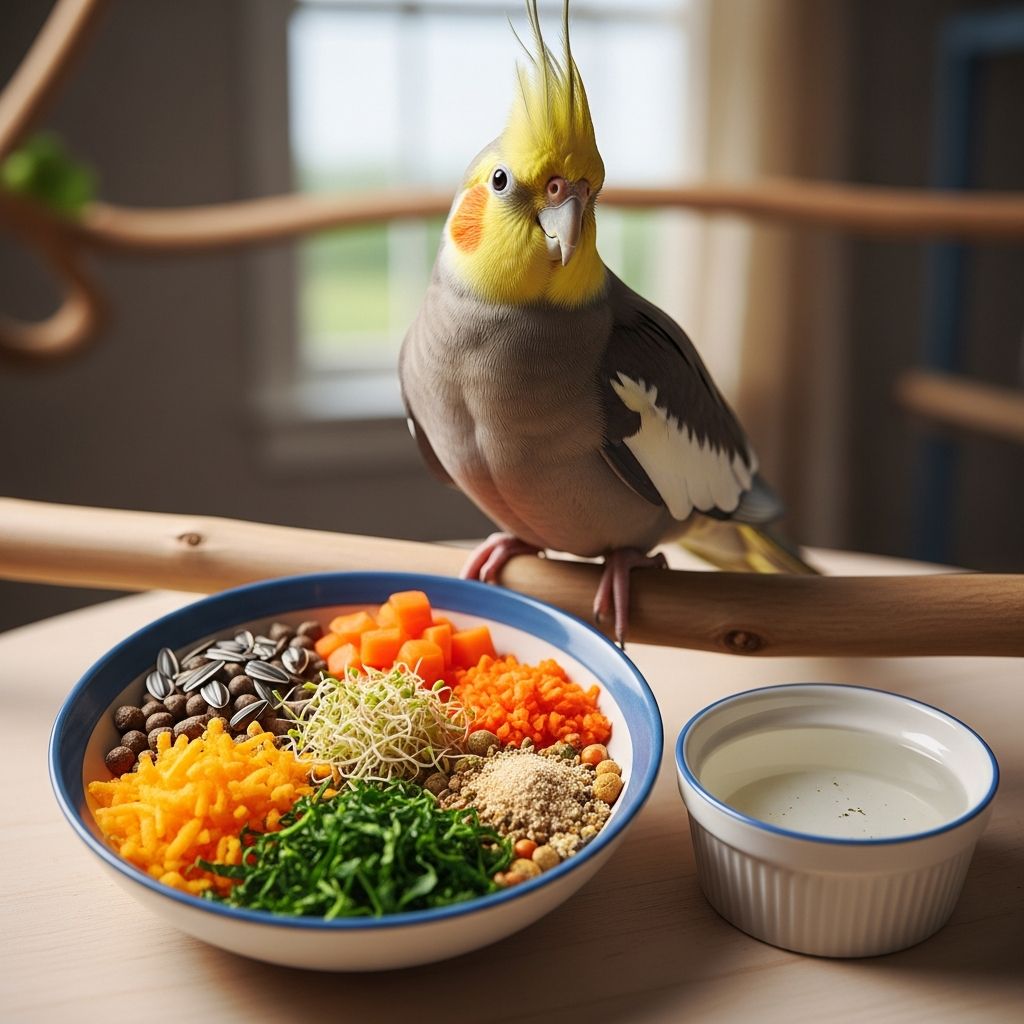
Breeding cockatiels require a significantly different nutritional profile compared to pet birds that are not actively reproducing. The demands placed on a breeding hen’s body are substantial, requiring enhanced nutrition to support egg production, incubation, and the feeding of chicks. Understanding and implementing the proper dietary protocol is crucial for successful breeding outcomes and the health of both parent birds and offspring.
Understanding the Increased Nutritional Demands
Breeding birds require substantially more of everything—more calories, more protein, and more fat than non-breeding cockatiels. The hen in particular bears the greatest nutritional burden, as she needs ample calcium to form strong eggshells, adequate vitamin D3 for calcium absorption, and increased protein to support egg production. The male also requires enhanced nutrition to maintain his health and vigor during the demanding breeding season, providing support through regurgitation to feed both the hen and developing chicks.
The transition from a maintenance diet to a breeding diet should begin before breeding season commences. This allows both birds to adjust to new food items and ensures they are in optimal physical condition. Adult birds that have not previously eaten soft foods may refuse them during the breeding season out of stress or unfamiliarity, making pre-breeding diet adjustments essential.
Foundation: High-Quality Pellets
The foundation of any cockatiel diet, breeding or otherwise, should consist of high-quality pellets formulated specifically for cockatiels. Pellets should comprise 60-70% of a non-breeding cockatiel’s diet, though some well-informed avian veterinarians recommend 30-50% for cockatiels specifically, as they are adapted to harsher environments than many other parrot species. However, for breeding birds, a higher pellet percentage may be appropriate due to their increased nutritional requirements.
When selecting breeding-specific formulations, Harrison’s makes a high-potency pellet whose nutrient content closely mirrors handfeeding formula, making it an excellent choice for breeding parents. The consistent nutrient profile ensures that parent birds receive balanced nutrition without selective eating, which could create deficiencies.
Critical Calcium and Mineral Supplementation
Calcium is perhaps the most crucial mineral for breeding hens, as they must produce calcium-rich eggshells. A cuttlebone or mineral block should always be available in the breeding cage, as calcium depletion during egg-laying can lead to serious health complications. However, calcium absorption requires adequate levels of magnesium and vitamin D3.
When supplementing with cuttlebone or mineral blocks, ensure the breeding hen has access to natural sunlight or a full-spectrum UV light source, as vitamin D3 synthesis is essential for proper calcium metabolism. If indoor lighting is used exclusively, discuss vitamin D3 supplementation with an avian veterinarian, as deficiencies can result in weak eggshells or developmental problems in chicks.
Protein and Fat Requirements
Breeding cockatiels require elevated protein and fat levels to support egg production and the enormous metabolic demands of feeding chicks. High-nutrition soft foods should be introduced before breeding begins, allowing parents to become accustomed to feeding them to chicks. These soft foods are significantly easier for newly hatched chicks to digest than dry seed.
Hard-boiled eggs represent an excellent protein source for breeding birds, though they should be offered in moderation due to high fat and cholesterol content. Some avian veterinarians express concern about cholesterol levels potentially contributing to atherosclerosis in parrots, so portion control is essential—a piece the size of the bird’s eye is appropriate, not a piece the size of the bird’s head.
Vegetables, Fruits, and Supplemental Foods
Fresh vegetables should comprise a significant portion of the breeding cockatiel’s diet, as they supply essential vitamins and minerals that seeds alone cannot provide. Dark leafy greens are particularly valuable for their nutrient density. Vegetables can make up to 30% of the total diet, with variety being important since different vegetables provide different nutritional profiles.
Most cockatiels do not readily consume fruit compared to other parrot species, and vegetables provide superior nutritional value anyway, so fruit inclusion is optional. When fruit is offered, avoid avocados (which are toxic to birds) and remove all seeds and pits, as these can be harmful.
Multi-grain bread can be offered as an occasional supplement, particularly when soaked in formula or mixed with other soft foods for chicks. Raisins and other dried fruits serve as acceptable treats but should not constitute a significant portion of the diet due to their concentrated sugar content.
Soft Foods for Chick Rearing
When chicks hatch, parent cockatiels must transition to feeding soft foods that are easily digestible and nutritionally complete. Reputable parrot chick formula, when mixed according to package directions, provides optimal nutrition for growing chicks. The formula’s consistency is critical—too thick formulas can cause dehydration and crop dysfunction, while too-thin formulas result in stunted growth and malnourishment.
Alternative soft foods include human baby foods and cereals, though formulated parrot chick formula remains the most reliable option. When using commercial formula, prepare fresh batches daily and discard any unused portions to prevent bacterial growth. The consistency should resemble watery pea soup for young chicks and gradually thicken to a soft pudding consistency as chicks mature.
Feeding Schedule and Portions During Breeding
During active breeding and chick-rearing, feeding schedules must accommodate the increased energy demands. Breeding pairs should have access to food throughout the day, with special attention to ensuring the brooding hen maintains adequate nutrition even if she is reluctant to leave the nest.
Chick feeding follows a precise schedule based on age, with very young chicks requiring feeding every two hours. The crop capacity of cockatiel chicks is limited to 10-15 cubic centimeters, making portion control critical. A general guideline multiplies the chick’s weight in grams by 10% to determine the volume of formula in cubic centimeters per feeding—a 40-gram chick would receive 4 cubic centimeters.
Chick Feeding Timeline
Days 1-4: Every two hours, 1-2 cubic centimeters of formula
Days 5-7: Every three hours, 2-3 cubic centimeters
Days 8-14: Five daily feedings at 7 AM, 11 AM, 3 PM, 7 PM, and 11 PM, 4-6 cubic centimeters per feeding
Days 15-24: Four daily feedings at 7 AM, 12 PM, 5 PM, and 11 PM, 7-10 cubic centimeters per feeding
Pre-Breeding Diet Preparation
Introducing new foods to adult cockatiels requires patience and strategy. Forcing dietary changes by removing regular foods can result in malnutrition or starvation, as some birds will refuse unfamiliar foods rather than eat them. A gradual approach proves far more effective—new foods can be offered for a couple of hours in the morning, with regular foods available for the remainder of the day.
Beginning this transition 2-3 months before intended breeding allows both birds ample time to adjust. This period of acclimation ensures that when breeding season arrives, parent birds are already comfortable consuming the soft foods that will be essential for chick feeding.
Vitamin A and Disease Prevention
Vitamin A plays a crucial role in maintaining immune function and reproductive health in breeding birds. Deficiencies can compromise fertility and increase susceptibility to infections. Dark leafy greens provide excellent natural sources of beta-carotene, which birds convert to vitamin A. During breeding season, vitamin supplementation should be discussed with an avian veterinarian to ensure optimal reproductive outcomes.
Water Management
Breeding birds require constant access to fresh, clean water. Water should be offered in a separate, dedicated dish to prevent contamination from food or feces. During chick-rearing, especially when using formula, water intake becomes critical as the chicks derive fluids from their formula. The brooding hen must also maintain excellent hydration to support milk production and overall health.
Feeding Setup and Individual Stations
Separate feeding stations should be provided for breeding pairs, as competition over food can cause stress and aggression. Ideally, provide three separate dishes—one for dry foods (seeds and pellets), one for fresh foods (vegetables and fruits), and one for water. This arrangement allows monitoring of each bird’s food intake and ensures both the male and female receive adequate nutrition.
During chick-rearing, the male often feeds both the hen and the chicks regurgitated food. If the male appears to be losing condition, his portion may need to be increased or supplemental high-nutrition foods offered directly to him to prevent health decline.
Emergency Feeding Considerations
Should a brooding hen refuse to leave the nest to eat or drink, creating a critical situation, emergency feeding protocols become necessary. In these circumstances, offering softened foods directly near the nest entrance or providing handfed portions can sustain the hen without the stress of leaving her eggs. Consultation with an avian veterinarian is crucial when such situations arise, as they can result in serious health consequences.
Common Dietary Mistakes to Avoid
An all-seed diet is fundamentally inadequate for breeding birds and contributes to fatty liver disease and other serious health conditions. While seeds are excellent nutrition and particularly appropriate for cockatiels as seed-eaters in the wild, seeds alone lack complete nutrition.
Never share human food from your mouth or plate with breeding birds, as human oral bacteria can cause serious illness. Additionally, avoid offering toxic foods including onions, garlic, avocado, and any fruit seeds or pits.
Monitoring Breeding Bird Health Through Diet
Regular weight checks provide the primary indicator of breeding success and chick health. Chicks should be weighed daily, with weight loss being the first sign of illness or inadequate feeding. Parent birds should also maintain consistent weight, as significant losses indicate insufficient nutrition or excessive energy expenditure from feeding demands.
The hen’s condition during egg-laying is especially important—depleted calcium stores, inadequate protein, or insufficient fat can result in failed clutches or weak chicks. Observable signs of nutritional stress include pale coloring, ruffled feathers, and lethargy.
Frequently Asked Questions About Breeding Cockatiel Nutrition
Q: How much do nutritional needs increase during breeding season?
A: Breeding cockatiels require significantly more calories, protein, and fat than non-breeding birds. The exact increase depends on clutch size and chick development stage but can be 50-100% higher overall.
Q: Can I feed my breeding cockatiel only pellets?
A: While pellets form the foundation (60-70% of the diet), breeding birds absolutely require supplemental vegetables, calcium sources, and soft foods for chick-rearing. An all-pellet diet lacks sufficient calcium and variety for successful breeding.
Q: When should I introduce soft foods to breeding pairs?
A: Introduce soft foods 2-3 months before intended breeding to allow complete adjustment. This prevents refusal during the critical chick-rearing phase when soft foods are essential.
Q: Is cuttlebone sufficient for calcium supplementation?
A: Cuttlebone provides excellent calcium, but absorption requires adequate vitamin D3 and magnesium. Ensure breeding birds receive natural sunlight or full-spectrum UV lighting to facilitate proper calcium metabolism.
Q: How often should chicks be fed?
A: Feeding frequency depends on age—very young chicks require feeding every two hours, progressing to four daily feedings by days 15-24. Precise schedules are essential for optimal growth and development.
Q: What if my breeding hen won’t leave the nest to eat?
A: Offer softened foods directly near the nest entrance or provide handfed portions. This situation requires careful monitoring, and consultation with an avian veterinarian is essential to prevent serious health complications.
References
- Cockatiel Care Sheet — PetMD. 2024. https://www.petmd.com/bird/cockatiel-care-sheet
- Nutrition for Cockatiels and Tiels Diet — Little Feathered Buddies. https://www.littlefeatheredbuddies.com/info/nutrition-tieldiet.html
- Cockatiel: Care, Feeding, Housing, Breeding — Versele-Laga. https://www.versele-laga.com/en/gb/for-your-animal/cage-and-aviary-birds/bird-species/cockatiel
- Breeding Cockatiels: Nutrition and Feeding Guidelines — Cockatiel Advice and First Aid 101. https://www.cockatiel-advice-101.com/breeding-cockatiels
Similar Articles








Read full bio of Sneha Tete


