

Understanding Feline Reproduction and Breeding Basics
Breeding cats differs significantly from breeding dogs, primarily because cats are induced ovulators. Understanding feline reproductive biology is essential for anyone considering breeding cats or caring for a pregnant queen. Unlike many mammals that ovulate spontaneously, female cats require the act of breeding itself to trigger ovulation. This fundamental difference shapes every aspect of feline breeding management and timing.
A female cat is called a queen, and the process of giving birth is known as queening. Queens can be bred at virtually any time during their active heat cycle phase, which provides flexibility in breeding schedules. However, successful breeding requires understanding the reproductive cycle, proper breeding management, and careful attention to the queen’s health throughout pregnancy and delivery.
The Feline Heat Cycle and Estrus Explained
Female cats experience multiple heat cycles throughout the year, making them seasonal polyestrous animals. Each heat period typically lasts between two to three weeks, and if the cat is not bred during this time, she will return to heat within one to two weeks. This cycle continues through multiple heat cycles or until the cat becomes pregnant. The timing and frequency of heat cycles depend significantly on geographic and environmental factors, including temperature and the number of daylight hours in the region.
During the estrus phase, the queen displays clear behavioral changes that indicate she is ready to breed. She may become vocal, display affectionate behavior, and assume a characteristic mating posture. This is the optimal time to introduce the queen to a male cat, as her reproductive system is actively preparing for ovulation.
Induced Ovulation: The Key to Feline Breeding
The defining characteristic of feline reproduction is induced ovulation. This means that eggs are only released from the ovaries when sperm are deposited in the reproductive tract during breeding. To ensure that ovulation occurs reliably, most female cats require three to four matings within a 24-hour period. The physical act of mating stimulates the release of hormones that trigger ovulation, making multiple matings crucial for breeding success.
Interestingly, research has shown that 35 to 60 percent of cats in a colony may spontaneously ovulate without mating, suggesting some individual variation in reproductive behavior. Once ovulation has occurred, the female cat will typically go out of heat within a day or two. During this transition, the queen enters the diestrus phase, where progesterone levels rise and prepare her body for potential pregnancy.
Breeding Management and Best Practices
Successful cat breeding requires careful management and strategic planning. When breeding cats naturally in a cattery setting, the queen should be taken to the tom’s location rather than the reverse. Male cats place significant importance on establishing and defending territory, so meeting the male on his own ground increases the likelihood of successful mating.
The queen should be exposed to the tom when she is showing clear signs of heat, indicated by her behavioral changes and physical receptiveness. During mating, the tom will gently scruff the back of the queen’s neck with his teeth, and the female will assume a characteristic crouched position with her hind end elevated and tail to the side. She often treads rhythmically with her hind feet. The male uses his body weight to hold the female in place and makes several thrusts during the mating process.
Age and Breeding Considerations
Queens should be at least 12 to 15 months old before they are allowed to breed and carry their first litter. Early breeding in young, immature females can compromise their health and the health of their offspring. Conversely, fertility begins to decline as early as 3.5 to 4 years of age and can be severely affected by 5 years of age. Breeders should maintain adequate breeding records to identify any evidence of subfertility, such as lower litter sizes, increased stillbirths, or missed matings where the queen ovulates but does not become pregnant despite adequate mating opportunities.
Pregnancy in Cats: What to Expect
Gestation Period and Duration
Pregnancy in cats, also called the gestation period, typically ranges from 60 to 67 days, with an average of 63 days. Most cats deliver their kittens between days 63 and 65 of pregnancy. The gestation timeline can be measured from the initial rise in progesterone or from the luteinizing hormone surge triggered by copulation, which typically occurs 64 to 66 days before delivery.
Accurately determining the stage of pregnancy is important for monitoring the queen’s health and preparing for delivery. Ultrasound examination by a veterinarian can confirm pregnancy and help estimate the expected delivery date. Regular veterinary check-ups throughout pregnancy ensure the queen remains healthy and the developing kittens are progressing normally.
Signs of Approaching Labor
As delivery approaches, the queen will exhibit several noticeable signs. She may become increasingly irritable and restless, displaying anxiety and searching behaviors. The queen will seek out a quiet, secluded place to prepare for giving birth. Interestingly, many queens will seek comfort from their owners during this time, viewing them as non-threatening companions who can provide reassurance during labor.
One reliable indicator of impending labor is a drop in body temperature. Approximately 24 hours before delivery, the queen’s body temperature will drop to around 37.8°C (100°F). The temperature may drop intermittently for several days prior to delivery, but it will usually remain consistently low during the final 24 hours before labor begins. Monitoring the queen’s temperature can help predict the timing of delivery more accurately.
Preparing for Queening: Setting Up the Birthing Environment
Creating the Ideal Queening Box
Prior to delivery, a queening box or birthing box should be selected and placed in a secluded location, such as a closet, dark corner, or quiet room away from household traffic. The queening box must be comfortable, secure, and free from disturbances. Pregnant cats should be confined to this nesting area approximately seven days before the expected delivery date. The box should be large enough for the queen to move around comfortably but small enough to create a sense of security and containment.
The box should be lined with soft, absorbent materials such as newspapers, puppy pads, or breeder’s edge repeat pads. These materials absorb birthing fluids effectively and provide good traction for the mother and newborn kittens. The soft bedding creates a comfortable nesting environment that encourages the queen to remain calm and focused on the birthing process.
Environmental Considerations
Queen comfort is paramount during the queening process. If a queen is disturbed by her environment, she will delay birth until she can find a more desirable, quieter location. Therefore, it is essential to minimize disturbances and keep strangers away from the nesting area. After two weeks of birth, queens are generally more willing to have visitors quietly observe their kittens, but during labor and the immediate postpartum period, minimal interruption is crucial.
Dim the lights or shield the nest box as labor approaches, creating a calm, low-stress environment. If the queen is strongly attached to her owner, the owner’s quiet presence can actually provide reassurance and comfort during labor. However, a balance must be struck between providing support and maintaining the calm, undisturbed environment the queen needs for successful delivery.
Labor and Delivery: The Queening Process
Duration and Progression of Labor
The entire birthing process can be completed in as little as two to six hours, though the goal is typically 12 hours to allow the queen adequate recovery time between deliveries. Arrested labor is considered normal in queens and may occur after the first kitten is born, with delivery potentially resuming as long as 24 hours later. While considered normal physiologically, kitten loss tends to be higher during arrested labor periods. Therefore, breeders prefer labor to continue once the mother delivers the first kitten, maintaining momentum toward delivery of all kittens.
First-time mother cats should be attended by their owners until at least one or two kittens are born quickly and without assistance. This monitoring helps ensure that normal delivery is progressing and allows intervention if complications arise. Shorthaired cats and cats with slim heads, such as Siamese, may complete delivery in one to two hours. Domestic body type cats with large, round heads generally require longer delivery times due to their larger head size relative to the birth canal.
The Birth Process and Natural Cleanup
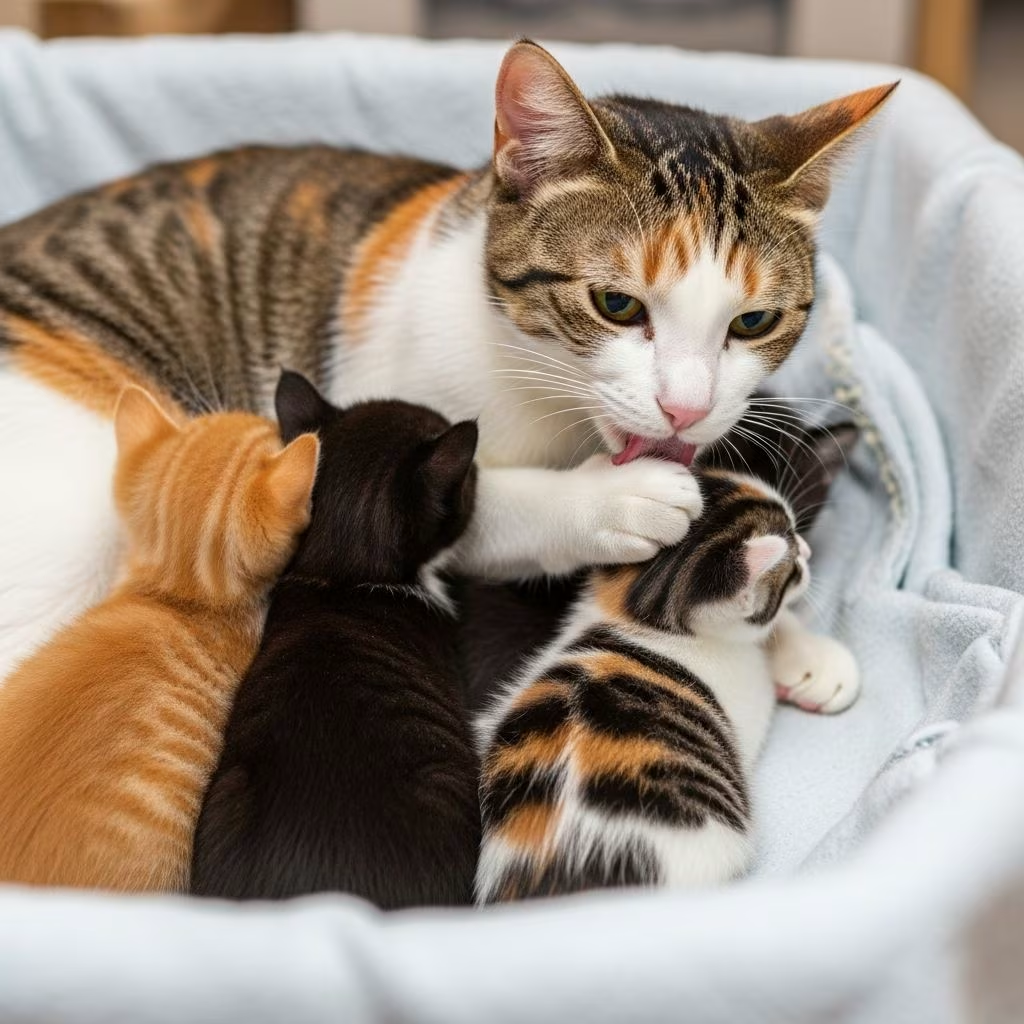
Each kitten is enclosed in a sac that is part of the placenta. Following delivery, the mother should use her tongue to tear open the sac and expose the kitten’s mouth and nose, which she will lick clean of fluids and placental tissues. She will then sever the umbilical cord by chewing it approximately three-quarters to one inch from the kitten’s body. After this, the mother proceeds to wash the newborn’s body vigorously, which stimulates circulation and causes the kitten to gasp and begin breathing. This grooming also dries the newborn’s coat and helps regulate body temperature.
After each birth, the placenta (afterbirth) is usually expelled from the uterus, though in some cases the queen may deliver several kittens before expelling the afterbirths. The queen will typically eat the placental tissues, which is normal maternal behavior. If a kitten or fluid-filled bubble is partially visible from the vagina but does not progress, the owner should assist delivery using a dampened gauze or thin washcloth to grasp the head or feet gently. Firm traction should be applied downward toward the rear feet during contractions.
Assisting Difficult Deliveries
If reasonable traction applied to a visible kitten does not result in delivery, or if the queen cries intensely, veterinary assistance should be sought immediately. In some situations, kittens may need to be cleared of fluids if they are not breathing immediately after birth. The kitten’s face should be cradled between the first two fingers with the head held firmly in one hand and the body held firmly in the other. A gentle downward swinging motion with the hands helps gravity move fluid and mucus out of the airway, promoting proper breathing.
Heat regulation is critical for newborn kittens. The mother’s body provides natural warmth, but care must be taken not to place heat sources too close to the queening box. If a heat lamp is used, it should be positioned at a safe distance to provide warmth without overheating the mother and kittens.
Postpartum Care and Recovery
Immediately After Delivery
Once delivery is completed, the soiled newspapers should be removed from the queening box, and the box should be lined with clean, soft bedding prior to the kittens’ return. The mother should readily accept the kittens and recline for nursing. She will instinctively begin nursing her litter, providing essential colostrum and continued maternal care. The queen’s milk production is critical for kitten growth and development during the first weeks of life.
The mother and her litter should be examined by a veterinarian within 24 hours after delivery is completed. This post-delivery examination checks the mother for complete delivery of all kittens and placentas, ensures she has no complications such as uterine infection or bleeding, and assesses all newborn kittens for congenital defects or health issues. The veterinarian may administer an injection to help contract the uterus and stimulate milk production if needed.
Long-Term Postpartum Considerations
During the first two weeks postpartum, keep strangers away to minimize stress on the queen and reduce disease exposure to vulnerable newborn kittens. After two weeks, the queen is often glad to have someone quietly show their kittens attention. Maintain a quiet, clean environment for the nursing queen and her litter, providing her with adequate food and fresh water. Queens nursing litters require increased calories and nutrients to support milk production, so high-quality nutrition is essential during this period.
Frequently Asked Questions About Breeding and Queening Cats
Q: At what age can a female cat first breed?
A: Queens should be at least 12 to 15 months old before they are allowed to breed and carry their first litter. Breeding younger cats can compromise their health and reproductive success.
Q: How many times per year do cats come into heat?
A: Female cats experience multiple heat cycles throughout the year, with each heat period lasting about 2 to 3 weeks. The exact frequency depends on environmental factors such as temperature and daylight hours.
Q: Why do cats require multiple matings for successful breeding?
A: Cats are induced ovulators, meaning breeding stimulates ovulation. Most female cats require 3 to 4 matings within a 24-hour period to ensure ovulation occurs reliably.
Q: How long is a cat’s pregnancy?
A: Cat pregnancy (gestation) ranges from 60 to 67 days, averaging 63 days. Most cats deliver kittens between days 63 and 65.
Q: What should I do if delivery seems abnormal or prolonged?
A: If a kitten does not progress despite reasonable traction, if the queen cries intensely, or if more than 3 to 4 hours pass without delivery after labor begins, contact a veterinarian immediately for professional assistance.
Q: Should I be present during my cat’s delivery?
A: First-time mothers should be monitored until at least one or two kittens are born normally. Your calm presence can provide reassurance, but avoid unnecessary disturbances that might delay labor.
Q: When should I take my queen to the veterinarian after delivery?
A: Both the mother and newborn kittens should be examined by a veterinarian within 24 hours of delivery to ensure the queen has completely delivered all kittens and placentas and to assess kitten health.
References
- Normal feline reproduction: The queen — National Center for Biotechnology Information (NCBI). 2024-02-01. https://pmc.ncbi.nlm.nih.gov/articles/PMC10845401/
- Breeding and Queening Cats — VCA Animal Hospitals. 2024-06-15. https://vcahospitals.com/know-your-pet/breeding-and-queening-cats
- Queen Cats: How to Help a Cat Give Birth — Revival Animal Health. 2024-03-20. https://www.revivalanimal.com/learning-center/managing-queen-cats-helping-cats-give-birth
- Whelping and Queening in Bitches and Queens — Merck Veterinary Manual. 2024-05-10. https://www.merckvetmanual.com/management-and-nutrition/management-of-reproduction-dogs-and-cats/whelping-and-queening-in-bitches-and-queens
- Care of the Queen — Shelter Medicine, University of Wisconsin–Madison. 2024-04-12. https://sheltermedicine.wisc.edu/library/guidebooks/guide-to-raising-unweaned-underage-kittens/care-of-the-queen



