

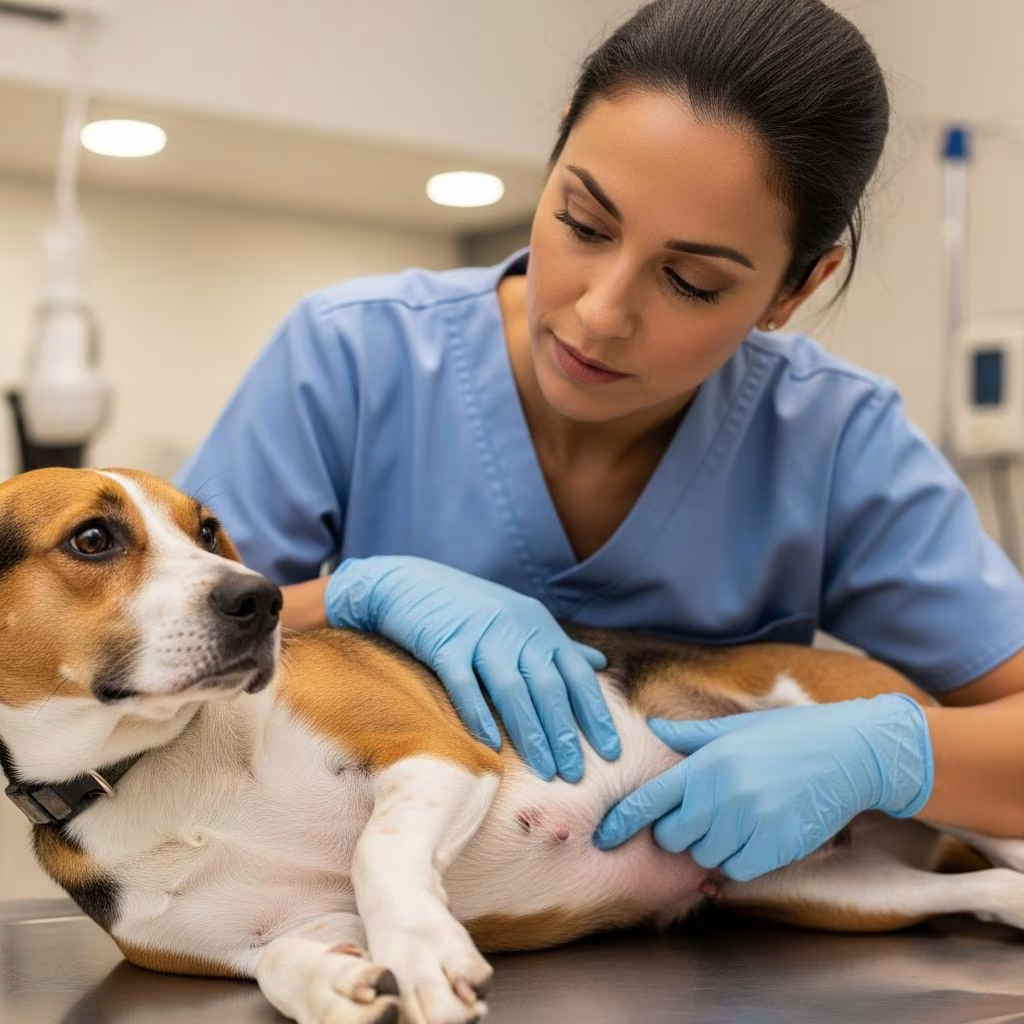
Breast cancer, more accurately termed mammary tumors in dogs, is a prevalent health concern affecting unspayed female dogs, with over 50% of these tumors being malignant. Early detection through regular exams significantly improves outcomes, as surgery remains the cornerstone of treatment. This guide covers symptoms, diagnosis, treatment, prognosis, prevention, and FAQs to empower pet owners.
What Is Breast Cancer in Dogs?
Mammary tumors develop in the mammary glands along a dog’s abdomen, forming two chains of five glands each. While any dog can develop them, intact females face the highest risk due to hormonal influences from estrus cycles. Approximately half of canine mammary tumors are benign, but the malignant ones can aggressively metastasize to lungs, lymph nodes, or bones. Unlike human breast cancer, canine cases rarely respond well to hormonal therapies due to limited steroid receptors in tumors.
Factors like breed (e.g., higher incidence in Boxers, Poodles, English Setters) and age (typically middle-aged to older dogs) play roles, but spay status is paramount. Inflammatory mammary carcinoma, a rare aggressive form, presents with rapid swelling and poor prognosis.
Symptoms of Breast Cancer in Dogs
Many mammary tumors are asymptomatic early on, discovered incidentally during petting or grooming. As they progress, visible and palpable signs emerge.
Early symptoms include:
- Firm or soft **lumps** in mammary glands, often pea-sized initially
- **Discharge** from nipples: clear, bloody, pus-like, or yellow
- **Swelling or inflammation** around the gland
- Ulcerated or sore skin over the lump
Advanced or systemic symptoms signaling metastasis:
- **Coughing** or breathing difficulties (lung spread)
- **Weight loss**, reduced appetite, weakness, depression
- Lameness, enlarged lymph nodes, or limb swelling (bone/lymph involvement)
- Licking at the area excessively
These signs aren’t exclusive to cancer—mastitis or abscesses mimic them—so veterinary evaluation is essential. Regular self-exams, running hands along mammary chains for asymmetry, nodules, warmth, or discharge, aid early detection.
Causes and Risk Factors
Hormonal exposure drives most cases. Intact females have a 25-30% lifetime risk, dropping dramatically with early spaying: pre-first heat reduces risk by 99%, but post-second heat offers little protection[10]. Obesity, genetics, and breed predispositions contribute. Malignant tumors often show high mitotic rates or ulceration, worsening prognosis.
Diagnosis of Breast Cancer in Dogs
Diagnosis starts with physical exam: vets palpate lumps for size, mobility, firmness, ulceration, and lymph nodes. History includes heat cycles, spay status, medications.
Staging tests rule out metastasis:
- **Bloodwork** (CBC, chemistry) and urinalysis assess health for anesthesia
- **Chest X-rays** check lungs (common metastasis site)
- **Abdominal ultrasound** evaluates organs
- **Fine-needle aspiration (FNA)** or **biopsy** confirms malignancy via cytology/histopathology
Tumor size, lymph involvement, and metastasis are key prognostic factors. Additional imaging or sentinel lymph node biopsy may be used by oncologists.
Treatment Options for Breast Cancer in Dogs
**Surgery** is the gold standard, especially for solitary tumors. Options include:
- Lumpectomy: Removes lump and entire affected gland
- Simple mastectomy: One or multiple glands if nodules span chains
- Chain mastectomy: Entire side (5 glands) for widespread disease
Concurrent **ovariohysterectomy (spay)** during surgery boosts survival by 45% in malignant cases, reducing recurrence. Post-op biopsy confirms type and grade.
For advanced/inoperable cases:
- Chemotherapy: Post-surgery for high-risk (aggressive, ulcerated, metastatic) tumors; well-tolerated, 15% GI side effects
- Radiation: Rare; stereotactic (1-3 sessions) or palliative for inflammatory carcinoma with NSAIDs like piroxicam
- Other: NSAIDs, bisphosphonates for bone mets; tamoxifen controversial (limited efficacy)
| Treatment Type | Best For | Pros | Cons |
|---|---|---|---|
| Surgery | Solitary/early tumors | Curative potential, quick recovery | Invasive, recurrence risk if malignant |
| Chemotherapy | Metastatic/aggressive | Extends survival | Side effects (mild) |
| Radiation | Inflammatory/inoperable | Non-surgical option | Limited availability, multiple sessions |
Prognosis for Dogs with Breast Cancer
Prognosis hinges on tumor size (<3cm better), malignancy (benign: excellent; malignant: guarded), metastasis (none: good), and spay timing. Simple mastectomy with spay yields median survival >700 days vs. 300 days intact. Inflammatory carcinoma: poor, weeks to months. Clean margins and low-grade tumors predict best outcomes. Regular follow-ups monitor recurrence.
Prevention of Breast Cancer in Dogs
**Spaying** is the most effective: before first heat nearly eliminates risk; even later reduces incidence[10]. Routine exams, weight management, and grooming checks aid early detection. No proven vaccines or diets prevent it, but healthy lifestyle supports overall cancer resilience[10].
Frequently Asked Questions (FAQs)
Can male dogs get breast cancer?
Rarely, yes, but far less common than females; symptoms similar.
Is breast cancer painful for dogs?
Often not early, but advanced tumors cause discomfort, ulceration.
How fast does dog breast cancer spread?
Variable; benign slow, malignant can metastasize quickly to lungs.
Can breast cancer in dogs be cured?
Yes, with early surgical removal of benign/solitary malignant tumors.
Should I spay my dog if she has mammary lumps?
Discuss with vet; concurrent spay often recommended.
References
- Breast cancer in dogs — Blue Cross. 2023. https://www.bluecross.org.uk/advice/dog/health-and-injuries/breast-cancer-in-dogs
- Breast Cancer in Dogs — PetCure Oncology. 2024. https://petcureoncology.com/breast-cancer-in-dogs/
- Breast Cancer in Dogs — Shoreland Animal Hospital. 2024-05-15. https://www.shorelandanimalhospital.com/site/blog/2024/05/15/breast-cancer-dogs
- Mammary Tumors – Canine — Veterinary Society of Surgical Oncology (VSSO). 2023. https://vsso.org/mammary-tumors-canine
- Mammary Cancer (Breast Tumor) in Dogs — Long Beach Animal Hospital. 2023. https://lbah.com/canine/mammary-cancer-in-dogs/
- Mammary cancer — Cornell University College of Veterinary Medicine. 2024-01-14. https://www.vet.cornell.edu/departments-centers-and-institutes/riney-canine-health-center/canine-health-information/mammary-cancer



