
Breast Blisters In Poultry: Causes, Treatment, Prevention
Essential guide to identifying, preventing, and treating breast blisters in chickens and turkeys for optimal flock health.
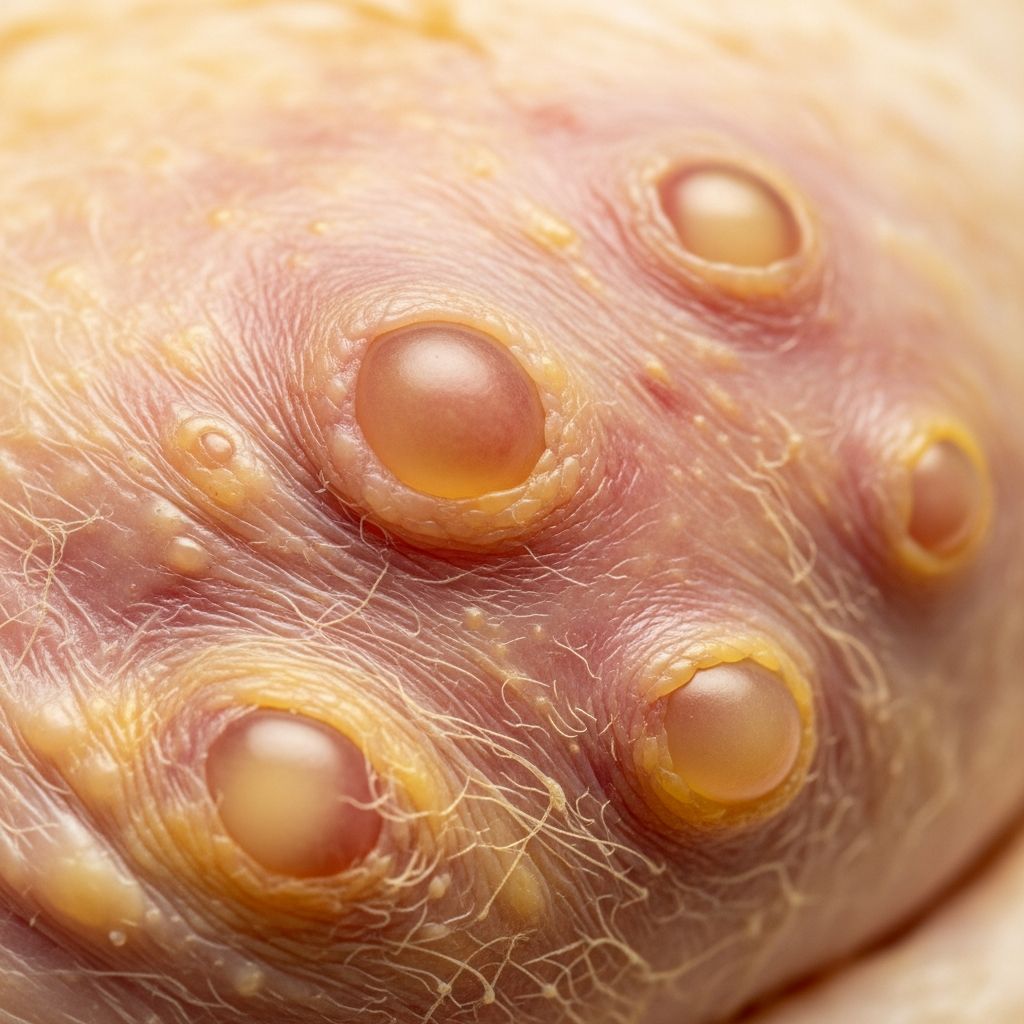
Breast blisters, also referred to as keel cysts or sternal bursitis, represent a prevalent welfare issue in poultry production, particularly among fast-growing broilers and turkeys. These fluid-filled swellings form over the keel bone due to repeated pressure or injury, potentially leading to infections and reduced bird performance if left unaddressed. Poultry keepers must recognize this condition early to mitigate its impact on flock health and economic outcomes.
Anatomy of the Keel and Bursa Role
The keel bone, or sternum, serves as a critical structural element in birds, anchoring powerful flight muscles in wild species and supporting posture in domesticated poultry. Beneath the skin over this bone lies the sternal bursa, a synovial sac that cushions the area during resting. When inflamed from trauma or pathogens, this bursa fills with fluid, creating a noticeable blister typically 1-3 cm in diameter. This inflammation disrupts normal movement and signals underlying management flaws.
Primary Causes and Risk Factors
Several interconnected factors contribute to breast blister development, often stemming from housing and nutritional environments.
- Mechanical Trauma: Continuous pressure from lying on hard or inadequate litter is the leading trigger. Birds with leg issues or lameness spend more time recumbent, exacerbating keel contact.
- Litter Quality Issues: Wet, caked, or abrasive bedding materials like coarse shavings or high-moisture substrates increase friction and irritation. Poor ventilation in winter elevates ammonia levels, further damaging skin.
- Overcrowding and Stocking Density: Exceeding optimal densities (e.g., over 40 kg/m² for broilers) forces prolonged sitting and heightens disease transmission risks.
- Nutritional Imbalances: High-salt diets boost fecal moisture, worsening litter conditions. Rapid growth in meat birds adds weight pressure on the keel.
- Infectious Agents: Bacteria such as Staphylococcus spp., Mycoplasma synoviae, and Pasteurella can invade traumatized bursae, turning sterile fluid into pus-filled abscesses.
Associated conditions like footpad dermatitis compound risks, as painful feet lead to more keel contact, creating a cycle of dermatitis and bursitis.
Recognizing Symptoms in Your Flock
Early detection hinges on visual inspections during routine checks. Key indicators include:
- A soft, fluctuant swelling centered on the keel bone, often warm to the touch.
- Skin discoloration, bruising, or feather loss over the lesion.
- In advanced cases, rupture with discharge, foul odor, or systemic signs like lethargy and reduced feed intake.
- Behavioral changes: birds avoiding movement, huddling, or isolating due to discomfort.
In turkeys, distinguish breast blisters (subcutaneous bursal inflammation) from superficial breast buttons caused by direct irritants like ammonia. Morbidity can exceed 50% in affected flocks, though mortality remains low unless secondary infections spread.
| Stage | Description | Impact |
|---|---|---|
| Mild | Small swelling, no infection | Minimal welfare concern, cosmetic at processing |
| Moderate | Enlarged fluid pocket, warmth | Reduced mobility, growth impairment |
| Severe | Infected, necrotic tissue | Pain, lameness, carcass condemnation |
Effective Treatment Strategies
Intervention focuses on supportive care, infection control, and addressing root causes. Isolate affected birds to prevent flock spread.
- Wound Management: Gently clean the site with antiseptic solutions, apply protective dressings, and monitor for pus. Avoid lancing unless performed by a veterinarian to prevent further contamination.
- Antimicrobial Therapy: For bacterial involvement, use vet-prescribed antibiotics like penicillin or streptomycin in feed (e.g., 15g penicillin + 75g streptomycin per ton). Culture bursal fluid for sensitivity testing when possible.
- Supportive Measures: Provide soft bedding, elevate feed/water to encourage standing, and ensure warmth (isolation in a ‘chicken ICU’).
In processing, trim infected areas; withhold slaughter post-antibiotics per withdrawal periods to avoid residues.
Prevention Through Optimized Management
Proactive steps yield the best results, emphasizing environmental and nutritional tweaks.
- Litter Best Practices: Use absorbent materials like pine shavings (top performer), maintain 5-10 cm depth, and turn weekly. Target litter moisture below 25% and ammonia under 20 ppm.
- Stocking Optimization: Adhere to 34-40 kg/m² for broilers; provide enrichment like perches to promote activity.
- Nutrition Adjustments: Balance electrolytes (sodium/chloride), reduce crude protein by 2-3% in finishers using synthetic amino acids, and supplement vitamins/minerals for skin integrity and leg strength.
- Health Monitoring: Weekly keel checks, footpad scoring, and prompt leg issue treatment break the lameness-blister cycle.
- Breeding Selection: Choose genetics with robust legs and moderate growth rates to lessen inherent risks.
Economic and Welfare Implications
Breast blisters erode profitability through downgraded carcasses (up to 10-20% condemnation in severe outbreaks), slower gains, and higher vet costs. Welfare standards from bodies like the EU mandate low lesion scores, influencing market access. Improved management not only cuts losses but enhances meat quality and bird comfort, aligning with consumer demands for ethical farming.
Case Studies from Poultry Operations
In one broiler farm, switching to rice hulls and lowering density from 45 to 38 kg/m² slashed blister incidence by 60% within a cycle. Another turkey operation balanced diets to cut fecal moisture, reducing buttons and blisters alongside better feed efficiency. These examples underscore multifactorial prevention’s efficacy.
Frequently Asked Questions (FAQs)
What is the difference between breast blisters and breast buttons?
Blisters involve deep bursal inflammation with fluid accumulation, while buttons are superficial skin lesions from irritants like wet litter.
Can breast blisters be fatal?
Rarely directly, but untreated infections can lead to systemic illness and secondary complications like abscesses.
How do I prevent breast blisters in free-range setups?
Ensure ample dry resting areas, rotate pastures to avoid mud, and monitor for leg injuries from uneven terrain.
Are antibiotics always needed for treatment?
No; start with cleaning and improved housing. Reserve for confirmed infections via vet diagnosis.
Does breed affect susceptibility?
Yes, fast-growing commercial broilers and turkeys are most prone due to weight gain and conformation.
Advanced Research Insights
Recent studies link low-protein diets with fewer footpad lesions, indirectly curbing blisters via better mobility. Ventilation tech and precision feeding emerge as frontiers in mitigation.
References
- Breast Blisters in Poultry — Merck Veterinary Manual. 2023. https://www.merckvetmanual.com/poultry/miscellaneous-conditions-of-poultry/breast-blisters-in-poultry
- Foot pad dermatitis and breast blisters in poultry — Poultry Innovation Partnership. 2023. https://poultryinnovationpartnership.ca/foot-pad-dermatitis-and-breast-blisters-in-poultry/
- Breast Blisters In Turkeys — Hobby Farms (Mississippi State University). 2013-05-01. https://www.hobbyfarms.com/breast-blisters-in-turkeys/
- Breast Blister — The Poultry Site. 2023. https://www.thepoultrysite.com/disease-guide/breast-blister
- Preventing breast blisters and buttons — Hybrid Turkeys. 2023. https://www.hybridturkeys.com/en/news/preventing-breast-blisters-and-buttons/
- Broilers and Capons — Kansas State University ASI. 2023. https://www.asi.k-state.edu/doc/poultry/broilers-and-capons.pdf
Similar Articles








Read full bio of Sneha Tete


