

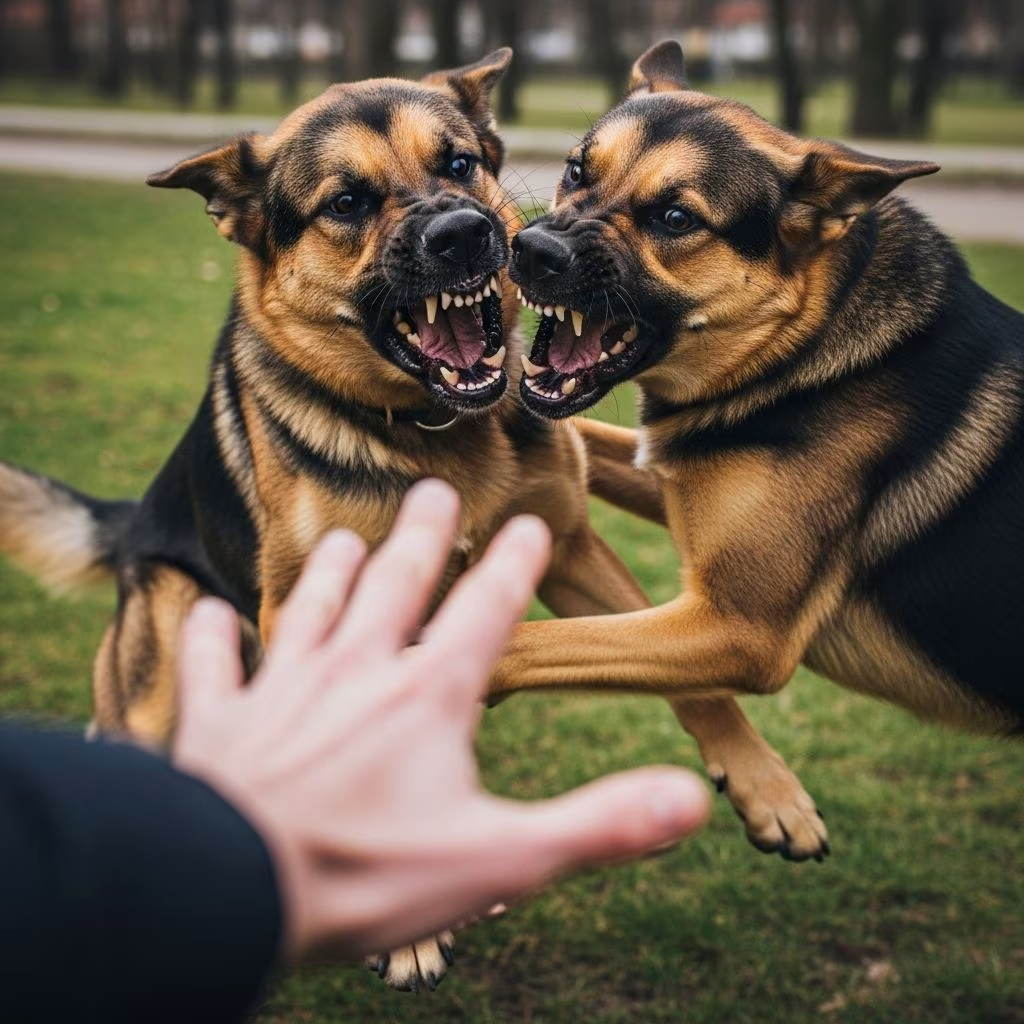
Witnessing two dogs locked in a fierce fight is terrifying for any pet owner. The instinct is to dive in and separate them immediately to prevent injury. However, intervening directly in a dog fight is one of the most dangerous actions you can take, often resulting in severe bites to humans and escalation of the conflict. This comprehensive guide explores the substantial risks involved, identifies early warning signs, outlines safer intervention strategies, and provides essential prevention tips to help you manage and avoid dog fights altogether.
Why Breaking Up a Dog Fight Is Extremely Dangerous
Directly physically separating fighting dogs poses significant hazards to you, the dogs, and others nearby. When dogs are in the heat of battle, their arousal levels skyrocket, impairing their ability to distinguish friend from foe. Adrenaline floods their systems, heightening pain tolerance and aggression, making them prone to redirecting bites onto whoever intervenes—often their beloved owner.
Common risky actions include grabbing collars, prying jaws apart, or inserting hands between the dogs. These methods frequently lead to ‘redirected bites,’ where a dog lashes out at the nearest target: you. Statistics from veterinary and behavior experts indicate that a high percentage of human dog bite injuries occur precisely during attempts to break up fights. Small dogs may be scooped up, turning the handler into a target, while larger breeds can cause crush injuries or drag handlers into the fray.
- Hyper-arousal state: Dogs lose peripheral vision and rational judgment, reacting to movement indiscriminately.
- Bite redirection: Up to 70% of intervention bites are redirected aggression, per behaviorist reports.
- Physical strength: Even medium-sized dogs exert forces beyond human control when fighting.
- Multiple bites: A single intervention can result in bites to hands, arms, face, and legs.
Beyond immediate physical danger, psychological trauma can ensue. Dogs may develop fear of their owners post-incident, eroding trust, while owners suffer lasting anxiety around their pets.
Recognizing the Warning Signs Before a Fight Erupts
Prevention hinges on early detection. Most fights don’t erupt from nowhere; subtle body language cues precede escalation. Learning these signals allows you to de-escalate proactively, averting full-blown conflicts.
Dogs communicate through agonistic displays—non-injurious signals meant to resolve tension without violence. Well-socialized dogs use these effectively, resolving 99% of disputes without harm, as observed in dog park studies. Ignore these at your peril.
| Warning Sign | Body Language Description | Action to Take |
|---|---|---|
| Growling | Low rumble from throat, lips curled | Calmly separate dogs immediately |
| Bared Teeth | Lips retracted, canines visible | Use distraction noise or barrier |
| Stiff Posture | Frozen body, direct stare | Redirect with upbeat voice |
| Raised Hackles | Fur standing along back/neck | Increase distance between dogs |
| Blocking | One dog positions to block another’s path | Interrupt with command like ‘Leave It’ |
| Flattened Ears | Ears pinned back against head | Remove triggers (toys/food) |
Spotting these early empowers intervention before snaps turn to full fights. Teach family members these cues for household safety.
Safe Methods to Interrupt and Separate Fighting Dogs
When a fight is underway, prioritize non-contact methods. Your goal: startle, distract, or physically divide without hands near mouths.
Distraction Techniques
- Loud Noises: Bang pots/pans, use air horn, or clap sharply to break focus.
- Water Spray: Hose, bucket, or spray bottle—aim for faces to shock without harm.
- Visual Barriers: Throw blanket/jacket over one dog to obscure vision.
Physical Separation Methods
The ‘wheelbarrow’ technique suits teams: each person grabs hind legs of one dog (like wheelbarrowing), lifts, and walks backward in opposite directions. Maintain wide stance, legs apart to prevent turning.
- Barriers: Insert plywood, trash lid, or chair between dogs.
- Leash Loop: Slip extra leash around hindquarters, not collar.
Always separate post-interruption: crate, different rooms, out of sight/smell. Never reunite unsupervised until professionally assessed.
What Not to Do When Breaking Up Dog Fights
Avoid these common, dangerous mistakes that exacerbate situations:
- Don’t grab collars—risk neck injuries and bites.
- Don’t yell/scream—escalates arousal.
- Don’t hit/kick—triggers defensive aggression.
- Don’t pick up small dogs—makes you a target.
- Don’t insert hands/jaws—guaranteed bites.
Prepare a ‘dog fight kit’: leashes, barriers, citronella spray, air horn. Keep one at home, in car, at park.
Preventing Dog Fights in Multi-Dog Households
Proactive management trumps reaction. Address root causes like resource guarding, fear, or poor socialization.
Daily Management Strategies
- Separate Resources: Individual bowls, beds, toys. Feed in crates/rooms.
- Exercise & Enrichment: Tire dogs mentally/physically to reduce tension.
- Training: Solid ‘Sit,’ ‘Stay,’ ‘Leave It’ under distraction.
- Supervised Interactions: Crate/rotate when unsupervised.
Addressing Underlying Issues
Resource guarding (food/toys)? Trade-up protocol: offer higher-value treat. Sibling rivalry? Equal attention, no competition. Consult certified behaviorist for persistent issues—punishment worsens aggression.
Understanding Dog Communication to Avoid Unnecessary Interventions
Not all ‘fights’ require breaking up. Agonistic interactions like play-growls or stand-offs are communication, resolving amicably in socialized dogs. Intervene only if escalation (no submission signals, rising intensity). Trust dogs’ bite inhibition—most conflicts end injury-free.
When to Seek Professional Help
If fights recur, involve veterinary behaviorist. Rule out pain/medical issues first. Behavior mod plans restore harmony; many ‘rival’ dogs coexist peacefully post-training.
Frequently Asked Questions (FAQs)
What should I do if my dogs start fighting?
Use safe methods like wheelbarrow or barriers. Never use hands near faces. Separate completely afterward.
How can I prevent resource guarding fights?
Feed separately, remove bowls post-meal, trade toys for treats. Never forcibly remove items.
Is it okay to let dogs ‘work it out’?
Only for familiar, well-socialized dogs showing clear resolution signals. Intervene if unequal sizes or rapid escalation.
What if I’m alone during a fight?
Use barriers or water. Avoid physical contact; prioritize safety.
Can sibling rivalry be fixed?
Yes, with management, training, and professional guidance. Many households achieve peace.
References
- Sibling Rivalry: When Canine Housemates Don’t Get Along — Fear Free Happy Homes. 2023. https://www.fearfreehappyhomes.com/sibling-rivalry-when-canine-housemates-dont-get-along/
- Are Your Dogs Arguing With Each Other? Fighting Without Biting — Kinship. 2023. https://www.kinship.com/dog-behavior/non-aggressive-fights-between-dogs
- Best practices for breaking up a dog fight — Pet Sitters International. 2024. https://www.petsit.com/breaking-up-a-dog-fight
- How Can I Stop My Dogs From Fighting? — Adopt a Pet. 2023. https://www.adoptapet.com/blog/behavior-training/how-can-i-stop-my-dogs-from-fighting
- How to Stop a Dog Fight – Behavior Triage — Wise Mind Canine. 2024. https://wisemindcanine.com/blog/stop-a-dog-fight-behavior-triage/



