

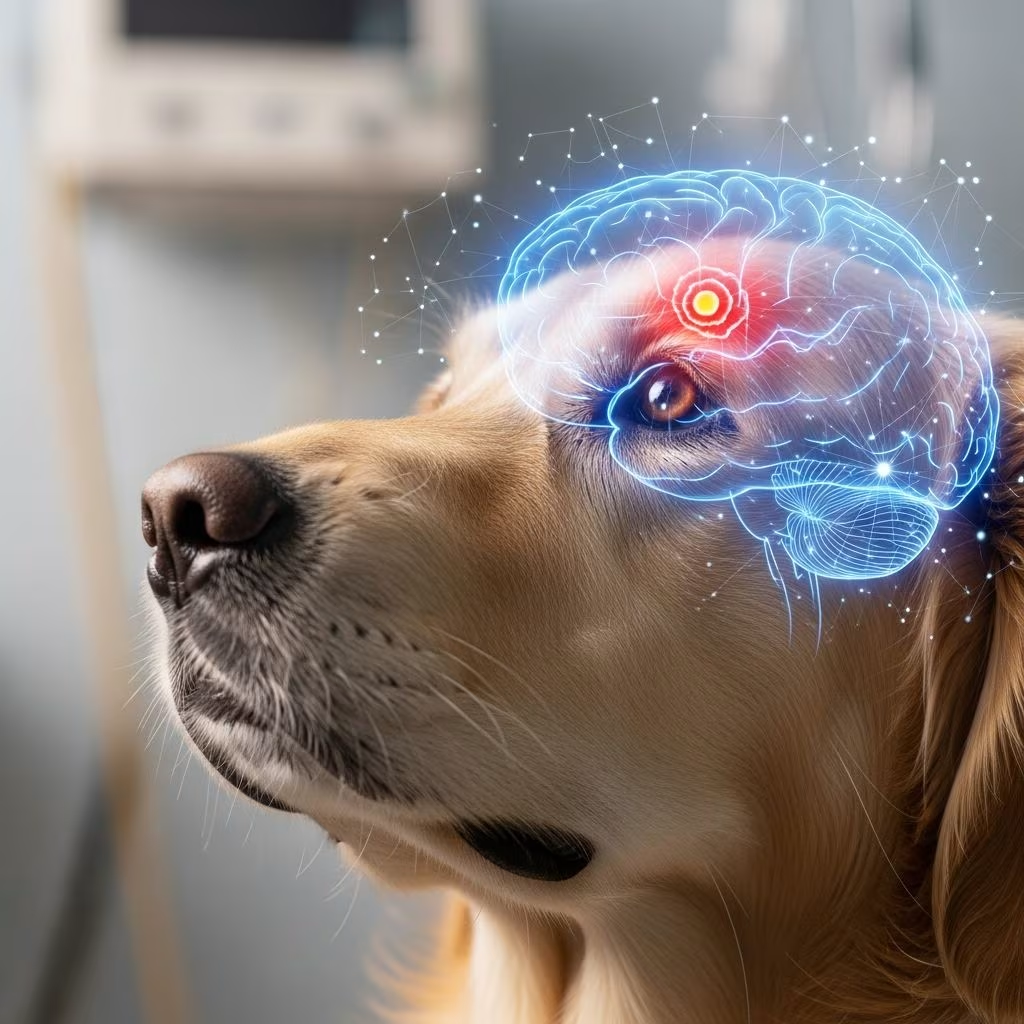
Brain Tumors in Dogs: Understanding This Serious Condition
Brain tumors represent a significant health concern for dogs, particularly as they age. Understanding the signs, diagnosis, and treatment options can help pet owners make informed decisions about their dog’s care. While brain tumors in dogs can be challenging to manage, early recognition and prompt veterinary intervention can improve outcomes and quality of life.
What Are Brain Tumors in Dogs?
Brain tumors in dogs are abnormal growths that develop in the brain tissue. These tumors can be primary (originating in the brain) or secondary (spreading from cancer elsewhere in the body). Primary brain tumors in dogs include meningiomas, gliomas, and pituitary tumors, while secondary tumors may spread from hemangiosarcomas or other cancers. The specific type of tumor, its location, and whether it is benign or malignant significantly influence the symptoms your dog experiences and the available treatment options.
Signs of Brain Tumors in Dogs
Recognizing the signs of a brain tumor is crucial for early detection and treatment. The symptoms can vary depending on the tumor’s location, size, and type, but several common indicators should alert pet owners to seek veterinary care.
Seizures
The most common sign of a brain tumor in dogs is seizures. Any dog that develops new-onset seizures at age five years or older should be evaluated for a possible brain tumor. Seizures associated with brain tumors can manifest as focal seizures, where only part of the body is affected (such as fly biting or licking the air), or as generalized grand mal seizures, where the dog loses consciousness and experiences full-body muscle contractions. Dogs may experience single seizures or cluster seizures, where multiple seizures occur within a 24-hour period.
Neurological Symptoms
Brain tumors can cause various neurological symptoms depending on which region of the brain is affected:
- Abnormal vision or blindness
- Circling in one direction
- A wobbly or unstable gait (appearing “drunk”)
- Head tilt
- Hypersensitivity to neck pain
- Loss of coordination
- Abnormal pupil size
Behavioral Changes
One of the more specific indicators of a brain tumor is a change in behavior. Since the brain controls emotions, behavior, and thought processing, tumors can significantly alter a dog’s personality. Behavioral changes may include:
- Aggression or unusual irritability
- Confusion or disorientation
- Anxiety
- Withdrawal or lethargy
- Excessive pacing
- Decreased awareness of surroundings
- Decreased mentation or mental dullness
Additional Symptoms
Other signs that may accompany brain tumors include excessive or abnormal panting, loss of appetite, vomiting, diarrhea, weakness, licking the air, and facial changes. Some dogs may experience constant panting or show signs of neck, back, or head pain. The specific combination of symptoms depends on the exact location of the tumor within the brain.
Diagnosis of Brain Tumors
Diagnosing a brain tumor requires a systematic approach combining clinical observation and advanced imaging. Your veterinarian will begin with a thorough physical and neurological examination, assessing your dog’s reflexes, gait, vision, and overall neurological function.
Advanced Imaging Techniques
If a brain tumor is suspected, advanced imaging is essential to confirm the diagnosis and determine the tumor’s location, size, and characteristics. The primary imaging methods include:
- MRI (Magnetic Resonance Imaging): Provides detailed images of brain tissue and is the gold standard for brain tumor diagnosis
- CT (Computed Tomography) Scans: Useful for identifying bone involvement and can guide biopsies
- CT-Guided Biopsies: Increasingly used to determine the specific tumor type, which influences treatment decisions
These diagnostic tools help your veterinarian or veterinary neurologist understand the tumor’s nature and develop an appropriate treatment plan.
Treatment Options for Brain Tumors
The treatment approach for brain tumors in dogs depends on several factors, including the tumor type (benign or malignant), its size and location, your dog’s age and overall health, and your personal preferences regarding treatment intensity. Three primary treatment modalities exist, often used alone or in combination.
Neurosurgery
Neurosurgery, performed by an experienced board-certified veterinary surgeon, aims to remove the tumor. This approach works best for benign tumors and those in surgically accessible locations. For benign tumors, surgery alone may be curative. However, surgery carries risks, particularly when tumors are deeply seated in the brain or when surrounding vital structures are involved. The decision to pursue surgery requires careful discussion with your veterinary team about the specific risks and benefits for your dog.
Radiation Therapy
Radiation therapy is the most common treatment for brain tumors in dogs and is often recommended when surgery is not viable. This treatment uses high-energy rays targeted at the tumor to slow or stop its growth. Radiation therapy can be administered alone or in combination with other treatments and often results in dramatic and rapid improvement of clinical signs. While radiation rarely destroys the entire tumor, it can significantly extend a dog’s quality of life. On average, brain tumors treated with radiation recur in eight to 14 months.
Radiation is particularly beneficial for malignant tumors and can help control growth in benign tumors when surgery is not feasible. The treatment is administered over multiple sessions, typically several weeks. While side effects are uncommon, potential complications may include nausea, mouth ulcers, ear infections, or rarely, blindness, though these can usually be managed with medication.
Chemotherapy
Chemotherapy is less commonly used for brain tumors in dogs because the blood-brain barrier makes it difficult for chemotherapy drugs to reach the brain effectively. However, it may be an option for certain malignant tumors or when cancer has spread to the brain from another location. When used, chemotherapy can help manage tumor growth and alleviate symptoms but is generally more effective for systemic cancers than for localized brain tumors.
Medications and Supportive Care
Medications play a vital role in managing brain tumor symptoms, whether used as primary treatment or alongside other therapies:
- Steroids: Corticosteroids like prednisone help decrease fluid buildup (cerebral edema) and may slow tumor growth. Many dogs experience dramatic improvement in clinical signs for weeks or months with steroid treatment. The recommended starting dosage is typically 1mg/kg/day of prednisone with a gradual taper over several weeks.
- Anti-Seizure Medications: Medications such as phenobarbital or levetiracetam control seizures and minimize distress
- Pain Management: Medications to manage discomfort and improve quality of life
- Nutritional Support: Proper nutrition to maintain strength during treatment
Palliative Care
For some dogs, especially those with advanced cancerous brain tumors, palliative care may be the most appropriate option. This approach prioritizes comfort and quality of life rather than attempting to cure the tumor. Palliative care is particularly common when the tumor is inoperable, when the dog’s age or overall health makes aggressive treatment inadvisable, or when the owner prefers a comfort-focused approach. Corticosteroids and anti-seizure medications remain central to managing symptoms and maintaining quality of life.
Treatment Considerations for Benign vs. Malignant Tumors
The treatment approach differs significantly between benign and malignant brain tumors. Benign tumors, which do not spread, may be curable through surgery alone, with radiation as a secondary option if surgery is not feasible. Malignant tumors, however, are often treated with a combination of therapies since they tend to grow rapidly and may invade surrounding tissues. For malignant tumors, radiation and chemotherapy may be used together to extend life and manage symptoms, although complete eradication is often challenging.
Prognosis and Quality of Life
The prognosis for dogs with brain tumors varies considerably based on the tumor type, location, stage of disease, and treatment chosen. While brain tumors are serious, many dogs can maintain good quality of life for weeks or months with appropriate treatment and management. The goal of treatment is often to extend survival time while maintaining comfort and quality of life rather than pursuing a complete cure.
Working closely with your veterinarian or veterinary neurologist is essential for understanding your individual dog’s prognosis and developing the most appropriate treatment plan for your pet’s specific situation.
Frequently Asked Questions (FAQs)
Q: At what age are dogs most likely to develop brain tumors?
A: Brain tumors are more common in older dogs, particularly those over five years of age. Any new-onset seizures in a senior dog should prompt evaluation for a possible brain tumor.
Q: Can brain tumors in dogs be prevented?
A: Unfortunately, there is no proven way to prevent brain tumors in dogs. However, maintaining overall health through proper nutrition, exercise, and regular veterinary care may help support your dog’s wellbeing.
Q: What should I do if my dog has a seizure?
A: During a seizure, ensure your dog is in a safe area away from hazards. Do not put your hands near your dog’s mouth. After the seizure ends, contact your veterinarian promptly, especially if it is a new-onset seizure or if multiple seizures occur.
Q: How long can a dog live with a brain tumor?
A: Life expectancy depends on the tumor type, treatment chosen, and individual factors. With appropriate treatment, many dogs can live for several months to over a year. Palliative care focuses on maintaining quality of life rather than prolonging survival at all costs.
Q: Will radiation therapy cure my dog’s brain tumor?
A: While radiation therapy can significantly improve symptoms and extend quality of life, it rarely cures brain tumors completely. On average, tumors treated with radiation recur within eight to 14 months, though individual cases vary.
Q: Are there alternative treatments for dog brain tumors?
A: The three primary treatments are surgery, radiation therapy, and chemotherapy. Medications and supportive care are essential components of any treatment plan. Your veterinarian can discuss which options are most appropriate for your dog’s specific situation.
Q: What is the cost of treating a brain tumor in a dog?
A: Costs vary significantly depending on the treatment chosen. Diagnostic imaging (MRI or CT) can range from $1,500 to $3,000. Radiation therapy typically costs $3,000 to $5,000 or more. Surgery and chemotherapy costs also vary. Discuss financial options with your veterinary clinic.
Q: Can I give my dog steroids at home?
A: Steroids for brain tumors must be prescribed and monitored by your veterinarian. The dosage, frequency, and tapering schedule are critical for safety and effectiveness. Never give your dog steroids without veterinary guidance.
References
- Signs of Brain Tumors in Dogs — Apex Vets. 2024. https://apex.vet/blog/brain-tumors-in-dogs/
- Brain Tumors in Dogs — VCA Animal Hospitals. 2024. https://vcahospitals.com/know-your-pet/brain-tumors-in-dogs
- Dog Brain Tumor Symptoms and Treatment Options Explained — Imprimedicine. 2024. https://imprimedicine.com/blog/dog-brain-tumors
- Brain Tumours Fact Sheet — Davies Veterinary Specialists. 2024. https://www.vetspecialists.co.uk/fact-sheets-post/brain-tumours-fact-sheet/
- Brain Tumors in Dogs — PetMD. 2024. https://www.petmd.com/dog/conditions/cancer/brain-tumors-dogs
- Signs of a Brain Tumor in Dogs: 16 Symptoms To Watch For — Toe Grips. 2024. https://toegrips.com/signs-of-a-brain-tumor-in-dogs/
- Neurology: Brain Tumors in Dogs and Cats — NC State University College of Veterinary Medicine. 2024. https://hospital.cvm.ncsu.edu/services/small-animals/neurology/brain-tumors/
- It’s Not (Always) a Tumor: When to Suspect a Brain Tumor in Dogs — MSPCA-Angell. 2024. https://www.mspca.org/angell_services/its-not-always-a-tumor-when-to-suspect-a-brain-tumor-in-dogs-and-what-we-can-do-about-it/



