

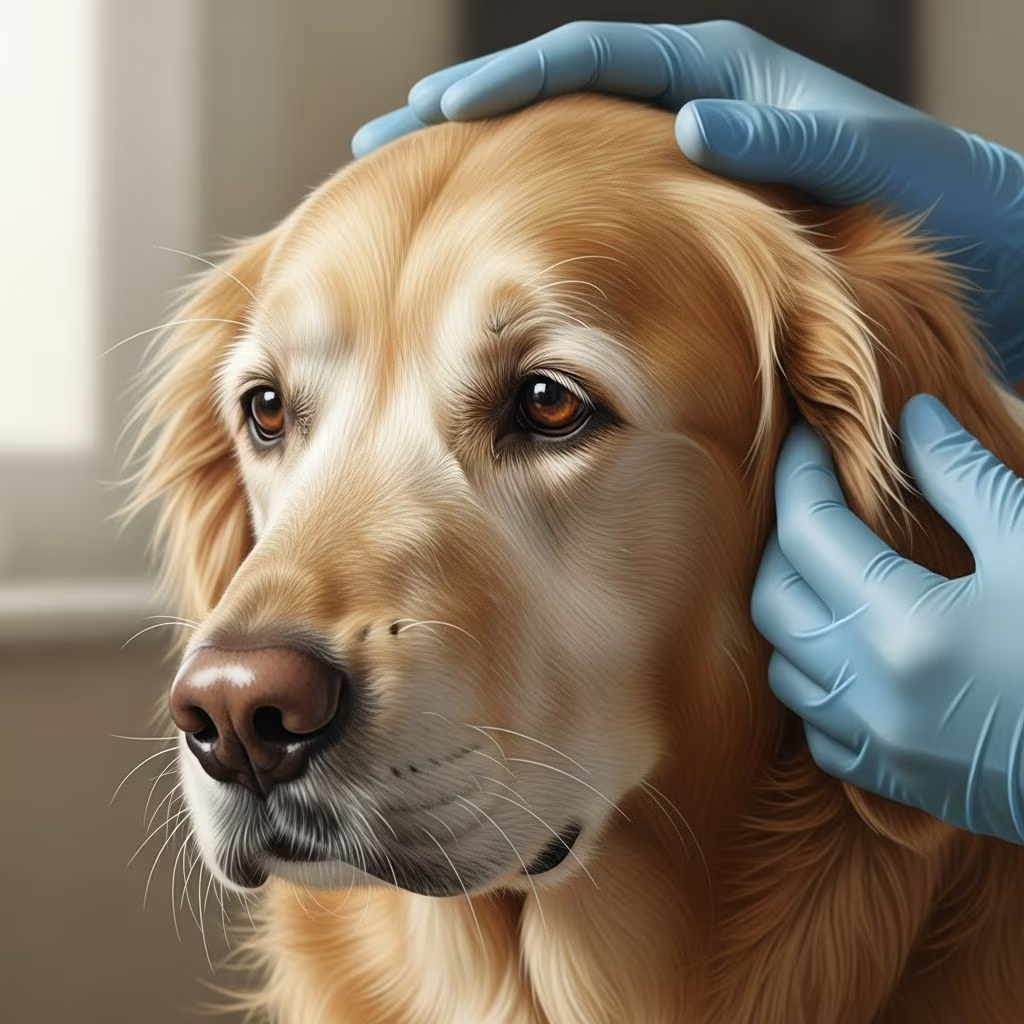
Understanding Brain Tumors in Dogs
Brain tumors represent a significant health concern for dogs, particularly as they age. While not all senior dogs develop brain tumors, they are more commonly diagnosed in dogs five years of age and older. Understanding the nature of these tumors, recognizing early warning signs, and knowing what treatment options are available can help pet owners make informed decisions about their dog’s care and quality of life.
Brain tumors in dogs can originate within the brain itself, known as primary tumors, or they can spread from cancer elsewhere in the body, known as secondary or metastatic tumors. The location and type of tumor significantly influence the symptoms a dog will experience and the treatment options that may be most effective.
Recognizing the Signs of Brain Tumors
Identifying potential symptoms of brain tumors early is crucial for prompt veterinary intervention. The signs can vary depending on which part of the brain is affected, and some symptoms may develop gradually while others appear suddenly.
Most Common Symptoms
Seizures represent the most common sign of brain tumors in dogs, making them a critical indicator that warrants immediate veterinary attention. Any dog that experiences new-onset seizures at age five years or older should be evaluated for the possibility of a brain tumor. Seizures may range from mild to severe and can occur with varying frequency.
Beyond seizures, dogs with brain tumors commonly exhibit a variety of other neurological symptoms that reflect disrupted brain function. These include abnormal behavior or changes in mental activity, such as confusion, aggression, or unusual anxiety. Vision problems are also frequently observed, ranging from mild vision loss to complete blindness. Dogs may also display coordination issues, including a wobbly gait that makes them appear unsteady or intoxicated.
Additional Warning Signs
Pet owners should watch for several other indicators that might suggest a brain tumor:
- Head tilting to one side persistently
- Circling in one direction repeatedly
- Hypersensitivity to neck pain or head touch
- Lethargy and excessive tiredness
- Loss of appetite or changes in eating habits
- Inability to control urination or bowel movements
- Personality changes or unusual behaviors
- Excessive or abnormal panting
- Abnormal pupil size or appearance
It’s important to note that these symptoms can be subtle at first and may progress over time. Some dogs may experience dramatic behavioral changes, becoming withdrawn, aggressive, or unusually anxious. Others might display increased reactivity to stimuli that previously didn’t bother them.
Diagnosis of Brain Tumors
Clinical Evaluation
When a veterinarian suspects a brain tumor, they begin with a thorough physical and neurological examination. This assessment includes testing reflexes, evaluating gait and coordination, and checking visual function. The veterinarian will look for specific neurological deficits that might indicate brain involvement.
Advanced Imaging Techniques
Definitive diagnosis requires advanced imaging studies. Magnetic resonance imaging (MRI) is considered the gold standard for detecting and characterizing brain tumors in dogs. MRI provides detailed images that allow veterinarians to determine the tumor’s location, size, and characteristics. Computed tomography (CT) scans may also be used as an alternative imaging modality.
These imaging studies are essential not only for confirming the presence of a tumor but also for determining the most appropriate treatment approach. They help veterinarians assess whether surgery is feasible and whether the tumor has affected surrounding brain tissue.
Treatment Options for Brain Tumors
The treatment approach for canine brain tumors depends on several factors, including the tumor type, size, location, whether it is benign or malignant, the dog’s age, and overall health status. Three primary treatment methods are available, often used alone or in combination.
Neurosurgery
Surgical removal of a brain tumor is performed by an experienced, board-certified veterinary surgeon. Surgery aims to remove as much of the tumor mass as possible while minimizing damage to surrounding healthy brain tissue. This approach works best for tumors located in areas that are surgically accessible.
Benign tumors, which do not spread to other tissues, may be curable through surgery alone, especially if they can be completely removed. However, surgery carries inherent risks when operating near critical brain structures. Some tumors are located too deep within the brain or in areas where surgery poses significant risks, making other treatment modalities more appropriate.
Radiation Therapy
Radiation therapy represents one of the most common treatments for brain tumors in dogs, particularly when surgery is not a viable option or as a complementary treatment following surgery. This approach uses high-energy rays to target and destroy tumor cells while minimizing damage to surrounding healthy brain tissue.
Radiation therapy can result in dramatic and rapid improvement of clinical signs. Many dogs experience significant symptom relief within weeks of beginning treatment. Stereotactic radiation therapy, a more advanced form that precisely targets tumors, shows particularly promising results and has been associated with longer survival times compared to conventional approaches.
The therapy is typically administered over multiple sessions, often spanning several weeks. While radiation rarely destroys the entire tumor, it effectively slows or halts tumor growth. On average, brain tumors treated with radiation typically recur within 8 to 14 months, though this timeline varies depending on tumor type and individual factors.
Side effects from radiation therapy are generally uncommon but may include nausea, mouth ulcers, ear infections, or rarely, vision problems. These side effects are usually manageable with medication.
Chemotherapy
Chemotherapy is less commonly used for primary brain tumors in dogs compared to radiation or surgery, primarily because of the blood-brain barrier—a protective mechanism that prevents most drugs from reaching brain tissue effectively. However, chemotherapy may be considered for certain malignant tumors or when cancer has spread from other parts of the body.
Research has shown that chemotherapy medications like CCNU (Lomustine) can be beneficial in certain cases, particularly when used following surgery. Studies indicate that CCNU can potentially double survival rates when used as part of a multimodal treatment approach for specific tumor types.
Medication and Supportive Care
Medications play an important role in managing brain tumor symptoms regardless of which primary treatment is chosen. Corticosteroids, such as prednisone, help reduce inflammation and fluid buildup around the tumor, often resulting in dramatic improvement in clinical signs for weeks or months.
Anti-seizure medications are commonly prescribed to control or reduce seizure activity. These medications help minimize distress and improve quality of life. Pain management, nutritional support, and other palliative measures ensure the dog remains as comfortable as possible throughout treatment.
Palliative Care Approach
For some dogs, particularly those with advanced malignant tumors or those whose age or health status makes aggressive treatment inadvisable, palliative care offers the best path forward. This approach prioritizes comfort and quality of life over aggressive tumor treatment.
Palliative care involves using medications to manage symptoms, reduce inflammation, and control pain. The focus is on allowing the dog to enjoy their remaining time with minimal suffering and maximum comfort. This compassionate approach recognizes that not every dog is a suitable candidate for intensive treatment.
Treatment Considerations: Benign vs. Malignant Tumors
The distinction between benign and malignant tumors significantly influences treatment recommendations. Benign tumors, which do not spread to other tissues, may be managed successfully with surgery alone if complete removal is possible. If surgery is not feasible, radiation therapy serves as a secondary option.
Malignant tumors, conversely, tend to grow rapidly and may invade surrounding tissue. Treatment for malignant tumors typically involves a combination approach, such as surgery followed by radiation, chemotherapy, or both. The goal shifts from complete eradication, which is often challenging, to extending quality of life and managing symptoms effectively.
Prognosis and Quality of Life
The prognosis for dogs with brain tumors varies considerably depending on tumor type, location, treatment approach, and individual factors. Some dogs experience months or even years of good quality of life with appropriate treatment, while others may have more limited time.
Survival times differ significantly based on treatment modality. Dogs receiving palliative medication alone may have survival times measured in weeks to a few months. Those undergoing radiation therapy or surgery may have survival periods extending to 12-18 months or longer, depending on tumor characteristics and treatment response.
Ultimately, treatment decisions should balance potential benefits against quality of life considerations. Veterinarians work closely with pet owners to discuss realistic expectations and help determine the approach that aligns with the dog’s needs and the family’s values.
Frequently Asked Questions
Q: At what age are dogs most susceptible to brain tumors?
A: Brain tumors are more commonly diagnosed in dogs five years of age or older. While dogs can develop brain tumors at any age, senior dogs represent the highest-risk population.
Q: Is a brain tumor diagnosis automatically a death sentence?
A: No. With appropriate treatment, many dogs experience months or even years of good quality of life. Treatment options can effectively manage symptoms and slow tumor progression, though outcomes vary based on tumor type and individual factors.
Q: How quickly should I seek veterinary care if I suspect a brain tumor?
A: Any new-onset seizures in an older dog warrant prompt veterinary evaluation. While not every seizure indicates a brain tumor, timely diagnosis and treatment significantly impact outcomes and quality of life.
Q: Can brain tumors be prevented?
A: There is no known way to prevent brain tumors in dogs. Regular veterinary check-ups and maintaining overall health are important for early detection of any health issues.
Q: What questions should I ask my veterinarian about treatment options?
A: Ask about the specific tumor type, location and size; which treatment options are most appropriate; expected survival times; potential side effects; quality of life considerations; and the overall goal of treatment—whether curative or palliative.
Q: Are there any side effects from radiation therapy I should know about?
A: Side effects are generally uncommon but may include occasional nausea, mouth ulcers, ear infections, or rarely, vision problems. These are typically manageable with medication and usually mild compared to the benefits of treatment.
Q: How often will my dog need follow-up veterinary visits during treatment?
A: Follow-up frequency depends on the treatment approach. Dogs undergoing radiation typically have regular appointments throughout their treatment course. Those on medication management may need monthly or quarterly check-ups. Your veterinarian will establish an appropriate schedule based on your dog’s specific situation.
References
- Brain Tumors in Dogs — VCA Animal Hospitals. https://vcahospitals.com/know-your-pet/brain-tumors-in-dogs
- Signs of Brain Tumors in Dogs — Apex Veterinary Specialists. https://apex.vet/blog/brain-tumors-in-dogs/
- Dog Brain Tumor Symptoms and Treatment Options Explained — Imprimis Medicine. https://imprimedicine.com/blog/dog-brain-tumors
- Most Common Types of Brain Tumors in Dogs — PetCure Oncology. https://petcureoncology.com/what-are-the-most-common-types-of-brain-tumors-in-dogs/
- Brain Tumors in Dogs — PetMD. https://www.petmd.com/dog/conditions/cancer/brain-tumors-dogs



