
Brain And Nerve Inflammation In Horses: Essential Guide
Essential insights into diagnosing, treating, and preventing meningitis and encephalitis in horses to safeguard equine neurological health.
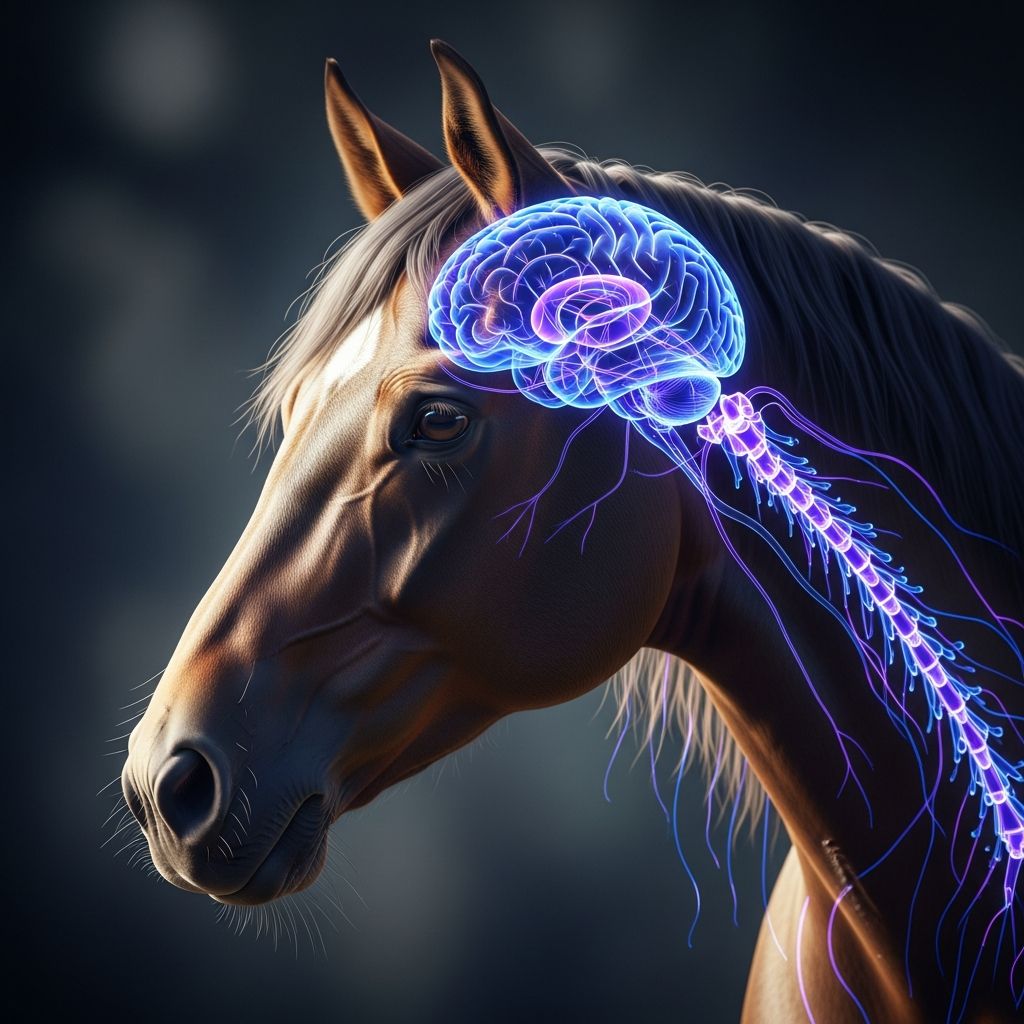
Inflammatory conditions affecting the brain and spinal cord coverings in horses represent serious threats to equine welfare, often leading to debilitating neurologic deficits if not addressed promptly. These disorders, encompassing meningitis (inflammation of the meninges) and encephalitis (inflammation of brain tissue), arise from infectious agents, trauma, or immune responses, manifesting in symptoms ranging from mild coordination issues to life-threatening paralysis.
Understanding the Equine Nervous System Vulnerabilities
The horse’s central nervous system, comprising the brain, spinal cord, and protective meninges, is highly susceptible to inflammation due to its exposure via bloodstream, direct trauma, or opportunistic pathogens. Meningitis primarily targets the protective membranes, while encephalitis invades neural tissue directly, both potentially causing swelling that compresses vital structures and disrupts signal transmission. Young performance horses and those in high-stress environments face elevated risks, as stressors compromise immune defenses.
Primary Causes of Neurologic Inflammation
Diverse etiologies drive these conditions. Bacterial invasions, such as from Streptococcus or E. coli, often follow bloodstream spread from respiratory or gastrointestinal infections. Viral culprits like equine herpesvirus-1 (EHV-1) trigger myeloencephalopathy, progressing from respiratory illness to severe hindlimb ataxia. Protozoal parasites, notably Sarcocystis neurona in equine protozoal myeloencephalitis (EPM), exploit opossum-contaminated feed, mimicking other myelopathies with asymmetric gait flaws. Less common are fungal agents in immunocompromised animals or toxic exposures exacerbating inflammation.
- Bacterial meningitis: Rapid onset post-sepsis, high fever hallmark.
- Viral encephalitis: EHV-1 outbreaks common in unvaccinated herds.
- Protozoal (EPM): Endemic in Americas, subtle chronic progression.
Recognizing Early Warning Signs
Horse owners must vigilantly monitor for subtle behavioral shifts signaling neurologic insult. Initial indicators include depression, anorexia, and pyrexia exceeding 102°F (38.9°C). As inflammation intensifies, horses exhibit profound ataxia—described as drunken staggering—most evident in hindquarters, with base-wide stance and circumduction. Cranial nerve involvement yields head tilt, nystagmus, or dysphagia, while spinal signs present as hypermetria or knuckling.
| Symptom Category | Common Manifestations | Associated Condition |
|---|---|---|
| Hindlimb | Dragging toes, weakness, recumbency | EHM, EPM |
| Forelimb | Milder ataxia, spasticity | CVSM mimic |
| Cranial | Facial paralysis, blindness | Viral encephalitis |
| Systemic | Fever, lethargy, muscle tremors | Bacterial meningitis |
Symmetric deficits suggest metabolic or degenerative issues like equine degenerative myeloencephalopathy (EDM), contrasting asymmetric EPM patterns. Prompt recognition averts irreversible damage.
Diagnostic Approaches for Accurate Identification
Veterinary assessment commences with a comprehensive neurologic exam, grading ataxia from 0 (normal) to 5 (recumbent). Cerebrospinal fluid (CSF) tap via lumbosacral or atlanto-occipital sites reveals pleocytosis—elevated white cells—in septic cases, or specific antibodies for EPM. Polymerase chain reaction (PCR) detects EHV-1 DNA in nasal swabs or buffy coats during outbreaks. Radiography rules out fractures, while myelography or advanced MRI pinpoints compressive lesions, though availability limits routine use.
- Neurologic grading scale for ataxia severity.
- CSF analysis: Protein, cell count, culture.
- Serology/PCR for protozoa/viruses.
Treatment Strategies: Medical and Supportive Interventions
Therapy hinges on etiology. Bacterial meningitis demands high-dose, broad-spectrum antibiotics like penicillin (22,000 IU/kg IV q4-6h) for 7-14 days, paired with anti-inflammatories such as flunixin meglumine (1.1 mg/kg IV SID). EPM responds to FDA-approved antiprotozoals: ponazuril (5 mg/kg PO SID for 28 days), diclazuril, or sulfadiazine/pyrimethamine combos yielding 60% improvement rates. Viral cases lack antivirals; focus shifts to supportive care—IV fluids, NSAIDs, slings for recumbents—with 30-50% EHM mortality.
Surgical decompression applies to compressive myelopathies mimicking inflammation. Ancillary therapies include DMSO for edema reduction and vitamin E supplementation in degenerative overlaps. Stall confinement minimizes falls during recovery.
Prognosis Factors Influencing Recovery
Outcomes vary starkly. Acute bacterial cases with early intervention boast 70-80% survival if non-recumbent, plummeting to <20% with seizures or coma. EPM horses improve in 60-80% with prolonged therapy, though relapses occur sans immunity. EHM prognosis ties to ambulation: standers recover 70%, downers face euthanasia. Chronicity, lesion locale, and owner compliance dictate long-term function; performance return is rare post-severe episodes.
Prevention: Vaccination, Biosecurity, and Nutrition
Proactive measures curtail incidence. EHV-1 vaccination (trivalent killed) biannually in endemic zones curbs outbreaks. EPM prevention entails opossum-proof feed storage and rodent control. Nutritional bolstering with vitamin E (5000 IU/day) mitigates EDM-like syndromes. Quarantine new arrivals 3 weeks, disinfect with bleach, and limit stressors via consistent management.
- Vaccinate against EHV-1, tetanus, rabies where prevalent.
- Maintain clean, secure feed sources.
- Monitor vitamin E in grass-restricted diets.
Common Myths and Misconceptions Debunked
Many equate all ataxia to EPM, overlooking viral or traumatic mimics. Corticosteroids harm viral/immune cases, worsening outcomes. “Wait-and-see” delays doom acute infections. Genetic screening aids EDM risk but doesn’t supplant nutrition.
Frequently Asked Questions (FAQs)
What triggers sudden hindlimb weakness in my horse?
Often EHM from EHV-1 or EPM; isolate and call vet immediately for PCR/serology.
Can vaccinated horses still contract encephalitis?
Yes, vaccines reduce severity but don’t confer sterility; biosecurity remains key.
Is surgery ever needed for inflammatory conditions?
Rarely; reserved for secondary compressions like abscesses or instabilities.
How long until EPM treatment shows results?
2-4 weeks for initial gains, full course 90+ days for optimal clearance.
What’s the role of vitamin E in prevention?
Prevents oxidative neural damage in EDM/eNAD; supplement deficient diets.
Long-Term Management and Monitoring
Post-treatment, recheck exams every 3 months track residuals. Physiotherapy—hand walking, underwater treadmill—rebuilds proprioception. Nutritional audits ensure selenium/vitamin E adequacy, vital for antioxidants. Serial CSF monitors EPM response. Owners should log gait videos for trend analysis, facilitating early relapse detection.
In performance arenas, baseline neurologic evals pre-season benchmark changes. Collaborate with equine neurologists for complex cases, leveraging facilities offering electrodiagnostics or scintigraphy.
References
- Neurologic conditions in the sport horse — Bedenice D, Johnson A. 2022. https://pmc.ncbi.nlm.nih.gov/articles/PMC9197298/
- The neurological system – Working Equid Veterinary Manual — The Brooke. 2020. https://www.thebrooke.org/sites/default/files/Professionals/Working%20Equid%20Veterinary%20Manual/WEVM-chapter-16.pdf
- 4 Common Neurologic Diseases in Horses — Leatherstocking Veterinary Group. 2023. https://leatherstockingvetgroup.com/4-common-neurologic-diseases-in-horses/
- Equine Neurologic Conditions — UC Davis Center for Equine Health. 2022. https://cehhorsereport.vetmed.ucdavis.edu/news/equine-neurologic-conditions
- Neurological Disorders — Mid-Rivers Equine Centre. 2024. https://www.midriversequine.com/services/internal-medicine/neurological-disorders/
- Overview of Nervous System Disorders in Horses — Merck Veterinary Manual. 2023. https://www.merckvetmanual.com/horse-owners/brain-spinal-cord-and-nerve-disorders-of-horses/overview-of-nervous-system-disorders-in-horses
Similar Articles








Read full bio of Sneha Tete


