
Brain Injury in Dogs: Causes, Signs, and Treatment
Comprehensive guide to understanding, recognizing, and treating brain injuries in dogs.
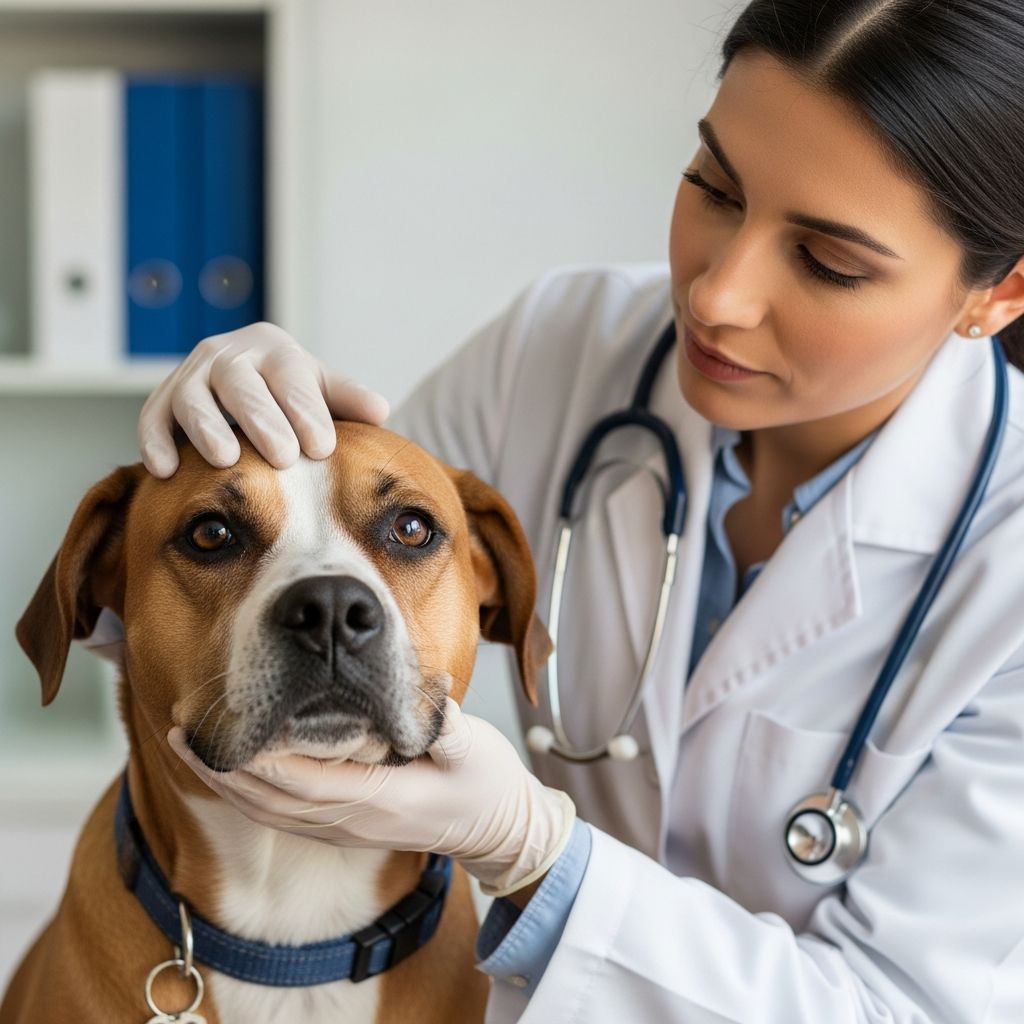
Understanding Brain Injury in Dogs
Brain injury in dogs is a serious medical condition that requires immediate veterinary attention and intensive care. When a dog experiences trauma to the head, it can result in significant neurological complications that affect consciousness, coordination, and vital bodily functions. Brain injuries are classified into two main categories: primary and secondary injuries. Primary brain injuries involve direct trauma to the brain tissue itself, which cannot be reversed once it occurs. Secondary brain injuries, however, develop after the initial trauma and involve the alteration of brain tissue through progressive mechanisms such as inflammation, reduced blood flow, and increased intracranial pressure. The critical distinction between these two types is that while primary injuries are irreversible, secondary injuries can be managed, prevented, and improved with prompt and optimal supportive care and treatment.
Common Causes of Brain Injury in Dogs
Brain injuries in dogs can result from various traumatic events. Motor vehicle accidents represent the most common cause of traumatic brain injury in dogs, followed by falls from heights, gunshot wounds, and bite wounds. Additionally, dogs can sustain brain injuries from accidental or intentional attacks by humans, crush injuries, severe hyperthermia or hypothermia, and prolonged seizure activity. Understanding these potential causes helps dog owners take preventative measures to protect their pets from unnecessary risks.
Recognizing the Signs of Brain Injury
Brain injuries in dogs present through a variety of clinical signs that indicate neurological dysfunction. The typical signs of brain injury include altered consciousness levels, which may signal bleeding within the skull, decreased blood flow to the brain, or fluid accumulation within brain tissue. Dog owners should be aware of the following warning signs:
- Loss of consciousness or unresponsiveness
- Altered mental status or confusion
- Abnormal eye movements or lack of normal blinking reflexes
- Poor coordination or loss of balance
- Seizures or convulsions
- Changes in breathing patterns, including heavy or rapid breathing (dyspnea or tachypnea)
- Abnormal heart functions, such as an abnormally slow heart rate (bradycardia)
- Insufficient oxygen reaching body tissues, indicated by weakness or lethargy
- Purplish or bluish patches under mucous membranes or skin due to ruptured blood vessels (ecchymosis)
- Red or purple spots on the body caused by minor hemorrhage (petechiation)
- Physical symptoms such as abnormal eye movement, poor coordination, or changes in consciousness
- Complete or partial blindness or loss of the sense of smell
- Coma or stupor
- Pacing or circling behavior
- Inability to control bodily functions
Diagnosis of Brain Injury
Accurate diagnosis of brain injury is essential for determining the appropriate treatment plan. Veterinarians employ several diagnostic tools to assess the extent and nature of brain injury. Modern imaging techniques, particularly MRI (Magnetic Resonance Imaging), can detect cerebral bleeding and underlying brain disease. MRIs are highly effective at obtaining quick diagnoses and treatment plans for dogs, cats, and other animals. Additionally, veterinarians may use CT scans, though these are less sensitive than MRIs for detecting certain types of brain injury. Blood pressure measurements and laboratory tests to monitor blood levels of various substances like blood sugar and minerals help veterinarians assess the overall health status of injured dogs. During the diagnostic process, veterinarians may also use the Small Animal Coma Scale to evaluate the severity of the injury and help estimate prognosis.
Initial Treatment and Emergency Care
When a dog sustains a brain injury, immediate veterinary intervention is critical. Any type of brain injury should be considered a medical emergency requiring immediate hospitalization for intensive care and treatment. The initial goals of emergency treatment focus on normalizing the dog’s temperature and blood pressure, providing adequate oxygen levels, and preventing hypoxia.
Maintaining Proper Blood Pressure and Oxygenation
One of the most important aspects of initial treatment is maintaining adequate cerebral perfusion pressure (CPP), which ensures that the brain receives sufficient blood flow and oxygen. Maintaining a mean arterial pressure of at least 90 mm Hg (systolic at least 100 mm Hg) and an oxygen saturation of at least 95% are key components of initial therapy. Hypotension, meaning blood pressure that is too low, is a negative prognostic indicator associated with increased mortality. Research in humans has shown that even a single episode of hypotension with a systolic blood pressure below 90 mm Hg is linked to a 150% increase in mortality, demonstrating the critical importance of blood pressure management.
Intravenous Fluid Therapy
Careful fluid therapy is essential for treating brain injury in dogs. The main goal of fluid therapy is to promptly correct hypovolemia (low blood volume) and hypotension to maintain adequate cerebral perfusion pressure. Contrary to older treatment approaches, aggressive fluid therapy is not contraindicated in traumatic brain injury patients. However, fluid therapy must be carefully monitored and titrated to the patient’s specific needs to avoid exacerbating cerebral edema or elevated intracranial pressure with excessive fluid rates and volumes. Any necessary intravenous fluid therapy must be administered carefully to avoid fluid build-up in the brain, even when there is bleeding that requires fluid replacement. Your veterinarian will balance your dog’s blood pressure to prevent it from going either too low or too high.
Advanced Medical Therapy
Management of Intracranial Pressure
Reducing intracranial pressure (ICP) is a critical component of brain injury management. Hyperosmolar therapy, using agents such as mannitol and hypertonic saline, is the treatment of choice for reducing ICP in patients with traumatic brain injury. Hypertonic saline may be favored over mannitol because it significantly decreases ICP to a greater degree and for a longer duration. Medications may be needed to help the body eliminate extra fluid or to pull extra fluid from the tissues of the brain.
Pain Management and Sedation
Adequate pain control is important for patient comfort and to prevent increases in ICP secondary to increased cerebral metabolic rate. Opioids are commonly used for pain management in brain injury patients because they have minimal cardiovascular effects and are easily reversed. A constant rate infusion of a full mu-agonist, such as fentanyl (recommended dose 2 to 6 micrograms per kilogram per hour), provides more consistent analgesia levels. Heavy sedation or even temporary general anesthesia may be necessary to spare the brain from additional injury. Naloxone can be used as a reversal agent if needed. Nausea is expected in patients with traumatic brain injury secondary to elevated intracranial pressures, and opioids may also cause nausea, so all brain trauma patients should receive injectable anti-emetic medications as standard treatment.
Respiratory Support and Oxygen Therapy
Adequate levels of oxygen must be provided to brain injury patients. Therapies that improve oxygenation and support respiratory function may include oxygen masks, oxygen cages, or oxygen delivered via nasal catheter. In severe cases, a tube may be passed into the windpipe to assist with breathing and ensure proper ventilation. Additionally, early intervention and aggressive supportive therapy include minimizing stress with light sedation as needed and administering diuretics such as furosemide (2 to 4 mg/kg intravenously every 4 to 12 hours) during the acute phase to help manage neurogenic pulmonary edema, which is typically self-limiting and resolves within hours to days.
Blood Sugar and Electrolyte Management
Maintaining proper blood glucose and electrolyte levels is essential for optimal recovery from brain injury. If a dog’s blood sugar levels are too low, intravenous glucose may be needed. Conversely, if blood sugar levels are too high, intravenous insulin may be needed. The main goal of managing patients with traumatic brain injury is to help prevent or limit secondary injury to the brain by carefully monitoring changes in blood pressure, arterial oxygen and carbon dioxide partial pressures, and electrolyte imbalances. Veterinarians must avoid hypotension, hypoxemia, hyperoxemia, hyper- and hypocapnia, and electrolyte imbalances.
Eye Care and Comfort Measures
Some dogs with brain injury do not blink their eyes normally, so lubricating the eyes may be necessary as part of treatment to prevent corneal damage. It will also be important to prevent any urine or stool soiling if the dog is unable to position properly for elimination, as maintaining hygiene and comfort promotes better overall recovery.
Surgical Treatment Options
In some cases, surgical intervention may be necessary for optimal outcomes. Decompressive surgery is recommended for specific indications including removal of epidural or subdural hematomas (blood clots), decompression of compressive skull fractures, removal of foreign materials lodged into the brain tissue, achieving hemostasis (stopping bleeding), and decompression for progressive neurologic deterioration. Recent research in humans with traumatic brain injury has shown that patients who underwent decompressive craniotomy had lower mortality rates than patients who received standard medical care alone, suggesting similar benefits may apply to veterinary patients.
Long-Term Follow-Up Care
Any dog with a brain injury should be monitored carefully for progress of recovery. This monitoring may include regular blood pressure measurements, as well as laboratory tests to monitor blood levels of various substances like blood sugar and minerals. Consistent veterinary follow-up appointments are essential to track neurological improvement and adjust treatment plans as needed.
Potential Long-Term Complications
Some dogs may experience long-term complications from brain injury that require ongoing management:
- Ongoing seizures requiring long-term anticonvulsant medication
- Uncontrolled swelling of the brain despite treatment
- Continued bleeding into the skull
- Progression of nervous system signs indicating permanent brain damage
- Malnourishment from difficulty eating or swallowing
- Drying of the corneas from decreased blinking and reduced tear production
Pet owners should work closely with their veterinarian to develop long-term management strategies for these complications and maintain the highest possible quality of life for their recovering dogs.
Prognosis and Recovery
The prognosis for dogs with brain injury depends on several factors, including the severity of the injury, the promptness of treatment, and the dog’s overall health status. To maximize the chance of recovery, expedient and aggressive therapy must be initiated immediately following the injury. Treatment includes addressing life-threatening injuries first (airway, breathing, circulation), followed by supportive care, and in some cases surgery. Hypotension is identified as a negative prognostic indicator, making blood pressure management one of the most critical factors in determining recovery outcomes. Dogs that receive prompt, aggressive treatment for brain injury generally have better outcomes than those with delayed care.
Frequently Asked Questions
Q: What should I do if I suspect my dog has a brain injury?
A: Immediately contact your veterinarian or emergency veterinary clinic. Brain injury is a medical emergency requiring prompt hospitalization and intensive care. Do not delay seeking treatment, as early intervention significantly improves outcomes.
Q: How long does recovery from brain injury take?
A: Recovery time varies depending on the severity of the injury. Some dogs may show improvement within days to weeks, while others may require months of intensive care and rehabilitation. Your veterinarian can provide a more specific timeline based on your dog’s condition.
Q: Can brain injury in dogs be fatal?
A: Yes, severe brain injuries can be fatal. However, with prompt and aggressive treatment, many dogs survive and recover function. The outcome depends on injury severity, treatment timing, and the dog’s overall health.
Q: Will my dog have permanent damage from brain injury?
A: Some dogs may experience permanent neurological changes, while others recover fully with appropriate treatment. This depends on the severity and location of the injury. Your veterinarian can discuss prognosis based on your dog’s specific situation.
Q: What is the cost of treating brain injury in dogs?
A: Brain injury treatment is typically expensive due to the need for intensive hospitalization, diagnostic imaging, medications, and potentially surgery. Costs can range from several thousand to tens of thousands of dollars depending on treatment complexity and duration.
Q: Can brain injury be prevented?
A: While not all accidents can be prevented, you can reduce risk by keeping your dog safely confined in vehicles, preventing falls from heights, maintaining a secure yard, and supervising outdoor activities.
References
- Head Trauma Management in Small Animals — Today’s Veterinary Practice. 2024. https://todaysveterinarypractice.com/neurology/head-trauma-management-in-small-animals/
- Brain Injury in Dogs — VCA Animal Hospitals. 2024. https://vcahospitals.com/know-your-pet/brain-injury-in-dogs
- Brain Injury in Dogs Causes — PetMD. 2024. https://www.petmd.com/dog/conditions/neurological/c_dg_brain_injury
- All You Need to Know About Traumatic Brain Injury in Dogs & Cats — VetGirl Veterinary Continuing Education. 2024. https://vetgirlontherun.com/podcasts/all-you-need-to-know-about-traumatic-brain-injury-in-dogs-cats-vetgirl-veterinary-continuing-education-podcasts/
- Brain Injury in Pets — BluePearl Veterinary Partners. 2024. https://bluepearlvet.com/pet-blog/brain-injury-in-pets/
Similar Articles








Read full bio of medha deb




