

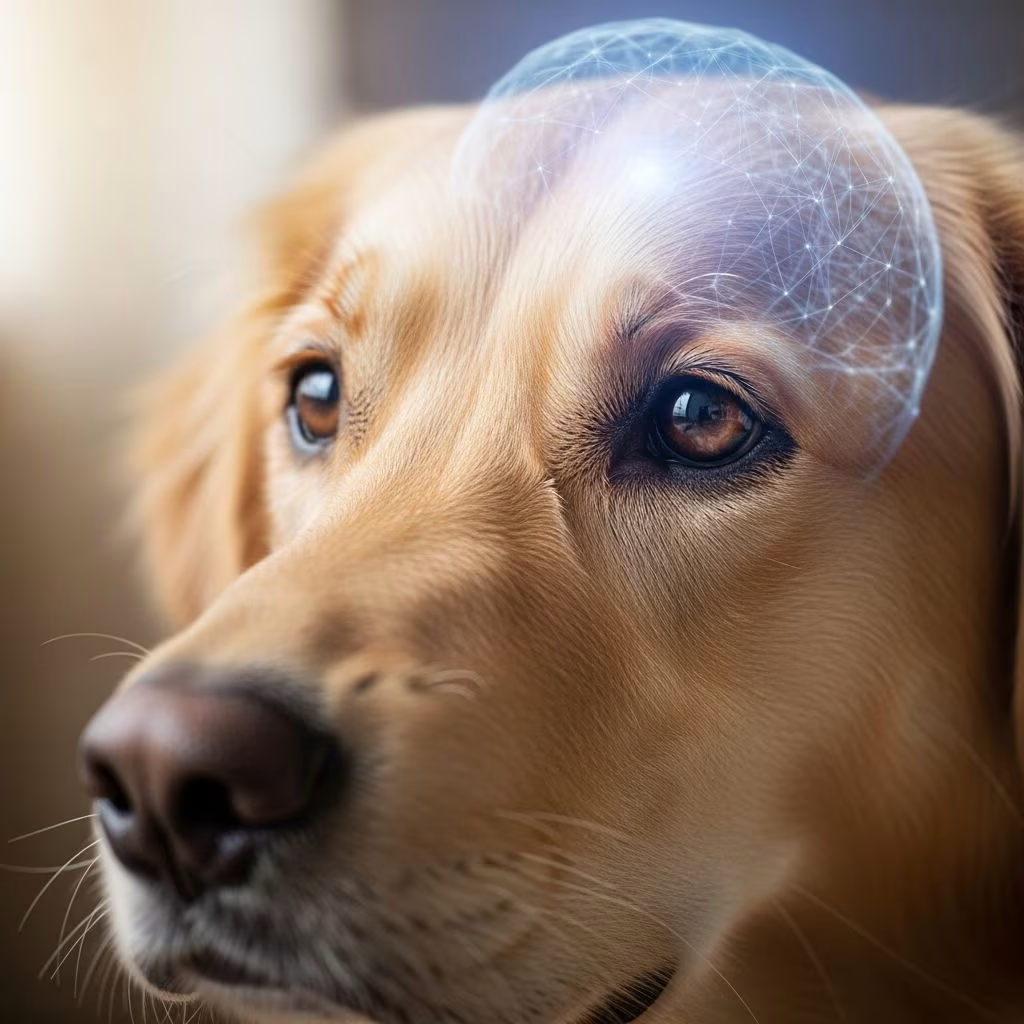
Understanding Brain Injury in Dogs
Brain injuries in dogs can occur suddenly and without warning, presenting a serious medical emergency that requires immediate veterinary attention. These injuries can result from various traumatic events and can have significant consequences for a dog’s health, mobility, and quality of life. Understanding the nature of brain injuries, their causes, symptoms, and available treatment options is crucial for any dog owner who wants to protect their pet and respond appropriately if an accident occurs.
Brain injuries are classified into two main categories: primary and secondary injuries. Primary brain injuries involve direct trauma to the brain tissue itself, which occurs at the moment of impact and cannot be reversed. Secondary brain injuries, however, develop after the initial trauma and can be managed, prevented, and improved with proper veterinary care and supportive treatment. This distinction is important because while primary injuries cannot be altered once they occur, secondary injuries can be minimized through immediate and aggressive intervention.
Common Causes of Brain Injury in Dogs
Dogs can sustain brain injuries from various causes, and understanding these common scenarios can help owners prevent accidents whenever possible. Motor vehicle accidents remain the leading cause of traumatic brain injury in dogs. When a dog is struck by a car or involved in a vehicular incident, the force of impact can cause severe head trauma and brain damage.
Beyond vehicular accidents, dogs may experience brain injuries from falls from significant heights, particularly from balconies, decks, or stairs. Bite wounds from other animals, especially large dogs or wildlife, can penetrate the skull and cause direct brain trauma. Gunshot wounds and blunt force trauma from accidents or intentional harm are additional causes. Some brain injuries result from non-traumatic events, including severe hyperthermia (excessive heat exposure) or hypothermia (extreme cold), as well as prolonged seizures that can damage brain tissue over time.
Other potential causes include crush injuries, falls during play or exercise, and accidents during transportation. Any situation involving significant force to the head or body has the potential to cause brain injury, which is why preventive measures such as secure fencing, proper vehicle restraints, and supervised outdoor time are so important.
Recognizing Symptoms of Brain Injury
The symptoms of brain injury in dogs can vary depending on the severity of the injury, the location of the damage within the brain, and the individual dog’s response to trauma. Some symptoms may appear immediately following the incident, while others may develop over hours or even days. Recognizing these warning signs is critical for ensuring your dog receives prompt medical attention.
Dogs with brain injuries commonly display the following symptoms:
- Seizures or convulsions
- Loss of consciousness or unresponsiveness
- Abnormal posture or irregular movements
- Bleeding from the ears or nose
- Abnormal eye movements or inability to blink normally
- Poor coordination or difficulty walking
- Changes in behavior or consciousness level
- Vomiting or nausea
- Difficulty breathing or abnormal breathing patterns
- Abnormally slow heart rate (bradycardia)
- Visible physical trauma such as skin wounds or bleeding
- Purplish or bluish discoloration under the mucous membranes or skin (ecchymosis)
- Red or purple spots on the body caused by minor hemorrhage (petechiation)
The severity and combination of symptoms can help veterinarians assess the extent of the brain injury and determine the appropriate course of treatment. Immediate veterinary care is essential whenever these symptoms are observed, especially if they occur following a traumatic event.
How Are Brain Injuries Diagnosed?
Accurate diagnosis of brain injuries requires a combination of physical examination, neurological assessment, and advanced imaging techniques. When you bring your dog to the veterinary clinic with suspected brain injury, the veterinarian will begin with a thorough physical examination to evaluate your dog’s overall condition and identify any external signs of trauma.
Advanced diagnostic imaging plays a crucial role in identifying and assessing the extent of brain damage. Magnetic resonance imaging (MRI) is particularly valuable for diagnosing brain injuries in dogs. MRI technology can provide detailed images of brain tissue and effectively screen for cerebral bleeding, structural damage, and underlying brain disease. Unlike CT scans, which may miss certain types of brain injuries, MRI offers superior sensitivity for detecting various types of brain trauma and complications.
During the diagnostic process, veterinarians will also evaluate the dog’s neurological status using standardized assessment tools, such as the Small Animal Coma Scale, which helps estimate prognosis and track changes in the dog’s condition. Blood pressure measurements and laboratory tests to monitor blood sugar levels, electrolyte balance, and other important substances are typically performed as part of the comprehensive evaluation.
Treatment of Brain Injuries in Dogs
The treatment approach for canine brain injuries depends on the specific cause of the injury and the severity of the damage. The initial goal of treatment is always to maximize oxygen levels in the brain tissue and maintain proper blood flow to the brain.
Medical Management
Medical treatment forms the foundation of brain injury management and focuses on supporting the dog’s vital functions and preventing secondary injury. Blood pressure management is critical—if blood pressure is too low, supporting it improves brain blood flow. Conversely, if blood pressure is elevated or intracranial pressure is high, reducing this pressure becomes the priority.
Intravenous fluid therapy must be carefully administered to maintain proper blood pressure and prevent shock while simultaneously avoiding fluid accumulation in the brain. This careful balancing act is essential even when bleeding occurs and fluid replacement is necessary. Your veterinarian will continuously monitor your dog’s blood pressure to keep it within an optimal range.
Positioning is also important in treatment. The head should never be lower than the body, as this position can increase intracranial pressure and worsen the brain injury. Dogs with brain injuries that affect normal blinking may require eye lubrication to prevent corneal damage and drying.
Medications play a significant role in brain injury treatment. Hyperosmolar therapy using agents such as mannitol or hypertonic saline helps reduce intracranial pressure by drawing excess fluid from brain tissues. Pain management is essential for patient comfort and to prevent increases in intracranial pressure caused by increased cerebral metabolic rate. Opioids are commonly used and easily reversible. Anti-emetic medications help control nausea, which is a common and expected secondary effect of elevated intracranial pressure.
Additional medications may include sedatives or anesthetics to spare the brain from further injury, glucose (if blood sugar is too low), or insulin (if blood sugar is too high). Adequate oxygen levels must be maintained, and in some cases, a tube may be placed into the windpipe to assist breathing.
Proper elimination management is also important for dogs unable to position themselves properly. Preventive measures must be taken to avoid urine or stool soiling, which can increase infection risk and cause additional stress to the injured dog.
Surgical Intervention
Depending on the type and severity of brain injury, surgical intervention may be necessary. Surgery is indicated for removal of epidural or subdural hematomas (blood collections), decompression of compressive skull fractures, removal of foreign materials lodged in brain tissue, achieving hemostasis (stopping bleeding), and decompression in cases of progressive neurological deterioration.
Follow-Up Care and Monitoring
Recovery from brain injury requires ongoing monitoring and supportive care. Any dog with a brain injury should be monitored closely for signs of recovery progress. This monitoring may include regular blood pressure measurements, laboratory tests to check blood sugar levels and mineral balances, and careful observation of neurological status.
During the recovery period, maintaining proper nutrition is important, though some dogs may experience difficulty eating following brain injury. Environmental stress should be minimized to support healing and prevent additional complications. Regular follow-up appointments with your veterinarian will help track your dog’s progress and adjust treatment as needed.
Potential Long-Term Complications
While some dogs recover well from brain injuries with appropriate treatment, others may experience long-term complications that affect their quality of life. Understanding these potential complications can help you prepare for ongoing care needs:
- Ongoing seizures that may require long-term management with anticonvulsant medications
- Uncontrolled swelling of the brain that may worsen despite treatment
- Bleeding into the skull that may occur days or weeks after initial injury
- Progression of nervous system signs indicating permanent brain damage
- Malnourishment from difficulty eating or swallowing
- Drying of the corneas from decreased blinking, potentially leading to vision problems
- Behavioral changes or personality alterations
- Chronic pain or neurological dysfunction
Some dogs may recover completely with minimal lasting effects, while others may have permanent disabilities. The prognosis for brain injury in dogs can be estimated using the Small Animal Coma Scale, and factors such as the initial severity of injury, presence of hypotension, and the dog’s response to initial treatment all influence recovery outcomes.
Emergency Response and Prevention
If you suspect your dog has suffered a brain injury, immediate action is crucial. Contact your veterinarian or emergency veterinary clinic right away. Do not delay seeking treatment, as early intervention significantly improves outcomes. Handle your dog gently to avoid causing additional injury, and avoid unnecessary movement during transport to the clinic.
Prevention is always preferable to treatment. Keeping your dog securely fenced, using proper vehicle restraints during car travel, supervising outdoor activities, and avoiding situations with high risk of head trauma can significantly reduce the likelihood of brain injury.
Frequently Asked Questions About Brain Injury in Dogs
Q: How quickly do symptoms of brain injury appear in dogs?
A: Some symptoms may appear within minutes of the injury, while others can develop over hours or even days. This is why continued monitoring after any head trauma incident is important, and you should seek veterinary care immediately if you suspect brain injury.
Q: Can brain injuries in dogs be fatal?
A: Yes, severe brain injuries can be life-threatening. Hypotension (low blood pressure) following brain injury is particularly associated with poor outcomes. This is why immediate aggressive treatment is so important for maximizing survival and recovery chances.
Q: How long does recovery from brain injury take?
A: Recovery time varies greatly depending on the severity of the injury, the dog’s age and overall health, and how quickly treatment was initiated. Some dogs may show improvement within days, while others require weeks or months of recovery and may have permanent effects.
Q: Will my dog have seizures after a brain injury?
A: While not all dogs with brain injuries develop seizures, post-traumatic seizures are a potential complication. These may develop immediately after injury or appear weeks to months later, and may require long-term anticonvulsant medication.
Q: Can a dog’s personality change after brain injury?
A: Yes, brain injuries can sometimes affect behavior and personality. Dogs may become more aggressive, anxious, or withdrawn, depending on which areas of the brain were damaged and the severity of the injury.
Q: What should I do if my dog has a head injury?
A: Contact your veterinarian or emergency veterinary clinic immediately. Do not wait to see if symptoms develop—early treatment is critical. Handle your dog gently, avoid unnecessary movement, and provide information about how the injury occurred to help guide treatment decisions.
References
- Head Trauma Management in Small Animals — Today’s Veterinary Practice. 2024. https://todaysveterinarypractice.com/neurology/head-trauma-management-in-small-animals/
- Brain Injury in Dogs — VCA Animal Hospitals. 2025. https://vcahospitals.com/know-your-pet/brain-injury-in-dogs
- Brain Injury in Dogs: Causes, Symptoms, and Treatment — PetMD. 2024. https://www.petmd.com/dog/conditions/neurological/c_dg_brain_injury
- All You Need to Know About Traumatic Brain Injury in Dogs & Cats — VetGirl Veterinary Continuing Education. 2024. https://vetgirlontherun.com/podcasts/all-you-need-to-know-about-traumatic-brain-injury-in-dogs-cats-vetgirl-veterinary-continuing-education-podcasts/
- Brain Injury in Pets — BluePearl Veterinary Partners. 2024. https://bluepearlvet.com/pet-blog/brain-injury-in-pets/
- Nervous System Disorders and Effects of Injuries in Dogs — Merck Veterinary Manual. 2025. https://www.merckvetmanual.com/dog-owners/brain-spinal-cord-and-nerve-disorders-of-dogs/nervous-system-disorders-and-effects-of-injuries-in-dogs



