

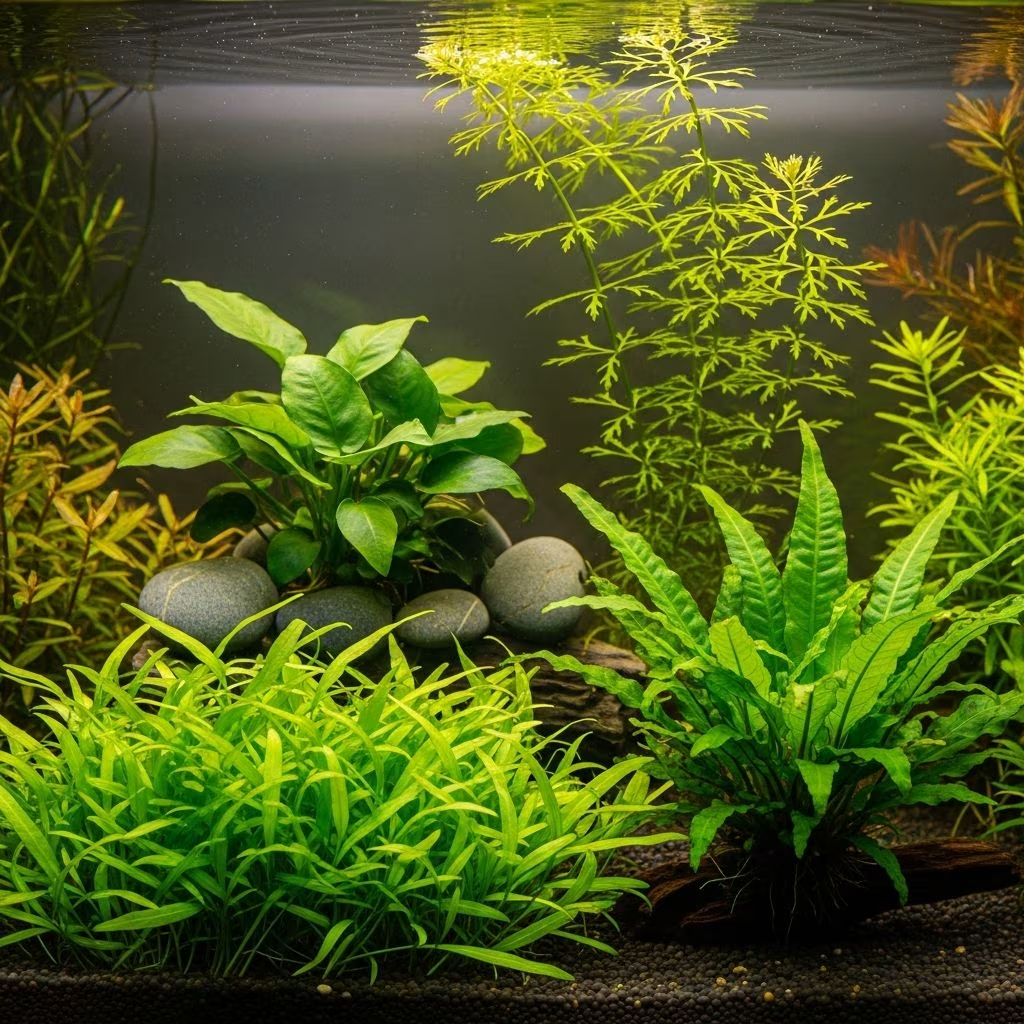
Introduction to Brackish Water Plants
Brackish water represents a unique aquatic environment where freshwater and saltwater meet, creating conditions that are neither completely fresh nor entirely marine. Many aquarists find themselves drawn to establishing brackish water systems to house specialized fish species, but they often struggle with finding suitable vegetation for these tanks. Unlike traditional freshwater aquariums with abundant plant options, brackish environments present distinct challenges that require careful plant selection. The good news is that several hardy, adaptable plant species thrive in brackish conditions when properly acclimated and maintained. These plants not only enhance the aesthetic appeal of your brackish aquarium but also provide essential ecosystem functions such as oxygenation, natural filtration, and habitat creation for fish and invertebrates.
Why Choose Brackish Water Plants?
Establishing a planted brackish aquarium offers numerous benefits beyond visual appeal. Living plants in any aquarium system help maintain water quality by consuming excess nutrients and producing oxygen through photosynthesis. In brackish environments specifically, plants can help stabilize pH levels and reduce algae growth by competing for the same nutrients that nuisance algae require. Additionally, dense plant growth provides shelter and security for fish, reducing stress and promoting natural behaviors. For aquarists interested in recreating natural biotopes, brackish plants are essential for accurately representing ecosystems like mangrove forests, tidal marshes, and river estuaries. The right selection of brackish-tolerant plants transforms your aquarium from a bare setup into a thriving, balanced ecosystem.
Understanding Salinity Tolerance in Aquatic Plants
Before selecting brackish water plants, it’s essential to understand salinity measurements and tolerance levels. Salinity is typically expressed in parts per thousand (ppt) or specific gravity (SG). Most brackish environments fall within the range of 1.003 to 1.005 SG, equivalent to approximately 5-7 ppt. This represents a significant difference from both freshwater (0 ppt) and full saltwater (35 ppt). Not all plants can tolerate even moderate salinity increases; their cellular structures and root systems have evolved for specific osmotic conditions. Plants that thrive in brackish water typically possess adaptations that allow them to regulate salt intake and maintain proper water balance within their tissues. When introducing plants to brackish conditions, gradual acclimation is crucial. Moving plants too quickly into higher salinity can shock their systems, causing leaf damage, stunted growth, or death. A slow acclimation process over several weeks allows plants to physiologically adjust to the new environment.
Four Essential Brackish Water Plants
1. Java Fern (Microsorum pteropus)
Java Fern stands as one of the most versatile and beginner-friendly brackish water plants available to aquarists today. Native to Southeast Asian tropical forests and coastal brackish regions, this slow-growing fern has adapted to survive in both freshwater and moderately brackish environments. Its resilience and minimal care requirements make it an excellent choice for those new to brackish planted tanks.
Characteristics and Appearance: Java Fern features distinctive feathery, lacy green fronds that create an elegant, naturalistic appearance in any aquarium. The fronds typically range from 4 to 12 inches in length, though mature specimens can grow larger. The plant develops a rhizome (horizontal stem) from which all fronds emerge. This rhizome should never be buried in substrate, as doing so promotes rot and decay. Instead, the plant should be attached to rocks, driftwood, or other hardscape elements using fishing line or plant-safe adhesive.
Care Requirements: Java Fern thrives in moderate to low lighting conditions and does not require specialized fertilization, though it benefits from fish waste and organic matter naturally present in established aquariums. Water temperature should be maintained between 65 and 82 degrees Fahrenheit. The plant prefers moderate water flow and tolerates a wide range of pH levels. One remarkable aspect of Java Fern is its ability to function in waters with salinity up to approximately 1.005 SG (7 ppt), making it ideal for most brackish setups.
Propagation and Growth: Java Fern reproduces through rhizome division and by developing plantlets along mature fronds. When fronds naturally die and drop, small baby plants often form along their edges. These can be carefully separated and attached to new surfaces once they develop sufficient roots.
2. Anubias Species (Anubias barteri, Anubias nana, Anubias congensis)
The Anubias genus comprises several remarkably hardy species native to the shady streams, marshes, and riverbeds of tropical Western Africa. These semi-aquatic plants have become staples in aquascaping due to their durability, unique appearance, and exceptional adaptability to various water conditions, including brackish environments.
Species Variations and Placement: Different Anubias species serve different aquascaping purposes. Anubias barteri and Anubias congensis grow to medium or large sizes, making them suitable for mid-ground or background placement in brackish tanks. Anubias nana, the dwarf variety, remains compact and works perfectly as a foreground specimen. Their broad, dark green leaves provide excellent contrast when combined with feathery plants like Java Fern.
Growing Characteristics: Like Java Fern, Anubias species develop rhizomes that should be attached to hardscape rather than buried. These plants grow extremely slowly, which means they require minimal pruning and remain manageable in smaller tanks. Their slow growth rate also means they consume nutrients gradually, reducing the risk of nutrient imbalances. Anubias plants excel in low to moderate lighting and tolerate a wide temperature range.
Brackish Tolerance: Anubias species demonstrate remarkable brackish water tolerance and can thrive in salinity levels up to 1.005 SG (7 ppt) with proper acclimation. Their versatility extends to paludariums and terrariums, though in brackish aquariums they perform best when fully submerged or partially above water. The leaves occasionally break the waterline, creating attractive visual effects.
3. Cryptocoryne ciliata
Cryptocoryne ciliata represents perhaps the most “authentic” brackish water plant, as it naturally occurs in the tidal zones and mangrove regions of Southeast Asia, Indonesia, India, and the Philippines. This species is truly at home in brackish conditions, making it an excellent choice for anyone serious about creating a natural brackish biotope.
Physical Characteristics: Cryptocoryne ciliata ranks among the largest species within the Cryptocoryne genus, reaching heights of up to 20 inches (50.8 cm). This substantial size makes it suitable for background placement in medium to large brackish tanks. The plant produces elongated, wavy-edged leaves that exhibit beautiful texture and movement in the water column. Many leaves often break the waterline, creating an impressive terrestrial element that mimics natural wetland habitats.
Natural Habitat and Adaptation: Because this species evolved in tidal zones and mangrove swamps where water salinity fluctuates regularly, it possesses innate adaptations for brackish water survival. The plant grows equally well in habitats ranging from fully submerged to partially emergent conditions, demonstrating its ecological flexibility. Its natural tolerance for salinity levels found in brackish aquariums means acclimation is often easier than with other plants.
Care and Cultivation: Cryptocoryne ciliata prefers nutrient-rich substrates and benefits from the organic compounds found in established brackish aquariums. The plant appreciates moderate lighting and stable water conditions. While it grows relatively quickly compared to Anubias or Java Fern, it remains manageable with periodic pruning. Adding root tabs or liquid fertilizers can enhance growth rates, though these plants often receive sufficient nutrition from fish waste in well-stocked tanks.
4. Bacopa Caroliniana (Water Bacopa)
Bacopa Caroliniana exemplifies the concept of an exceptionally undemanding brackish water plant. This species’ ability to thrive equally well in freshwater and brackish conditions up to 1.005 SG (7 ppt) demonstrates its remarkable hardiness and adaptability to varying water parameters.
Growth Habit and Appearance: Bacopa Caroliniana grows as a stem plant with small, oval-shaped leaves arranged alternately along the stem. The plant exhibits a lush, bushy appearance when mature and produces beautiful vertical accents perfect for background placement in brackish aquariums. One distinctive characteristic is the subtle lemon-mint aroma released when stems are cut, adding an interesting sensory element to tank maintenance.
Beginner-Friendly Nature: This plant’s popularity among both experienced aquarists and beginners stems from its forgiving nature. Bacopa Caroliniana tolerates a wide range of lighting conditions, from moderate to high intensity, though it grows best under brighter illumination. The plant adapts to various substrate types and water parameters, making it nearly impossible to fail with if basic care guidelines are followed. It accepts both rooted and floating growth styles, offering flexibility in aquascaping approaches.
Nutrient Requirements and Growth Rate: Unlike some demanding stem plants, Bacopa Caroliniana requires minimal supplemental fertilization in established aquariums with active bioloads. Fish waste typically provides sufficient macronutrients for steady growth. The plant grows at a moderate pace, fast enough to quickly establish itself but slow enough to avoid becoming unmanageable. Regular trimming encourages bushier growth patterns and prevents the plant from becoming lanky or overgrown.
Other Notable Brackish Water Plants
Beyond the four primary species, several other plants merit consideration for brackish aquariums. Brazilian Micro Sword (Lilaeopsis brasiliensis) tolerates salinity up to 7 ppt and forms attractive carpet-like growth under intensive lighting. Guppy Grass (Najas guadalupensis) grows easily in low salinity brackish tanks up to 7 ppt and works well for both beginners and advanced aquarists. Vallisneria species, though traditionally associated with freshwater, often adapt successfully to brackish conditions with gradual acclimation. Water Spangles (Salvinia minima) tolerate low salinity brackish environments and provide beneficial surface coverage. Marimo Moss Balls (Aegagropila linnaei) can survive in brackish conditions with salinity levels up to moderate ranges, offering unique visual interest.
Acclimation and Establishment Tips
Successfully establishing plants in brackish aquariums requires patience and careful acclimation protocols. When introducing plants from freshwater environments to brackish systems, gradual salinity increases over 2-4 weeks allow plants to physiologically adjust. Begin by placing plants in containers with current tank water, gradually adding small amounts of the brackish aquarium water to acclimate them before full introduction. Monitor plants closely during this transition period for signs of stress such as yellowing leaves, wilting, or stunted growth. Once fully established, brackish water plants require consistent care including regular pruning, occasional fertilization, and stable water conditions. Proper lighting, typically 8-10 hours daily with moderate to high intensity, supports robust growth and vibrant coloration.
Creating a Balanced Brackish Planted Ecosystem
Designing a successful brackish planted tank involves strategic plant placement and species combination. Use taller background plants like Cryptocoryne ciliata or Bacopa Caroliniana to create visual depth. Position medium-height species like larger Anubias varieties in the mid-ground. Place smaller foreground plants like Anubias nana near the tank front. Attach Java Fern and smaller Anubias varieties to rocks or driftwood to create natural aquascaping features. This layered approach creates professional-looking aquariums while ensuring each plant receives appropriate light exposure.
Frequently Asked Questions
Q: Can freshwater plants survive in brackish water?
A: Some freshwater plants can adapt to brackish conditions with gradual acclimation, but not all species tolerate salt increases. Plants specifically mentioned here have demonstrated brackish tolerance when properly introduced.
Q: How quickly should I increase salinity when introducing plants?
A: Increase salinity gradually over 2-4 weeks, adding small amounts of brackish water regularly. This slow acclimation prevents osmotic shock and allows plants to adjust physiologically.
Q: Do brackish water plants require special fertilizers?
A: Most brackish plants obtain adequate nutrition from fish waste and organic matter in established tanks. Supplemental fertilizers may enhance growth but are not always necessary.
Q: Can I mix different brackish plants together?
A: Yes, combining different species creates visually appealing, diverse planted aquariums. Select combinations based on size, growth rate, and placement to ensure each plant thrives.
Q: What’s the optimal lighting for brackish planted tanks?
A: Most brackish plants thrive with 8-10 hours of moderate to bright lighting daily. Specific requirements vary by species; slower growers like Anubias tolerate lower light, while stem plants like Bacopa prefer brighter conditions.
References
- Brackish Water Plants — Aquarium Breeder. Last updated 2024. https://aquariumbreeder.com/brackish-water-plants/
- The Salty Garden: Growing Mangroves and Brackish-Tolerant Plants — Tannin Aquatics. Last updated 2024. https://tanninaquatics.com/blogs/the-tint-1/the-salty-garden
- List of Brackish Aquarium Plant Species — Wikipedia. Last updated 2024. https://en.wikipedia.org/wiki/List_of_brackish_aquarium_plant_species



