

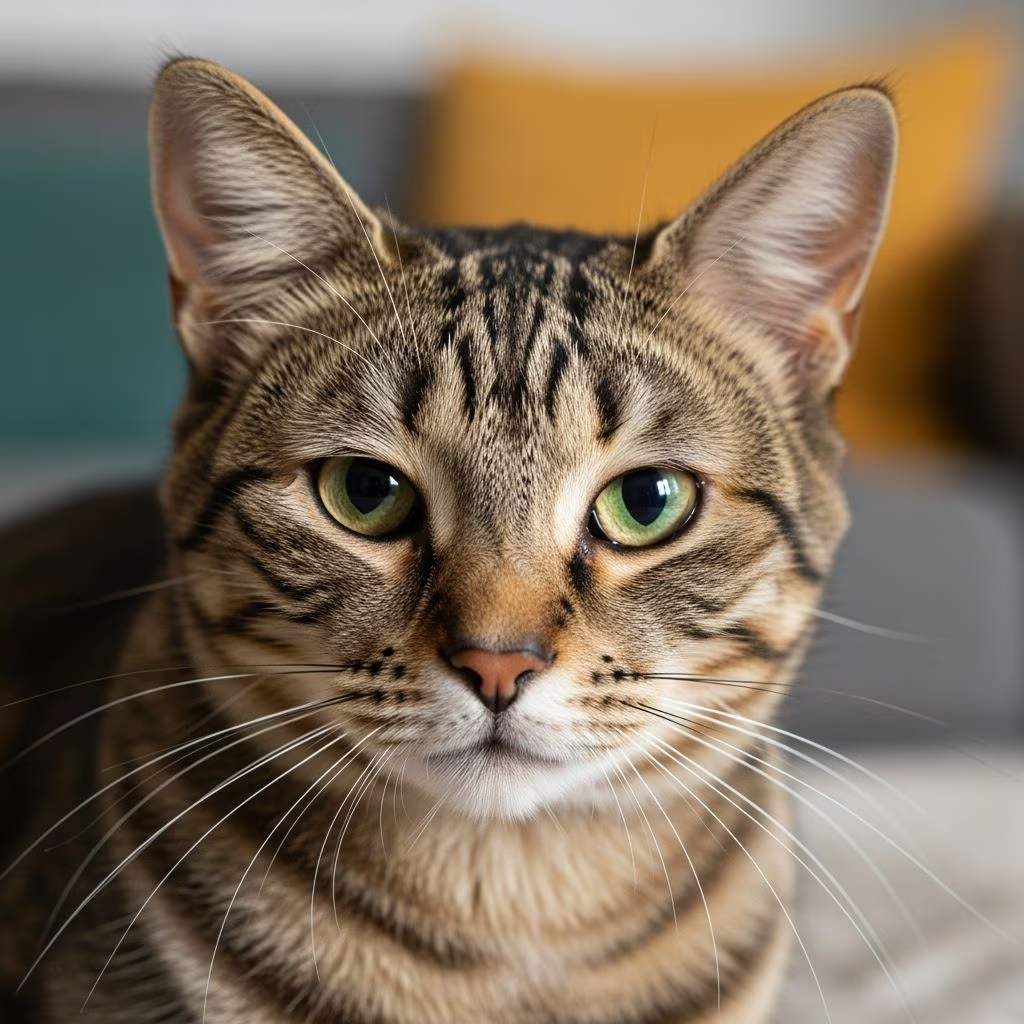
Brachycephalic airway syndrome (BAS), also known as BOAS, impacts cats with shortened skulls, leading to obstructed breathing passages and reduced airflow. These structural issues force cats to exert extra effort for each breath, potentially causing fatigue, overheating, and severe health complications over time.
Understanding the Anatomy Behind BAS
Cats affected by BAS have a distinctive flat-faced appearance due to selectively bred short nasal and facial bones. This conformation compresses soft tissues in the upper airways, creating multiple blockages that hinder normal respiration. Key anatomical flaws include:
- Stenotic nares: Pinched nostrils that limit air intake, making nasal breathing inefficient.
- Elongated soft palate: Excess tissue at the back of the mouth that flaps over the windpipe entrance.
- Everted laryngeal saccules: Inner laryngeal pouches that flip outward from high breathing pressure, further narrowing the airway.
- Hypoplastic trachea: A narrower-than-normal windpipe that reduces oxygen flow.
These traits often combine, amplifying breathing resistance. Mild cases might go unnoticed, but cumulative effects strain the respiratory system progressively.
Common Symptoms Owners Should Watch For
Signs of BAS vary by severity but typically involve audible and visible breathing difficulties. Cats may prefer mouth breathing since nasal paths are too restricted.
| Symptom | Description | Severity Level |
|---|---|---|
| Noisy breathing/snoring | Raspy sounds, snorting during rest or sleep | Mild to moderate |
| Mouth breathing/panting | Open-mouth respiration, especially after activity | Moderate |
| Exercise intolerance | Quick tiring, reluctance to play or move | Moderate to severe |
| Coughing/gagging | Frequent retching, often post-meal | Moderate |
| Collapse/fainting | Sudden weakness from oxygen lack during exertion | Severe |
Symptoms intensify in heat, humidity, or stress, as these cats struggle to cool via panting. Watch for cyanosis—bluish gums signaling emergencies.
Breeds Most Prone to Developing BAS
Popular flat-faced breeds carry the highest risk due to genetic selection for aesthetics over function. Persian, Exotic Shorthair, Himalayan, and British Shorthair cats frequently exhibit BAS traits. Mixed breeds with similar facial structures can also be affected. Obesity exacerbates issues by adding chest pressure, while collars worsen nares collapse. Early breeding awareness is crucial to reduce prevalence.
Associated Health Complications
BAS extends beyond respiration, triggering secondary problems from chronic airway strain.
- Eye issues: Protruding eyes, shallow sockets lead to tear overflow, staining, and infections.
- Dental misalignment: Malocclusion fosters plaque buildup and periodontal disease.
- Skin fold infections: Facial wrinkles trap moisture, breeding bacteria.
- Heart strain: Prolonged effort thickens heart muscles, risking failure.
- GI disturbances: Swallowed air causes regurgitation; hiatal hernias possible.
Untreated, these escalate, shortening lifespan and comfort.
How Vets Diagnose BAS in Cats
Diagnosis starts with physical exams noting facial structure and breathing sounds. Vets assess nostril width, palate length via oral inspection. Advanced tools include:
- Endoscopy: Visualizes internal airways under sedation.
- Radiographs: Checks trachea size, laryngeal position.
- CT scans: Maps precise abnormalities for surgery planning.
Symptom history, especially heat intolerance, guides severity grading. Mild cases monitor; severe demand intervention.
Management Strategies for Daily Life
Non-surgical care eases symptoms and prevents worsening.
- Maintain ideal weight through diet to lessen respiratory load.
- Use harnesses, avoiding collars that tug nares.
- Keep environments cool, ventilated; limit sun exposure.
- Elevate food/water bowls to reduce gagging during meals.
- Monitor for distress; seek immediate vet help for cyanosis or collapse.
Regular dental cleanings and eye wipes prevent secondary infections.
Surgical Interventions to Correct BAS
Surgery corrects root issues, vastly improving airflow. Procedures include:
- Nares resection: Widens nostrils by removing tissue.
- Soft palate shortening: Trims excess to clear windpipe.
- Laryngeal sacculectomy: Removes everted saccules.
- Tracheal expansion: Rare, for hypoplastic cases.
Timing favors young cats pre-complications. Post-op recovery needs monitoring for swelling, but most breathe easier immediately. Anesthesia risks higher, so specialists preferred.
Preventing BAS in Future Generations
Responsible breeding screens for mild traits, prioritizing health. Owners advocate by choosing breeders emphasizing function. Public education curbs demand for extreme brachycephaly.
FAQs About Brachycephalic Airway Syndrome
Can all flat-faced cats develop BAS?
Not every one shows symptoms, but anatomy predisposes them. Severity dictates impact.
Is BAS fatal in cats?
Not directly, but untreated severe cases lead to life-threatening crises like heatstroke.
How much does BAS surgery cost?
Varies by case/location; consult vets for estimates. Early action prevents pricier emergencies.
Does weight loss help BAS cats?
Yes, slimmer bodies ease lung expansion and heat dissipation.
Can BAS worsen with age?
Yes, tissues elongate, obesity accumulates, amplifying issues.
Long-Term Outlook for BAS Cats
With vigilant care and corrections, most BAS cats thrive, enjoying active lives minus constant struggle. Owners report reduced snoring, better play tolerance post-management. Routine vet checkups track progress, adjusting as needed. BAS highlights breeding ethics—balancing beauty with vitality ensures healthier feline companions.
References
- Brachycephalic Airway Syndrome in Cats — VCA Animal Hospitals. 2023. https://vcahospitals.com/know-your-pet/brachycephalic-airway-syndrome-in-cats
- Brachycephalic Airway Syndrome (BAS) in Cats — Vetster. 2024. https://vetster.com/en/conditions/cat/brachycephalic-airway-syndrome-bas
- Brachycephalic Obstructive Airway Syndrome (BOAS) in cats — JOII Pet Care. 2023. https://www.joiipetcare.com/blogs/health-conditions/brachycephalic-obstructive-airway-syndrome-boas-in-cats
- Brachycephalic Airway Syndrome — Baxter & Cleo Veterinary Clinic. 2022. https://baxterandcleovet.com/brachycephalic-airway-syndrome/
- Brachycephalic Syndrome in Cats — WagWalking. 2024. https://wagwalking.com/cat/condition/brachycephalic-syndrome



