

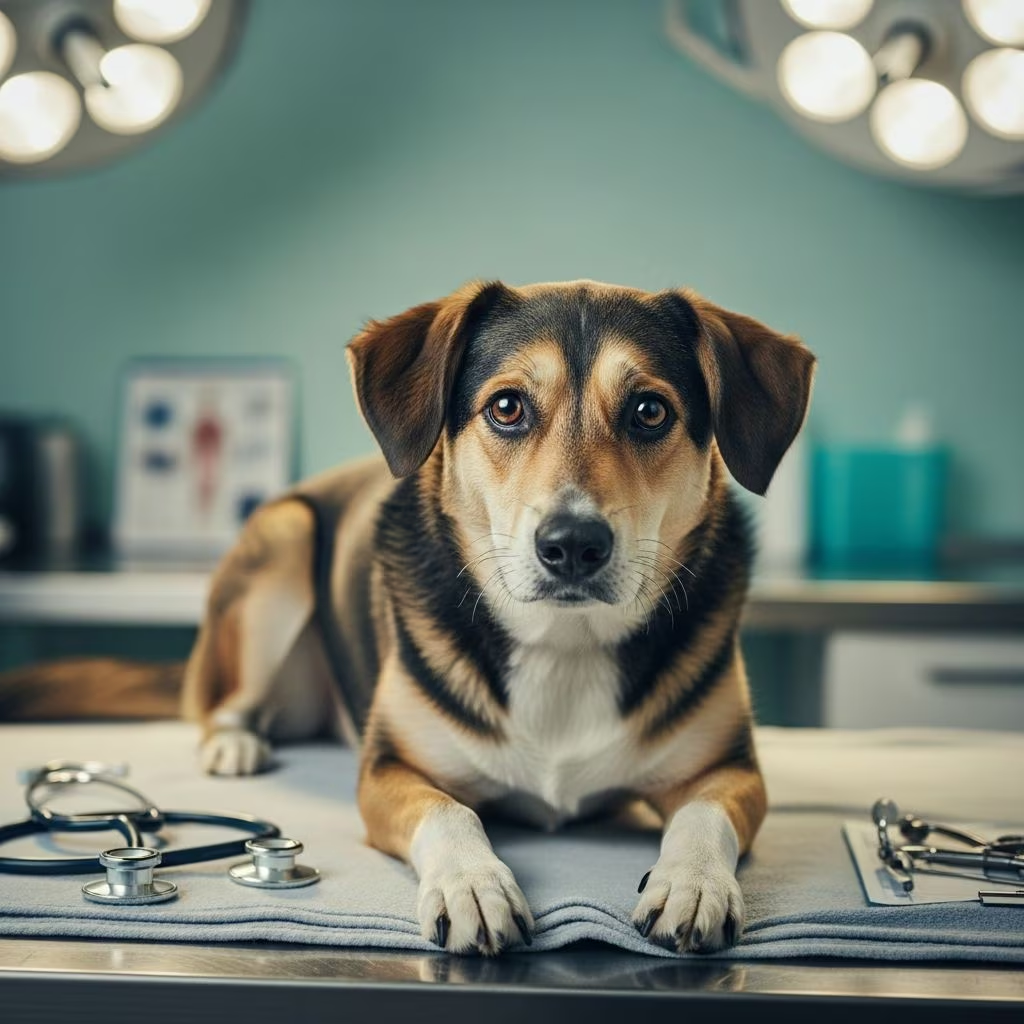
Understanding Bowel Incontinence in Dogs
Bowel incontinence in dogs is a condition characterized by the involuntary loss of fecal control, resulting in accidents outside the designated bathroom areas. This condition can range from occasional soiling to complete loss of bowel control and significantly impacts both the dog’s quality of life and the owner’s daily routines. Unlike urinary incontinence, which is more commonly discussed, bowel incontinence receives less attention but is equally important to address. Understanding the underlying causes and available treatment options is essential for pet owners dealing with this challenging condition.
Bowel incontinence can develop suddenly or gradually and may be temporary or chronic in nature. The severity can vary widely among individual dogs, from minor leakage to complete inability to control bowel movements. Recognizing the signs early and seeking veterinary care promptly can significantly improve outcomes and help restore your dog’s dignity and comfort.
Types of Bowel Incontinence
Veterinarians typically classify bowel incontinence into different categories based on the underlying mechanism and cause. Understanding these distinctions helps guide appropriate treatment strategies.
Sphincter Incontinence
Sphincter incontinence occurs when the anal sphincter muscles lose their ability to maintain proper closure. This type results in involuntary leakage of stool or fecal soiling. The sphincter muscles are responsible for controlling bowel movements, and when they weaken or become damaged, dogs lose the ability to hold feces until they reach an appropriate elimination area.
Reservoir Incontinence
Reservoir incontinence develops when underlying bowel disease causes persistent diarrhea or abnormal stool consistency. In these cases, the dog’s bowels contain excessive loose material that overwhelms the normal control mechanisms. The intestinal tract becomes unable to maintain proper stool consistency, leading to involuntary elimination. Treatment for reservoir incontinence focuses on diagnosing and treating the underlying bowel disease rather than addressing sphincter function directly.
Common Causes of Bowel Incontinence
Multiple medical and structural conditions can lead to bowel incontinence in dogs. Identifying the underlying cause is crucial for effective treatment planning.
Spinal Cord Issues
Injuries to the spinal cord or degenerative conditions affecting the spine can disrupt the neural signals between the brain and the muscles controlling bowel movements. Conditions such as intervertebral disc disease or degenerative myelopathy interfere with these critical communication pathways. When spinal cord function is compromised, dogs lose the ability to coordinate bowel control, resulting in involuntary defecation.
Neurological Disorders
Progressive neurological diseases, particularly in older dogs, can impair normal bowel function. These conditions affect the nervous system’s ability to regulate muscles involved in bowel control. Degenerative myelopathy, a progressive disease affecting the spinal cord, represents one such condition where bowel incontinence may emerge as the disease advances.
Inflammatory Bowel Disease (IBD)
Chronic inflammation of the gastrointestinal tract can significantly impact bowel control. Inflammatory bowel disease causes the intestinal lining to become irritated and inflamed, leading to diarrhea and potentially incontinence. Dogs with IBD often experience difficulty maintaining normal stool consistency and control.
Infectious Diseases
Various infections, including bacterial, viral, and parasitic infections, can cause temporary bowel incontinence. Conditions like parvovirus trigger severe gastrointestinal inflammation and diarrhea that overwhelm the dog’s ability to control elimination. Once the infection resolves, bowel function typically returns to normal.
Anal Sac and Perianal Issues
Problems affecting the anal sacs or tissues surrounding the anus can contribute to incontinence. Perianal fistulas, which are draining tracts around the anus, directly interfere with sphincter function and sensation. Similarly, complications from perianal surgery can damage nerves and muscles essential for bowel control.
Dietary Factors
Dietary indiscretion or food intolerances can trigger severe diarrhea leading to incontinence. Some dogs develop allergies or intolerances to specific foods over time, even if they previously tolerated those foods without issue. Additionally, consuming inappropriate items can cause gastrointestinal upset resulting in incontinence.
Age-Related Muscle Weakness
As dogs age, the muscles supporting bowel control naturally weaken. Senior dogs commonly experience bowel incontinence due to diminished muscle tone in the sphincter and surrounding pelvic muscles. This age-related decline in muscle strength is a primary reason bowel incontinence becomes more prevalent in elderly dogs.
Tumors and Cancer
Cancerous growths in areas near the spinal cord, colon, or other structures involved in bowel control can interrupt normal function. Tumors may compress nerves or physically obstruct the gastrointestinal tract, leading to incontinence.
Injury and Trauma
Traumatic injuries affecting the pelvis, spinal cord, or gastrointestinal tract can result in bowel incontinence. Injuries may cause hernias, fistulas, or other disruptions to normal gastrointestinal function. Physical signs of injury-related incontinence may include blood in stool, favoring one side when moving, and localized tenderness.
Recognizing Symptoms of Bowel Incontinence
Pet owners should be alert to several warning signs indicating potential bowel incontinence. Persistent diarrhea, involuntary soiling in the house despite previous housetrain success, blood in the stool, weight loss, and difficulty controlling bowel movements are all significant indicators that veterinary evaluation is necessary. Some dogs may show behavioral changes like anxiety or increased bathroom frequency. Additionally, observable straining during elimination or obvious discomfort can signal underlying problems requiring professional assessment.
Diagnosis and Testing
Accurate diagnosis forms the foundation for effective treatment. Veterinarians employ a comprehensive diagnostic approach to identify the underlying cause of bowel incontinence.
Physical Examination
The veterinarian begins with a thorough physical examination, assessing the dog’s overall health, palpating the abdomen, and evaluating anal tone and sphincter function. The vet will inquire about the history of incontinence, dietary habits, recent changes, and any other clinical signs.
Laboratory Testing
Blood work and urinalysis help identify systemic conditions like diabetes or infections that might contribute to incontinence. Fecal testing can detect parasites, bacterial overgrowth, or viral infections causing diarrhea.
Diagnostic Imaging
Radiographs or ultrasound may be recommended to visualize the gastrointestinal tract, spinal column, or detect masses. These imaging studies help identify structural abnormalities, tumors, or spinal pathology.
Advanced Testing
In some cases, colonoscopy or biopsy of the gastrointestinal tract may be necessary to directly visualize tissue and collect samples for analysis. These procedures help diagnose inflammatory bowel disease, infectious conditions, or other mucosal abnormalities.
Treatment Options for Bowel Incontinence
Treatment strategies depend entirely on the identified underlying cause. There is no single medication that specifically treats bowel incontinence; rather, the focus must be on addressing the root problem.
Dietary Management
Diet modifications often represent the first treatment approach. Switching to a high-fiber diet can help regulate digestion and improve stool consistency in many dogs. Prescription gastrointestinal diets formulated specifically for dogs with digestive problems can be remarkably effective. Additionally, dietary supplements containing probiotics may improve gut flora and enhance digestive function.
Medication Therapy
Several medication classes may be employed depending on the underlying cause:Anti-diarrheal medications help reduce loose stool and improve consistency. Anti-inflammatory medications such as NSAIDs or corticosteroids reduce intestinal inflammation associated with IBD or infectious conditions. Antibiotics or antifungals target specific infections causing incontinence. Medications may take several days to weeks to demonstrate effectiveness, and many dogs require ongoing treatment.
Surgical Intervention
In cases involving structural or severe neurological causes, surgery may be necessary. Surgical options include removal of tumors or anal sac abscesses, repair of hernias or fistulas, and correction of anatomical abnormalities. Some spinal conditions causing bowel incontinence may benefit from surgical intervention in select cases.
Management of Chronic Conditions
For dogs with incurable conditions like progressive neurological diseases, treatment becomes supportive rather than curative. In these situations, management focuses on maintaining quality of life and minimizing accidents. Canine diapers, frequent outdoor bathroom breaks, and environmental modifications help dogs with chronic incontinence live comfortably.
Prognosis and Outcomes
The prognosis for bowel incontinence varies significantly based on underlying causes. If the underlying condition is treatable, such as infections or dietary issues, incontinence often resolves completely. Some conditions prove self-limiting, with resolution occurring over time as inflammation subsides. Unfortunately, progressive neurological diseases offer no specific cure, and treatment remains supportive only. The key to optimal outcomes involves early diagnosis and prompt treatment initiation.
Managing Incontinence at Home
While addressing the underlying medical cause remains essential, supportive care at home improves both dog and owner quality of life. Establishing frequent outdoor bathroom schedules helps minimize indoor accidents. Using enzymatic cleaners specifically formulated for pet accidents completely eliminates odors and prevents dogs from repeatedly soiling the same spots.
Physical therapy and mobility support prove particularly valuable for dogs with spinal issues or arthritis contributing to incontinence. Underwater treadmill therapy, core strengthening exercises, and massage improve muscle function and coordination. Mobility aids like rear-support harnesses and non-slip booties facilitate movement with reduced effort, helping dogs reach outdoor elimination areas successfully.
Frequently Asked Questions
Q: Is there a specific cure for bowel incontinence in dogs?
A: No single cure applies to all cases of dog incontinence. Treatment depends on identifying and addressing the underlying cause. Some conditions resolve completely with appropriate treatment, while others may require ongoing management.
Q: Can cancer cause bowel incontinence in dogs?
A: Yes, cancers affecting the colon, brain, or spinal cord can inhibit bowel control. However, many other conditions cause incontinence, so cancer should not be assumed without proper diagnosis.
Q: What diet helps dogs with bowel incontinence?
A: A high-fiber diet often represents an excellent starting point. Specialized dog foods designed for incontinence management can significantly improve bowel control in some cases. Consult your veterinarian about prescription gastrointestinal diets.
Q: When should I take my dog to the veterinarian for bowel incontinence?
A: Seek veterinary attention if your dog shows signs of persistent diarrhea, blood in stool, weight loss, or difficulty controlling bowel movements. Prompt evaluation is important even in senior dogs to identify treatable causes.
Q: How do veterinarians typically manage bowel incontinence?
A: Vets typically begin with diet and probiotics, then add medications to treat underlying conditions if needed. Treatment approaches are customized based on each dog’s specific needs and diagnostic findings.
Conclusion
Bowel incontinence in dogs represents a treatable condition in many cases when proper diagnosis and intervention occur promptly. While the condition can stem from various medical, structural, or age-related causes, identifying the underlying problem enables effective treatment planning. Pet owners noticing signs of bowel incontinence should schedule veterinary evaluations without delay. Through comprehensive diagnostics, appropriate medical or surgical treatment, dietary modifications, and supportive home care, most dogs can achieve improved bowel control and restored quality of life. Each case requires individualized assessment and treatment, emphasizing the importance of working closely with a trusted veterinary professional.
References
- Dog Incontinence: Causes, Treatments & Support — A Loyal Companion. 2024. https://aloyalcompanion.com/article/dog-incontinence-causes-treatments-and-support/
- Bowel Incontinence in Dogs – Causes, Treatment and Diagnosis — Vetster. 2024. https://vetster.com/en/symptoms/dog/bowel-incontinence
- Bowel Incontinence in Dogs: Signs, Causes, and Treatment — Penny Paws Animal Clinic. 2024. https://pennypaws.com/blog/bowel-incontinence-in-dogs-signs-causes-and-treatment/
- Bowel Incontinence in Dogs — PetMD, Dr. Rhiannon Koehler. 2024. https://www.petmd.com/dog/conditions/digestive/bowel-incontinence-dogs
- Bowel Incontinence in Dogs — VCA Animal Hospitals. 2024. https://vcahospitals.com/know-your-pet/bowel-incontinence-in-dogs
- Elderly Dog Bowel Incontinence: Causes and Treatment Options — Austin Canine Rehabilitation. 2024. https://www.austincaninerehab.com/blog/elderly-dog-bowel-incontinence-causes-and-treatment-options
- Bowel Incontinence – How to Help Your Dog — Preventive Vet. 2024. https://www.preventivevet.com/dogs/bowel-incontinence-in-dogs



