

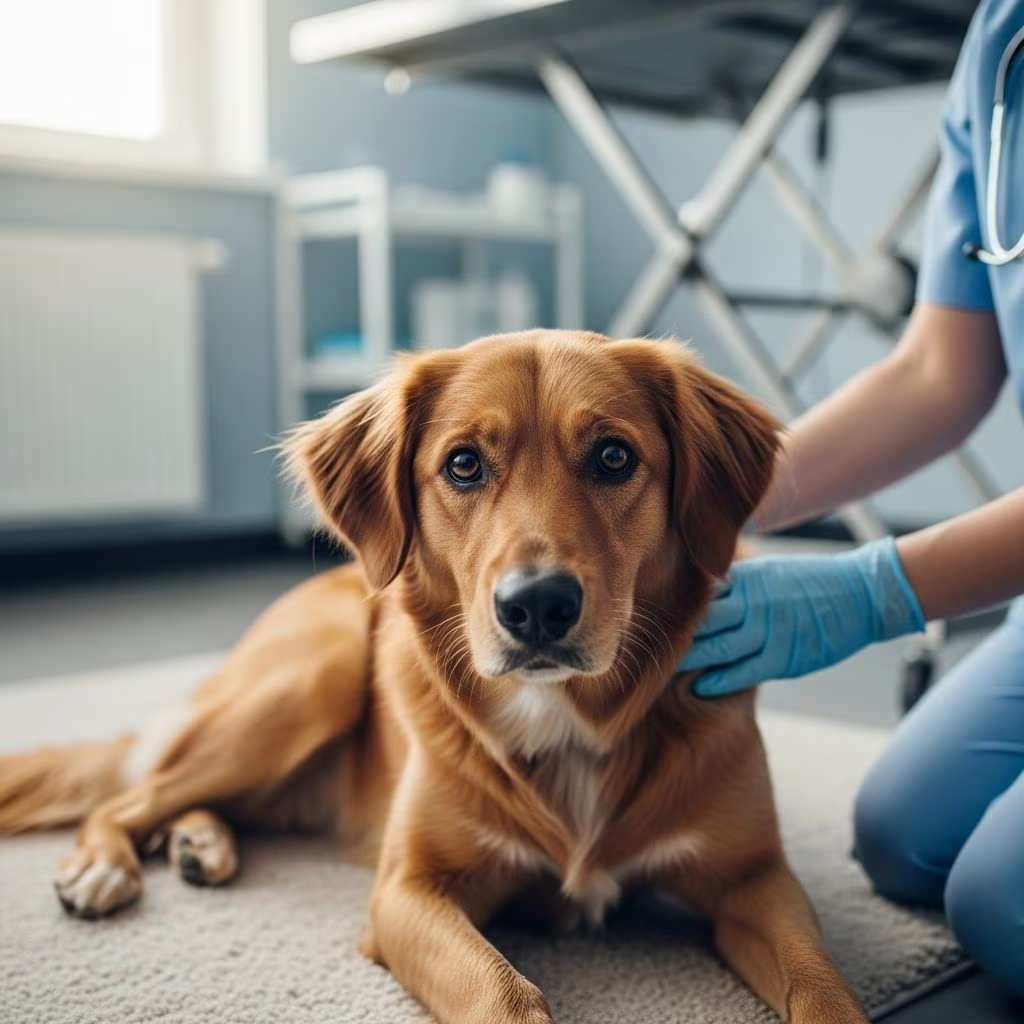
Understanding Bowel Incontinence in Dogs
Bowel incontinence, also referred to as fecal incontinence, is a condition where dogs lose the ability to control their bowel movements, resulting in involuntary defecation or soiling. This condition can occur in dogs of any age but is particularly common in senior dogs due to weakening muscles and age-related changes. Bowel incontinence can significantly impact a dog’s quality of life and the overall well-being of household members, making it essential for pet owners to understand the underlying causes and available treatment options.
Unlike urinary incontinence, which affects the bladder, bowel incontinence specifically involves the loss of control over fecal elimination. The condition can range from occasional accidents to complete loss of bowel control, and it may develop suddenly or gradually over time. Understanding the distinction between different types of incontinence and recognizing the signs early can help pet owners seek appropriate veterinary care promptly.
Types of Bowel Incontinence
Veterinarians classify bowel incontinence into two primary categories based on the underlying physiological mechanism:
Reservoir Incontinence
Reservoir incontinence occurs when the colon cannot properly store feces due to underlying bowel disease. In this type, the dog’s sphincter muscles may function normally, but the colon itself is compromised, leading to frequent, urgent bowel movements that the dog cannot control. This is often associated with inflammatory conditions or chronic diarrhea.
Sphincter Incontinence
Sphincter incontinence results from weakness or dysfunction of the anal sphincter muscles responsible for controlling bowel movements. When these muscles fail to maintain proper tone, dogs may leak feces involuntarily, particularly when resting or sleeping.
Common Causes of Bowel Incontinence
Bowel incontinence can result from various medical, neurological, and structural conditions. Identifying the underlying cause is crucial for developing an effective treatment plan.
Age-Related Muscle Weakness
As dogs age, the muscles controlling bowel movements naturally weaken. The anal sphincter loses elasticity and tone, making it difficult for senior dogs to maintain control over defecation. This age-related decline in muscle function is one of the most common causes of bowel incontinence in elderly dogs, particularly in large breed dogs.
Inflammatory Bowel Disease (IBD)
Inflammatory bowel disease causes chronic inflammation of the gastrointestinal tract, leading to persistent diarrhea and bowel incontinence. Dogs with IBD experience compromised intestinal function and frequent, urgent bowel movements that overwhelm their ability to maintain control.
Colitis
Colitis is inflammation of the colon that results in frequent, loose stools and urgency. Dogs with colitis may experience sudden urges to defecate and struggle to reach appropriate outdoor areas in time, leading to accidents indoors.
Dietary Intolerance and Indiscretion
Dogs may develop intolerances to certain foods later in life, even if they previously tolerated those foods without issue. Additionally, dietary indiscretion—consuming inappropriate items—can cause severe digestive upset and temporary bowel incontinence. In many cases, switching to a more suitable diet resolves these issues.
Infectious Diseases
Viral and bacterial infections, including parvovirus, can cause acute bowel incontinence. These infections typically trigger severe diarrhea and inflammation that interfere with normal bowel control. Once the infection is resolved, incontinence usually resolves as well.
Spinal Cord Disease and Neurological Disorders
Conditions affecting the spinal cord, such as degenerative myelopathy or spinal cord injuries, can disrupt the nerve signals between the brain and the muscles controlling bowel movements. Neurological disorders and nervous system dysfunction may impair a dog’s ability to sense the need to defecate or respond to that signal appropriately.
Tumors and Cancer
Tumors located near the spinal cord, colon, brain, or rectum can interrupt normal bowel function by compressing nerves or tissues. Cancers affecting the gastrointestinal tract directly impact digestion and bowel control.
Perianal Fistulas
Perianal fistulas are chronic, draining tracts around the anus that cause pain, infection, and loss of anal tone. This condition severely compromises the anal sphincter’s ability to maintain continence.
Trauma and Injury
Injuries to the pelvis, spinal cord, or anal region can cause hernias, fistulas, or nerve damage that results in bowel incontinence. Dogs experiencing such injuries may exhibit pain, favor one side when moving, or show blood in their stool.
Diagnosing Bowel Incontinence
Proper diagnosis is essential for determining the appropriate treatment approach. Veterinarians use a comprehensive diagnostic process to identify the underlying cause of bowel incontinence.
Physical Examination
Your veterinarian will conduct a thorough physical examination, assessing your dog’s overall health, palpating the abdomen and anal region, and evaluating muscle tone and neurological function. This initial assessment helps identify obvious structural or neurological issues.
Medical History
Providing detailed information about when the incontinence began, the frequency and character of accidents, diet, recent dietary changes, and any other symptoms helps the veterinarian narrow down potential causes.
Blood Work and Urinalysis
Laboratory tests help identify systemic conditions such as diabetes, metabolic disorders, or infections that might contribute to incontinence.
Fecal Testing
Fecal analysis can identify parasites, bacteria, viruses, or other pathogens causing digestive upset and incontinence.
Diagnostic Imaging
X-rays or ultrasound imaging of the abdomen can reveal structural abnormalities, tumors, or other internal issues affecting bowel function. Advanced imaging like MRI may be recommended for suspected spinal cord disease.
Gastrointestinal Biopsy
In cases of suspected inflammatory bowel disease or other mucosal conditions, your veterinarian may recommend a gastrointestinal biopsy to obtain tissue samples for microscopic examination.
Treatment Options for Bowel Incontinence
Treatment depends entirely on the underlying cause and the specific diagnosis. There is no medication that specifically treats bowel incontinence itself; instead, treatment focuses on addressing the root cause.
Dietary Management
Diet often plays a crucial role in managing bowel incontinence. A high-fiber diet can help regulate digestion and improve stool consistency in dogs with reservoir incontinence. Specialized prescription diets designed for digestive health or incontinence management may be recommended. In cases of dietary intolerance, your veterinarian may suggest an elimination diet to identify problematic ingredients and transition to a more suitable food.
Medications
Various medications can help manage bowel incontinence depending on the underlying cause:
- Anti-diarrheal medications help reduce stool frequency and improve consistency
- Anti-inflammatory medications such as NSAIDs or corticosteroids reduce inflammation in the gastrointestinal tract
- Antibiotics treat bacterial infections and dysbiosis
- Antifungal medications address fungal infections
- Probiotics and digestive supplements support healthy gut flora and digestion
Medications typically require several days to weeks to demonstrate effectiveness, and many dogs require ongoing treatment to maintain continence.
Surgical Intervention
Surgery may be necessary for certain causes of bowel incontinence:
- Repair or removal of hernias and fistulas
- Removal of tumors or masses
- Treatment of perianal fistulas
- Spinal surgery for compressive spinal cord disease (in select cases)
Supportive Care and Management
For chronic incontinence without a curative treatment option, supportive care becomes essential. This may include:
- Using canine diapers or incontinence pads
- More frequent outdoor bathroom breaks
- Enzymatic cleaners to remove odors and prevent marking
- Regular cleaning of the dog’s hindquarters to prevent skin irritation
- Elevated food and water bowls to reduce strain
Physical Therapy and Rehabilitation
Physical therapy can strengthen pelvic muscles and improve coordination in dogs with mobility issues. Rehabilitation options include underwater treadmill therapy, core strengthening exercises, and mobility aids such as rear-support harnesses or ramps.
Prognosis and Long-Term Management
The prognosis for bowel incontinence varies significantly depending on the underlying cause. Treatable conditions such as infections, dietary intolerance, or correctable structural problems may resolve completely with appropriate treatment. Some conditions are self-limiting, meaning they resolve with time once the acute phase passes.
However, progressive neurological conditions like degenerative myelopathy have no cure, and treatment remains supportive only. In these cases, management focuses on maintaining quality of life through diet modification, medications, physical support, and hygiene measures. Your veterinarian will discuss realistic expectations and help you develop a long-term management plan tailored to your dog’s specific condition.
Frequently Asked Questions
Q: Is there a cure for bowel incontinence in dogs?
A: The possibility of cure depends on the underlying cause. Treatable conditions such as infections, dietary intolerance, or correctable injuries may resolve completely. However, progressive neurological conditions typically cannot be cured, and treatment focuses on management and maintaining quality of life.
Q: What diet is best for a dog with bowel incontinence?
A: A high-fiber diet is often recommended as a starting point for dogs with incontinence, as it helps regulate digestion and improve stool consistency. Prescription diets specifically formulated for digestive health or incontinence management may be more effective. Your veterinarian can recommend the most appropriate diet based on your dog’s specific condition.
Q: How long does it take for medications to work?
A: Most medications require several days to weeks to show noticeable results. Many dogs need ongoing medication to maintain continence, so patience and consistency with treatment are important.
Q: Can bowel incontinence be prevented?
A: While age-related muscle weakness cannot be completely prevented, maintaining a healthy weight, providing regular exercise, and feeding a high-quality diet may help delay onset. Preventing injuries and maintaining overall health also reduces the risk of incontinence-causing conditions.
Q: When should I consider euthanasia for a dog with incontinence?
A: Incontinence alone is rarely a reason for euthanasia. Many cases can be managed effectively with proper treatment and supportive care. However, if incontinence results from a severe, progressive condition significantly compromising quality of life and causing substantial suffering, you should discuss end-of-life options with your veterinarian.
Q: How often should I take my dog outside if they have bowel incontinence?
A: Dogs with bowel incontinence typically benefit from more frequent outdoor breaks—often every 3-4 hours during the day, and potentially once during the night. Establishing a consistent schedule helps prevent accidents and supports bladder and bowel management.
Q: Can probiotics help with bowel incontinence?
A: Probiotics may help improve digestion and support gut health, potentially reducing symptoms in some dogs, particularly those with dysbiosis or inflammatory conditions. However, they work best as part of a comprehensive treatment plan that may include dietary changes and medications.
References
- Bowel Incontinence in Dogs — VCA Animal Hospitals. 2024. https://vcahospitals.com/know-your-pet/bowel-incontinence-in-dogs
- Bowel Incontinence in Dogs: Causes, Treatment and Prevention — PetMD. 2024. https://www.petmd.com/dog/conditions/digestive/bowel-incontinence-dogs
- Dog Incontinence: Causes, Treatments & Support — A Loyal Companion. 2024. https://aloyalcompanion.com/article/dog-incontinence-causes-treatments-and-support/
- Bowel Incontinence in Dogs: Signs, Causes, and Treatment — Penny Paws Animal Clinic. 2024. https://pennypaws.com/blog/bowel-incontinence-in-dogs-signs-causes-and-treatment/
- Elderly Dog Bowel Incontinence: Causes and Treatment Options — Austin Canine Rehabilitation. 2024. https://www.austincaninerehab.com/blog/elderly-dog-bowel-incontinence-causes-and-treatment-options
- Bowel Incontinence in Dogs — Preventive Vet. 2024. https://www.preventivevet.com/dogs/bowel-incontinence-in-dogs
- Bowel Incontinence in Dogs: Signs, Causes, Diagnosis, Treatment — Wag Walking. 2024. https://wagwalking.com/condition/bowel-incontinence



