

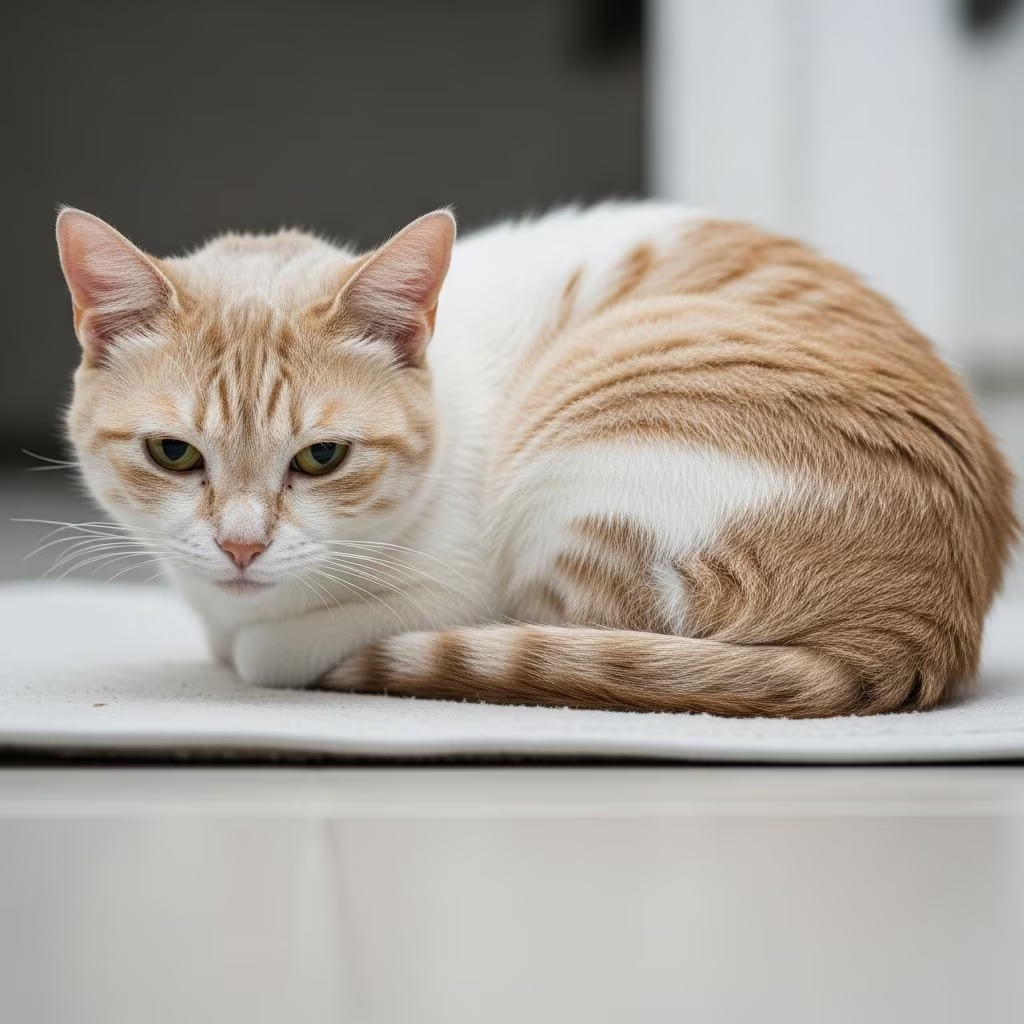
Understanding Bowel Incontinence in Cats
Bowel incontinence, also known as fecal incontinence, is a condition in which cats lose the ability to control their bowel movements. This results in the involuntary passage of feces, which can occur while the cat is walking, sleeping, or simply going about their daily activities. Unlike occasional accidents that may happen due to stress or dietary changes, true bowel incontinence represents a loss of sphincter control or an inability to properly store fecal material in the colon. This condition can be distressing for both the cat and the owner, as it may lead to soiling of the cat’s fur, bedding, and living spaces.
Bowel incontinence is different from inappropriate defecation, where a cat deliberately chooses to eliminate outside the litter box. In cases of true incontinence, the cat has no control over when or where elimination occurs. Understanding the difference is crucial for determining the appropriate treatment approach and managing the condition effectively.
Types of Bowel Incontinence
Veterinarians classify bowel incontinence into two main categories based on the underlying mechanism of the condition. Recognizing which type your cat has is essential for determining the most effective treatment plan.
Reservoir Incontinence
Reservoir incontinence occurs when the colon loses its ability to properly store fecal material. In this type, the bowel cannot hold stool effectively, leading to frequent, uncontrolled elimination. This typically results from conditions that affect the colon’s storage capacity or function, such as diarrhea, inflammatory bowel disease, or other gastrointestinal disorders. Cats with reservoir incontinence may experience sudden urges to defecate that they cannot control.
Sphincter Incontinence
Sphincter incontinence develops when there is damage to the anal sphincter muscle or the nerves that control it. This type of incontinence means the muscular valve that normally keeps stool contained is either weakened or unable to function properly. The result is involuntary leakage of feces, often occurring without warning. Sphincter incontinence is commonly caused by neurological problems or direct injury to the sphincter region.
Causes of Bowel Incontinence in Cats
Bowel incontinence in cats can stem from various underlying medical conditions. Understanding these causes is the first step toward effective treatment and management.
Gastrointestinal Disorders
Gastrointestinal issues are among the most common causes of bowel incontinence in cats. Diarrhea, which can result from dietary changes, food intolerances, parasites, or infections, often leads to incontinence because the cat cannot control rapid bowel movements. Inflammatory Bowel Disease (IBD) is particularly prevalent in middle-aged and older cats and frequently causes fecal incontinence due to chronic inflammation of the intestinal lining.
Gastrointestinal cancers, such as lymphoma, can mimic IBD and cause similar symptoms including diarrhea and loss of bowel control. Additionally, prolonged constipation or megacolon (abnormal expansion of the colon) can lead to nerve damage and subsequent incontinence.
Neurological Problems
Nerve damage affecting the sphincter or the spinal cord is a significant cause of bowel incontinence. This damage may occur due to trauma, injury, or surgical procedures that impact nerve function. Spinal cord compression from conditions such as intervertebral disc disease or lumbosacral stenosis can disrupt the nerves needed for bowel control. Some cats may develop incontinence following accidents or procedures affecting the tail and associated nerve pathways.
Manx syndrome, a congenital condition in Manx cats, involves a deformation of the spinal column with missing or damaged nerves that can affect bowel and bladder control. Lower motor neuron disease may also contribute to fecal incontinence, though treatment options for this condition are typically limited.
Anal Sphincter Damage
Direct damage to the anal sphincter, including lesions, wounds, or masses, can prevent the sphincter from closing properly, resulting in stool leakage. Additionally, nerve damage associated with sphincter lesions may affect the muscle’s ability to function correctly. This type of damage may result from trauma, infection, or tumor growth in the anal region.
Age-Related Changes
As cats age, the muscles controlling bowel movements naturally weaken. This age-related deterioration can result in loss of bowel control, even in cats without other underlying medical conditions. Older cats may also develop cognitive dysfunction or dementia, leading to awareness loss of their surroundings and their own behavior.
Other Contributing Factors
Obesity can exacerbate certain conditions, such as diabetes and arthritis, which may aggravate incontinence. Previous trauma to the spinal column due to accidents or birth defects can also predispose cats to bowel incontinence throughout their lives.
Recognizing Signs and Symptoms
Early recognition of bowel incontinence symptoms is important for prompt veterinary intervention. Watch for these key indicators that your cat may be experiencing fecal incontinence:
- Involuntary release of stool while walking, sleeping, or at rest
- Soiled fur around the hindquarters and anal region
- Frequent grooming of the anal area, often excessive
- Visible irritation, redness, or sores around the anus
- Changes in litter box behavior, such as inability to use the box normally
- Strong odor from stool remaining on the fur or skin
- Feces found in unusual locations around the home
- Signs of pain or discomfort during or after defecation
Diagnostic Process
Determining the underlying cause of bowel incontinence requires a thorough diagnostic approach. Your veterinarian will begin with a comprehensive physical examination and may recommend several diagnostic tests to identify the specific cause of your cat’s condition.
Physical Examination and Medical History
The veterinarian will perform a detailed physical examination, paying special attention to the anal region and overall body condition. They will also ask about your cat’s medical history, diet, recent changes, and the timeline of incontinence symptoms.
Laboratory Tests
Diagnostic tests may include:
- Blood work to check for systemic diseases, infections, and organ function
- Fecal analysis to identify parasites, bacteria, or other abnormalities
- Urinalysis to evaluate urinary tract involvement
Imaging Studies
Imaging techniques such as X-rays or ultrasound may be recommended to visualize the intestinal tract, colon, and surrounding structures. These studies can reveal abnormalities such as megacolon, obstructions, or mass lesions.
Neurological Evaluation
If nerve damage is suspected, your veterinarian may perform a neurological evaluation to assess the function of the nerves controlling the anal sphincter and bowel movements. More advanced imaging such as MRI or CT scans may be necessary in some cases to evaluate spinal cord integrity.
Additional Diagnostic Procedures
Endoscopy may be performed in certain cases to visualize the colon and collect tissue samples if inflammatory bowel disease or cancer is suspected.
Treatment Approaches
Treatment for bowel incontinence varies greatly depending on the underlying cause and the type of incontinence present. There is no medication that specifically addresses bowel incontinence itself; instead, the underlying cause must be identified and addressed.
Treatment for Reservoir Incontinence
In cats with reservoir incontinence, treatment focuses on diagnosing and treating the underlying bowel disease. Anti-diarrheal and anti-inflammatory medications may be used, either as sole therapy or in combination with other, more specialized treatments. Specific approaches include:
- Medications for infection or inflammation
- Anti-diarrheal agents to slow intestinal motility
- Dietary modifications tailored to the specific condition
- Probiotics and digestive supplements to support gastrointestinal health
- Treatment of underlying conditions such as IBD, cancer, or parasites
Treatment for Sphincter Incontinence
Sphincter incontinence caused by nerve lesions may be challenging to treat. In some cases, surgery may be recommended to address a herniated disc or other neurologic lesion causing nerve compression. However, in many cases of lower motor neuron disease, there is unfortunately no effective treatment despite appropriate dietary, medical, and surgical interventions.
When no definitive treatment exists, management becomes the focus. Feeding a low-fiber diet may decrease the quantity of feces produced, making elimination easier for the cat and cleanup simpler for the owner. Conversely, a high-fiber diet may be recommended in some cases to make cleaning up the stool easier. Confining your cat to an area of the home that is easy to clean can help minimize stress on the family associated with fecal incontinence.
Dietary Management
Diet plays a crucial role in managing bowel incontinence. Depending on the underlying cause, your veterinarian may recommend:
- Special prescription diets designed for gastrointestinal issues
- Low-fiber diets to decrease bowel movement frequency
- High-fiber diets to firm up or soften stools as needed
- Diets for cats with specific conditions such as IBD, diabetes, or kidney disease
Medications and Supplements
Common medications used to manage bowel incontinence include:
- Antibiotics for urinary or gastrointestinal infections
- Anti-inflammatory drugs for arthritis or inflammatory conditions
- Stool softeners for chronic constipation
- Opiate intestinal motility-modifying drugs that increase bowel segmental contraction
- Probiotics and digestive enzymes to support healthy digestion
Surgical Intervention
Surgery may be necessary in certain cases, particularly when there is structural damage requiring correction or when spinal cord compression needs to be relieved. Bone fractures may need to be stabilized, and masses affecting the anal sphincter may require surgical removal.
Care and Management of Incontinent Cats
Caring for a cat with bowel incontinence requires patience, attention to hygiene, and environmental modifications. Incontinent cats might require help keeping themselves clean, especially around the hind end, because feces can remain on the fur and skin.
Hygiene and Skin Care
Regular bathing of the affected areas is necessary to prevent skin irritation and infection. Daily checking of the hindquarters for sores is essential, as incontinence can lead to pressure sores and dermatitis. When sores develop, they may require cleaning with a special antiseptic, application of ointments or creams, and bandaging.
Environmental Modifications
Confine your incontinent cat to areas of the home with easily cleanable flooring, such as tile or vinyl. Provide disposable bed pads or washable mats in sleeping and resting areas. Ensure litter boxes are easily accessible and consider using low-sided boxes to prevent accidents during entry or exit.
Monitoring and Follow-up
Regular veterinary follow-up appointments are essential to monitor your cat’s condition and adjust the treatment plan as needed. Keep detailed records of bowel movements, dietary changes, and any improvements or deterioration in symptoms.
Frequently Asked Questions
Q: What is the difference between bowel incontinence and inappropriate defecation?
A: Bowel incontinence is involuntary loss of fecal control where the cat has no awareness or ability to control elimination. Inappropriate defecation is when a cat deliberately chooses to eliminate outside the litter box due to behavioral or environmental factors.
Q: Can bowel incontinence in cats be cured?
A: This depends on the underlying cause. Some causes, such as treatable infections or dietary issues, may resolve with appropriate treatment. However, neurological causes or age-related changes may not be curable, requiring long-term management instead.
Q: Is bowel incontinence painful for cats?
A: Bowel incontinence itself is not inherently painful, but underlying conditions causing it may be. The associated skin irritation and sores that develop from prolonged contact with feces can cause discomfort.
Q: How long does it take to see improvement with treatment?
A: The timeline varies depending on the underlying cause and type of treatment. Some cats improve within weeks of starting treatment, while others with neurological causes may require months of management. Lower motor neuron incontinence from trauma may take many months to heal.
Q: What diet is best for a cat with bowel incontinence?
A: The best diet depends on the underlying cause. Your veterinarian may recommend prescription gastrointestinal diets, low-fiber or high-fiber options, or diets formulated for specific conditions like IBD or diabetes. Each case requires individualized dietary assessment.
Q: Can obesity contribute to bowel incontinence in cats?
A: Yes, obesity can exacerbate certain conditions that lead to incontinence, such as diabetes and arthritis. Maintaining a healthy weight is an important part of overall incontinence management.
References
- Cat Leaking Poop: Causes, Treatments, and When to Be Concerned — PetsCare. 2024. https://www.petscare.com/news/post/cat-leaking-poop-guide
- Incontinence in Cats: Causes, Signs & Treatment — Purina US. 2024. https://www.purina.com/articles/cat/health/symptoms/incontinence-in-cats
- Managing Cat Incontinence — Hartz. 2024. https://www.hartz.com/managing-cat-incontinence/
- Bowel Incontinence in Cats — VCA Animal Hospitals. 2024. https://vcahospitals.com/know-your-pet/bowel-incontinence-in-cats
- Fecal Incontinence in Cats — PetMD. 2024. https://www.petmd.com/cat/conditions/digestive/fecal-incontinence-cats
- Caring for an Incontinent Cat — Best Friends Animal Society. 2024. https://bestfriends.org/pet-care-resources/caring-incontinent-cat
- Fecal Incontinence in Cats — Catwatch Newsletter. 2024. https://www.catwatchnewsletter.com/health/fecal-incontinence-in-cats/



