
Bovine Tuberculosis In Cattle: Key Signs, Tests, And Prevention
Comprehensive guide to understanding, diagnosing, and controlling bovine TB in cattle herds for optimal animal health and food safety.
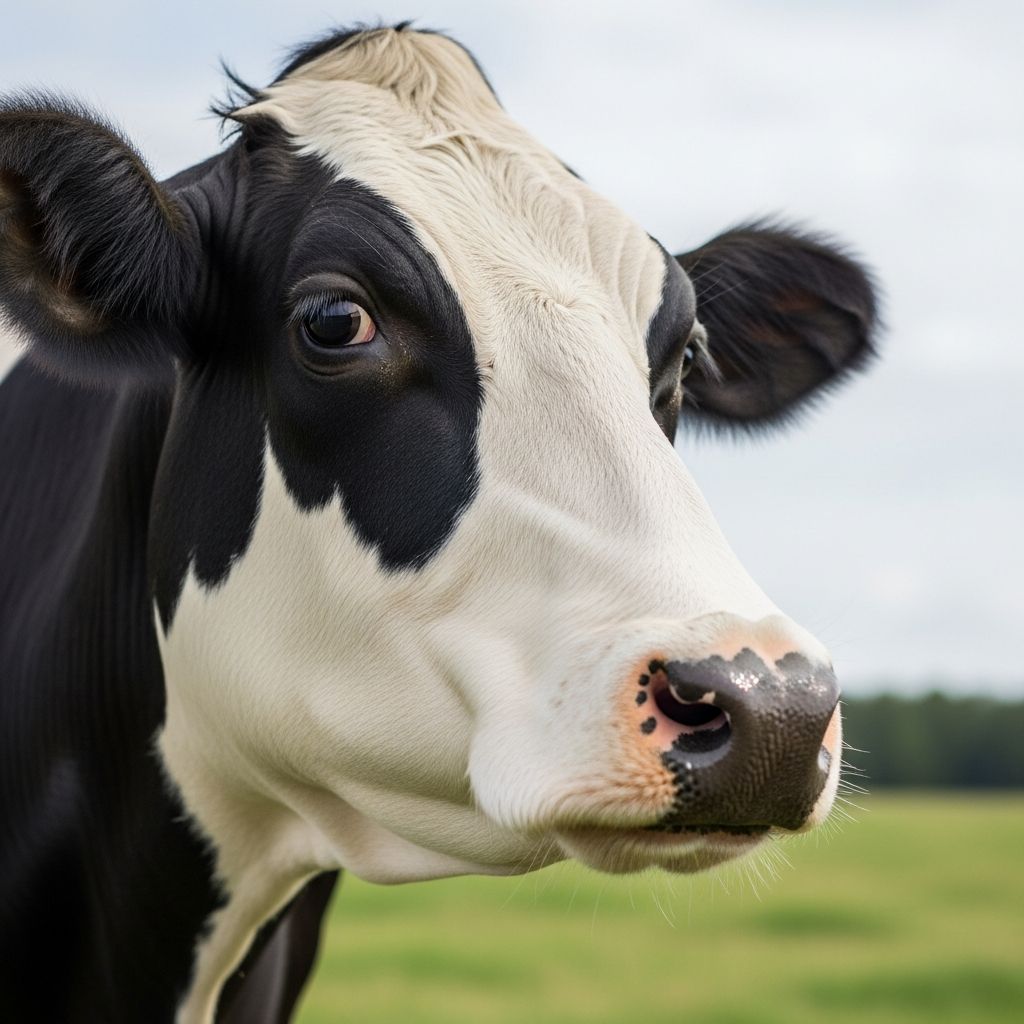
Bovine tuberculosis (bTB), caused primarily by the bacterium Mycobacterium bovis, represents a significant challenge in cattle management. This chronic infectious disease affects herds globally, leading to economic losses through depopulation and trade restrictions while posing zoonotic risks to humans via unpasteurized milk or meat consumption.
The Nature of the Pathogen and Disease Progression
Mycobacterium bovis is a slow-growing, acid-fast bacterium resilient in the environment, capable of surviving in soil, water, and feces for extended periods. Infection typically begins asymptomatically, with bacteria inhaled or ingested, establishing residence in lymph nodes and lungs. Over months or years, the disease progresses to form granulomas—characteristic nodules of caseous necrosis surrounded by immune cells—in affected organs.
In early stages, cattle show no visible signs, allowing silent spread within herds. Advanced infection manifests as progressive debilitation, underscoring the insidious nature of bTB. Lesions often appear as white, tan, or yellow nodules in lungs, rib cages, or lymph nodes, detectable during slaughter inspection.
Recognizing Clinical Manifestations in Infected Herds
Clinical signs emerge late, complicating early intervention. Common indicators include:
- Emaciation: Gradual weight loss despite adequate nutrition, due to chronic inflammation and metabolic drain.
- Lethargy and weakness: Reduced activity, reluctance to move, signaling systemic exhaustion.
- Anorexia: Loss of appetite, exacerbating weight decline.
- Low-grade fever: Fluctuating temperature, often undetected without monitoring.
- Respiratory issues: Chronic moist cough, pneumonia, dyspnea, and nasal discharge from pulmonary involvement.
- Lymph node enlargement: Swollen nodes, sometimes rupturing to drain pus, particularly in head and neck regions.
These symptoms mimic other conditions like Johne’s disease or lungworms, necessitating confirmatory testing. In wildlife reservoirs like deer, similar signs such as draining abscesses highlight interspecies transmission risks.
| Stage | Key Signs | Common Sites Affected |
|---|---|---|
| Early/Subclinical | None visible; latent infection | Local lymph nodes |
| Advanced | Emaciation, cough, fever, enlarged nodes | Lungs, liver, spleen, intestines |
Not all infected animals exhibit lesions; studies show variability, with only 64% of deer cases visible to hunters. In cattle, subclinical carriers drive herd prevalence.
Pathways of Transmission and Risk Factors
bTB spreads primarily through aerosol droplets from coughing infected animals, especially in confined spaces. Oral transmission occurs via contaminated feed, water, or milk from lactating cows. Wildlife like badgers, deer, and coyotes act as reservoirs, introducing infection through shared pastures or scavenging.
Key risk factors include:
- High-density housing promoting close contact.
- Introduction of infected purchases without quarantine.
- Shared environments with wildlife.
- Failure to pasteurize milk, risking calf exposure.
Human cases, though rare in developed nations, arise from consuming raw dairy or occupational exposure, with symptoms mirroring human TB: cough, fever, night sweats, and weight loss.
Diagnostic Approaches: From Field Tests to Laboratory Confirmation
The cornerstone of bTB detection is the intradermal tuberculin skin test, injecting purified protein derivative (PPD) from M. bovis into the caudal fold or neck. A positive response—increased skin thickness >4mm, edema, or necrosis—indicates exposure after 72 hours. Comparative tests using bovine and avian PPD differentiate M. bovis from environmental mycobacteria.
Interpretation criteria:
- Negative: <2mm increase, no clinical signs.
- Inconclusive: 2-4mm increase.
- Positive: >4mm or visible changes.
Slaughter surveillance complements live testing: inspectors identify granulomas, sending samples to labs for culture, histopathology, or PCR. Acid-fast staining reveals rods, while culture confirms M. bovis via biochemical or molecular methods.
Advanced tools like interferon-gamma assays or PCR on buffy coat enhance sensitivity in high-risk herds, though not universally standard.
Management and Eradication Strategies
Control hinges on test-and-slaughter: positives are depopulated, herds quarantined until three consecutive negative tests. USDA and state programs monitor via slaughter checks and accredited vet testing.
Prevention measures:
- Biosecurity: Fence wildlife, quarantine newcomers, avoid raw milk feeding.
- Vaccination: BCG trials show promise but interfere with testing; not routine.
- Surveillance: Mandatory reporting and zonal management in endemic areas.
In the U.S., Michigan’s deer-cattle interface exemplifies integrated wildlife-livestock strategies, reducing prevalence.
Zoonotic Implications and Public Health Measures
M. bovis causes 1-2% of human TB cases globally, treatable with standard regimens but resistant to some drugs. Pasteurization eliminates risks in milk; cooking meat suffices for safety. High-risk groups include veterinarians and unpasteurized dairy consumers.
Global Perspectives and Future Directions
WOAH standards guide international trade, requiring TB-free status. Challenges persist in developing regions with wildlife reservoirs. Research into oral vaccines and improved diagnostics promises better control.
Frequently Asked Questions (FAQs)
What should I do if I suspect bTB in my herd?
Isolate suspects, contact a veterinarian for tuberculin testing, and notify authorities.
Can cattle recover from bTB?
No, it’s progressive; infected animals are culled to prevent spread.
Is bTB contagious to humans?
Yes, via unpasteurized products or aerosols; pasteurize milk and cook meat.
How effective is the skin test?
Highly specific but misses early infections; repeat testing advised.
Does wildlife pose a major risk?
Yes, badgers and deer maintain cycles; implement barriers.
References
- Questions and Answers: Bovine Tuberculosis — Indiana Board of Animal Health. 2014-03. https://www.in.gov/boah/files/faq_bovine_tb_March_2014.pdf
- Overview of Tuberculosis in Animals — Merck Veterinary Manual. n.d. https://www.merckvetmanual.com/generalized-conditions/overview-of-tuberculosis-in-animals/overview-of-tuberculosis-in-animals
- Bovine Tuberculosis — Pennsylvania Game Commission. n.d. https://www.pa.gov/agencies/pgc/wildlife/wildlife-health/wildlife-diseases/bovine-tuberculosis
- Bovine Tuberculosis in Wild White-tailed Deer — Purdue University. n.d. https://www.purdue.edu/fnr/extension/bovine-tb/
- Bovine tuberculosis — World Organisation for Animal Health (WOAH). 2021-03. https://www.woah.org/app/uploads/2021/03/3-04-06-bovine-tb.pdf
- About Bovine Tuberculosis in Humans — Centers for Disease Control and Prevention (CDC). n.d. https://www.cdc.gov/tb/about/m-bovis.html
- Bovine Tuberculosis — Iowa State University Center for Food Security & Public Health. n.d. https://www.cfsph.iastate.edu/thelivestockproject/bovine-tuberculosis/
- Bovine Tuberculosis — Massachusetts Department of Agricultural Resources. n.d. https://www.mass.gov/info-details/bovine-tuberculosis
- NVAP Reference Guide: Tuberculosis — USDA APHIS. n.d. https://www.aphis.usda.gov/nvap/reference-guide/control-eradication/tuberculosis
Similar Articles








Read full bio of Sneha Tete


