

Understanding the Condition
Bovine spastic paresis represents a significant neuromuscular disorder affecting cattle worldwide, characterized by progressive muscle contracture and functional impairment of the hindlimbs. This condition manifests as an insidious onset of muscular rigidity and overextension of affected joints, ultimately compromising the animal’s mobility and overall quality of life. The disorder results from involuntary muscle contraction affecting various muscle groups, with the gastrocnemius muscle being the most commonly involved structure, though presentations involving the quadriceps femoris and mixed muscle groups have become increasingly recognized in recent decades.
The disease carries substantial economic implications for cattle producers, as affected animals experience pain, reduced productivity, and potential transmission of the condition to offspring through genetic mechanisms. Understanding the clinical presentation, diagnostic considerations, and available management strategies is essential for veterinary practitioners managing affected herds.
Etiological Factors and Pathophysiological Mechanisms
Despite extensive investigation spanning several decades, the precise etiology of bovine spastic paresis remains incompletely understood. Current evidence suggests a multifactorial neuromuscular pathophysiology rather than a single causative agent. The disease appears to involve dysregulation of the spinal reflex arc, with abnormal stretch reflexes within affected muscles contributing to uncontrolled contracture. Some evidence indicates potential involvement of central nervous system dysregulation, though definitive mechanisms have not been conclusively established.
The condition exhibits both sporadic occurrence and hereditary patterns, with a genetic predisposition implicated in specific breeds. Speculation regarding nutritional factors, including manganese deficiency and mycotoxin contamination, has emerged in veterinary literature, though the supporting evidence remains limited and inconsistent. The progressive nature of the disease suggests an ongoing pathological process rather than a static structural abnormality.
Clinical Presentations and Disease Progression
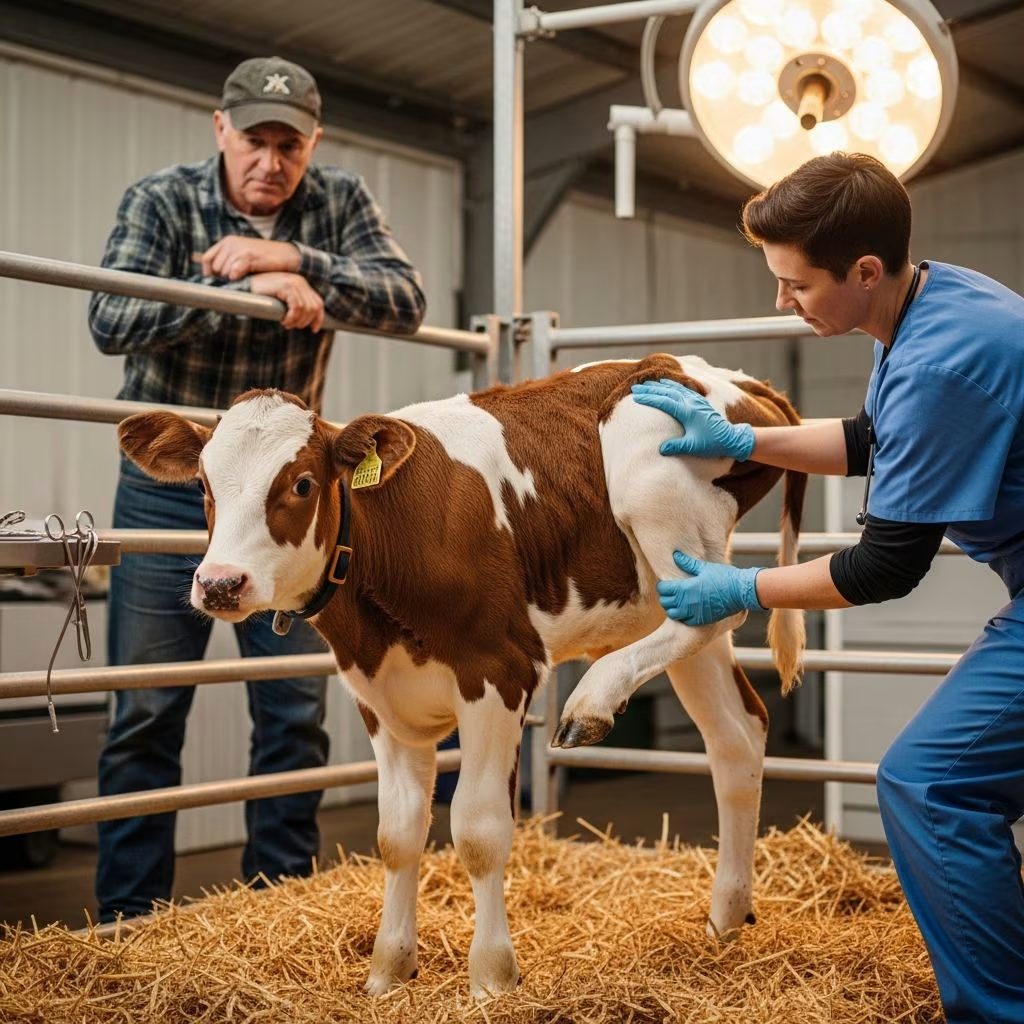
The clinical manifestation of bovine spastic paresis follows a characteristic progression from subtle initial signs to severe functional impairment. Early presentation typically involves apparent stiffness of the affected hindlimb during walking, with intermittent jerking movements noted during locomotion. As the disease advances, animals develop progressive hindlimb rigidity characterized by elevation of the heel bulb from the ground surface. In advanced stages, the affected limb becomes held in caudal extension with the foot positioned above the ground, dramatically restricting normal movement.
Most affected cattle present unilateral manifestation, though bilateral involvement may occur as the condition progresses. The disease causes significant pain, leading to observable deterioration in body condition and general health status. Animals may exhibit difficulty standing, reluctance to move, and behavioral changes associated with chronic pain.
Muscle Group Involvement Patterns
Classification of bovine spastic paresis depends on which muscle groups undergo contracture. The gastrocnemius muscle represents the classical form, causing hyperextension of the hock joint through shortening of the calcaneal tendon. Alternatively, involvement of the quadriceps femoris muscle results in stifle joint overextension with different functional consequences. Mixed presentations involving multiple muscle groups and occasionally other muscular structures have become increasingly documented, complicating diagnosis and treatment selection.
Age of Onset and Breed Susceptibility
Bovine spastic paresis typically manifests during early life, with most cases appearing between three and six months of age. However, a late-onset variant has been documented in animals between two and six years of age, suggesting heterogeneous disease mechanisms or variable genetic penetrance. This age variation has important implications for breeding decisions and herd management strategies.
Certain cattle breeds demonstrate substantially increased predisposition to developing the condition. Friesian, Aberdeen Angus, Belgian Blue, and Romagnola breeds show elevated prevalence rates. The disease occurs sporadically across cattle populations with reported prevalence ranging from 0.1 to 0.9 percent in affected breeds. Animals exhibiting post-legged conformation appear more susceptible to developing the condition, suggesting possible structural or biomechanical factors contributing to disease expression.
Diagnostic Approaches and Clinical Examination
Diagnosis of bovine spastic paresis primarily relies on careful clinical observation and physical examination findings rather than specialized diagnostic testing. Veterinary practitioners should evaluate gait characteristics, noting the distinctive hindlimb rigidity and abnormal joint positioning. Progressive lameness in young cattle with characteristic muscle contraction and altered limb positioning provides the foundation for clinical diagnosis.
The primary diagnostic challenge involves differentiating between spastic paresis affecting different muscle groups, as atypical presentations involving the quadriceps muscle or mixed muscle involvement present diagnostic difficulties and require different therapeutic approaches. Advanced diagnostic imaging or electrophysiological testing may provide supplementary information but do not constitute primary diagnostic methods.
Differential Diagnosis Considerations
Other conditions affecting cattle hindlimb function must be excluded when evaluating potential spastic paresis cases. Hip dysplasia, phalangeal joint disease, and other structural lameness conditions produce different clinical and radiographic findings. Nutritional myopathies and vitamin deficiency states may present with similar clinical signs but respond to nutritional intervention. Careful history and systematic physical examination help distinguish spastic paresis from alternative diagnoses.
Current Treatment Strategies and Surgical Options
No medical treatment has proven effective for managing bovine spastic paresis, necessitating surgical intervention for animals with severe clinical signs. Surgical procedures aim to relieve the muscle contracture preventing normal joint movement and limb function. The standard surgical approach involves tenotomy of the gastrocnemius muscle or tibial neurectomy, with these procedures demonstrating variable effectiveness depending on the specific muscle groups involved.
Surgical success rates in early-stage cases reach approximately seventy-five percent, suggesting better outcomes when intervention occurs before advanced contracture and secondary changes develop. However, atypical presentations involving the quadriceps muscle or mixed muscle involvement respond poorly to conventional surgical techniques, with limited efficacy in these forms of the disease.
Recent developments include modified surgical approaches that show promise for resolving the neuromuscular condition in cattle previously considered difficult to treat. These innovative techniques may expand treatment options for animals with atypical presentations, though long-term efficacy data remain limited.
Surgical Considerations and Post-operative Management
Surgical timing significantly influences therapeutic outcomes, with earlier intervention producing superior results compared to procedures performed after severe contracture develops. Appropriate analgesia and epidural anesthesia contribute to successful surgical management and post-operative recovery. Animals selected for surgical intervention require careful post-operative nursing care and gradual rehabilitation to achieve optimal functional recovery.
Prognosis and Long-term Outcomes
The overall prognosis for bovine spastic paresis remains guarded due to the progressive nature of the condition and variable treatment responses. Early diagnosis and prompt surgical intervention in appropriate cases offer the most favorable outcomes, with approximately seventy-five percent of early-stage animals experiencing successful resolution or significant functional improvement. However, advanced cases and animals with atypical muscle involvement demonstrate poorer prognosis and limited therapeutic response.
Some animals may experience symptom stabilization rather than complete resolution, particularly when diagnosed and treated at earlier disease stages. The chronic pain associated with the condition can result in permanent behavioral changes and reduced productivity even following successful surgical treatment.
Breeding Implications and Herd Management
The hereditary nature of bovine spastic paresis necessitates careful breeding decisions to prevent perpetuation of the condition within cattle populations. Animals diagnosed with spastic paresis should be excluded from breeding programs due to the substantial risk of genetic transmission to offspring. Affected breeding bulls warrant particular attention given their potential to transmit the condition to numerous daughters and subsequent generations.
Producers maintaining herds with elevated spastic paresis incidence should implement selective breeding strategies to reduce disease prevalence. Genetic testing and pedigree analysis, when available, can inform breeding decisions and herd management protocols. Implementing culling policies for affected animals protects long-term herd health and genetic integrity.
Economic and Management Impact
Bovine spastic paresis creates substantial economic burden through reduced productivity, cost of surgical treatment, and loss of breeding value in affected animals. The condition affects dairy and beef cattle operations, with higher prevalence in certain specialized breeds. Production losses accumulate as affected animals demonstrate reduced feed intake, weight gain, and milk production due to chronic pain and mobility restrictions.
Herd-level economic analysis should consider both direct treatment costs and indirect losses associated with decreased productivity and reproductive value. Preventive strategies through selective breeding and herd management represent the most cost-effective approach to disease control.
Emerging Research and Future Perspectives
Ongoing investigation continues to clarify the etiology and pathogenesis of bovine spastic paresis, with particular focus on genetic mechanisms underlying disease susceptibility. Research addressing atypical presentations involving quadriceps muscle involvement and mixed muscle groups represents an important area for future study, as these forms currently lack effective treatment options.
Development of diagnostic biomarkers or genetic screening methods could enable earlier identification of affected animals and at-risk individuals, facilitating more effective herd management and breeding decisions. Innovative surgical techniques and refined treatment approaches may expand therapeutic options for animals with previously intractable forms of the disease.
Frequently Asked Questions
At what age should producers monitor cattle for spastic paresis signs?
Most cattle develop clinical signs between three and six months of age, necessitating careful observation during this critical period. A late-onset variant can manifest between two and six years of age, so continued vigilance remains important throughout the animal’s productive lifespan.
Can affected cattle be treated medically without surgery?
Current evidence indicates no effective medical treatment for bovine spastic paresis. Surgical intervention remains the only viable approach for animals with significant clinical signs, though outcomes vary depending on disease stage and muscle groups involved.
What percentage of cattle with early spastic paresis achieve successful surgical outcomes?
Approximately seventy-five percent of animals diagnosed and treated at early disease stages experience successful outcomes or significant functional improvement with appropriate surgical intervention.
Should affected animals be culled or treated surgically?
The decision depends on individual animal value, disease stage, and intended use. Breeding animals should be culled due to genetic transmission risk. Production animals with early-stage disease and good prognosis may justify surgical intervention, while late-stage cases with poor surgical prognosis may warrant culling.
References
- Bovine spastic paresis: current knowledge and scientific voids — PLOS ONE. 2014-09-11. https://pubmed.ncbi.nlm.nih.gov/25201252/
- Modified surgery resolves cattle neuromuscular condition — University of Edinburgh, School of Veterinary Medicine. 2023. https://vet.ed.ac.uk/news-events/2023-news/modified-surgery-resolves-cattle-neuromuscular-con



