
Bovine Sinusitis: 3 Essential Treatments For Cattle
Comprehensive guide to understanding, diagnosing, and treating sinus infections in cattle for optimal herd health.
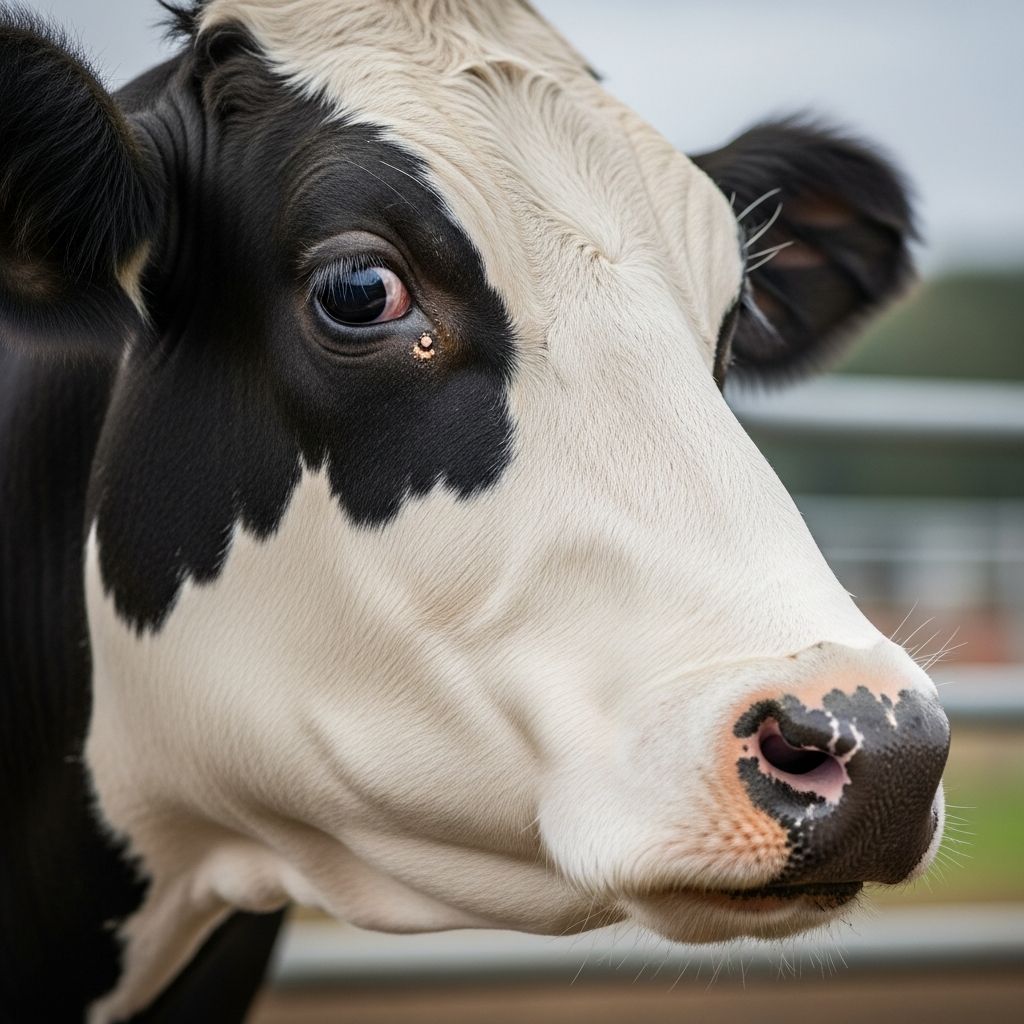
Sinusitis in cattle primarily affects the frontal sinuses and often stems from procedural complications or infections, leading to significant health challenges if not addressed promptly. Effective management combines surgical intervention, antimicrobial therapy, and preventive measures to restore animal health and prevent economic losses in dairy and beef operations.
Understanding the Anatomy of Cattle Sinuses
Cattle possess a complex paranasal sinus system, with the frontal sinuses being the largest and most prone to pathology. These air-filled cavities extend from the frontal bone over the eyes and connect to the nasal passages via narrow openings. The compartmentalized nature of the bovine frontal sinus, unlike simpler structures in other species, complicates infection clearance and treatment. Blockages or introductions of pathogens during procedures like dehorning can trap debris, fostering bacterial growth in this warm, nutrient-rich environment.
The sinuses’ proximity to the brain and eyes heightens risks, as untreated infections may extend into the central nervous system (CNS) or cause orbital issues. Knowing this anatomy guides precise diagnostic imaging and surgical access points, ensuring interventions target affected compartments effectively.
Primary Causes and Risk Factors
The leading trigger for bovine sinusitis is iatrogenic, arising from dehorning or disbudding where the sinus is inadvertently breached. Studies report up to 67% of chronic cases link to such procedures, allowing bacteria entry into the sterile sinus space. Common pathogens include Actinomyces pyogenes (now Trueperella pyogenes) and Pasteurella multocida, thriving in the post-procedural compromised site.
- Dehorning-related risks: Young age at procedure, poor sterility, or excessive trauma increase infection odds.
- Environmental contributors: Dust, flies, and moisture post-dehorning promote secondary contamination.
- Other origins: Extension from respiratory diseases (25% of cases), trauma, or hematogenous spread, though less frequent.
Acute phases follow immediately after breaches, while chronic forms may emerge months later with intermittent signs, delaying recognition.
Recognizing Clinical Manifestations
Early detection hinges on observing subtle to severe symptoms. Acute sinusitis presents with fever, reduced appetite, lethargy, and purulent nasal discharge from one nostril, often with halitosis. As it progresses, facial asymmetry, frontal bone swelling, exophthalmos (protruding eye), and abnormal head posture emerge.
| Stage | Key Signs | Implications |
|---|---|---|
| Acute | Fever, anorexia, unilateral nasal pus, lethargy | Initial inflammation; responsive if treated early |
| Chronic | Bone distortion, exophthalmos, neurological deficits | CNS risk; poorer prognosis |
| Advanced | Head tilt, circling, corneal ulcers | Requires imaging; surgical urgency |
Neurologic signs like ataxia signal dangerous CNS extension, warranting immediate action. In dairy herds, affected cows drop milk production, compounding losses.
Diagnostic Approaches for Confirmation
History of recent dehorning combined with clinical signs often suffices for presumptive diagnosis, but confirmation demands imaging. Radiographs reveal fluid lines in sinuses, while CT scans delineate compartment involvement, bone sequestra, and extension—crucial for surgical planning.
- Physical exam: Palpate frontal area for heat/swelling; assess nasal airflow.
- Culture/sensitivity: Aspirate pus for bacterial identification, guiding antibiotics.
- Advanced imaging: CT preferred for chronic cases to map trephination sites.
Endoscopy checks nasal involvement, though less emphasized in cattle versus equines. Differential diagnoses include abscesses, tumors, or pneumonia, underscoring multimodal evaluation.
Comprehensive Treatment Protocols
Success demands a triadic approach: drainage, lavage, and pharmacotherapy. Systemic antibiotics alone fail due to poor pus penetration; mechanical debridement is essential.
Surgical Interventions
Trephination creates drainage portals. Sites are selected anteriorly at the turbinate level and posteriorly, using a 2-cm Galt trephine under aseptic conditions and local anesthesia (lidocaine nerve block). A drain prevents closure, followed by daily lavage with antiseptics like potassium permanganate.
- Prep: Restrain, clip, aseptic scrub.
- Procedure: Trephine bone, evacuate pus, insert drain.
- Post-op: Lavage every 1-2 days until clear.
Chronic cases may need multiple sites due to compartmentalization.
Pharmacological Support
Initiate broad-spectrum antibiotics (e.g., penicillin for Trueperella) pending cultures, combined with NSAIDs (flunixin, meloxicam) for pain, fever, and inflammation. Multimodal analgesia enhances welfare and appetite recovery.
Prognosis and Outcome Factors
Eight of 12 chronic cases responded to trephination, drainage, and meds, but CNS involvement doomed 4. Prognosis is fair to good if addressed before extension; thorough initial surgery correlates with success. Recovered cattle return to production, though monitoring prevents relapse.
Prevention Strategies for Herd Health
Avoiding breaches is paramount. Use polled genetics to eliminate dehorning needs. For unavoidable procedures:
- Perform early (under 1 month), cleanly, with pain control.
- Pack sites with gauze; minimize dust/flies.
- Monitor post-op for discharge/fever.
Vaccination against respiratory pathogens and biosecure housing reduce extensions.
Case Studies and Real-World Insights
In a 12-case series (1978-1989), dehorning-linked sinusitis showed delayed signs, with responders to dual trephination. A yearling steer responded to trephination and BIPP paste packing. Mississippi State reports emphasize environmental control post-dehorning.
Video analyses highlight acute pus drainage and staged progression, reinforcing surgical necessity.
Frequently Asked Questions (FAQs)
What is the most common cause of sinusitis in cattle?
Dehorning complications, breaching the sinus in 67% of chronic cases.
Can antibiotics cure sinusitis without surgery?
Rarely; poor penetration into walled-off pus necessitates drainage.
How do I know if it’s sinusitis versus pneumonia?
Unilateral nasal discharge, facial swelling, and dehorning history point to sinusitis; imaging confirms.
Is trephination safe for cattle?
Yes, when aseptically performed at precise sites; drains ensure efficacy.
Can polled breeding prevent this?
Absolutely, eliminating dehorning removes iatrogenic risk entirely.
Long-Term Management and Monitoring
Post-treatment, weekly checks for discharge or fever guide extended antibiotics. Nutritional support aids recovery. In herds, isolate cases to curb spread. Economic analysis shows treatment ROI via retained productivity, versus cull costs.
Research gaps include antibiotic resistance patterns; ongoing studies refine protocols. Vets should collaborate with producers for tailored prevention.
References
- Chronic frontal sinusitis in dairy cattle: 12 cases (1978-1989) — PubMed/NCBI. 1992. https://pubmed.ncbi.nlm.nih.gov/1500335/
- EP 26: Sinusitis in Cattle | Causes, Symptoms & Treatment Explained — YouTube (Veterinary Educational Video). 2023 (approx., recent upload). https://www.youtube.com/watch?v=WLZzP5B0Bao
- Holy Cow! It’s all in your head! A Case Report of Frontal Sinusitis — Mississippi State University College of Veterinary Medicine. 2019-05-24. https://www.vetmed.msstate.edu/sites/www.vetmed.msstate.edu/files/presentations/5.24.19%20Holy%20Cow!%20It%E2%80%99s%20all%20in%20your%20head!(Jalin%20Myrick).pdf
- Paranasal sinus disease – Large Animal Surgery — University of Minnesota Large Animal Surgery Textbook (.edu). Accessed 2023. https://open.lib.umn.edu/largeanimalsurgery/chapter/paranasal-sinus-disease/
- Sinusitis in a Yearling Shorthorn Steer — Iowa State University Digital Repository (.edu). Undated (archival case). https://dr.lib.iastate.edu/bitstreams/1e88db24-acc5-465b-9db6-97b49d0ccbf7/download
- Sinus trephination and horn problems — The Bovine Practitioner (Texas A&M .edu repository). Undated (procedural guide). https://bovine-ojs-tamu.tdl.org/aabp/article/view/8615/8372
Similar Articles








Read full bio of medha deb


