

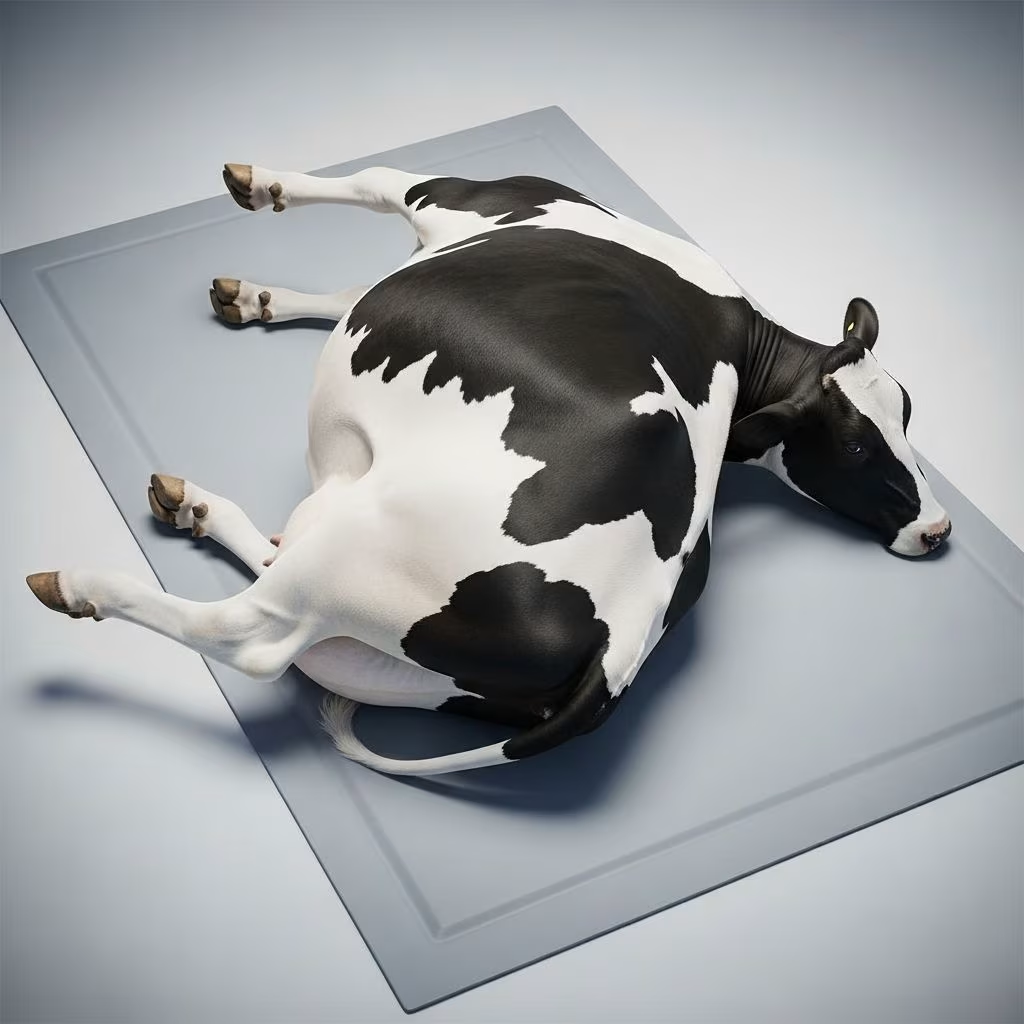
Bovine secondary recumbency, widely recognized as downer cow syndrome, describes a critical condition where a cow remains unable to stand for over 24 hours following an initial episode of recumbency. This syndrome arises from diverse primary issues that evolve into severe secondary damage, primarily affecting muscles and nerves in the hindquarters due to prolonged pressure.
Defining the Condition and Its Impact
This disorder is not a standalone disease but a complex outcome of unresolved primary problems compounded by the cow’s inability to rise. Pressure from the animal’s weight leads to ischemic necrosis in thigh muscles and nerve compression, impairing hindlimb function. Affected cows may appear alert and continue eating, or they might show depression and systemic illness, complicating farm management and economic losses in dairy operations.
In dairy herds, it peaks during periparturient periods when cows are vulnerable to metabolic shifts. Early intervention is vital as tissue damage can onset within 6 hours, turning a recoverable case into a permanent downer.
Primary Triggers Leading to Recumbency
The pathway to secondary recumbency begins with primary causes grouped into metabolic, inflammatory, neurological, and traumatic categories. Identifying these swiftly is key to halting progression.
Metabolic Imbalances
Metabolic disorders disrupt electrolyte and energy balance, causing weakness. Common culprits include:
- Hypocalcemia (milk fever): Rapid calcium drain post-calving leads to muscle tremors and collapse.
- Hypomagnesemia (grass tetany): Low magnesium from lush pastures triggers convulsions and recumbency.
- Ketosis: Negative energy balance in early lactation causes fatty liver and lethargy.
- Hypokalemia and hypophosphatemia: Potassium or phosphorus deficits impair nerve signaling.
These often respond to initial therapy but persist if minerals like calcium fail to normalize.
Inflammatory Conditions
Infections provoke systemic inflammation and toxemia. Acute septic metritis post-calving or mastitis floods the body with toxins, while peritonitis from uterine rupture or hardware disease adds abdominal pain and shock.
Neurological Impairments
Nerve damage from calving trauma affects obturator, sciatic, or femoral nerves, paralyzing hind legs. This ‘calving paralysis’ stems from L5/L6 nerve root compression.
Traumatic Injuries
Physical damage like hip dislocation, femur fractures, or tendon ruptures from slips frequently initiates recumbency. Struggling exacerbates tears in muscles or ligaments.
Recognizing Clinical Signs
Symptoms evolve as primary issues unmet lead to secondary pathology. Key indicators include:
- Inability to rise, with front legs shuffling (‘commando crawl’).
- Sternal or lateral recumbency causing pressure sores (decubitus ulcers) and necrosis.
- Muscle atrophy, swelling, or cool extremities in hindquarters.
- Depression, inappetence, or rumen stasis in severe cases.
Blood tests reveal elevated creatine kinase (CK), aspartate aminotransferase (AST), and lactate dehydrogenase (LDH), signaling muscle injury. Acute spikes indicate trauma; sustained levels suggest compression.
| Symptom | Primary Cause Indicator | Secondary Complication |
|---|---|---|
| Shuffling gait | Nerve paralysis | Muscle necrosis |
| Pressure ulcers | Prolonged lying | Infection risk |
| Elevated enzymes | Trauma | Ongoing damage |
| Depression | Metabolic/toxin | Ketosis |
Diagnostic Approaches
Veterinary assessment starts with history: recent calving, diet changes, or slips? Physical exams check for fractures via palpation, nerve function by reflexes, and hydration status. Bloodwork monitors minerals (Ca, Mg, K, P) and enzymes. Ultrasound detects soft tissue damage; radiographs confirm bones if needed.
Differentiate alert (bright-eyed, eating) from non-alert (depressed) cows for prognosis—alert ones fare better with support.
Management and Treatment Strategies
Treatment targets the root cause while preventing secondary harm. Euthanasia is advised for poor-prognosis cases like fractures to avoid suffering.
Supportive Nursing Care
- Roll to sternal recumbency; prop shoulders to prevent bloat.
- Provide deep bedding, frequent repositioning every 2-4 hours.
- Offer water, palatable feed at head height; drench electrolytes if needed.
Medical Interventions
Administer IV calcium, magnesium, potassium, phosphorus based on bloods. NSAIDs reduce pain/inflammation. Daily assisted standing attempts using slings or hip clamps, avoiding nerve damage.
For severe cases, flotation tanks buoy the cow, easing weight off limbs.
Addressing Secondary Damage
Monitor for mastitis, pneumonia from aspiration. Antibiotics if infection suspected; propylene glycol combats ketosis.
Prognosis Factors
Recovery hinges on recumbency duration (<24h best), cow alertness, muscle enzyme trends, and primary cause treatability. Alert cows with metabolic issues often rise in 48-72h; traumatic cases with necrosis rarely do.
Secondary damage defines ‘downer’ status—clinically significant when it sustains recumbency independently.
Prevention in Herds
Proactive measures cut incidence:
- Balanced rations: anion salts pre-calving prevent hypocalcemia; magnesium supplementation on grass.
- Non-slip flooring, well-bedded yards.
- Periparturient monitoring; early vet calls for at-risk cows.
- Blood screening for high-risk herds tracks CK/AST for early intervention.
Train staff on euthanasia protocols for humane outcomes.
Frequently Asked Questions (FAQs)
What is the difference between primary and secondary recumbency?
Primary is initial inability to rise from causes like trauma; secondary follows >24h untreated, with added muscle/nerve damage.
How long before a down cow becomes a downer?
Typically after 24 hours, when pressure necrosis sets in.
Can downer cows recover fully?
Yes, if addressed early; 50-70% of alert metabolic cases recover with care.
What minerals to check in blood?
Calcium, magnesium, potassium, phosphorus, plus muscle enzymes CK, AST, LDH.
Is downer cow syndrome fatal?
Not always, but untreated leads to euthanasia; prevention is key.
Key Takeaways for Farmers
– Act within hours: diagnose primary cause fast.
– Nursing prevents worsening: position, feed, medicate.
– Monitor herds periparturiently.
– Use data-driven decisions for best welfare and productivity.
References
- Downer Cow Syndrome – Causes, Symptoms & Treatment — Moocall. 2023. https://www.moocall.com/downer-cow-syndrome/
- Downer Cow Syndrome: Causes, Symptoms, and 4 Key Prevention — GLBiotech. 2024. https://www.glbiotech.com/blog/downer-cow-syndrome-causes-treatment
- Retrospective study: Investigating the downer cow syndrome — Texas A&M University Bovine. 2019. https://bovine-ojs-tamu.tdl.org/bovine/article/view/4278/4192
- Down Cow Syndrome — Evolution Farm Vets. 2023. https://www.evolutionfarmvets.co.uk/down-cow-syndrome
- Diagnosing and treating downer cattle (Proceedings) — dvm360. 2022. https://www.dvm360.com/view/diagnosing-and-treating-downer-cattle-proceedings-0



