

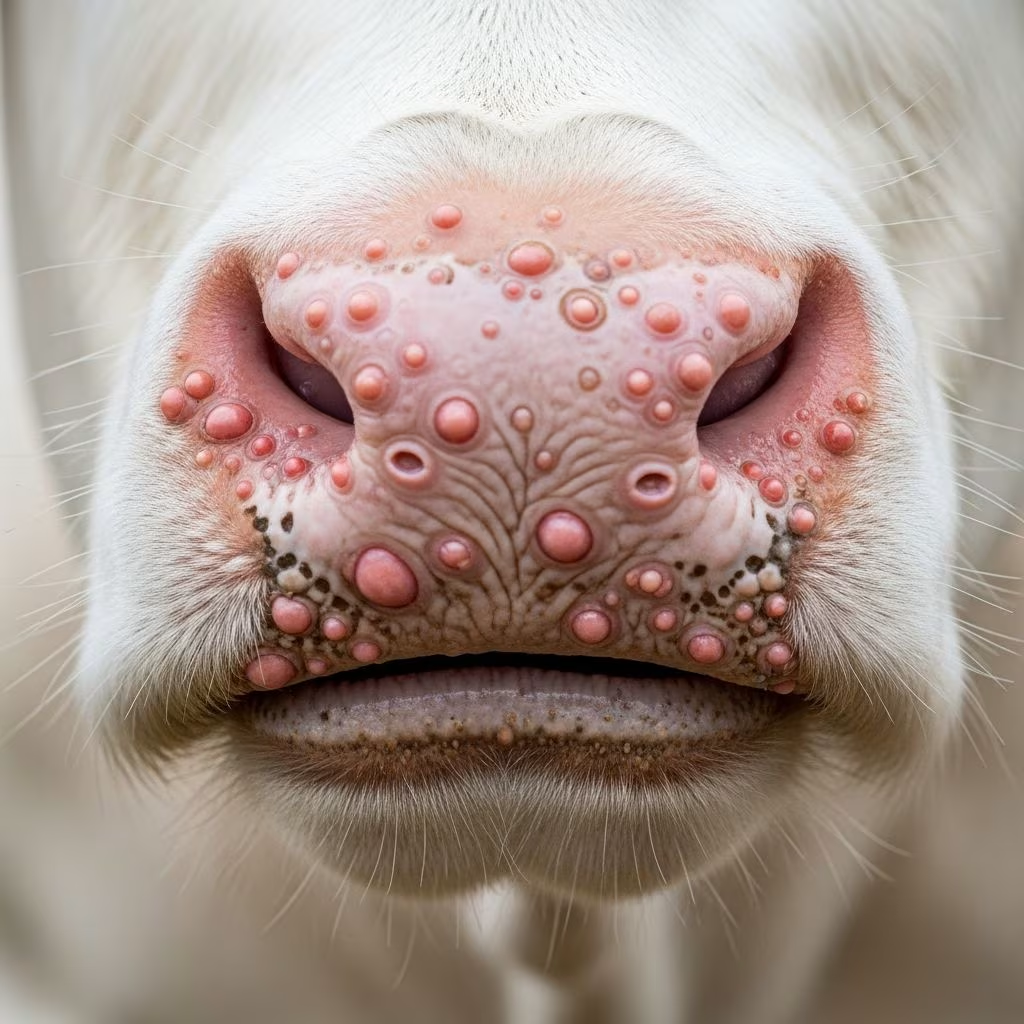
Bovine papular stomatitis (BPS) represents a widespread viral condition in cattle populations, primarily driven by the bovine papular stomatitis virus (BPSV), a member of the Parapoxvirus genus within the Poxviridae family. This disease manifests most frequently in young calves, leading to characteristic skin and mucosal lesions that, while typically self-limiting, can disrupt feeding and milk production in affected herds.
Understanding the Viral Agent Behind BPS
The causative agent, BPSV, shares genetic and antigenic similarities with other parapoxviruses such as those responsible for pseudocowpox and orf (contagious ecthyma). These viruses thrive in mucosal environments, entering through minor abrasions on the skin or oral tissues. BPSV’s structure includes a large double-stranded DNA genome, enabling it to encode proteins that evade host immune responses effectively. Phylogenetic studies of the B2L gene, which codes for a major envelope protein, reveal close relations among global BPSV strains, facilitating cross-regional spread via animal trade.
Transmission occurs primarily through direct contact between infected and susceptible animals, often amplified in crowded conditions like feedlots or dairy facilities. Contaminated feed troughs, milking equipment, and even aerosols from respiratory secretions contribute to outbreaks. Calves under two years, especially those aged 1-12 months, exhibit heightened susceptibility due to immature immune systems. Recent case reports from regions like Taiwan highlight sporadic outbreaks, with morbidity rates up to 85% in vulnerable groups and persistent viral shedding for over a month post-infection.
Clinical Manifestations and Disease Progression
In cattle, BPS typically presents with reddish, raised papules measuring 0.5-2 cm in diameter, clustered on the muzzle, lips, nostrils, gums, hard palate, and occasionally the tongue or esophagus. These lesions evolve from macules to papules, then erode into ulcers with scab formation over 2-4 weeks. Most cases remain mild, with transient signs like increased salivation, reduced appetite, and low-grade fever (up to 40°C). Severely affected calves, particularly neonates, may refuse feed due to pain, leading to dehydration and weight loss.
Atypical presentations include extensive skin involvement beyond the head, as documented in feedlot steers with perineal and inguinal nodules alongside systemic health. Secondary bacterial invasions, such as by E. coli or Bacillus species, can exacerbate lesions, causing purulent discharge. Post-mortem findings occasionally reveal nodules in forestomachs like the rumen or reticulum, indicating deeper dissemination in immunocompromised animals. Recurrence is common, with seroprevalence studies showing up to 53% reinfection rates over years, suggesting lifelong carrier states.
- Common lesion sites: Muzzle (lips/nostrils), oral mucosa (gums/palate), teats in lactating cows.
- Progression timeline: Papule formation (days 3-7), ulceration (week 1-2), scabbing/healing (weeks 3-4).
- High-risk groups: Dairy calves 2-4 months, stressed feedlot animals.
Zoonotic Potential and Human Health Risks
BPSV poses a notable zoonotic threat, particularly to dairy workers handling infected animals. Humans develop ‘milker’s nodes’—painful papules progressing to pustules and scabs on hands, forearms, or faces—following direct contact with lesions during milking. These resolve spontaneously in 4-6 weeks but can mimic more serious poxviruses. Case reports from outbreaks confirm transmission to handlers, underscoring the need for protective gear like gloves.
While human infections are self-limiting and rarely systemic, differentiation from orthopoxviruses (e.g., cowpox) is crucial. No human fatalities are linked to BPSV, but immunocompromised individuals warrant monitoring. Farmers and vets should prioritize hygiene to mitigate cross-species jumps.
Differential Diagnosis Challenges
Distinguishing BPS from other vesicular or papular diseases is paramount to avoid misattributing outbreaks to reportable pathogens. Key differentials include:
| Disease | Key Features | Distinguishing Tests |
|---|---|---|
| Foot-and-Mouth Disease (FMD) | Vesicles on feet/mouth, high fever, lameness | qPCR for FMDV, serology |
| Vesicular Stomatitis (VS) | Coronary band ulcers, respiratory signs | VSV isolation/PCR |
| Bovine Viral Diarrhea (BVD) | Mucosal erosions + diarrhea | BVDV antigen ELISA |
| Lumpy Skin Disease (LSD) | Skin nodules, fever, emaciation | LSDV PCR |
| Bovine Herpesvirus 2 (BHV-2) | Mammillitis, teat lesions | BHV-2 sequencing |
Clinical overlap necessitates lab confirmation; visual inspection alone is unreliable.
Laboratory Confirmation and Diagnostic Tools
Definitive diagnosis relies on molecular methods over histopathology, which shows epidermal hyperplasia and intracytoplasmic inclusions. Quantitative real-time PCR (qPCR) targeting BPSV genes like B2L offers high sensitivity, detecting virus in oral/nasal swabs or esophageal-pharyngeal fluids. Virus isolation in cell culture (e.g., bovine kidney cells) produces characteristic cytopathic effects, confirmed by PCR/sequencing. Serology via ELISA detects anti-B2L antibodies but cannot differentiate active from past infections due to poor immunity.
Recent advances include next-generation sequencing for strain typing, aiding epidemiology. In a 2023 Taiwanese outbreak, qPCR positivity persisted in calves for 30+ days, highlighting prolonged shedding.
Economic Impacts on Cattle Operations
Though rarely fatal (mortality <1% except in extreme neonatal cases), BPS incurs costs through reduced growth rates, milk yield drops (5-10% in dairy herds), and treatment expenses. Outbreaks in intensive systems amplify losses via temporary quarantines and labor for lesion management. Udder/teat involvement in cows leads to mastitis risks and culling. Long-term, subclinical carriers sustain herd prevalence, necessitating surveillance.
Prevention and Control Strategies
No commercial vaccines exist, as BPSV elicits weak, short-lived immunity, permitting reinfections. Management focuses on biosecurity:
- Isolate affected animals promptly.
- Disinfect equipment with 1% sodium hypochlorite.
- Limit stocking density in calf pens.
- Use gloves during milking/handling.
- Monitor new introductions via PCR screening.
Supportive care includes soft feed, electrolytes, and topical antiseptics. Outbreaks typically resolve without intervention, but early detection curtails spread.
Research Frontiers and Future Directions
Emerging studies explore BPSV as a viral vector for cattle vaccines, leveraging its mucosal tropism, large insert capacity, and subclinical persistence for sustained immunity against respiratory pathogens. Prevalence surveys are urged in understudied regions to map risks. Coinfection dynamics, as in atypical severe cases with multiple strains, merit investigation.
Frequently Asked Questions (FAQs)
What is the incubation period for bovine papular stomatitis?
Typically 5-10 days from exposure to lesion appearance.
Can BPSV infect other species besides cattle and humans?
Primarily cattle-specific, but experimental infections occur in some ruminants; no widespread reports in sheep/goats.
Is bovine papular stomatitis reportable?
Not globally, but mimics FMD/VS may trigger notifications; consult local regulations.
How long do lesions take to heal?
2-4 weeks in uncomplicated cases; longer with secondary infections.
Does BPSV confer lifelong immunity?
No; reinfections are common due to minimal immunity.
References
- CASE REPORT: A SPORADIC BOVINE PAPULAR STOMATITIS OUTBREAK IN DAIRY CALVES, TAIWAN — World Scientific. 2024. https://www.worldscientific.com/doi/10.1142/S1682648524720053
- Unusual manifestation of papular stomatitis in a feedlot steer — Texas A&M Veterinary Medical Diagnostic Laboratory. 2023. https://tvmdl.tamu.edu/case-studies/unusual-manifestation-of-papular-stomatitis-in-a-feedlot-steer/
- Original Findings Associated with Two Cases of Bovine Papular Stomatitis — American Society for Microbiology (Journal of Clinical Microbiology). 2012. https://journals.asm.org/doi/10.1128/jcm.05281-11
- Bovine Papular Stomatitis — Texas A&M AgriLife (via Wikipedia-referenced primary). 2024. https://en.wikipedia.org/wiki/Bovine_papular_stomatitis
- Bovine Papular Stomatitis – Integumentary System — Merck Veterinary Manual. 2023. https://www.merckvetmanual.com/integumentary-system/pox-diseases/bovine-papular-stomatitis



