

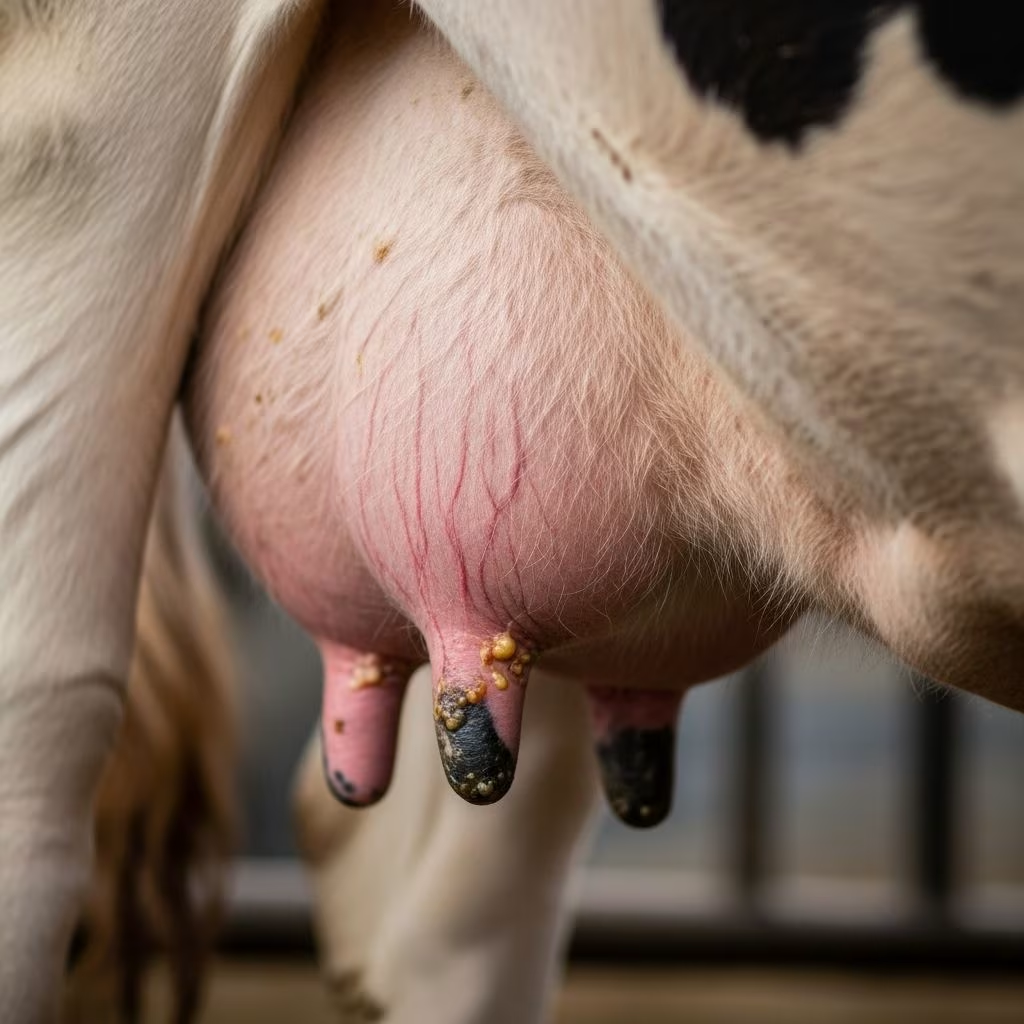
Bovine mastitis represents one of the most prevalent and costly diseases affecting dairy and beef cattle worldwide, characterized by inflammation of the udder due to microbial invasion or injury. This condition compromises milk quality, reduces yield, and can lead to significant economic losses for producers through treatment costs, discarded milk, and culled animals.
Understanding the Fundamentals of Udder Inflammation
The mammary gland in cattle is highly susceptible to infection because pathogens can easily access the teat canal during milking or from environmental contaminants. Germs commonly found on the cow’s skin or in bedding material serve as primary culprits, entering the udder and triggering an immune response that results in swelling and altered milk composition. While lactating cows bear the brunt, non-lactating heifers, dry cows, and even males can develop similar issues from trauma or opportunistic bacteria.
Inflammation arises when bacteria multiply rapidly within the gland, releasing toxins that provoke systemic reactions. Coliform bacteria, such as those from the Enterobacteriaceae family, often drive acute episodes by producing endotoxins like lipopolysaccharide (LPS), leading to shock-like symptoms. Other microbes, including gram-positive cocci, contribute to persistent or milder forms. Fungal agents like Prototheca species occasionally cause rare but challenging cases, often misdiagnosed without specialized testing.
Primary Causes and Risk Factors
Mastitis stems from a combination of infectious agents and management shortcomings. Contagious pathogens spread between cows during milking, while environmental ones thrive in unclean conditions.
- Contagious Pathogens: Bacteria like Streptococcus agalactiae form biofilms in the udder, evading immune clearance and causing subclinical persistence.
- Environmental Pathogens: E. coli, Klebsiella, and Streptococcus uberis proliferate in wet bedding or poorly sanitized milking equipment.
- Other Contributors: Physical trauma, chemical irritants, or heat damage to teats; fungal infections from Aspergillus or Candida in humid environments.
Risk escalates with poor hygiene in parlors, inadequate cubicle maintenance, and faulty milking machines causing liner slippage. High somatic cell counts (SCC) in bulk milk signal underlying issues, often linked to chronic carriers not culled promptly.
Recognizing Clinical and Subclinical Signs
Mastitis manifests in two main forms: clinical, with visible abnormalities, and subclinical, detectable only through testing.
Clinical Manifestations
Acute cases present with a hot, swollen, reddened udder quarter. Affected milk appears watery, clotted, or discolored with flakes. Cows exhibit pain, kicking at udders, fever, lethargy, off-feed behavior, diarrhea, and dehydration. Severe infections lead to toxemia, bacteremia, rapid weight loss in calves nursing infected dams, and potential fatality.
Subclinical Indicators
These lack obvious signs but elevate SCC above 200,000 cells/mL, reducing milk quality and yield subtly over time. Routine screening via California Mastitis Test (CMT) or cell counters is crucial for early detection.
| Type | Key Symptoms | Severity |
|---|---|---|
| Clinical | Swollen udder, abnormal milk, systemic illness | High; potential death |
| Subclinical | High SCC, no visible changes | Low but chronic impact |
Diagnostic Approaches for Accurate Identification
Prompt diagnosis hinges on visual inspection, milk sampling, and lab analysis. Strip milk onto a dark surface to check for clots or color changes. Culture affected milk to identify pathogens, guiding targeted therapy. For ambiguous cases, Gram staining or selective media distinguish Prototheca from bacteria. Monitor herd SCC trends and bulk tank data to pinpoint subclinical prevalence.
Effective Treatment Protocols
Treatment varies by severity and pathogen. Always consult a veterinarian for protocols respecting withholding periods.
- Mild Cases (Single Quarter): Intramammary antibiotics as first-line, infused via teat end.
- Severe or Systemic: Combine systemic injections (subcutaneous or intramuscular) with intramammary tubes; add fluids, electrolytes, and NSAIDs for endotoxic shock.
- Supportive Care: Frequent stripping of infected quarters, ice application, anti-inflammatories; drain pus-filled milk with phenol for safe disposal.
For Staphylococcus aureus or chronic subclinical, extend therapy to 7-10 days using dual routes. Dry cow therapy (DCT) prevents carryover into lactation. Success rates improve with pathogen-specific drugs like penicillin or tetracyclines, but some quarters fibrose permanently.
Prevention: Building a Robust Defense Strategy
Proactive measures outperform reactive treatments. Implement a multifaceted plan targeting hygiene and biosecurity.
- Milking Hygiene: Clean, dry teats pre- and post-milking with germicidal dips; maintain equipment rigorously.
- Housing Management: Provide dry, comfortable bedding; avoid overcrowding and wet cubicles.
- Dry Period Interventions: Universal DCT for all cows; cull chronic infectors.
- Nutrition and Monitoring: Balanced diets supporting immunity; regular SCC testing and vaccination where applicable.
- Herd Protocols: Milk suspect cows last; segregate high-risk animals.
The classic five-point plan—prompt treatment, teat disinfection, DCT, culling, and machine maintenance—excels against contagious spread but pairs with environmental controls for comprehensive protection.
Economic and Welfare Implications
Mastitis slashes productivity: a single clinical case discards 100-200 liters of milk, with subclinical costing $50-100 per cow annually in lost yield. Culling rates rise 20-30% in affected herds. Welfare suffers from pain and systemic distress, underscoring ethical imperatives for prevention. Forward-thinking farms leverage tech like automated SCC monitors for real-time alerts.
Emerging Challenges and Future Directions
Antibiotic resistance in Staph and environmental bugs demands stewardship: judicious use, pathogen ID before treatment. Alternative therapies like phage therapy or immune boosters show promise in trials. Climate-driven humidity may boost fungal risks, necessitating adaptive housing. Research emphasizes genomics for breeding resistant cows.
Frequently Asked Questions (FAQs)
What is the fastest way to treat mild mastitis?
Administer intramammary antibiotics immediately after diagnosis, alongside supportive milking out of the quarter.
Can mastitis affect beef cows?
Yes, though less common than in dairy, environmental bacteria cause udder infections leading to calf weight loss.
How do I prevent subclinical mastitis?
Regular SCC monitoring, post-milking dips, and DCT are key to controlling hidden infections.
Is fungal mastitis treatable?
Often not responsive to antibiotics; cull affected cows as Prototheca causes irreversible damage.
What role does bedding play?
Wet or contaminated bedding harbors environmental pathogens, increasing infection risk dramatically.
This guide equips producers with actionable knowledge to combat mastitis effectively, ensuring healthier herds and sustainable operations.
References
- Mastitis in Beef Cows: What You Need to Know — Drovers. 2023-05-15. https://www.drovers.com/news/beef-production/mastitis-beef-cows-what-you-need-know
- Detecting and Treating Clinical Mastitis — NADIS. 2024-01-10. https://www.nadis.org.uk/disease-a-z/cattle/mastitis/mastitis-part-4-detecting-and-treating-clinical-mastitis/
- Mastitis in Cattle — Merck Veterinary Manual. 2025-02-01. https://www.merckvetmanual.com/reproductive-system/mastitis-in-large-animals/mastitis-in-cattle
- Bovine mastitis: risk factors, therapeutic strategies, and alternative… — PMC (NCBI). 2020-11-01. https://pmc.ncbi.nlm.nih.gov/articles/PMC7649072/
- Bovine Mastitis — Cornell University College of Veterinary Medicine. 2024-06-20. https://www.vet.cornell.edu/departments-centers-and-institutes/baker-institute-animal-health/research-baker-institute/bovine-mastitis
- Mastitis-Causing Pathogens and How They Get on Your Farm — Penn State Extension. 2023-08-12. https://extension.psu.edu/mastitis-causing-pathogens-and-how-they-get-on-your-farm/



